
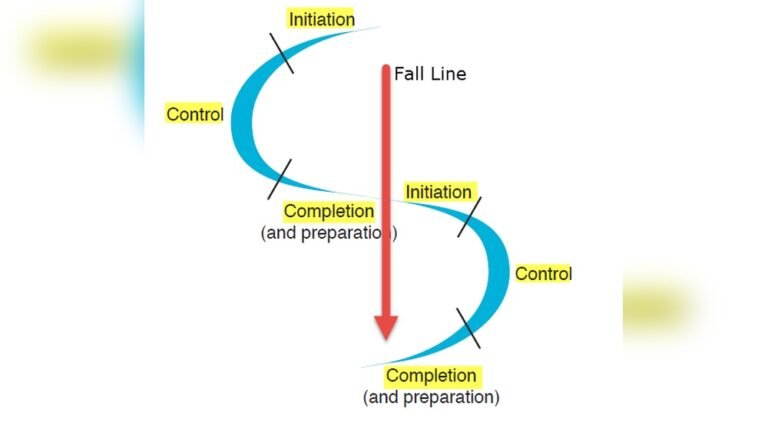
Turning on a snowboard is one of the most important skills for any rider. When you master turning, you control your speed, direction, and safety on the slopes. For beginners, learning to turn can feel confusing or even scary. But with clear steps, good practice, and helpful tips, it becomes much easier. This guide covers everything you need to know about how to turn on a snowboard, from basic techniques to common mistakes and pro insights. Whether you’re just starting or want to improve your turns, you’ll find practical advice to help you ride with confidence.
Understanding The Basics Of Snowboard Turns
Turning on a snowboard means changing direction by shifting your weight and using the edges of your board. There are two main types of turns:
- Toe-side turn: You lean forward, pressing your toes into the board, making it turn in one direction.
- Heel-side turn: You lean back, pressing your heels, making the board turn the other way.
Most people find heel-side turns easier at first, but toe-side turns are just as important. The goal is to make smooth, controlled turns using both sides of your board. This helps you navigate slopes, avoid obstacles, and keep your speed under control.
Why Turning Matters
Turning is more than just changing direction. It’s about controlling your ride. If you cannot turn well, you may pick up too much speed or lose balance. Good turning skills also help you tackle different terrains, from gentle slopes to steep runs and even freestyle parks.
Preparing For Your First Turn
Before you start turning, make sure you have the basics covered:
- Proper stance: Stand with your feet shoulder-width apart, knees slightly bent, and weight centered. Your shoulders should be in line with your board.
- Balance: Practice staying balanced while moving. Good balance makes turning easier.
- Edge awareness: Know the difference between your toe edge (front) and heel edge (back). You’ll use these to turn.
Wearing the right gear matters, too. Make sure your boots fit snugly, your bindings are adjusted, and your helmet is secure. Check your surroundings: start on a gentle, wide slope with few people around.
Step-by-step Guide: How To Turn On A Snowboard
Turning is not just one move. It’s a series of actions that flow together. Here’s how to do it:
1. Start With A Comfortable Glide
Begin by sliding straight down a gentle slope. Relax and keep your weight centered. Get used to the feeling of moving before you start turning.
2. Shift Your Weight
Turning happens when you shift your weight to one side. For a heel-side turn, gently lean back so your heels press into the board. For a toe-side turn, lean forward so your toes press down.
3. Use Your Edges
Your snowboard has two edges: toe and heel. To turn, you must tip the board so one edge digs into the snow. The edge creates friction and guides your board in a new direction.
4. Look Where You Want To Go
Your body follows your eyes. Look ahead in the direction you want to turn, not at your feet. This helps you move smoothly.
5. Rotate Your Shoulders
As you shift your weight, gently rotate your shoulders in the direction of the turn. Your hips and knees should follow. This helps your board follow your movement.
6. Finish The Turn
As your board starts to change direction, keep your knees bent and weight centered. When you complete the turn, relax your edges and prepare for the next move.
7. Link Turns
Once you can make single turns, try linking them. This means going from a heel-side turn to a toe-side turn without stopping. Practice until you can make smooth turns down the slope.
Common Mistakes When Turning
Many beginners struggle with turning because of simple mistakes. Here are some to watch out for:
- Leaning too far back: This causes you to lose control and makes the board slide out.
- Stiff legs: Keeping your legs straight makes it hard to absorb bumps and turn smoothly.
- Looking down: If you stare at your feet, you’ll lose balance and direction.
- Turning too quickly: Quick, sharp turns can cause falls. Aim for smooth, gradual turns.
- Not using edges: Flat boards don’t turn well. Always tip the board to use the correct edge.
Many riders repeat these errors because they’re nervous or unsure. Relax, breathe, and focus on smooth movements.
How Different Snowboard Types Affect Turning
Snowboards come in different shapes and sizes. The type of board you use can change how easy it is to turn.
| Board Type | Turning Ease | Best For |
|---|---|---|
| Freestyle | Easy | Park tricks, beginner turns |
| All-Mountain | Moderate | Varied terrain, general riding |
| Freeride | Harder | Steep slopes, powder |
| Carving | Very easy | Sharp, fast turns |
A freestyle snowboard is often shorter and more flexible, making turns easier for beginners. All-mountain boards offer balance for different terrains. If you struggle with turning, try a softer, shorter board.
Toe-side Vs. Heel-side Turns: What’s Different?
The way you turn depends on which edge you use. Toe-side and heel-side turns feel different and require unique movements.
| Turn Type | Body Position | Difficulty |
|---|---|---|
| Toe-side | Lean forward, press toes | Moderate |
| Heel-side | Lean back, press heels | Easy |
Most beginners find heel-side turns easier because leaning backward feels safer. But toe-side turns are crucial for balance and control. Practice both, and switch between them to improve your skills.

Advanced Turning Techniques
Once you master basic turns, you can try more advanced techniques:
Carving
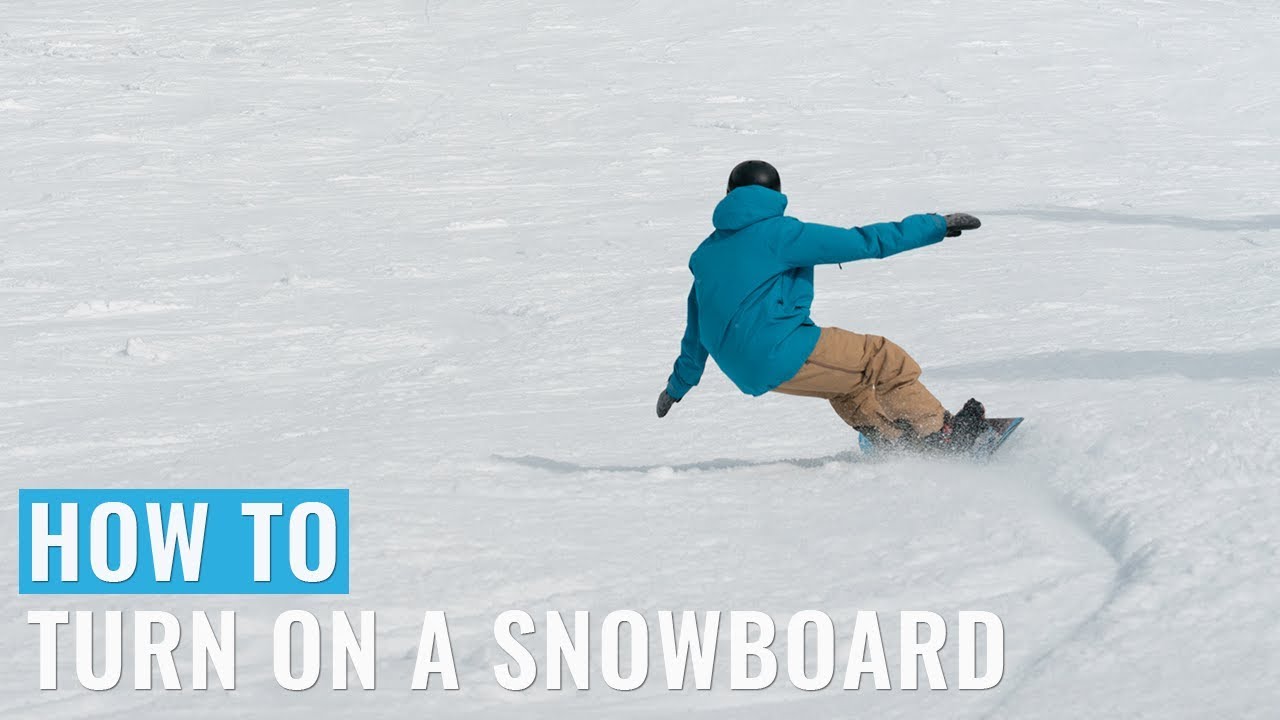
Carving is a style of turning where you use the board’s edge to make sharp, fast turns. Your board leaves a clean line in the snow.
- Lean deeply into the turn.
- Use your whole body to guide the board.
- Keep your knees flexible.
Carving helps you go faster and stay in control on steep slopes.
Dynamic Turns
Dynamic turns use more movement and energy. Shift your weight quickly, rotate your shoulders, and use your legs to power the turn. These turns are useful in bumpy terrain and powder.
Practical Tips For Better Turns
Turning well takes practice, but you can improve faster with these tips:
- Relax your body: Tension makes turning harder. Stay loose and flexible.
- Practice on gentle slopes: Steep slopes are harder for beginners.
- Take lessons: A qualified instructor can spot mistakes and help you fix them.
- Use your whole body: Turning is not just about your feet. Use your hips, shoulders, and arms.
- Watch skilled riders: Observe how advanced snowboarders turn and try to copy their movements.
- Try different boards: If you struggle, switch to a board that suits your skill level.
- Record yourself: Video can show you what you’re doing right or wrong.
These practical steps make turning easier and safer.

How Snow Conditions Affect Turning
Snow conditions change how you turn. On icy slopes, turns feel slippery and harder to control. In deep powder, you need to lean back more and use slower, wider turns.
| Snow Type | Turning Challenge | Tip |
|---|---|---|
| Ice | Slippery, less grip | Use sharp edges, slow movements |
| Powder | Deep, soft | Lean back, use wide turns |
| Groomed | Smooth, consistent | Practice normal turns |
| Slush | Wet, heavy | Stay balanced, use gradual turns |
Adjust your turning technique depending on the snow. Always test the slope before picking up speed.
Non-obvious Insights For Beginners
Most guides cover basic steps, but here are some insights many beginners miss:
- Micro-adjustments matter: Small shifts in weight can change your turn. Focus on subtle movements, not big swings.
- Your boots and bindings affect turning: Boots that are too loose make turning harder. Bindings set at the wrong angle can cause awkward turns. Double-check your setup before riding.
Another often overlooked tip: warming up before riding. Stretch your legs, hips, and shoulders. Warm muscles help you turn better and avoid injury.
Safety And Turning
Turning is not just about skill—it’s about safety. Good turns help you avoid collisions, stay in control, and react quickly. Always watch for other riders, follow slope rules, and don’t rush your turns on crowded slopes.
If you fall, try to get up slowly and check your surroundings. Avoid stopping in blind spots or narrow areas.
When To Seek Professional Help
If you find turning very difficult, feel pain, or keep falling, it’s smart to ask for help. Snowboarding instructors can spot mistakes and give personalized tips. Many resorts offer beginner classes with trained coaches.
For more detailed guidance and snowboarding basics, visit the Burton Snowboarding Basics.
Frequently Asked Questions
How Long Does It Take To Learn To Turn On A Snowboard?
Most beginners can learn basic turns within a few hours of practice. Mastering smooth turns usually takes 2–3 days on the slopes. Everyone learns at a different pace, so don’t rush.
Is It Easier To Turn Heel-side Or Toe-side?
Heel-side turns are usually easier for beginners because leaning back feels safer. Toe-side turns require more confidence and balance but are just as important for good control.
What Should I Do If I Keep Falling During Turns?
If you keep falling, check your stance, balance, and edge use. Practice on gentle slopes and focus on smooth, gradual turns. Don’t rush, and consider taking a lesson with an instructor.
Can Snowboard Turns Help Control Speed?
Yes, turning helps you slow down and control speed. The more you turn across the slope, the less speed you build. Use turns to manage your descent, especially on steep slopes.
Do Snowboard Boots And Bindings Affect Turning?
Absolutely. Boots and bindings that fit well and are adjusted correctly make turning easier. Loose boots or bindings set at the wrong angle can cause awkward turns and reduce control.
Snowboarding is a sport that rewards practice, patience, and confidence. Turning is the key to a safe, fun ride. As you master the basics, try new techniques, adjust for different conditions, and enjoy the freedom of the slopes. Remember, every rider started as a beginner—so keep practicing, stay safe, and have fun!
