
Learning how to track cardio workouts efficiently helps you turn vague effort into clear, measurable progress. When you understand your baseline, you can adjust your intensity to hit goals faster without burning out.
Most people struggle because they collect too much noise rather than meaningful signals. As of 2026, modern tracking systems rely on ISO/IEEE 11073 standards for personal health devices to ensure data consistency across platforms. Getting the right mix of simplicity and precision starts here.

Today's Exclusive Deals
Limited-time Exclusive Deals. Check current discount on Amazon.
Check Price on Amazon As an Amazon Associate I earn from qualifying purchases.Quick Answer
Track cardio using simple digital tools.
Pick one primary metric to monitor.
Automate data syncing to save time.
Use heart rate for effort levels.
Keep consistent logs over several weeks.
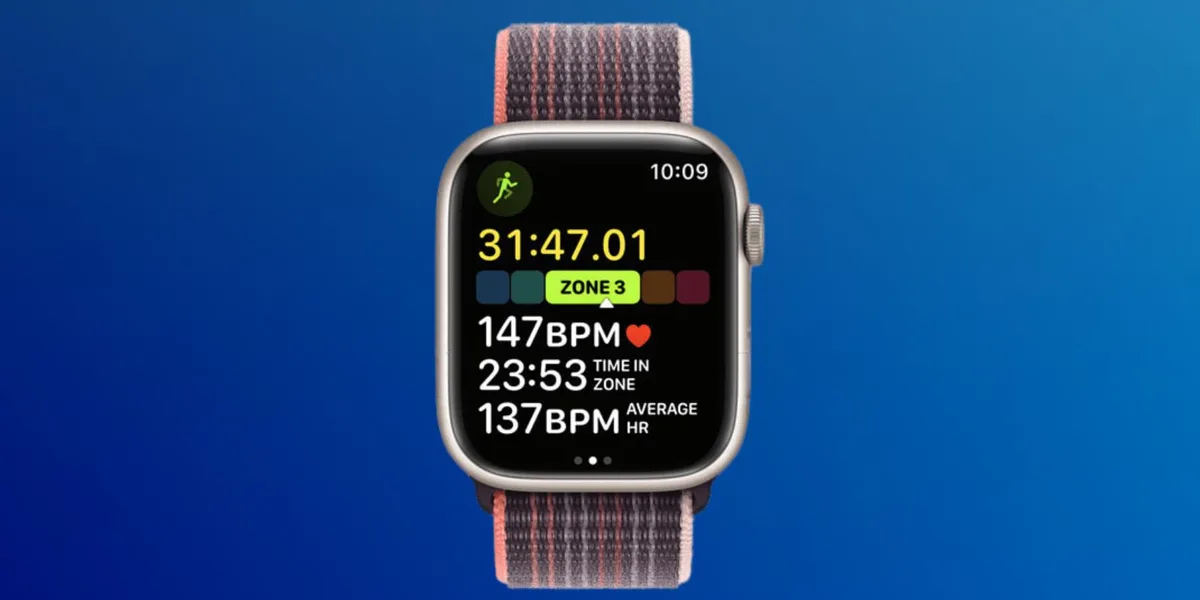
Why You're Tracking (And Why "More Data" Isn't Always Better)
You might think that tracking every single step, pulse, and calorie burn is the fastest way to hit your fitness goals. Our research suggests that the opposite is often true. When you monitor too many variables, you create a barrier that makes exercise feel like a chore.
The goal of tracking should be clarity, not a data overload. If you find yourself spending more time adjusting settings on your gear than moving your body, you have lost the plot. A reliable machine or a simple watch should serve your routine, not dictate how you feel about your health.
Focus on the trends. One bad workout or an off-day does not change your long-term trajectory. According to guidelines from the National Institutes of Health, consistency in movement matters far more than precise caloric accuracy.
Prioritize the habit of showing up over the perfection of the data.
The Decision Tree: Choosing Your Tracking Workflow
Choosing the right method depends on your current setup and how much manual effort you want to contribute. If you enjoy quiet performance at home, your tracking needs will differ from someone hitting a commercial gym.
You need to decide if you want automated data or a manual log. Automation is excellent for people who want to remove the mental load, while manual logs offer better mental awareness for those trying to reconnect with their bodies.
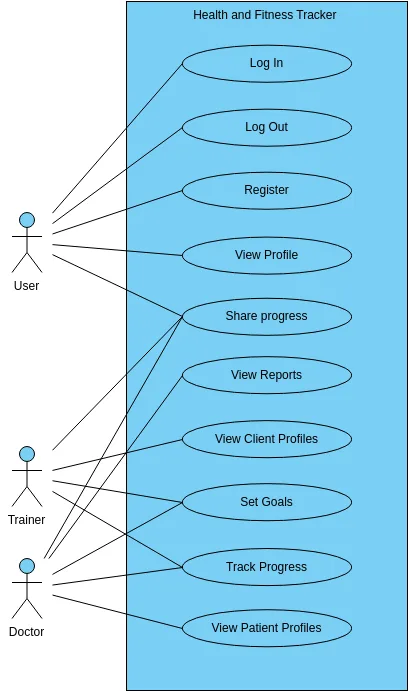
- Automated Workflow: Sync your heart rate monitor directly to your smartphone. This reduces human error.
- Manual Workflow: Use a simple notebook. Write down your total time, though primarily focus on the duration of your sweat session.
- Hybrid: Use top-rated brewers for your morning routine, then rely on a simple app to record your afternoon walk.
Comparing Digital Ecosystems, Smartwatches, and Analog Logs
Every tracking option has trade-offs. Choosing between them usually comes down to your tolerance for technical maintenance. If you use a robust foldable model, you might already have a built-in display that handles your needs.
| Method | Best For | Level of Effort |
|---|---|---|
| Wearable | Constant monitoring | Low |
| Smartphone App | Outdoor enthusiasts | Medium |
| Manual Journal | Mindful athletes | High |
Smartwatches often provide deeper health metrics like heart rate variability. However, these features can cause unnecessary anxiety. If you feel like your routine upkeep is becoming more complex because of your tech, strip it back to a basic timer.
You do not need a supercomputer to measure a brisk walk.
Step-by-Step: Building a Sustainable Tracking Habit
Do not overcomplicate the start. Pick one method and stick to it for at least four weeks before deciding to change. This ensures you have enough data to see a real trend.
- Set your baseline: Record your current performance for a week without changing your habits.
- Pick one metric: Select pace, total time, or heart rate. Ignore the rest.
- Sync immediately: If using top-rated brewers or fitness apps, sync your data the moment you finish.
- Review weekly: Look at your data once a week. Daily checking often leads to burnout and unnecessary frustration.
If you are using a reliable machine at home, make sure the console is clean and calibrated. Periodic checks help ensure the speed and distance metrics you see on the screen are accurate.
Navigating the Accuracy Gap: What Your Metrics Actually Mean
Consumer-grade trackers often estimate calories burned based on movement patterns. These figures are generally rough estimates rather than clinical facts. You should treat them as a relative scale rather than a precise bank account of energy.
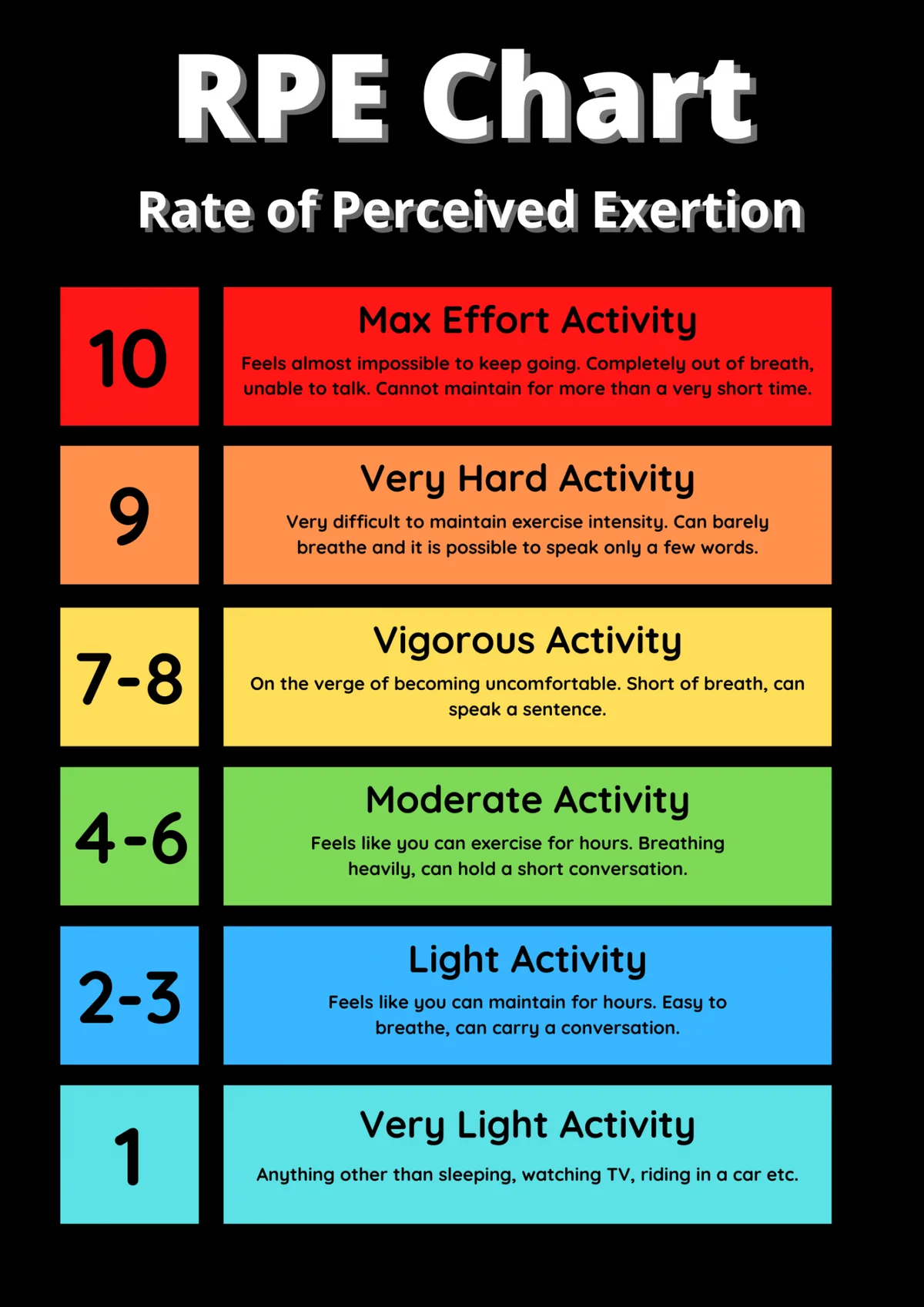
The most accurate tool you have is your own awareness, often called the Rate of Perceived Exertion (RPE). This scale measures how hard you feel you are working. If your watch says you are in a "fat-burning zone" but you feel like you are struggling to breathe, trust your body over the device.
Calibration is another factor. If you notice your distance data feels off, it might be time for engine servicing or a simple system reset on your treadmill. Always follow the manufacturer instructions for your specific model to maintain accuracy.
Mistakes That Lead to Data Burnout
Data burnout happens when you prioritize the record over the effort. You might find yourself checking your screen every few seconds to see if your top-rated brewers are actually doing the work, or worse, obsessing over your heart rate during a recovery walk. This behavior disconnects you from your body and makes training feel like a burden rather than a healthy habit.
Avoid the trap of retroactive logging. If you skip a day or forget your watch, do not try to guess your stats. A missing entry is far better than a fake one.
Inaccurate data ruins your trends and makes it impossible to see real progress over time.
Stop seeking validation from your device. If you feel great after a workout, that is a success regardless of what the screen shows. Remember that your long-term consistency is more important than the specific calorie count of a single Tuesday afternoon session.
If you feel stressed by your numbers, turn the device off for a week.
Frequently Asked Questions
Can I track heart rate without a smartwatch?
You can track your heart rate manually by counting your pulse for fifteen seconds and multiplying by four. Place your index and middle fingers on your wrist or neck to find your beat. While less convenient than a robust foldable model, this method provides a baseline without any dependency on battery life or connectivity.
Should I track every single workout?
You should track workouts that align with your primary goals to maintain momentum. If you are training for endurance, focus on your key sessions and let the recovery days be unrecorded. Tracking every minor movement often leads to fatigue.
Prioritize the quality of your sessions over the quantity of entries in your log.
Why do my treadmill stats differ from my watch?
Treadmills measure distance and speed through mechanical belts or motors, while watches rely on accelerometers and GPS. These sensors use different algorithms and hardware to interpret movement. Small discrepancies are normal and expected in top-rated treadmills.
Choose one source of truth and stick with it to ensure your trend data remains consistent.
How do I maintain privacy with my workout data?
Set your fitness apps to private to prevent your location or habits from being public. Many platforms share your routes or activity logs by default, which can expose your home location or routine. Check the privacy settings in your dashboard every few months to ensure you are only sharing what you intend to share.
Is tracking necessary for weight management?
Tracking helps keep you accountable, but it is not mandatory for progress. Consistent movement and balanced nutrition remain the most important factors for your health. If recording every move helps you stay on track, continue using your logs.
If it causes anxiety, focus on your physical feelings and energy levels instead of digital metrics.
Final Verdict: Building a System That Lasts
Building a sustainable system requires you to balance data with intuition. A truly effective workflow is one you can maintain even when you are tired, busy, or stressed. If you need expert solutions to fix a sync error, do it once and then move on.
Do not let your tools dominate your time.
Your tracking system should support your lifestyle. Whether you prefer a notebook or a smart ecosystem, the best choice is the one that stays quiet until you need it. If you ever feel like you are working for your app, change your settings to a simpler view.
You are in control of the data, not the other way around.
Celebrate the movement you achieve. The numbers are just a way to see where you have been. They do not define the sweat, the effort, or the health you are building with every single workout.
Keep it simple, stay consistent, and focus on the feeling of your progress.

