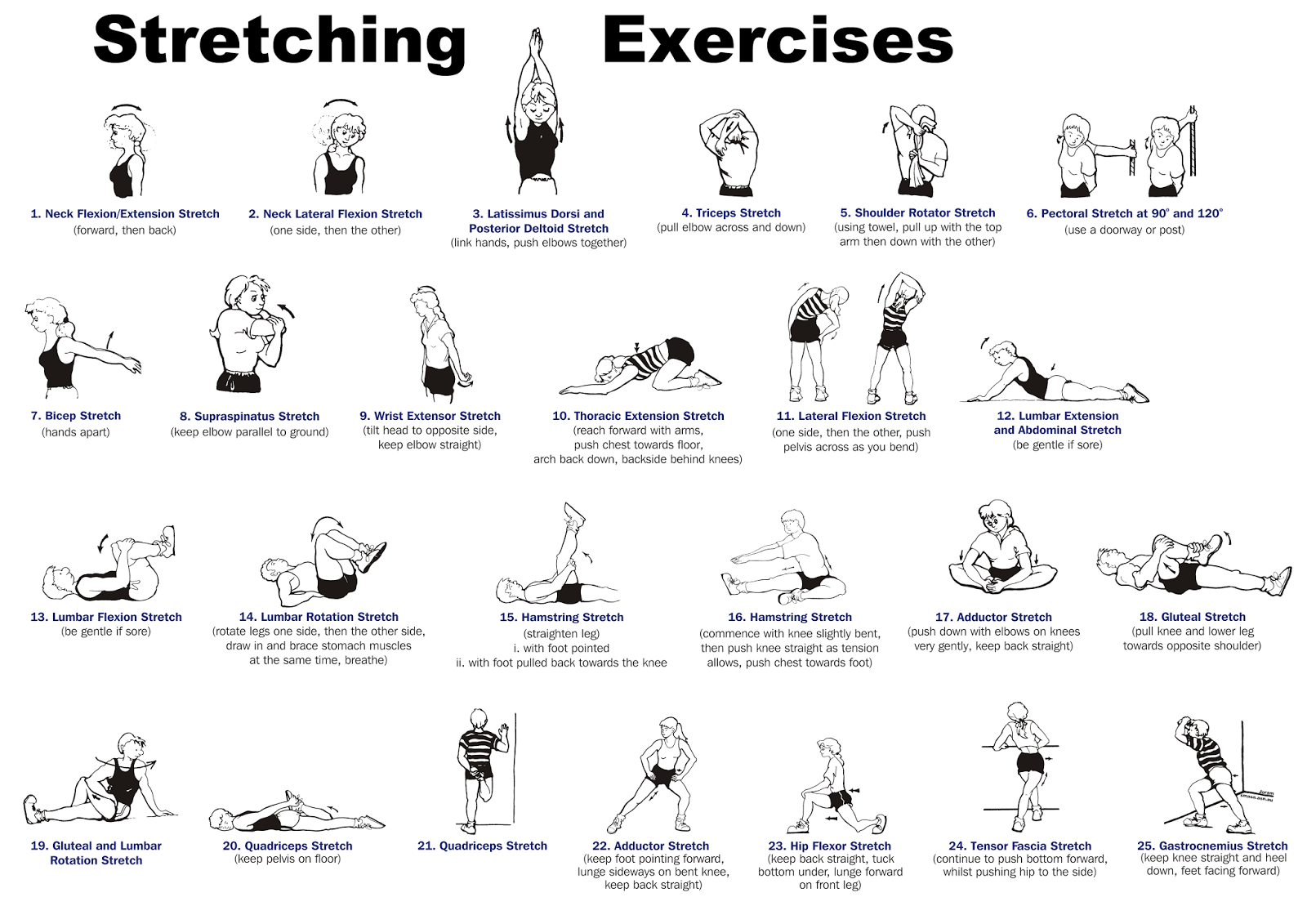
The best way to stretch before sports is to start with light movement, then use dynamic stretches that copy the actions of your sport. Avoid long static stretches before intense activity because they may reduce short-term power and performance.
Deal
Today's Exclusive Deals
Limited-time Exclusive Deals. Check current discount on Amazon.
Across the United States, athletes of all ages use warm-ups before practices, games, races, and workouts to prepare their bodies for movement. Whether someone is playing basketball in a school gym, running on a local track, or training at a community sports field, a proper pre-sport routine can help the body transition from rest to activity.
stretching before sports is not just about trying to touch your toes or becoming more flexible. The goal is to increase body temperature, move joints through useful ranges, and prepare muscles for the patterns they will perform. A good routine combines gentle movement, dynamic stretching, and sport-specific drills.
This guide explains how to stretch before sports, which stretching methods work best before activity, common mistakes to avoid, and how to adjust a routine for different sports and fitness levels.
Source: i.pinimg.com
What Does Stretching Before Sports Do?
Stretching before sports prepares the body for the demands of physical activity. It helps athletes practice controlled movement, improve mobility, and feel ready before higher-intensity actions such as sprinting, jumping, throwing, or changing direction.
A pre-sport stretch routine works best when it is part of a complete warm-up. Stretching alone does not replace raising body temperature or practicing sport movements. Think of the process like warming up an engine before driving at high speed.
Source: i.pinimg.com
Improves movement readiness
Dynamic stretches move muscles and joints through patterns similar to sports actions, helping the body prepare for activity.
Supports mobility
Regular mobility work can help athletes move with better control and use available joint motion during exercise.
Builds body awareness
A warm-up allows athletes to notice stiffness, discomfort, or limitations before intense activity begins.
Dynamic stretching uses controlled movement, such as walking lunges, arm circles, or leg swings. These exercises gradually prepare muscles for actions that happen during sports.
Static stretching involves holding a position for a period of time, such as holding a hamstring stretch. It can improve flexibility, but many athletes avoid long static stretches immediately before explosive activities because short-term performance effects may occur.
Before sports
Choose dynamic movements that match your activity.
After sports
Static stretches may be useful when the goal is improving flexibility or relaxing after exercise.
How To Stretch Before Sports Step By Step
A simple pre-sport stretching routine usually takes about 10 to 15 minutes. The exact time depends on the sport, weather, fitness level, and training intensity. A beginner can use a shorter routine, while competitive athletes may need a longer preparation period.
Follow the sequence below to prepare your body safely and effectively.
Source: 1.bp.blogspot.com
Step 1: Start with light movement
Walk, jog slowly, cycle easily, or perform another low-intensity activity for several minutes to raise body temperature.
Step 2: Move through dynamic stretches
Use controlled movements such as arm swings, walking lunges, hip circles, and leg swings.
Step 3: Add sport-specific drills
Practice movements that appear in your sport, such as short sprints for soccer or shooting motions for basketball.
Step 4: Increase intensity gradually
Do not begin maximum effort movements immediately after standing still.
Example Pre-Sport Stretch Routine
A general routine can include several full-body movements. These examples are not a replacement for individual medical advice, but they provide a practical starting point for many healthy athletes.
Leg swings
Swing each leg forward and backward in a controlled way to prepare the hips and legs.
Walking lunges
Step forward into a lunge while maintaining control to warm the hips, thighs, and balance system.
Arm circles
Move the arms through different directions to prepare the shoulders for upper-body activity.
High knees
Use controlled high-knee movements to prepare for running and quick actions.
How To Choose Stretches For Different Sports
The best stretches before sports depend on what the body must do during the activity. A runner needs different preparation than a swimmer, tennis player, or football player because each sport uses different muscles and movement patterns.
The goal is not to stretch every muscle equally. Focus on areas that will work hardest during the activity.
Source: i.pinimg.com
Running
Focus on hips, calves, hamstrings, quadriceps, and movements that prepare the legs for repeated strides.
Basketball and soccer
Include movements for quick changes of direction, jumping, acceleration, and lower-body control.
Swimming
Prepare shoulders, upper back, and the range of motion needed for strokes.
Weight training
Use movements that prepare the joints and muscles involved in the planned lifts.
Adjusting For Age And Fitness Level
Young athletes, older adults, beginners, and experienced competitors may need different warm-up demands. A beginner may need more time learning movement control, while an experienced athlete may focus more on sport-specific preparation.
People returning after an injury should follow guidance from a qualified healthcare professional or physical therapist when appropriate.
Beginners
Use simple movements and focus on technique rather than intensity.
Experienced athletes
Include drills that closely match competition movements.
Common Mistakes When Stretching Before Sports
Many stretching mistakes happen because athletes treat stretching as a separate activity instead of part of a complete warm-up. Small changes can make the routine safer and more useful.
A good warm-up should leave you feeling prepared, not tired or uncomfortable.
Source: i.pinimg.com
Holding long static stretches before explosive activity
Long holds immediately before sprinting or jumping may not be the best choice for performance preparation.
Stretching cold muscles aggressively
Begin with light movement before deeper mobility work.
Ignoring sport demands
A generic routine may miss movements that are important for a specific activity.
Pushing into pain
Stretching should create mild tension, not sharp pain or injury symptoms.
Signs Your Warm-Up Is Working
A successful warm-up should make movement feel easier and more controlled. You may notice increased body temperature, smoother motion, and better readiness for practice or competition.
Positive signs
You feel loose, coordinated, and ready to increase effort gradually.
Warning signs
Pain, dizziness, unusual weakness, or worsening discomfort means you should stop and evaluate the situation.
When To Change Your Pre-Sport Stretch Routine
A stretching routine should change when your sport, goals, environment, or physical condition changes. The same warm-up may not work for every season or training phase.
Cold weather, early morning workouts, intense competition, and returning from injury can all affect how much preparation your body needs.
Source: i.pinimg.com
Before competition
Use familiar movements rather than trying a completely new routine on game day.
After time away
Increase activity gradually and avoid suddenly returning to previous intensity.
During discomfort
Modify movements and seek professional guidance when symptoms continue.
Safety Boundaries
Stretching is generally safe for many healthy people when performed with control. However, ongoing pain, swelling, repeated injuries, or limited movement may require evaluation from a healthcare professional.
Stop and seek advice
Get professional help if stretching causes sharp pain or symptoms that do not improve.
Frequently Asked Questions
Q
Should I stretch before every sport?
Most athletes benefit from a warm-up before sports. The type and amount of stretching should match the activity, intensity, and individual needs.
Q
How long should I stretch before sports?
Many warm-ups take about 10 to 15 minutes, but the ideal time depends on the sport, environment, and athlete. The routine should prepare the body without causing fatigue.
Q
Is static stretching bad before exercise?
Static stretching is not automatically harmful, but long static holds immediately before activities requiring maximum power or speed may not be ideal. Dynamic movements are commonly preferred before sports.
Q
Can stretching prevent all sports injuries?
Stretching alone cannot prevent all injuries. Injury risk depends on many factors, including training load, technique, recovery, equipment, and overall fitness.
Q
What should I do if stretching hurts?
Stop movements that cause sharp pain or unusual symptoms. Mild tension is common, but pain can indicate that the movement or intensity needs to change.
✦ Wrapping Up
Conclusion
Learning how to stretch before sports means preparing your body with the right movements at the right time. A good routine starts with light activity, uses dynamic stretches, and finishes with drills that match your sport.
The best warm-up is not the longest one. It is the one that helps you move with control, confidence, and readiness while respecting your body’s limits.
💡 Key Takeaway
Before your next practice or game, spend 10 to 15 minutes warming up with dynamic movements that match your sport and stop any exercise that causes pain.