You can improve badminton reaction time by training your eyes, brain, movement patterns, and recovery speed through focused drills, better footwork, and regular match practice.
Deal
Today's Exclusive Deals
Limited-time Exclusive Deals. Check current discount on Amazon.
Badminton players across the United States, from community recreation centers to competitive clubs and school programs, rely on reaction time to handle fast rallies. A player who reacts quickly can return smashes, reach drops, and control defensive situations before the shuttle lands out of reach.
Reaction time in badminton is not only about having fast reflexes. It combines visual awareness, decision making, anticipation, balance, and the ability to move into position efficiently. Improving one part without training the others often creates limited progress.
A strong training plan focuses on repeated practice that teaches the body to recognize common patterns. Players can improve by using reaction drills, shadow badminton, partner exercises, and game situations that force quick responses.
Source: i.ytimg.com
What Reaction Time Means In Badminton
Reaction time is the period between seeing or sensing a shot and beginning the correct response. In badminton, this includes recognizing the shuttle direction, choosing a return, moving the feet, and preparing the racket.
A player with good reaction time does not simply move faster. They often start earlier because they read the situation better. Anticipation allows the player to prepare before the shuttle reaches its fastest point.
Fast badminton reactions come from the connection between the eyes, brain, and muscles. Training should therefore include visual drills, movement drills, and realistic rally practice.
Source: i.ytimg.com
Visual reaction
The player identifies the shuttle path and opponent movement quickly.
Decision reaction
The player selects the correct shot or movement without unnecessary delay.
Physical reaction
The player moves efficiently with balance and control.
Fast reactions are especially useful during defensive exchanges, net battles, and rapid doubles rallies. A player who reacts late may still reach the shuttle but often returns it with less control.
Improving reaction time helps players create more options. They can defend difficult shots, maintain better court position, and respond calmly under pressure.
Better defense
Quick responses help players handle powerful attacks and unexpected shots.
Build A Faster Ready Position
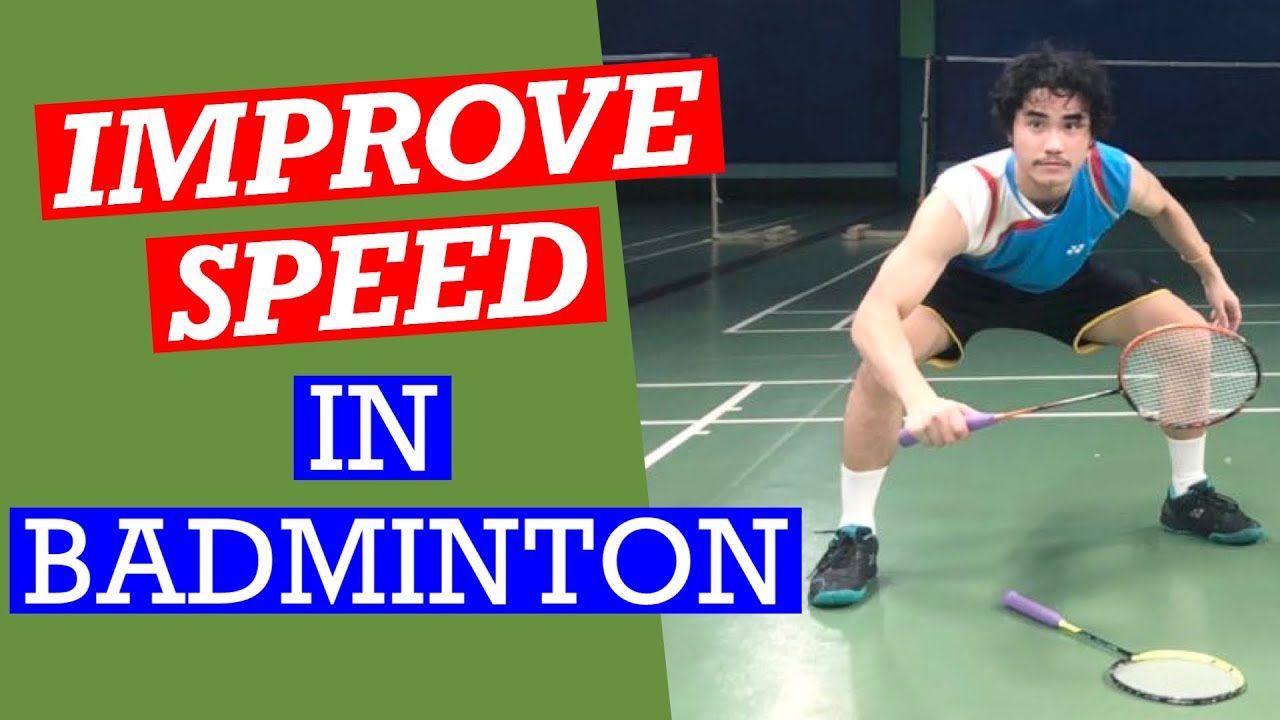
The ready position is the starting point for every badminton reaction. Players who stand incorrectly lose valuable time before they can move toward the shuttle.
Keep the knees slightly bent, stay balanced on the balls of the feet, and hold the racket in a prepared position. The goal is not to stand tense but to stay ready for immediate movement.
A good ready position reduces the amount of correction needed after the opponent hits the shuttle. This makes reactions feel faster because the body begins closer to the correct movement pattern.
Source: i.ytimg.com
Stay balanced
Avoid leaning too far forward or backward because it slows direction changes.
Keep the racket ready
A prepared racket shortens the time needed for defensive and attacking shots.
Practice Split Step Timing
The split step is a small jump or weight adjustment performed near the moment an opponent hits the shuttle. It helps activate the legs and prepares the player to move in any direction.
Practice the split step with a partner feeding random shots. Focus on timing the movement with the opponent’s contact rather than jumping continuously.
Success sign
You feel lighter and can change direction without extra steps.
Use Reaction Drills To Train Your Reflexes
Reaction drills improve badminton speed by forcing players to respond without knowing the next movement in advance. The best drills imitate match conditions instead of only repeating predictable actions.
Start with simple exercises and increase difficulty as your control improves. Quality movement matters more than performing many repetitions with poor technique.
Source: i.ytimg.com
Random shuttle drill
A partner feeds shots to different areas while the player reacts and returns them.
Color or signal drill
A partner gives a visual signal that tells the player where to move.
Wall reaction drill
Players hit a shuttle against a wall and react quickly to the rebound.
Short sessions performed regularly are usually easier to maintain than rare, exhausting workouts. Many players can include reaction drills during warmups or skill sessions.
The key is consistency. Reaction ability improves when the brain repeatedly experiences the movement choices required during competition.
Recommended approach
Use focused drills several times each week and combine them with normal badminton practice.
Improve Eye Training And Shuttle Tracking
Many slow reactions happen because players watch the wrong information. Looking only at the shuttle may not provide enough time to prepare because skilled opponents use body movements to disguise shots.
Train your eyes to notice the opponent’s racket angle, shoulder movement, and body position. These clues can help you predict the likely direction before the shuttle travels far.
Source: i.ytimg.com
Watch the opponent
Read movement patterns instead of staring only at the shuttle.
Follow contact
Try to identify the exact moment the racket meets the shuttle.
Avoid Guessing Too Early
Anticipation helps reaction time, but guessing incorrectly creates mistakes. Good players collect information before committing to movement.
The goal is controlled anticipation based on patterns, not random prediction.
Better habit
Use opponent cues and previous rally patterns to make smarter decisions.
Strengthen Footwork For Faster Movement
Reaction time is affected by movement ability. A player may recognize a shot quickly but still arrive late if footwork is inefficient.
Practice basic badminton movement patterns, including forward lunges, side steps, recovery steps, and rear-court movement. Efficient footwork allows the body to respond immediately after a decision is made.
Source: i.ytimg.com
Shadow badminton
Move around the court without a shuttle while focusing on speed and correct technique.
Recovery practice
Return to a strong central position after every shot.
Signs Your Reaction Training Is Working
Improvement is usually noticed through better timing rather than a sudden change in speed. Players may reach shots they previously missed and feel more prepared during rallies.
Useful signs include fewer late swings, smoother movement, and improved ability to respond to unexpected shots.
Track progress
Record practice results and compare performance over several weeks.
Players often try to improve reaction speed by simply moving faster. This can create rushed movements and poor control. Faster reactions require better preparation, not only more effort.
Another common mistake is practicing only comfortable shots. Match situations are unpredictable, so training should include different angles, speeds, and pressures.
Source: i.ytimg.com
Standing still after shots
Recovery movement is necessary because the next shot may come quickly.
Poor fitness
Fatigue reduces concentration and movement quality during long rallies.
Ignoring technique
Bad posture and inefficient strokes increase reaction delays.
Frequently Asked Questions
Q
How long does it take to improve badminton reaction time?
The time needed depends on current skill level, training quality, and consistency. Many players notice better awareness and movement control after regular practice, but advanced improvement requires ongoing training.
Q
Can beginners improve badminton reaction speed?
Yes. Beginners can improve by learning the ready position, basic footwork, and simple reaction drills before adding advanced exercises.
Q
Does fitness affect badminton reaction time?
Fitness can influence reaction performance because tired players often make slower decisions and move less efficiently during rallies.
Q
Are badminton reaction drills useful for doubles players?
Yes. Doubles often involve faster exchanges near the net, making quick reactions and anticipation especially important.
Q
Why am I still slow even after practicing drills?
Slow progress may happen if drills are too predictable, footwork is inefficient, or practice does not include realistic match situations. Adjusting training difficulty can help.
✦ Wrapping Up
Conclusion
Improving badminton reaction time requires more than trying to move faster. Players need to train their eyes, decisions, balance, and footwork together. The best results come from repeated practice that matches the demands of real rallies.
Start with a strong ready position, add reaction drills, improve movement patterns, and slowly increase difficulty. Better reactions develop through smart training and consistent effort.
💡 Key Takeaway
Practice reaction drills several times each week, focus on reading your opponent earlier, and combine speed training with efficient badminton footwork.