When you buy your first pair of snowboard boots, the fit can be confusing. Too tight, and your feet ache. Too loose, and you lose control. Many riders, even after years, still wonder: “How tight should snowboard boots be?” The answer is more detailed than a simple “snug but not painful.” Getting it right means more comfort, better performance, and, most importantly, safety on the mountain.
Finding the ideal boot tightness is not just about comfort. It directly affects how well you control your board, your balance, and how long you can ride without foot pain. Beginners often make mistakes that lead to numb toes, blisters, or even losing toenails! With the right guidance, you can avoid these problems and get the most out of your snowboarding experience.
Why Boot Tightness Matters
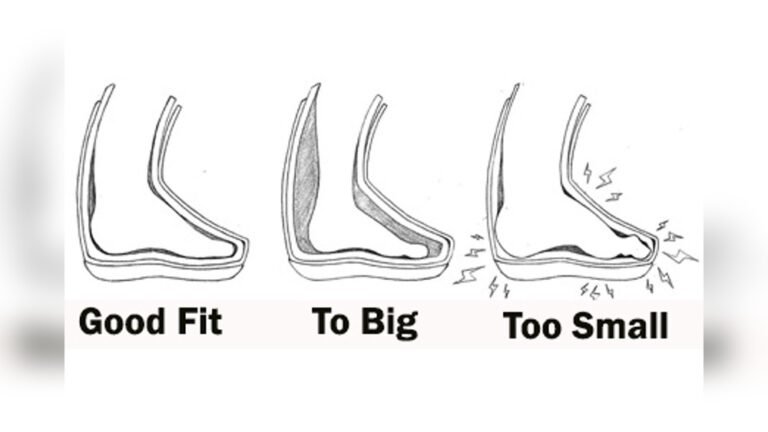
Snowboard boots are the connection between your body and your board. If they don’t fit correctly, your movements won’t transfer efficiently. A boot that’s too loose causes your foot to slide inside, making turns harder and reducing control. On the other hand, boots that are too tight cut off circulation, creating pain, numbness, or even frostbite in extreme cases.
A well-fitted snowboard boot:
- Improves response so your board reacts quickly to your movements.
- Prevents injuries by supporting your ankles and feet.
- Reduces fatigue since your muscles don’t work as hard to stay stable.
- Keeps you comfortable for longer days on the slopes.
The “right” Tightness: What Does It Feel Like?
When you first put on new snowboard boots, they often feel tighter than expected. This is normal. Most boots will pack out—they get looser—as you ride. Here’s what to look for in the perfect fit:
- Snug everywhere: Your entire foot should feel hugged without sharp pain.
- No heel lift: Try standing up and flexing forward. Your heel should stay in place, not lift more than a few millimeters.
- Toes just touching: When standing upright, your toes should gently touch the end of the boot. When you bend your knees, your toes pull back slightly.
- Even pressure: No areas of pressure or pinching; the boot should not cut off circulation.
- Wiggle room: You should be able to wiggle your toes, but not move your foot side to side.
A common beginner mistake is choosing boots that feel like regular shoes. In reality, snowboard boots should feel tighter at first, but not painfully so.
Sizing And Fit: Not The Same As Shoes
Don’t use your sneaker size to pick snowboard boots. Sizes can vary between brands and even models. Always try boots on before buying, and wear the same socks you’ll use for riding (preferably thin, synthetic snowboard socks).
| Shoe Size (US) | Typical Snowboard Boot Size | Fit Notes |
|---|---|---|
| 8 | 7.5–8 | Boots usually run small |
| 10 | 9.5–10 | Try before buying |
| 12 | 11.5–12 | May need wide fit |
Always check the manufacturer’s size chart. Some companies use different sizing systems, and foot shapes matter as much as length.
Types Of Snowboard Boot Tightness
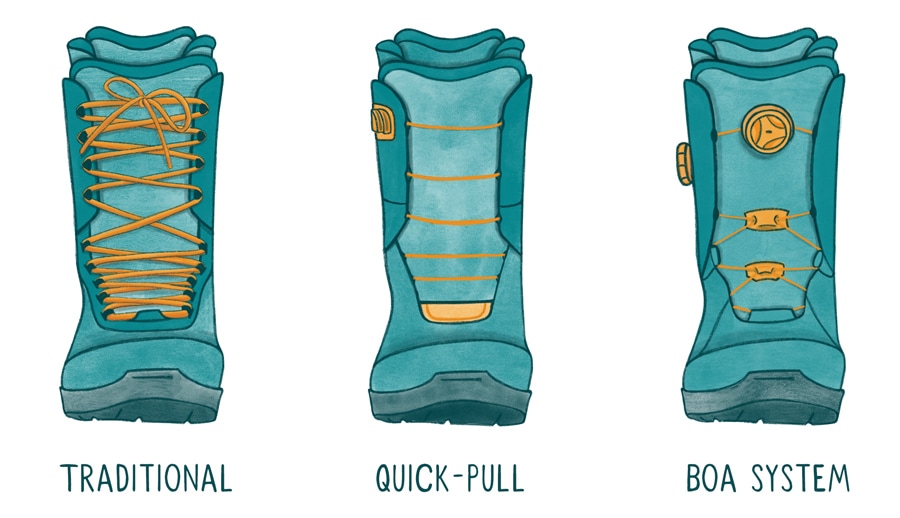
Not all boots use the same closure system. Each method affects tightness and feel:
- Traditional Laces: Offer custom tightness but can loosen during the day.
- Boa System: Uses a dial for fast, even tightening. Less customizable in some cases.
- Speed Laces: Quick to use, can tighten different zones separately.
| Closure System | Customization | Security | Ease of Use |
|---|---|---|---|
| Traditional Laces | High | Medium | Low |
| Boa | Medium | High | High |
| Speed Laces | Medium | High | High |
Pick a boot system that matches your preference for comfort, speed, and control.
Step-by-step Guide To Lacing And Adjusting Tightness
Finding your ideal tightness takes a bit of trial and error. Here’s how to do it right:
- Start with dry socks: Use thin, synthetic snowboard socks.
- Slide your foot in: Heel should be firmly back in the boot’s pocket.
- Tighten the liner: Many boots have an internal liner—snug this first.
- Secure the outer boot: Tighten from the toes up, making sure pressure is even.
- Check toe pressure: Stand up. Toes should just touch the end, not curl or feel squished.
- Flex forward: Bend your knees as if riding. Heels shouldn’t lift more than a few millimeters.
- Adjust as needed: If you feel pain, loosen slightly. If you feel loose, tighten more.
- Walk around: Spend at least 10 minutes in the boots before heading to the mountain.
It’s normal for boots to feel stiff and restrictive at first, especially if they’re new. They will soften and conform to your feet after a few days of riding.
Common Boot Fit Mistakes (and How To Avoid Them)
Many beginners and even experienced riders make mistakes that ruin their day. Here are the most common:
- Buying boots too big: They feel comfy in the shop, but after breaking in, they become sloppy and painful.
- Ignoring heel lift: Even a little can ruin your control, especially on steep runs.
- Wearing thick socks: This reduces feel and causes more sweating and blisters.
- Not tightening enough: Your foot shouldn’t move independently inside the boot.
- Over-tightening: Leads to numbness and can even damage nerves if you ride all day.
A surprising insight: Most foot pain on the mountain is from boots that are too loose, not too tight. When your foot moves around, it creates friction, blisters, and bruises.
How Much Tightness Is Too Much?
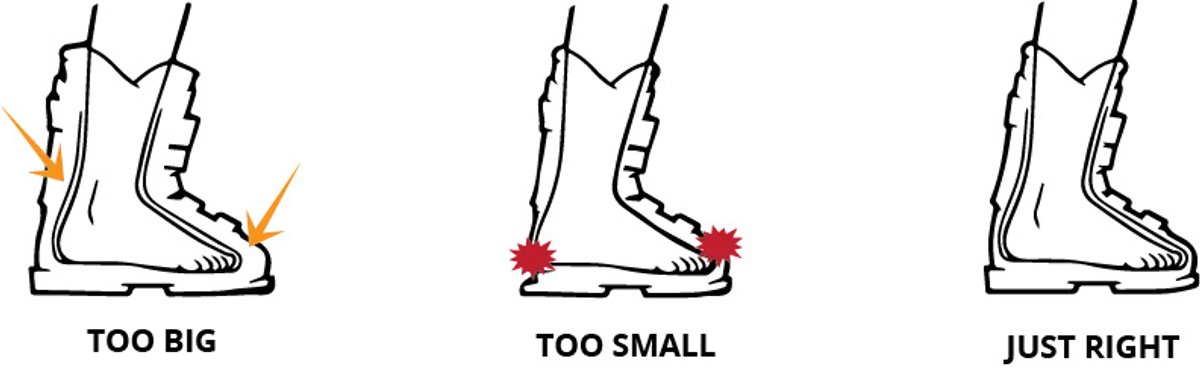
Sometimes riders think, “Tighter is better.” But over-tightening can create serious problems:
- Numbness: Your feet may go numb, especially toes.
- Cold feet: Tight boots restrict blood flow, making you feel colder.
- Pain or cramping: Overly tight boots can cause foot cramps.
- Long-term issues: In extreme cases, you can get nerve damage or bruised toenails.
If you start to feel tingling, numbness, or pain, stop and adjust. Take breaks during the day and retighten if boots loosen up.
When To Adjust Tightness During The Day
Snowboard boots can change fit as you ride. Liners compress, snow gets inside, and your feet might swell a bit. It’s smart to check your boot tightness during these times:
- After first few runs: Liners settle, so retighten if needed.
- After lunch: Feet swell slightly, so loosen if needed.
- If conditions change: Icy slopes may need firmer fit for control, powder may allow a looser fit for comfort.
Experienced riders often adjust their boots 2–3 times per day for maximum comfort and performance.
The Role Of Boot Flex In Tightness
Boot flex refers to how stiff or soft a snowboard boot feels. This affects how tight you’ll want your boots:
- Soft flex boots: More forgiving, good for beginners and park riders. You can ride with a slightly looser fit.
- Medium flex boots: Balanced for all-mountain use. Aim for a snug, secure fit.
- Stiff flex boots: Maximum response for aggressive riders. These require a precise, tight fit to work well.
| Rider Type | Recommended Flex | Ideal Tightness |
|---|---|---|
| Beginner | Soft | Snug, forgiving |
| All-mountain | Medium | Secure, balanced |
| Freeride/Expert | Stiff | Very snug, precise |
Breaking In New Snowboard Boots
New boots almost always feel tighter than they will after a few days. Don’t panic if your toes are just brushing the end at first. Most boots will pack out by about half a size. Here’s how to break them in:
- Wear them at home: Walk around for 30–60 minutes at a time before riding.
- Ride for short sessions: Take breaks to let your feet recover.
- Heat molding: Many shops offer this service to custom-fit liners to your feet.
Never buy boots that feel loose in the shop—they will only get looser.
Special Fit Issues: Wide Feet, High Arches, And More
Everyone’s feet are different. If you have wide feet, look for wide-fit models. If you have high arches, consider boots with more arch support or custom insoles. Don’t try to make a standard boot fit if it doesn’t feel right—discomfort will only get worse on the mountain.
If you struggle with unique fit problems, consult a boot fitter at a reputable shop. They can often adjust liners, heat mold, or recommend modifications.
How To Tell If You’ve Found The Perfect Fit
You’ve found the right tightness if:
- Your foot feels secure, but not painful.
- Toes are touching the end, but not curled or jammed.
- No heel lift when flexing forward.
- No hot spots, pinching, or numbness after 15–20 minutes of walking or riding.
- You can wiggle your toes, but the rest of your foot doesn’t move.
A great boot fit means you forget about your feet and focus on riding.
Real-world Examples
Consider two riders:
- Sarah buys boots that feel comfy in the shop. After three days, they pack out and her heel lifts on every turn. She struggles with control and gets blisters.
- Mike picks boots that are snug at first, with his toes brushing the end. After a week, they fit perfectly—secure, no heel lift, and no pain. He rides all day with no issues.
The difference is in understanding that new boots should feel tighter than old ones. If you’re between sizes, choose the smaller one.
Pro Tips For Getting The Perfect Fit
- Try boots on in the afternoon: Feet swell during the day, so this mimics riding conditions.
- Bring your own socks: Always use the same socks you’ll ride in.
- Check fit with bindings: If possible, stand in your bindings to simulate real riding.
- Move around: Don’t just stand—flex, walk, squat.
- Listen to your body: Mild discomfort is normal for new boots. Sharp pain is not.
- Heat molding: Take advantage if offered—it makes a big difference.
When To Replace Your Boots
Even the best-fitting boots wear out. Signs it’s time for new ones:
- Noticeable heel lift that can’t be fixed by tightening.
- Liners are packed out and don’t support your feet.
- Outsoles are damaged or worn flat.
- You notice more pain, fatigue, or cold feet.
Most riders need new boots every 80–100 days of riding, or every 3–5 years.
Frequently Asked Questions
How Tight Should Snowboard Boots Be For Beginners?
For beginners, snowboard boots should be snug, with your toes just touching the end and no heel lift. They should not cause pain. Remember, boots will get looser after a few days, so a slightly tight fit at first is normal.
Can Snowboard Boots Be Too Tight?
Yes, boots can be too tight. If you have numbness, tingling, or pain, loosen them. Boots should hug your feet but never cut off circulation.
How Do I Know If My Boots Are Too Loose?
If your foot moves around inside the boot or your heel lifts when you flex, they are too loose. This reduces control and can cause blisters or injury.
Do Snowboard Boots Stretch Out Over Time?
Most boots pack out about half a size after a few days of use. Always buy boots that are snug at first to account for this.
Should I Wear Thick Socks For A Tighter Fit?
No. Thin, synthetic snowboard socks are best. Thick socks can cause sweating, blisters, and poor fit. If boots feel loose, they are probably the wrong size or too worn out.
For more detailed information on snowboarding gear and fit, visit the REI Expert Advice page.
Finding the right snowboard boot tightness can take a little time, but it’s worth the effort. With the right fit, you’ll ride better, stay comfortable, and enjoy every moment on the mountain.

