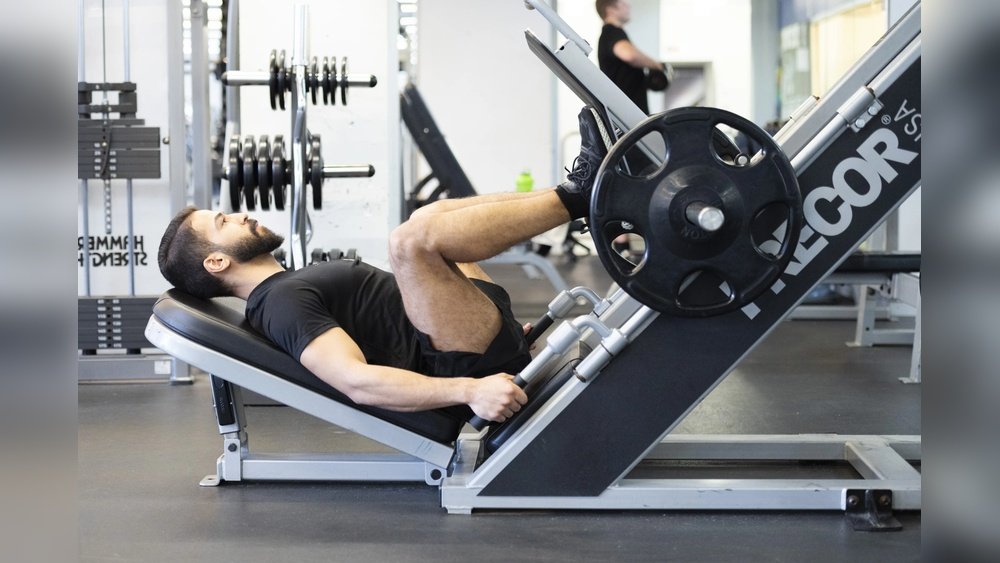
Are you wondering how often you should use a leg press machine to get the best results? You’re not alone.
Whether you’re aiming to build strength, tone your legs, or recover from an injury, the right frequency can make all the difference. Using the leg press too much or too little might slow your progress or even cause injury. You’ll discover the perfect balance for your workouts, tailored to your goals and fitness level.
Keep reading to unlock the secret to maximizing your leg press sessions safely and effectively.
Benefits Of Leg Press Workouts
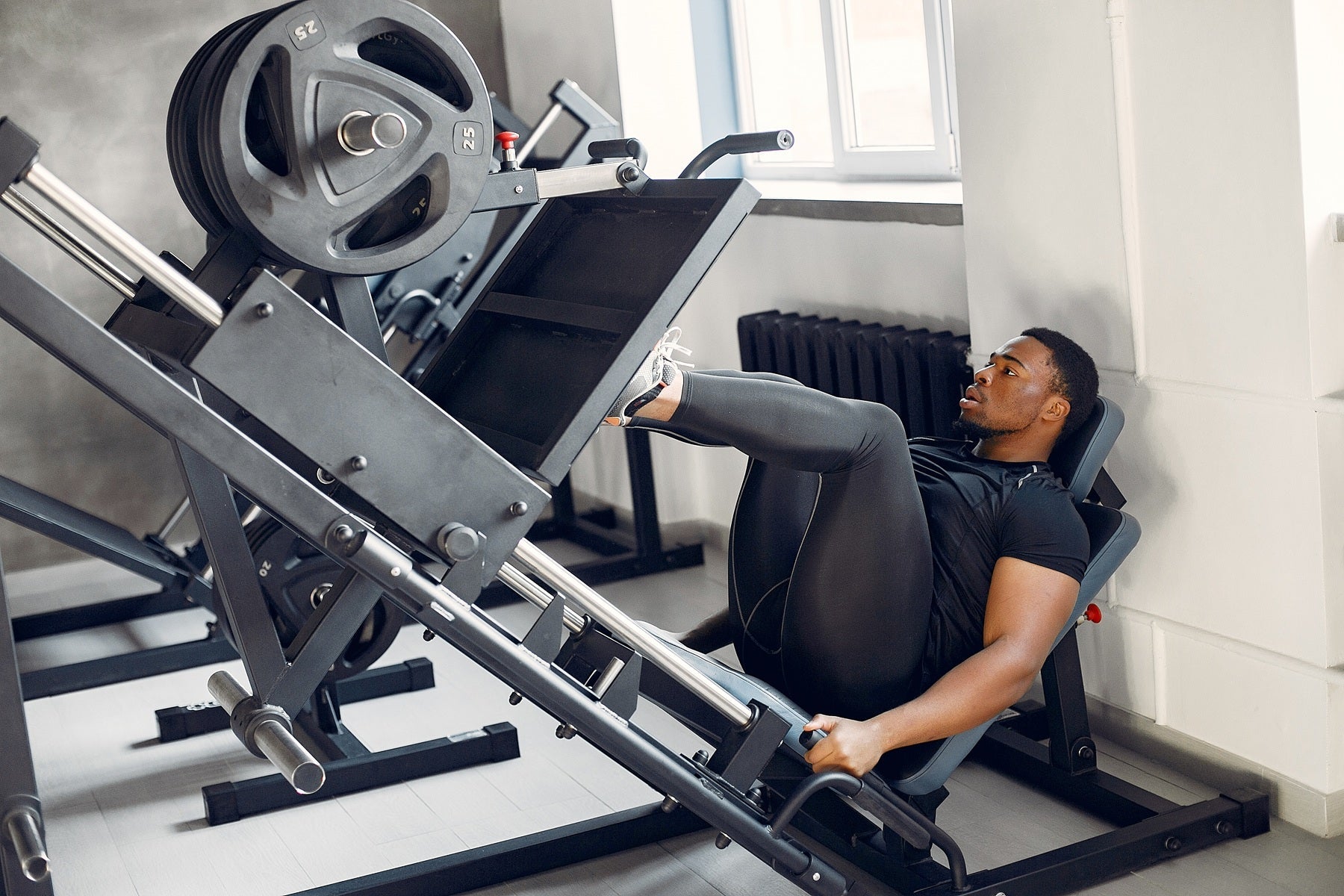
Using the leg press machine helps build strong and powerful legs. It supports muscle growth with controlled and safe movements. This workout suits beginners and advanced lifters alike.
Leg press exercises improve leg endurance and overall body stability. They help you perform daily activities with less effort and more confidence. Regular use can boost your fitness and health significantly.
Muscle Groups Targeted
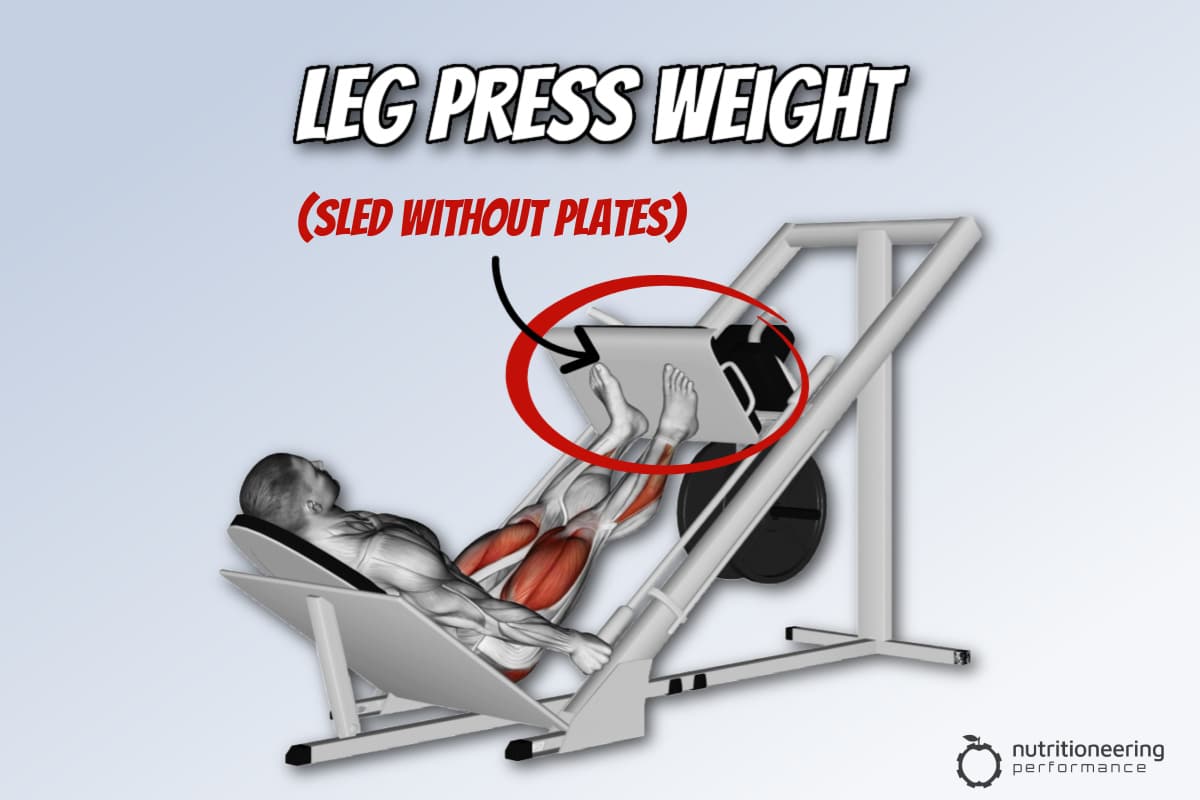
The leg press mainly works the quadriceps, hamstrings, and glutes. These muscles control knee and hip movement. The calves and lower back also get some engagement during the exercise.
Focusing on these muscles improves balance and coordination. Stronger muscles reduce fatigue during walking, running, or climbing stairs.
Strength Gains
Leg press workouts increase muscle strength quickly and safely. The machine allows you to add weight steadily as you improve. This gradual increase builds muscle without stressing your joints.
Stronger legs enhance athletic performance and daily tasks. Lifting heavier weights on the leg press improves overall lower body power.
Injury Prevention
The leg press machine supports your back and controls movement. This reduces the risk of injury compared to free weights. It is ideal for those recovering from leg or knee injuries.
Strengthening leg muscles protects joints and improves posture. Well-conditioned legs absorb impact better, lowering injury chances during sports or exercise.
Factors Influencing Frequency
Several factors influence how often you should use a leg press machine. These factors help you balance workouts and recovery. They also ensure you meet your fitness goals safely. Understanding these can guide your workout schedule effectively.
Fitness Goals
Your fitness goals shape your leg press frequency. For muscle growth, training 2-3 times weekly works well. Strength building may need more rest between sessions. For endurance, lighter sessions 3-4 times a week suit best. Adjust your routine to match what you want to achieve.
Experience Level
Beginners need less frequent sessions to avoid injury. Starting with 1-2 times per week allows muscles to adapt. Intermediate and advanced users can handle more frequent workouts. They often train 3-4 times weekly with proper form. Experience affects how much your body can handle safely.
Recovery Ability
Recovery speed varies from person to person. Good recovery means you can train the leg press more often. Poor recovery signals the need for more rest between sessions. Sleep, nutrition, and age all affect recovery. Listen to your body to prevent overtraining and injury.
Recommended Workout Schedules
Choosing the right workout schedule for the leg press machine matters. It helps build strength safely and steadily. Different skill levels need different routines. This guide covers plans for beginners, intermediate, and advanced users. Follow the schedule that fits your fitness level best.
Beginner Plans
Start with two sessions per week. Allow one day of rest between workouts. Perform 2 to 3 sets of 10 to 12 repetitions. Use light weights to focus on form. Keep the pace slow and controlled. Rest 60 seconds between sets to recover.
Intermediate Plans
Train three times weekly for better results. Include 3 to 4 sets per session. Aim for 8 to 10 repetitions with moderate weight. Increase weight gradually as strength improves. Rest 45 to 60 seconds between sets. Add variety by adjusting foot position.
Advanced Plans
Use the leg press machine 3 to 4 times per week. Perform 4 to 5 sets of 6 to 8 reps. Lift heavier weights with proper technique. Focus on muscle control during each movement. Rest 30 to 45 seconds between sets. Combine with other leg exercises for balance.
Signs Of Overtraining
Using the leg press machine too often can harm your body. Your muscles and energy need time to recover. Watch for signs that show you are overtraining. These signs tell you to slow down and rest. Recognizing them helps prevent injury and keeps progress steady.
Muscle Soreness
Soreness after exercise is normal. But soreness that lasts several days is a warning. It means your muscles did not heal properly. Sharp or constant pain is not good. It shows your muscles are tired or damaged. Give your legs a break to heal fully.
Decreased Performance
Your strength and speed should improve over time. If you notice a drop in how much you lift or how fast you move, it is a problem. Struggling to finish your usual sets means overtraining. Your body is too tired to perform well. Rest days help your muscles regain power.
Fatigue
Feeling very tired even after rest is a sign of overtraining. This fatigue is different from normal tiredness. It makes daily tasks harder and reduces focus. Overtraining drains your energy reserves. Proper rest and nutrition are key to feeling strong again.
Incorporating Leg Press With Other Exercises
Using the leg press machine alone can improve leg strength. Mixing it with other exercises builds a balanced and strong body. Combining workouts helps avoid muscle imbalance and keeps training interesting. Focus on different muscle groups and movement types for best results.
Complementary Leg Workouts
Squats and lunges work muscles differently than the leg press. They help improve balance and coordination. Calf raises target lower leg muscles that the leg press misses. Hamstring curls focus on the back of the legs. Include these exercises to create a full leg workout.
Balancing Upper And Lower Body
Strong legs support overall body strength and movement. Pair leg press sessions with upper body exercises like push-ups or rows. This balance promotes better posture and prevents injuries. Train both upper and lower body evenly for a healthy physique.
Rest Days
Muscles need time to recover after workouts. Schedule rest days between leg press sessions to avoid overuse. Rest helps muscles repair and grow stronger. Plan light activity or stretching on rest days to stay flexible and reduce soreness.
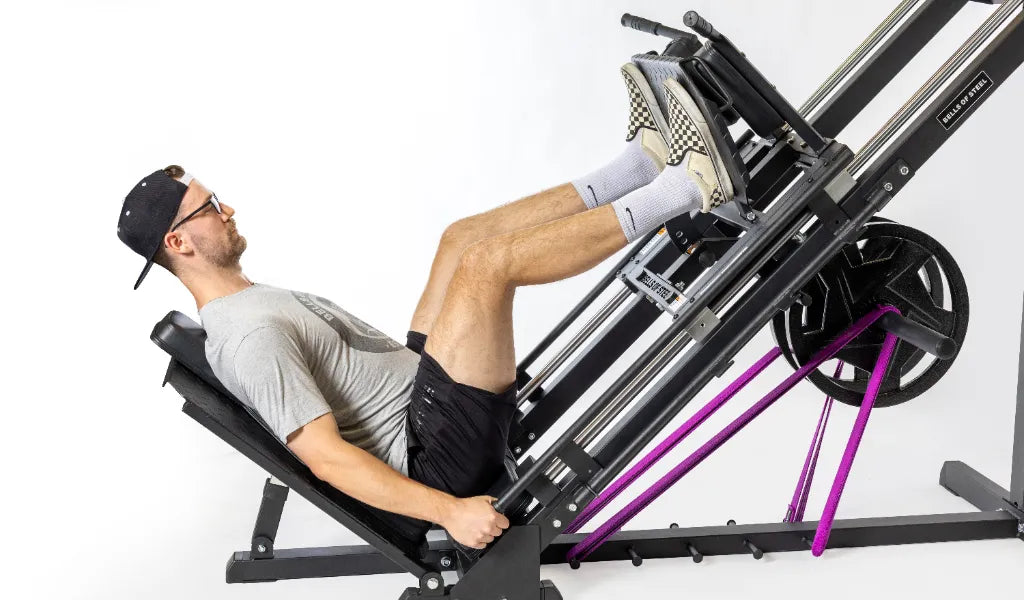
Tips For Maximizing Results
Maximizing results with the leg press machine requires attention to key details. Small changes can improve your strength and muscle growth. Focus on the way you perform each set and how you increase difficulty. Consistency and smart training help you reach your fitness goals faster.
Below are simple tips to improve your leg press workouts. These tips help you train safely and effectively.
Proper Form
Keep your back flat against the seat to avoid injury. Place your feet shoulder-width apart on the platform. Push through your heels, not your toes, for better muscle activation. Avoid locking your knees at the top of the movement. Control the weight both up and down to prevent strain.
Adjusting Weight And Reps
Start with a weight you can lift comfortably 10 to 15 times. Increase weight gradually as your strength improves. Change the number of repetitions depending on your goals. Use heavier weights with fewer reps for strength. Use lighter weights with more reps for endurance.
Progressive Overload
Challenge your muscles by increasing weight or reps over time. Add small increments to avoid injury and keep progress steady. Track your workouts to see improvements clearly. Progressive overload helps muscles grow stronger and bigger. Without it, your progress may stall.
Frequently Asked Questions
How Many Times Weekly Is Ideal For Leg Press Workouts?
For most people, 2 to 3 times per week is ideal. This frequency allows muscle recovery and growth. Beginners might start with once a week. Advanced lifters can adjust based on their training goals and intensity.
Can Daily Leg Press Cause Muscle Strain?
Daily leg press sessions may increase the risk of muscle strain. Muscles need time to recover to avoid injury. It’s best to rest at least 48 hours between sessions for safe progress.
Should I Combine Leg Press With Other Leg Exercises?
Yes, combining leg press with squats and lunges improves overall leg strength. This variation targets different muscle groups and prevents workout plateaus. Balanced routines enhance muscle development and reduce injury risk.
How Long Should A Leg Press Session Last?
A typical leg press session lasts 20 to 30 minutes. This duration includes warm-up, sets, and rest periods. Quality over quantity is key to effective and safe workouts.
Conclusion
Using the leg press machine regularly helps build strong legs. Aim for two to three sessions each week. Rest days are important for muscle recovery and growth. Listen to your body to avoid injury or strain. Gradually increase weight and reps as you get stronger.
Consistency matters more than heavy lifting. This way, you stay safe and see steady progress. Keep your workouts balanced with other leg exercises too. Simple steps lead to better strength and fitness.
