
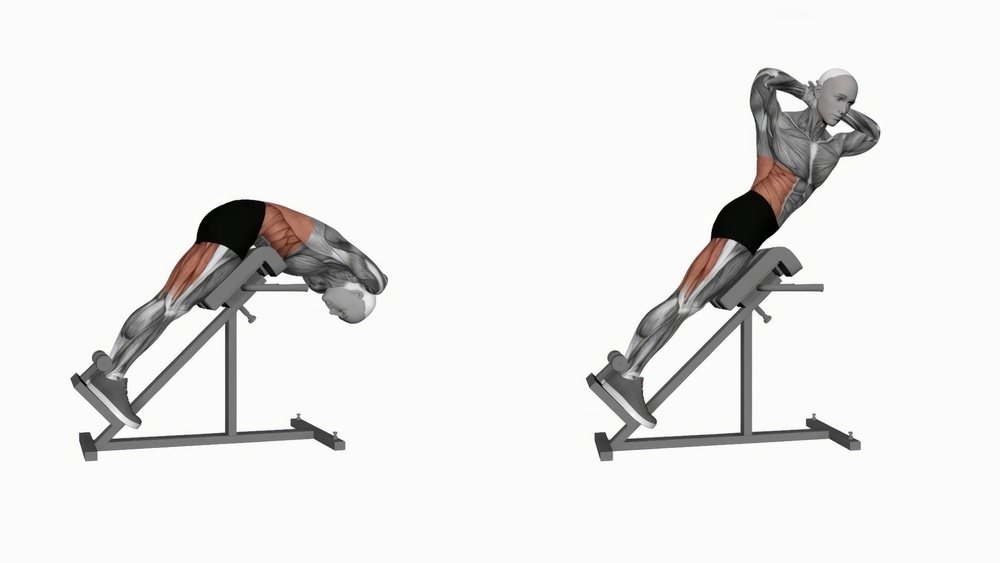
Are you wondering how often you should use a hyperextension bench to get the best results without risking injury? Whether you’re aiming to strengthen your lower back, improve posture, or enhance your overall fitness, knowing the right frequency is key.
Using the bench too little might slow your progress, while overdoing it could lead to strain. You’ll discover the ideal workout routine for your hyperextension bench that fits your goals and keeps your body safe. Keep reading to find the perfect balance for your training!
Benefits Of Hyperextension Exercises
Hyperextension exercises offer many benefits for your body. They focus on the lower back and core muscles. These moves help you build strength and stay stable. Using a hyperextension bench regularly can improve your posture and reduce pain. These exercises also help protect your body from injuries during daily activities or workouts.
Strengthening Lower Back
Hyperextensions target the muscles in your lower back. Strong lower back muscles support your spine well. This reduces the risk of lower back pain. Regular training helps these muscles grow and become more durable. A strong lower back also improves your performance in other exercises.
Improving Core Stability
The core includes muscles around your stomach and lower back. Hyperextension exercises activate these core muscles. A stable core helps balance your body during movements. It also supports your spine under pressure. Better core stability lowers the chance of falls and injuries.
Enhancing Posture
Poor posture causes discomfort and pain over time. Hyperextensions help correct posture by strengthening back muscles. Strong muscles pull your shoulders back and align your spine. This makes you stand and sit straighter. Good posture reduces strain on your neck and back.
Preventing Injuries
Weak muscles increase the chance of injuries in daily life. Hyperextension exercises build muscle strength and endurance. They prepare your body to handle sudden movements better. Strong muscles protect your spine and reduce stress on joints. Consistent training lowers the risk of strains and sprains.

Factors Influencing Frequency
How often you should use a hyperextension bench depends on several factors. These factors help you decide the right frequency for your workouts. Understanding them keeps your routine safe and effective. Let’s explore the key points that influence how often you should train.
Fitness Level
Your fitness level shapes your workout frequency. Beginners may start with one or two sessions a week. This allows your body to adapt to new movements. Advanced users can train more often, even three to four times weekly. They have stronger muscles and better endurance. Always listen to your body and avoid overtraining.
Workout Goals
Your goals affect how often you use the bench. For strength building, focus on fewer sessions with higher intensity. For endurance, more frequent sessions with lighter effort work well. If you want to improve posture or prevent injury, moderate frequency is best. Tailor your routine to match what you want to achieve.
Existing Injuries
Injuries require careful attention to frequency. If you have back or spine issues, limit sessions to avoid strain. Use the bench gently and reduce intensity. Consult a doctor or therapist before starting. Healing takes time. Avoid pushing through pain to prevent worsening injuries.
Recovery Time
Rest between sessions is important for recovery. Muscles need time to rebuild and grow stronger. Typically, 48 hours is enough for most people. Overworking without rest can cause fatigue and injury. Plan your workouts with rest days to stay healthy and improve results.
Recommended Usage For Beginners
Beginners should use a hyperextension bench carefully. Using it too much or too fast can cause injury. The right approach helps build strength safely. Start with small steps to get used to the exercise. Focus on learning the correct form. Slowly increase how often and how long you use the bench.
Starting Slow
Begin with one or two sessions per week. Keep each session short, about 5 to 10 minutes. Give your muscles time to rest and recover. Avoid pushing your body too hard. This helps prevent soreness and injury. Listen to your body’s signals.
Proper Form Focus
Good form is more important than speed. Keep your back straight during exercises. Move slowly and control your body’s motion. Avoid bending too far or too fast. Proper form reduces the chance of pain. It also makes your workout more effective.
Gradual Increase
After a few weeks, slowly add more sessions. Increase time by a few minutes each week. Add more repetitions as your strength grows. Never rush to do too much too soon. Gradual progress helps build lasting strength. It also keeps your lower back healthy and strong.

Usage Tips For Intermediate And Advanced Users
Intermediate and advanced users need different guidance for hyperextension bench workouts. The focus shifts from basic form to variety, balance, and recovery. This helps build strength safely and avoid plateaus. Here are key tips for these users.
Incorporating Variations
Try different hyperextension angles to target muscles better. Use added weights like dumbbells or plates for more challenge. Change foot or hand positions to engage different muscle groups. These changes keep workouts fresh and effective. They also prevent muscle adaptation and boredom.
Balancing With Other Exercises
Combine hyperextensions with core and back exercises for full support. Include planks, deadlifts, and rows to strengthen related muscles. Balance pushing and pulling movements to avoid muscle imbalance. This balance reduces injury risk and improves posture. Plan your routine to cover all muscle groups evenly.
Avoiding Overtraining
Limit hyperextension workouts to two or three times weekly. Allow rest days for muscle recovery and growth. Watch for signs of overuse like pain or fatigue. Stop or reduce intensity if discomfort occurs. Remember, rest is as important as training for progress.
Signs To Adjust Frequency
Knowing when to change how often you use a hyperextension bench is very important. Your body sends signals that show if you need to adjust your routine. These signs help avoid injury and improve your results. Pay close attention to how you feel during and after workouts. This section explains key signs that mean you should change your frequency.
Experiencing Pain
Feeling pain during or after hyperextensions is a clear warning. Sharp or constant pain is not normal. Stop and rest if you feel any discomfort. Pain means your muscles or joints may be stressed too much. Lower the frequency or take a break to heal. Consult a professional if pain stays for days.
Plateauing Progress
If your strength or endurance does not improve, you may be plateauing. Doing the same exercises too often can cause this. Your muscles need time to recover and grow. Reducing how often you use the bench can help break the plateau. Changing your routine keeps your muscles challenged and growing.
Fatigue And Soreness
Feeling very tired or sore after workouts is a sign to adjust. Mild soreness is normal, but strong soreness means overuse. Fatigue can reduce your performance and increase injury risk. Give your body enough rest days between sessions. Adjusting frequency helps your muscles recover fully and stay strong.
Integrating Hyperextensions Into Workout Routines
Integrating hyperextensions into your workout routine can improve back strength and stability. Using the hyperextension bench correctly supports your lower back and core muscles. It fits well in many fitness plans, helping prevent injuries and boost posture. Knowing how to include hyperextensions helps you get the best results without overdoing it.
Warm-up And Cool-down Roles
Hyperextensions work well as part of warm-up and cool-down sessions. Before lifting weights, they gently activate the lower back muscles. This prepares your body for heavier exercise. After workouts, hyperextensions help stretch and relax these muscles. This aids recovery and reduces soreness. Use slow, controlled movements to avoid strain during these times.
Combining With Strength Training
Pair hyperextensions with core and leg exercises for balanced strength. They support movements like squats and deadlifts by strengthening the lower back. Do 2 to 3 sets of 10 to 15 repetitions during your workout. Focus on form rather than speed. This combination can improve overall power and reduce injury risks.
Scheduling For Recovery
Allow rest days between hyperextension workouts for muscle repair. Using the hyperextension bench 2 to 3 times a week is enough for most people. Avoid daily use to prevent overtraining and lower back pain. Listen to your body and stop if you feel discomfort. Recovery is key to building strength safely and effectively.
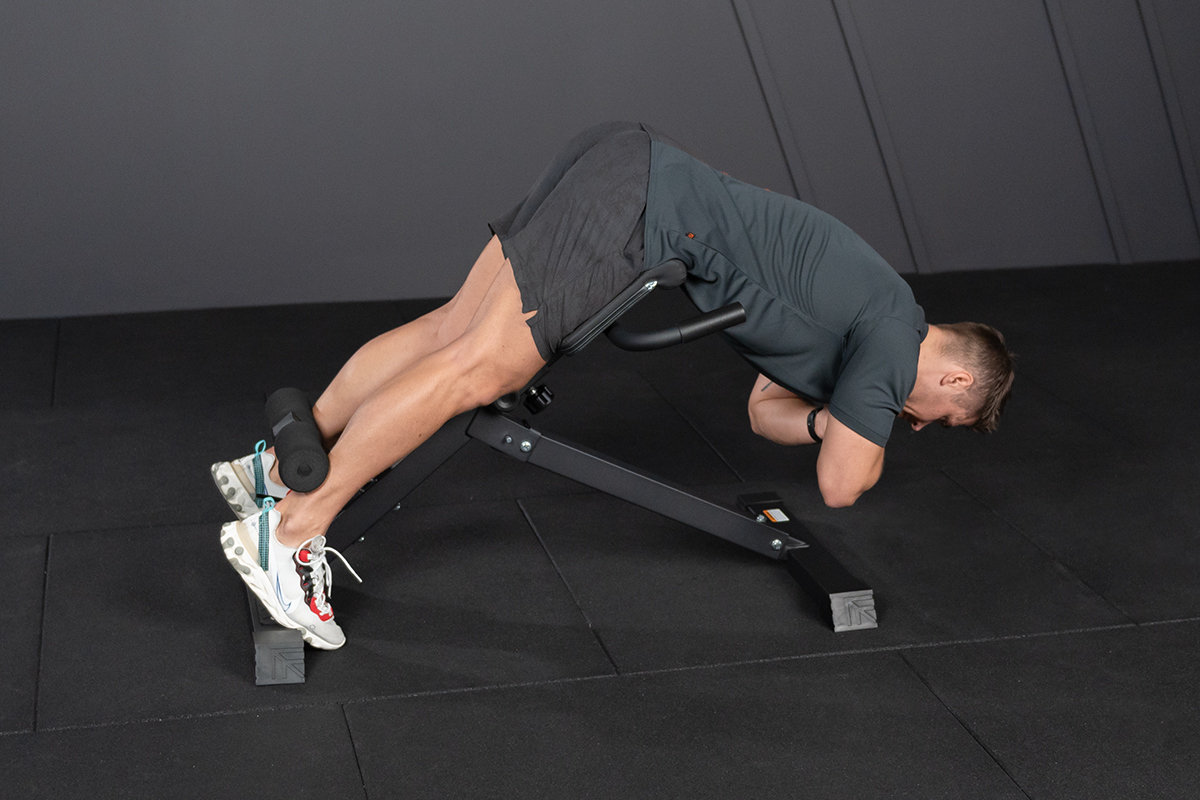
Frequently Asked Questions
How Often Should Beginners Use A Hyperextension Bench?
Beginners should use a hyperextension bench 2-3 times weekly. This frequency allows muscle adaptation and reduces injury risk. Start with low reps and gradually increase intensity for best results.
Can Daily Use Of A Hyperextension Bench Cause Injury?
Daily use can strain muscles and joints if done improperly. Rest days are crucial for recovery and muscle growth. Aim for 3-4 sessions per week to avoid overuse injuries.
What Is The Ideal Hyperextension Bench Frequency For Strength?
For strength gains, 3-4 times per week is ideal. This schedule balances training and recovery, promoting muscle growth and endurance. Consistency is key to maximizing benefits.
Should I Use A Hyperextension Bench On Rest Days?
It’s best to avoid intense hyperextension workouts on rest days. Rest days help muscles recover and prevent fatigue. Light stretching or mobility exercises are better options on those days.
Conclusion
Using a hyperextension bench regularly helps strengthen your lower back safely. Start with two or three sessions per week to avoid strain. Listen to your body and rest if you feel pain or tiredness. Consistency matters more than intensity for lasting results.
Combine this exercise with stretching and other workouts for balance. Small steps lead to strong, healthy muscles over time. Keep your routine simple and steady for best benefits.
