
Are you wondering how much weight you should use on a leg press machine? Choosing the right weight is key to getting stronger without risking injury.
Too light, and you won’t see results. Too heavy, and you could hurt yourself or lose proper form. You’ll discover simple tips to find the perfect weight for your leg press workout. Keep reading to unlock the secret to safe and effective leg training that fits your goals.

Factors Affecting Leg Press Weight
Choosing the right weight on a leg press machine depends on several factors. These factors help ensure safe and effective workouts. Understanding them can improve your exercise results and prevent injury.
Body Weight And Strength Level
Your body weight affects how much weight you can press. Heavier individuals may handle more weight but must focus on control. Strength level varies by person. Beginners should start light to build muscle safely. Stronger people can increase weight gradually for better gains.
Training Experience
Experience matters a lot in selecting leg press weight. New users need lighter weights to learn proper form. Experienced lifters can use heavier weights to challenge muscles. Gradual progress helps avoid strain and injury. Consistent practice builds strength and confidence.
Fitness Goals
Your goals influence the weight you choose. For muscle endurance, use lighter weight with more repetitions. For muscle growth, moderate to heavy weight with fewer reps works well. Strength training requires heavier weight with longer rest periods. Adjust weight based on what you want to achieve.
Safe Starting Weight
Choosing a safe starting weight on the leg press machine is key to a good workout. It helps protect your muscles and joints from injury. Starting too heavy can cause pain or strain. Too light, and you miss out on building strength.
Finding the right weight lets you focus on form and control. This builds a strong foundation for progress. Take your time to test and adjust the weight before pushing too hard.
Testing Your Baseline
Begin with a light weight you can press easily. Try about 50% of what you think is your max. Do 10 to 15 slow, controlled reps. You should feel effort but no pain. If it feels too easy, add a small amount of weight.
Stop increasing weight once you feel your muscles working hard but can still keep good form. This weight is your baseline. Use it for your first workouts to build strength and confidence.
Avoiding Common Mistakes
Do not rush to lift heavy weights. This often leads to poor form and injury. Avoid locking your knees at the top of the press. Keep a steady, controlled motion throughout the exercise.
Don’t ignore pain or discomfort. Lower the weight if you feel sharp pain. Remember, quality beats quantity. Focus on steady progress over time.
Progressive Overload Strategies
Progressive overload is key to building strength on the leg press machine. It means slowly increasing the weight or resistance over time. This challenge helps your muscles grow stronger and avoid plateaus.
Without progressive overload, your workouts may stop giving results. You need to push your muscles slightly harder as they adapt. This steady growth keeps your training effective and safe.
When To Increase Weight
Increase the weight when you complete your sets with ease. If your last reps feel easy, it’s time to add weight. Aim for a weight that lets you finish all reps but feels challenging at the end.
A good sign is when you can do more than your target reps. That means your muscles are ready for more stress. Avoid increasing weight too fast to prevent injury.
Small Increments For Steady Gains
Add weight in small steps, like 5 to 10 pounds. Small increases help your muscles adjust safely. This approach reduces the risk of injury and soreness.
Steady gains are better than pushing too hard and stopping progress. Keep track of your weights and reps to see your growth. Consistency is the secret to stronger legs.

Form And Technique Tips
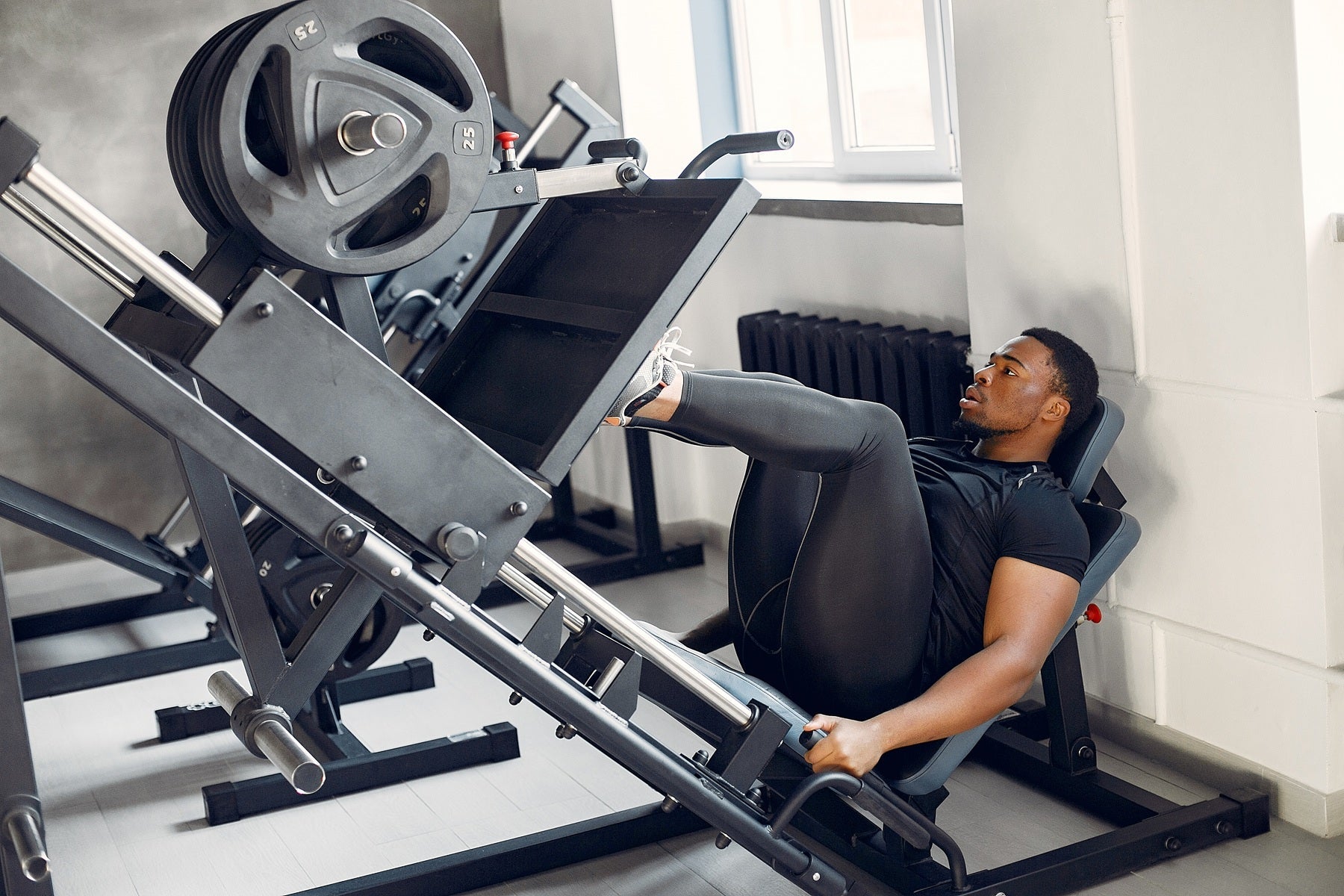
Using the right form and technique on the leg press machine helps you gain strength safely. Good form stops injuries and improves your workout results. Focus on body position and movement to get the most from each session.
Foot Placement Impact
Where you place your feet changes which muscles work hardest. A higher foot position targets your glutes and hamstrings more. A lower foot position puts more stress on your quads.
Keep your feet shoulder-width apart for balanced muscle use. Avoid placing feet too close or too wide to reduce knee strain. Press through your heels, not your toes, to protect your joints.
Knee And Back Safety
Bend your knees only to a 90-degree angle or slightly less. Going too low can strain your knee joints. Keep your back flat against the seat during every press.
Do not let your lower back lift off the pad. This prevents spine injuries. Use a controlled speed, pushing steadily without locking your knees at the top.
Signs You’re Using Too Much Weight
Using too much weight on the leg press machine can cause injuries. It also slows down your progress. Your body sends signals when the weight is too heavy. Learning to recognize these signs helps you stay safe and get stronger.
Pay attention to how your body feels and moves. Notice changes in your form and any unusual pain. These clues show that you may need to reduce the weight.
Poor Form Indicators
Bad form is a clear sign of too much weight. Your knees may wobble or collapse inward. Your lower back might lift off the pad. You could struggle to fully extend your legs.
These mistakes increase injury risk. They also reduce exercise effectiveness. Keeping proper form means you control the weight. Lower the weight if you cannot maintain good form.
Muscle Fatigue Vs. Pain
Feeling tired muscles is normal during exercise. This fatigue shows your muscles are working hard. But sharp or lasting pain is different. Pain may mean injury or strain.
Stop if you feel pain in your joints or muscles. Muscle soreness after a workout is okay. Pain during the workout is a warning. Use lighter weights to avoid harm and recover well.
Adjusting Weight For Different Goals
Adjusting the weight on a leg press machine depends on your fitness goals. Different goals require different weights and reps. Using the right weight helps you progress safely and effectively.
Strength Building
Choose a heavy weight that challenges your muscles. Lift with fewer reps, around 4 to 6 per set. This helps increase muscle power and size. Rest longer between sets for full recovery.
Muscle Endurance
Select a lighter weight you can lift many times. Aim for 12 to 20 reps per set. This trains your muscles to work longer without getting tired. Keep rest periods short to maintain stamina.
Rehabilitation
Use very light weights or just your body weight. Focus on slow, controlled movements to avoid injury. Increase weight gradually as strength improves. Listen to your body and avoid pain.
Expert Recommendations
Choosing the right weight on the leg press machine is key for safe and effective workouts. Experts offer clear advice to help you find the best load for your strength and goals. Their tips focus on safety, gradual progress, and paying attention to your body’s signals.
Consulting Professionals
Fitness trainers and physical therapists provide valuable guidance. They assess your fitness level and suggest suitable weights. They help avoid injury by setting realistic limits. Professionals can create a plan that fits your needs. Their advice ensures you build strength safely.
Listening To Your Body
Your body gives important clues during exercise. Feeling pain or discomfort means the weight is too heavy. Mild muscle soreness is normal after a workout. Stop or reduce weight if you feel sharp pain. Rest and recovery are as important as lifting weights.
Frequently Asked Questions
How Do I Determine The Right Leg Press Weight?
Start with a weight you can lift for 10-12 reps with good form. Increase gradually as strength improves. Avoid weights causing pain or poor technique to prevent injury.
Is Heavier Weight Better For Leg Press Gains?
Not always. Proper form and controlled movement matter more. Use weight challenging enough to fatigue muscles by the last rep without compromising technique.
How Often Should I Increase Leg Press Weight?
Increase weight every 1-2 weeks if you complete all reps easily. Progressive overload helps build strength safely. Listen to your body to avoid overtraining.
What Weight Is Safe For Beginners On Leg Press?
Beginners should start with light weight, around 30-50% of their body weight. Focus on mastering form first. Gradually add weight as confidence and strength grow.
Conclusion
Choosing the right weight for a leg press takes time and patience. Start light to learn proper form and avoid injury. Gradually add weight as your strength improves. Listen to your body; pain is a warning sign. Consistency matters more than lifting heavy right away.
Focus on controlled, steady movements for best results. Remember, progress comes from effort and smart choices. Stay safe, stay strong, and enjoy your workout journey.
