
If you’ve ever stepped into a gym or set up a home workout space, you’ve probably wondered: how much weight can a standard barbell actually hold? Knowing this is key to lifting safely and pushing your limits without risking injury.
Whether you’re just starting out or looking to increase your strength, understanding your barbell’s capacity helps you plan your workouts better. Keep reading, because we’re about to break down exactly what a standard barbell can handle—and what that means for your training goals.
Barbell Types And Sizes
Barbells come in different types and sizes. Each type suits different workouts and weight limits. Knowing the differences helps you choose the right barbell for your training goals. Size also affects how much weight a barbell can hold and how it feels during lifts.
Standard Vs Olympic Barbells
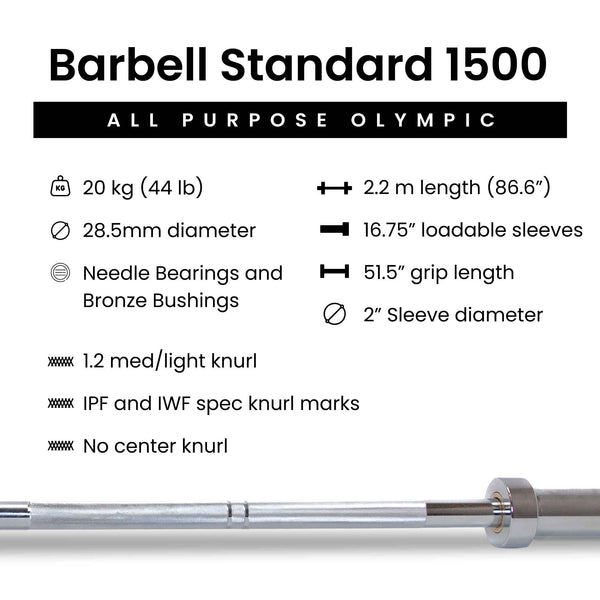
Standard barbells have a smaller diameter, usually 1 inch. They are lighter and often used for home workouts. Olympic barbells have a thicker shaft, about 2 inches, and spin on bearings. This makes them better for heavy lifts and fast movements. Olympic bars are common in gyms and competitions.
Common Barbell Lengths
Standard barbells are usually shorter, around 5 to 6 feet long. Olympic barbells are longer, about 7 feet for men and 6.5 feet for women. The length affects the bar’s balance and the space needed for exercises. Longer bars hold more plates and allow wider grips.
Weight Variations
Standard barbells weigh around 15 to 25 pounds. Olympic barbells typically weigh 44 pounds for men’s bars and 33 pounds for women’s bars. Some specialty bars can weigh more or less depending on purpose. Knowing bar weight helps track total load during workouts.
Material And Construction
The material and construction of a standard barbell play a big role in its strength and durability. These factors decide how much weight the barbell can safely hold. Quality materials and solid build keep the barbell from bending or breaking under heavy loads.
Each part of the barbell is made with care. The shaft, sleeves, and knurling all work together to give the best performance. Understanding these parts helps you pick the right barbell for your workout needs.
Steel Grades
Steel grade is a key factor in barbell strength. Higher grade steel means the bar can hold more weight without bending. Common grades range from 150,000 to 220,000 PSI tensile strength. The higher the PSI, the stronger the bar.
Most standard barbells use steel around 190,000 PSI. This balance offers good strength and some flexibility. Cheaper barbells might use lower grades, which can bend or wear out faster.
Knurling And Grip
Knurling refers to the rough patterns on the bar’s surface. It helps you hold the bar tightly during lifts. The right knurling prevents slipping and improves control.
Standard barbells have moderate knurling, enough for most exercises. Too rough knurling can hurt your hands. Too smooth makes it hard to keep a firm grip. Good knurling balances comfort and function.
Sleeve Design
The sleeves hold the weight plates and allow them to spin smoothly. This spinning reduces stress on your wrists during lifts. Sleeve design affects how much weight the bar can hold safely.
Standard barbells use sleeves with bushings or bearings. Bushings are simple and cost-effective. Bearings offer smoother rotation but cost more. Both types help protect the bar and your joints.
Weight Capacity Factors
Weight capacity is a key factor for any standard barbell. It shows how much weight the bar can safely hold. Several factors affect this capacity. Understanding these helps you pick the right barbell for your workouts.
Each factor plays a role in strength and durability. Some are about the metal itself, while others focus on the bar’s size and shape. Knowing these details keeps you safe and improves your training.
Tensile Strength
Tensile strength measures how much pulling force a barbell can handle. It shows the bar’s resistance to breaking under heavy loads. Bars with higher tensile strength hold more weight. Steel quality often determines this number.
Yield Strength
Yield strength tells when a barbell starts to bend permanently. Below this limit, the bar returns to its original shape after use. Exceeding this causes the bar to warp or break. A higher yield strength means a tougher barbell.
Bar Diameter
The thickness of the bar affects its weight capacity. Thicker bars tend to be stronger and more rigid. Common diameters range from 25mm to 29mm. A larger diameter helps resist bending under heavy weight.
Typical Weight Limits
Typical weight limits for barbells vary by type and design. Knowing these limits helps you choose the right barbell for your workout. It also ensures safety during lifting. Weight capacity depends on the materials and construction of the barbell. Below, we explore common load limits for different barbells.
Standard Barbell Load Limits
Standard barbells usually hold between 300 to 500 pounds. These bars are common in home gyms and light training. They have a thinner shaft and smaller sleeves. The load limit suits beginners and casual lifters. Overloading can bend or damage the bar. Always check the bar’s specifications before use.
Olympic Barbell Load Limits
Olympic barbells are built for heavy lifting. They typically hold 1,000 to 1,500 pounds. These bars have thicker shafts and stronger steel. They also have rotating sleeves to reduce stress. Olympic bars are used in competitions and serious training. Their high capacity supports heavy squats, deadlifts, and presses.
Specialty Bars
Specialty bars include trap bars, safety squat bars, and others. Their weight limits vary widely. Some hold as little as 400 pounds, others up to 1,200 pounds. Design and purpose affect the bar’s strength. Always verify the load capacity before lifting. Specialty bars offer unique benefits for certain exercises.
Safety Tips For Loading Barbells
Loading a barbell safely is key to avoiding injuries and equipment damage. Proper steps help keep you and others safe during workouts. Small habits make a big difference.
Even Weight Distribution
Place weight plates evenly on both sides of the barbell. Uneven loading causes imbalance and can lead to accidents. Make sure the plates match in size and weight on each side. Check twice before lifting to keep the bar steady.
Collars And Clips
Always use collars or clips to secure weight plates. These prevent plates from sliding off during lifts. Sliding plates can cause loss of control and injury. Tighten collars firmly every time you load the barbell.
Inspecting The Barbell
Look over the barbell before adding weight. Check for bends, cracks, or rust that can weaken it. Make sure sleeves spin freely to reduce stress on your wrists. Replace damaged bars to keep training safe and effective.

Signs A Barbell Is Overloaded
Signs a barbell is overloaded show you when the weight is too much. This is important for safety and to protect your equipment. Overloading can cause damage or injury. Knowing these signs helps you avoid problems and keep your workouts safe.
Visible Bending
One clear sign is visible bending of the barbell. The bar should be straight when not in use. If it curves or bends under weight, it means the load is too heavy. This bending can weaken the bar and cause it to break later.
Unusual Noises
Listen for unusual noises during lifts. Sounds like creaking, popping, or cracking are warning signs. These noises often mean the barbell or collars are under too much stress. Ignoring these sounds can lead to sudden failure.
Wear And Tear
Check for signs of wear and tear on the barbell. Scratches, rust, or dents show damage from heavy use. Overloading speeds up this damage. Regular inspection helps spot issues early before serious damage occurs.
Maintaining Barbell Strength
Maintaining the strength of your barbell is key to safe and effective workouts. A well-kept barbell lasts longer and holds more weight. Regular care stops damage and keeps the barbell in top shape. Simple steps can protect your investment and improve your lifting experience.
Cleaning And Rust Prevention
Wipe your barbell after each use to remove sweat and dirt. Use a dry cloth or a light oil spray to protect the metal. Avoid water or harsh chemicals that cause rust. Store the barbell in a dry place to keep moisture away. Rust weakens the bar and makes it unsafe.
Storage Best Practices
Store the barbell horizontally on a rack or vertically in a stand. Keep it off the floor to prevent damage and dirt buildup. Avoid placing heavy objects on the barbell. A clean, dry, and secure storage space helps maintain its strength. Proper storage stops bending and warping.
Regular Inspections
Check your barbell often for signs of damage or wear. Look for bends, cracks, or loose parts. Spin the sleeves to ensure smooth movement. Tighten any loose screws or collars. Early detection of issues prevents accidents and costly repairs.
Choosing The Right Barbell For Your Needs
Choosing the right barbell for your needs is important for safe and effective workouts. Not all barbells are the same. Different barbells support different weights and suit different exercises. Knowing your goals and limits helps you pick the best one. Here are some key points to consider.
Training Goals
Your training goals guide your barbell choice. For strength training, a barbell that holds heavy weight is needed. For lighter workouts or cardio, a lighter barbell works fine. Some barbells are designed for specific exercises like Olympic lifting or powerlifting. Choose one that fits your routine.
Budget Considerations
Barbells vary in price. Higher-priced barbells often hold more weight and last longer. Budget barbells may suit beginners or casual users. Consider how often you will train. Spending more can be worth it if you train regularly. Find a balance between quality and cost.
Durability Requirements
Durability is key for long-term use. Steel bars with good finishes resist rust and damage. A durable barbell keeps its shape and holds weight safely. Check the maximum weight rating before buying. A strong barbell ensures safety and supports your progress.
Frequently Asked Questions
How Much Weight Can A Standard Barbell Hold?
A standard barbell typically holds up to 300 to 500 pounds safely. Weight capacity depends on bar quality and materials used.
What Is The Weight Of A Standard Barbell?
A standard barbell usually weighs 45 pounds (20. 4 kg). This is the typical weight for Olympic and powerlifting bars.
Are All Barbells Weight Capacities The Same?
No, weight capacities vary by bar type, brand, and construction. Check manufacturer specs before lifting heavy weights.
Can A Standard Barbell Hold Olympic Plates?
Yes, standard barbells can hold Olympic plates if the sleeve diameter matches. Most Olympic bars fit 2-inch plates.
Conclusion
A standard barbell holds around 300 to 700 pounds. This depends on the bar’s type and quality. Most gym barbells support about 450 pounds safely. Knowing this helps you plan your workouts better. Always check the barbell’s weight limit before lifting.
Stay safe and lift smart to avoid injury. Choose the right barbell for your strength level. Keep your focus on steady progress and good form. Weight limits matter, but your technique matters more.
