Are you wondering how many reps you should do on the leg press to get the best results? Whether your goal is to build strength, tone your legs, or boost endurance, the number of reps you choose can make a big difference.
But with so much advice out there, it’s easy to feel confused or stuck. This article will clear up the mystery and help you find the perfect rep range tailored just for you. Keep reading to discover how to get the most out of your leg press workouts and reach your goals faster.
Leg Press Basics
The leg press is a popular exercise for building lower body strength. It uses a machine to push weight with your legs. This exercise is safer than free weights for many people. It helps improve muscle tone and endurance.
Understanding the leg press basics can improve your workout results. Knowing the muscles involved and machine types can guide your training. It also helps you choose the right number of reps for your goals.
Muscle Groups Targeted
The leg press mainly works the quadriceps. These are the big muscles on the front of your thighs. It also targets the gluteus muscles in your buttocks. The hamstrings, at the back of your thighs, get some work too.
Calf muscles assist during the push phase. The exercise strengthens your knees and hips. This makes it useful for everyday movements like walking and climbing stairs.
Types Of Leg Press Machines
There are different leg press machines in gyms. The most common is the sled-type leg press. You push a weighted platform away from your body. It allows for a natural leg movement path.
The seated leg press machine uses a seat and footplate. This version gives more back support. The vertical leg press has you push weight straight up. It puts more focus on your quads.
Each machine type changes the angle and muscle focus slightly. Choosing one depends on comfort and your workout plan.

Rep Ranges And Goals
Rep ranges on the leg press affect your workout results. Different goals need different numbers of repetitions. Choosing the right rep range helps you build strength, grow muscle, or improve endurance. Understanding these ranges guides your training and speeds progress.
Strength Building Reps
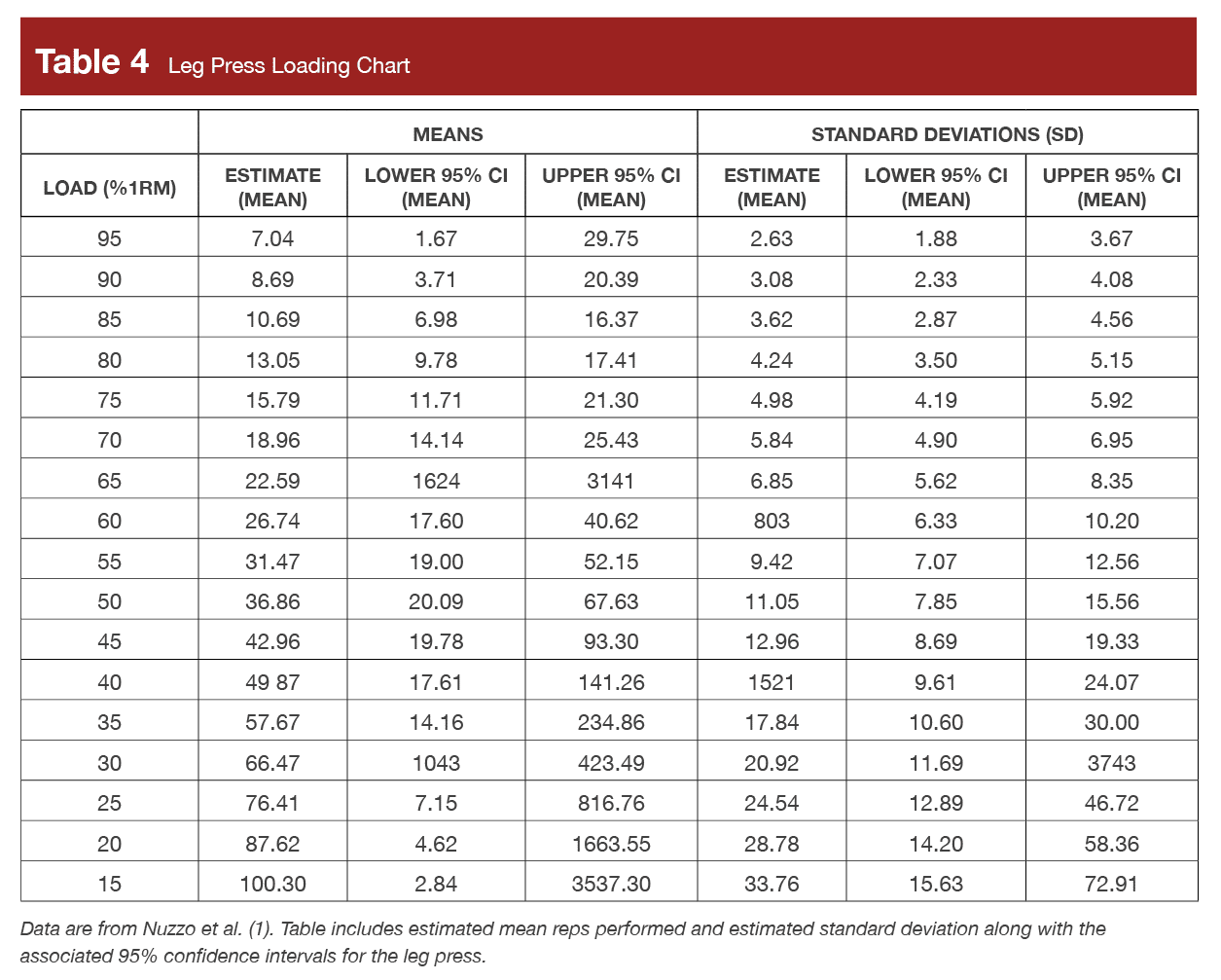
For strength, use low reps with heavy weight. Aim for 3 to 6 reps per set. This range trains your muscles to lift maximum force. Rest longer between sets to recover fully. Strength reps increase power and support heavier lifts.
Muscle Hypertrophy Reps
To build muscle size, do 8 to 12 reps per set. Use a moderate weight that challenges you. This range causes muscle fibers to grow bigger. Keep rest between sets around 30 to 60 seconds. Hypertrophy reps help shape and tone your legs.
Endurance Focused Reps
For endurance, choose lighter weight and higher reps. Perform 15 to 20 reps or more per set. This trains your muscles to work longer without fatigue. Short rest times keep your heart rate up. Endurance reps improve stamina and overall leg function.
Choosing The Right Weight
Choosing the right weight for the leg press is key to a safe and effective workout. The weight affects how many reps you can do and how your muscles grow. Picking a weight too light means no challenge. Too heavy can cause injury or poor form. Find a balance that helps you build strength and avoid pain.
Finding Your Starting Load
Start with a light weight to test your strength. You should feel the effort but still keep good form. Try doing 10 to 12 reps. If you finish easily, increase the weight a little. If you struggle to complete 8 reps, lower the weight. Your goal is a weight that feels tough but doable.
Adjusting Weight For Progress
As your muscles get stronger, increase the weight slowly. Add small amounts to avoid injury. Keep challenging yourself by raising the weight every two weeks. If you cannot finish your reps, reduce the weight. Listen to your body and stay consistent. Progress comes with steady, smart adjustments.

Proper Leg Press Technique
The leg press is a powerful exercise for building leg strength. Using the right technique prevents injury and improves results. Proper form also helps target the right muscles effectively. Focus on controlled movements and steady breathing. Keep your back and hips firmly against the seat. Avoid locking your knees at the top of the movement. Lower the platform slowly until your knees form about a 90-degree angle. This keeps tension on your muscles and protects your joints.
Foot Placement Variations
Your foot placement changes which muscles work the most. Placing feet higher on the platform targets your glutes and hamstrings more. A lower foot position focuses on your quads. Feet wider than shoulder-width spread targets inner thighs. Narrow stance works outer quads more. Keep feet flat and heels pressed down. Avoid lifting your heels during the press. Adjust foot position slowly to find what feels best.
Avoiding Common Mistakes
Many people make mistakes on the leg press. Do not let your lower back lift off the seat. This can cause strain or injury. Avoid locking your knees at full extension. It puts too much pressure on your joints. Do not let your knees collapse inward. Keep them aligned with your feet. Control the movement speed, especially lowering the platform. Do not rush through reps. Use a weight you can handle with good form.
Reps, Sets, And Rest Periods
Reps, sets, and rest periods are key parts of any leg press workout. They help shape your strength, size, and endurance. Choosing the right numbers depends on your fitness goals. Understanding how many reps to do, how many sets to complete, and how long to rest can boost your results. Let’s explore these elements in detail.
Optimal Sets For Different Goals
For muscle growth, aim for 3 to 5 sets per session. Each set should have 8 to 12 reps. This range stresses muscles enough to encourage growth.
To build strength, perform 4 to 6 sets with 4 to 6 reps. Use heavier weights to challenge your muscles. Fewer reps with more weight help increase power.
For endurance, try 2 to 4 sets of 15 to 20 reps. Lighter weights and higher reps improve muscle stamina. This approach helps your legs last longer during activity.
Rest Time Between Sets
Rest periods affect how well you recover and perform the next set. For muscle growth, rest 30 to 60 seconds between sets. Short breaks keep muscles working hard.
Strength training needs longer rest. Take 2 to 3 minutes between sets. This lets your muscles recover for heavy lifting.
Endurance workouts require short rests. Rest 15 to 30 seconds to keep muscles active. This helps build stamina and improves endurance.
Incorporating Leg Press Into Your Routine
The leg press is a strong tool for building leg muscles. It targets the quads, hamstrings, and glutes with controlled movement. Adding it to your workout helps improve strength and balance in your legs.
To get the best results, include the leg press with other exercises. This creates a well-rounded routine that works all parts of your legs. Proper planning ensures steady progress and reduces injury risk.
Balancing With Other Leg Exercises
Pair leg press with squats, lunges, or deadlifts. These exercises use different muscles and movement patterns. This balance helps your legs grow evenly and stay strong.
Don’t rely only on the leg press. It is a great machine, but free weights and bodyweight exercises improve coordination and stability. Mixing these keeps workouts fresh and effective.
Frequency And Recovery
Train legs 2 to 3 times a week. This allows muscles to recover and grow stronger. Overworking can cause pain and slow progress.
Rest days are just as important as training days. Your muscles repair and build during rest. Listen to your body and give it time to heal.
Signs You Need To Adjust Reps
Knowing when to change your leg press reps helps improve your workout. It keeps your muscles growing and avoids injury. Watch for clear signs that your current rep count is not right anymore. Adjusting reps at the right time leads to better strength and endurance.
Plateaus And Progress Tracking
Stuck at the same weight or reps for weeks? That’s a plateau. Your muscles need a new challenge to grow. Track your progress every session. Note how many reps you do and how much weight you use. If you see no improvement, it may be time to change reps. Changing reps breaks plateaus and helps you get stronger.
Listening To Your Body
Your body tells you when reps are too hard or too easy. Feeling extreme fatigue or pain is a warning. Also, if the exercise feels too easy, your muscles are ready for more reps. Adjust your reps based on how your body feels. Safe and effective training depends on listening to your body’s signals.
Frequently Asked Questions
How Many Leg Press Reps Build Muscle Best?
For muscle growth, aim for 8 to 12 reps per set. Use a challenging weight and focus on proper form. This rep range effectively stimulates muscle hypertrophy and strength gains.
What Is The Ideal Rep Range For Leg Press Endurance?
To boost muscular endurance, perform 15 to 20 reps per set with lighter weight. This improves stamina and muscle conditioning without excessive strain.
How Many Sets And Reps For Leg Press Strength?
For strength gains, do 4 to 6 reps per set with heavy weight. Complete 3 to 5 sets for optimal results while maintaining good technique.
Should I Vary Leg Press Reps For Better Results?
Yes, varying reps between low (4-6), moderate (8-12), and high (15-20) helps target different muscle fibers. This variety prevents plateaus and enhances overall leg development.
Conclusion
Choosing the right number of reps on the leg press helps you reach your goals. For strength, fewer reps with heavier weight work best. For muscle growth, aim for moderate reps with medium weight. To build endurance, try higher reps with lighter weight.
Always listen to your body and rest when needed. Keep your form correct to avoid injury. Changing reps over time can improve your results. Stay consistent and patient. Progress takes time and effort. Your leg press routine should fit your fitness level and goals.
