
Determining exactly how long does it take to improve cardio endurance depends heavily on your current fitness baseline and your commitment to consistency. Most beginners notice significant physiological shifts within two weeks of regular activity. These initial changes typically focus on movement efficiency and heart rate stabilization during exercise.
As of 2026, researchers emphasize that structural heart changes and increased mitochondrial density require several months of dedicated effort. Consistent, moderate-intensity training remains the gold standard for long-term health improvements. We have gathered data on how these adaptations occur over time to help you set realistic goals for your own journey.

Today's Exclusive Deals
Limited-time Exclusive Deals. Check current discount on Amazon.
Check Price on Amazon As an Amazon Associate I earn from qualifying purchases.
Quick Answer
Significant endurance gains usually take four to eight weeks. Beginners see rapid progress within the first fourteen days. Longer-term changes like increased heart stroke volume take months.
Consistent training frequency dictates your overall speed of improvement. Patience is vital for lasting physiological adaptation.
The Reality of Aerobic Adaptation: Why Progress Isn't Linear
Improving your cardiovascular endurance is not a straight line where every session makes you faster or stronger. You will experience periods of rapid growth followed by plateaus where your body catches up to the stress you have applied. This pattern of stress and recovery is essential for the heart to remodel itself.
If you are just starting, your first few weeks will feel difficult because your muscles and cardiovascular system are learning to coordinate. You might find that our favourite picks for home equipment make this learning curve more manageable by providing a controlled environment. Once that initial clumsiness fades, you enter a phase of steady improvement.
Remember that progress often happens in the background. You may not feel faster every day, but your body is quietly increasing your blood plasma volume. This allows your heart to pump more oxygen-rich blood to your working muscles with every beat.
This adaptation is a core reason why a reliable machine helps keep you on a consistent, sustainable track.
How Your Body Builds Endurance: From Plasma to Mitochondria
Your body builds endurance by becoming more efficient at capturing, transporting, and using oxygen. In the first month, your blood volume increases, which helps keep your heart rate lower during exercise. Over time, your muscles develop higher mitochondrial density, essentially increasing your cellular power plants for burning fuel.
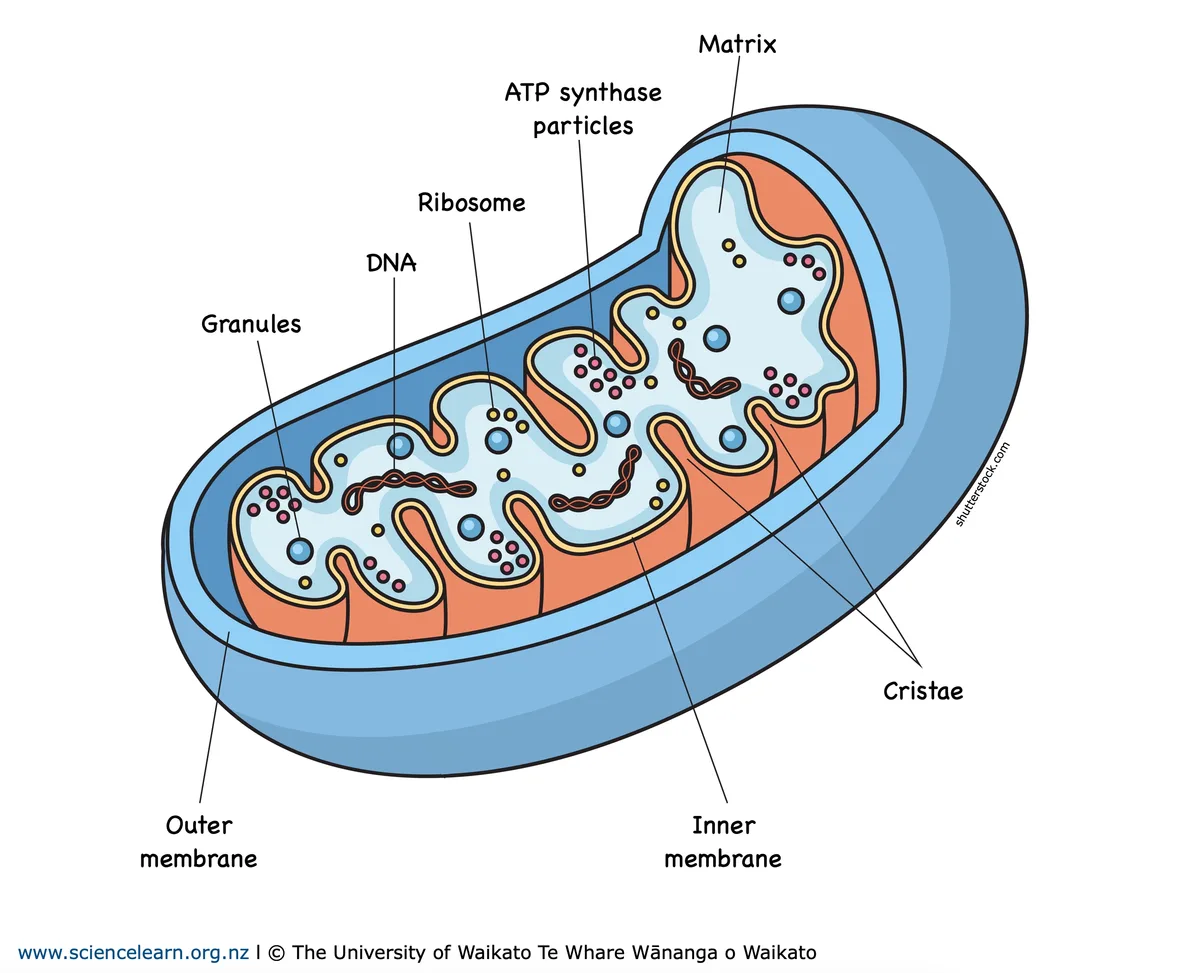
When you train consistently, your heart undergoes specific structural changes. The left ventricle increases slightly in size, allowing it to hold more blood and pump it out with more force per contraction. This is why trained athletes often have much lower resting heart rates compared to sedentary individuals.
You can learn more about these physical activity guidelines from the official CDC resources.
Using a high-quality treadmill at home allows you to track these metrics over time. As these cellular changes take hold, you will notice that you can maintain a higher level of work without reaching your anaerobic threshold. This transition is less about burning calories and more about building the internal capacity to handle stress.
Identifying Your Starting Point and Realistic Expectations
Your starting point dictates how quickly you will see change. If you have been inactive, your body is a blank canvas and will respond quickly to even light, consistent movement. If you are already active, your gains will be more incremental and require higher levels of stimulus.
| Baseline Status | Expected Timeline for Initial Gains | Primary Focus |
|---|---|---|
| Sedentary | 2–4 weeks | Consistency and habit building |
| Moderately Active | 6–8 weeks | Increasing duration and load |
| Advanced Athlete | 3–6 months | Threshold and interval training |
Understanding your own stage is vital. A beginner might see massive improvements just by walking for 20 minutes daily, whereas an athlete needs complex programming to move the needle. Choosing a durable option that accommodates your specific needs ensures you don't stall early due to equipment limitations.
Always listen to your body rather than chasing an arbitrary timeline found in magazines. If you are struggling with a specific type of movement, routine upkeep of your training schedule is more important than pushing through extreme pain. You are looking for a sustainable pace that moves you forward without causing burnout or injury.
The Training Variables That Actually Move the Needle
To move the needle on your endurance, you must manipulate three primary variables: frequency, intensity, and time. Frequency is often the most important for beginners, as it establishes the habit and neurological patterns required for endurance. Trying to do too much, too fast, is the most common reason people give up on their goals.
Intensity is the next lever. You should spend the majority of your time in lower heart-rate zones, which builds the base of your aerobic engine. If you want to refine your approach, proper engine servicing by adjusting your intensity zones allows you to target your energy systems more accurately.
High-intensity work has its place, but it should represent only a small fraction of your total training volume.
Finally, consider the duration of your sessions. Increasing the time spent in motion, even at a slow, conversational pace, gradually builds the structural capacity of your tendons and heart. Whether you are using a silent pick for gentle daily sessions or doing more vigorous workouts, the total volume of work per week is a key driver of long-term cardiovascular progress.
Avoiding the Overtraining Trap and Managing Recovery
Your body only improves when it is allowed to recover from the stress of training. If you skip recovery, you deny your system the opportunity to rebuild stronger. Signs like a persistently elevated resting heart rate, poor sleep, and increased irritability are common red flags that you are pushing too hard without sufficient downtime.
You should aim to include at least one or two rest days per week, especially when you are increasing your mileage or intensity. A deload week every fourth or fifth week can also work wonders for performance. During this period, reduce your total exercise volume by roughly 30% to 50%.
This gives your connective tissues and nervous system the break they need to absorb the training stress.
If you find that managing fluid engine levels of your training intensity feels wrong, don't be afraid to back off. It is better to do slightly less work consistently than to do a massive amount of work followed by an unplanned two weeks off due to fatigue. Focus on quality movement and steady progression rather than intensity for its own sake.
Data-Driven Tracking: How to Tell if You’re Improving
Tracking metrics provides objective feedback that keeps you from guessing. One of the best ways to measure progress is to monitor your heart rate at a fixed intensity over time. If you run at 5 mph and your heart rate is 150 bpm today, but it is 142 bpm while performing the same effort in a month, you have made a tangible aerobic improvement.
Most modern equipment provides heart rate monitoring, which makes it simple to observe these shifts. Whether you are using a top-rated machine or a simple heart rate strap, the goal is to see your heart rate recover faster after you finish a hard effort. This is often called heart rate recovery, and it is a reliable indicator of cardiovascular health.
Maintain a simple logbook or use a digital app to track your sessions. Focus on:
- Average heart rate for consistent paces.
- Total weekly time spent in aerobic zones.
- Your perceived exertion levels for standard workouts.
- The speed or incline achieved for a target heart rate.
Common Pitfalls That Stunt Your Aerobic Progress
The most common mistake is training too hard, too often. Many people mistake "hard" for "effective," but doing every workout at a near-maximal effort actually hinders your aerobic development. You end up too fatigued to train consistently, which creates a cycle of stop-and-start progress.
Another trap is failing to adjust your plan as you get fitter. If you do the same 30-minute walk at the same pace for six months, your body eventually reaches a state of homeostasis. You must apply progressive overload by slightly increasing duration, intensity, or frequency.
When you reach a point where your current setup feels easy, it is a signal to increase the challenge.
Nutritional and hydration deficits also play a major role in stalled progress. Your body requires consistent fuel to build new mitochondrial density and support heart remodeling. Ignoring your fueling needs can make every session feel like a battle, eventually leading to a plateau or burnout.
Comparison: Steady State vs Interval Training
Deciding between steady-state cardio and interval training depends on your specific goals and time availability. Steady-state work involves keeping your heart rate in a consistent, moderate zone for 30 to 60 minutes. This approach is ideal for building a deep aerobic base and improving fat oxidation without putting excessive strain on your nervous system.
High-intensity interval training requires short bursts of near-maximal effort followed by periods of rest. This method is highly efficient for increasing your VO2 max and anaerobic threshold in shorter timeframes. Many people find success by alternating these two styles, using steady-state sessions for long-term health and interval sessions to sharpen performance.
| Training Style | Best For | Recovery Time |
|---|---|---|
| Steady State | Base endurance | 24 hours |
| Interval Training | Speed and VO2 max | 48 to 72 hours |
| Mixed Methods | Well-rounded fitness | 24 to 48 hours |
If you have limited time, prioritize interval sessions to get more bang for your buck. If you are prone to injury or are just starting, stick to steady-state work to let your joints and tendons adapt first. You can always increase intensity later as your cardiovascular system catches up.
Real Scenarios: Tracking Progress Over Three Months
Case studies show that a sedentary person who begins a program sees the most dramatic shifts in the first twelve weeks. In month one, the focus is purely on consistency. During this time, users often report feeling less winded during basic daily tasks like climbing stairs.
By month two, the focus shifts to increasing the challenge. This is when users typically introduce more incline or slightly longer durations to their workouts. You might find that the ultimate guide helps you structure these sessions for better results.
Your heart rate recovery time often drops noticeably during this phase.
In the third month, the body achieves a level of trained status where exercise feels more like a habit than a struggle. Cardiovascular efficiency is high, and the user can sustain work for longer periods without extreme fatigue. Remember that even if the scale doesn't move, your internal health markers are significantly changing for the better.
Final Decision Guide for Your Fitness Journey
You should structure your program based on your current lifestyle rather than trying to force an elite-level routine into a busy schedule. If you are a beginner, focus entirely on frequency to build the habit. Do not worry about speed or high intensity until you have established a consistent routine of at least three months.
If you are an experienced trainee, use intensity to break through your current performance plateaus. Incorporating specific interval work once or twice a week is usually enough to drive further gains. If you feel stale or unmotivated, our expert solutions suggest changing the type of movement to keep your training fresh.
Always monitor how you feel the day after a hard session. If you are consistently drained, your intensity is likely too high for your current recovery capacity. Trust the process, keep the majority of your effort at a conversational pace, and prioritize the long-term view over short-term spikes in performance.
Frequently Asked Questions About Building Cardio Capacity
How often should I train to see results?
Aim for three to five sessions per week to build endurance effectively. Consistent, moderate activity is more beneficial than one or two infrequent, high-intensity workouts. Start where you are comfortable and gradually increase your weekly frequency as your body adapts to the demands of your chosen activity.
Is heart rate zone training necessary?
Zone training is a helpful tool but not strictly mandatory for progress. It provides a structured way to ensure you are training at the right intensity for your specific goals. Staying in lower zones for most of your training builds a solid aerobic base, which prevents unnecessary exhaustion during sessions.
Can I improve cardio if I have limited time?
Yes, you can still improve with short, frequent sessions if you focus on intensity. High-intensity interval training, or HIIT, can improve your VO2 max in less total time than steady-state work. However, you must prioritize proper recovery between these sessions to avoid excessive strain on your cardiovascular system.
Does walking count as cardio?
Walking is an excellent form of cardiovascular exercise, especially for beginners or those managing joint health. It is highly sustainable and carries a lower risk of injury than high-impact activities. As you get fitter, you can increase the intensity by walking on an incline or increasing your speed.
When should I see a doctor?
Consult a professional if you experience chest pain, dizziness, or unusual shortness of breath during exercise. It is also wise to seek medical clearance before starting a new program if you have a history of cardiovascular issues. Always prioritize safety over the desire for immediate physical gains.