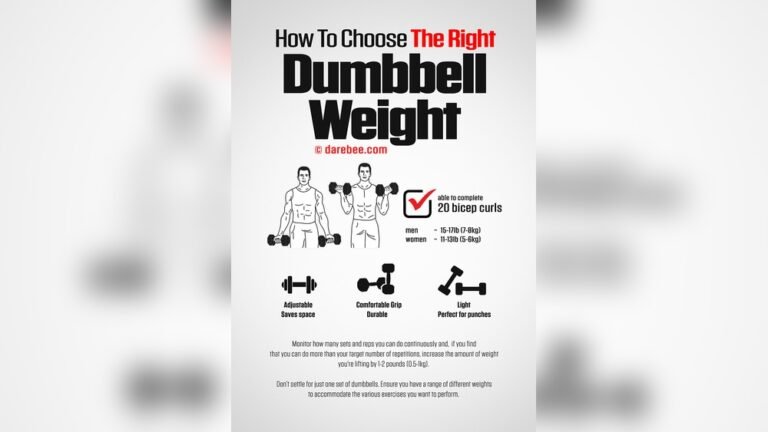
Choosing the right dumbbell weight can make all the difference in your workout results. You might wonder, “How heavy should dumbbells be for me?” Picking weights that are too light won’t challenge your muscles, while going too heavy can lead to injury.
You’ll discover simple tips to find the perfect dumbbell weight for your goals, whether you want to build strength, tone up, or improve endurance. Keep reading, and you’ll learn how to make every rep count—safely and effectively.
Choosing The Right Dumbbell Weight
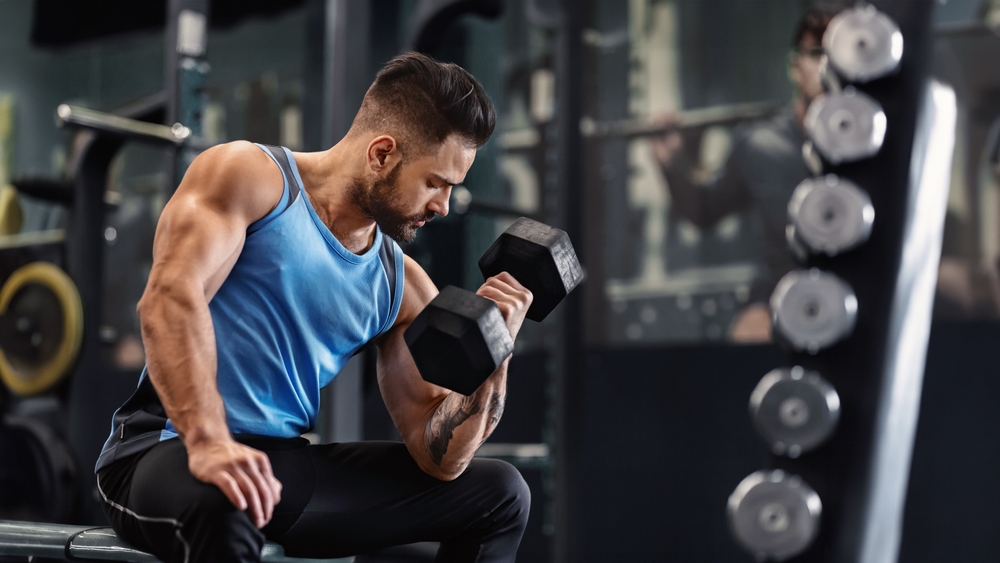
Choosing the right dumbbell weight is key to a safe and effective workout. Picking weights that are too heavy can cause injury. Weights that are too light may not help build strength. The goal is to find a weight that challenges the muscles without causing strain. This section helps you understand how to select the perfect dumbbell weight for your needs.
Factors Influencing Dumbbell Weight
Different things affect the dumbbell weight you should choose. Your workout type matters. For example, lifting for endurance needs lighter weights. Strength training requires heavier dumbbells. The muscle group you target also plays a role. Larger muscles like legs can handle heavier weights than smaller muscles like arms. Age and gender can influence your strength and weight choice too.
Assessing Your Fitness Level
Knowing your fitness level helps you pick the right dumbbell weight. Beginners should start with lighter weights to learn proper form. This reduces injury risk. Intermediate and advanced users can use heavier weights for more challenge. Testing your strength with different weights can guide your choice. Choose a weight that allows you to complete your reps with good form but feels challenging by the end.
Setting Realistic Strength Goals
Clear goals help determine dumbbell weight. If the goal is muscle tone, lighter weights with more reps work well. For muscle growth, heavier weights with fewer reps are better. Strength goals vary by person. Start with small steps and increase weight gradually. Tracking progress ensures steady improvement without pushing too hard.
Weight Guidelines For Beginners
Choosing the right dumbbell weight is important for beginners. It helps avoid injury and builds strength safely. Starting with proper weights makes workouts effective and enjoyable. This section covers basic weight guidelines for beginners to follow.
Starting Light For Safety
Begin with light dumbbells to protect your muscles and joints. Light weights help you learn correct form and control. Using heavy dumbbells too soon can cause strains or pain. Choose a weight that feels easy to lift for 12 to 15 repetitions.
Progressive Weight Increases
Increase dumbbell weight gradually as you get stronger. Add small amounts of weight to challenge your muscles. Progress slowly to avoid injuries and plateaus. Track your strength gains and raise weights every few weeks.
Common Mistakes To Avoid
Do not lift weights that cause sharp pain or discomfort. Avoid swinging dumbbells or using poor posture. Do not rush to increase weight without mastering form. Skipping warm-ups or cooling down can also lead to injuries.
Intermediate And Advanced Weight Selection
Choosing the right dumbbell weight grows more complex at intermediate and advanced stages. Your muscles adapt and need stronger challenges. Using the right weight improves strength without risking injury. It also keeps workouts fresh and engaging.
Determining Challenging Loads
Select weights that allow 8 to 12 clean reps. The last few reps should feel tough but doable. Avoid weights that cause poor form or pain. Test different weights to find your ideal challenge. Track progress by increasing weights gradually over time.
Balancing Strength And Endurance
Heavier weights build strength quickly. Lighter weights with more reps improve endurance. Mixing both helps total fitness. Alternate heavy and light sessions weekly. This balance prevents plateaus and boosts overall muscle health.
Incorporating Variety In Training
Change dumbbell weights during workouts. Use heavy weights for compound moves like squats. Use lighter weights for isolation exercises like curls. Variety targets muscles differently and avoids boredom. It also reduces injury risk by not overloading the same muscles.
Dumbbell Weight By Exercise Type
Choosing the right dumbbell weight varies by exercise type. Different exercises target different muscles. Each muscle group needs a different weight for best results. Picking the right weight helps avoid injury and improves strength.
Upper Body Exercises
Upper body exercises include bicep curls, shoulder presses, and chest flies. Use lighter weights for these exercises. Start with 5 to 15 pounds dumbbells. Focus on form and control. Increase weight only if you can do 12 to 15 reps easily. This builds muscle without straining joints.
Lower Body Exercises
Lower body exercises include squats, lunges, and deadlifts. These use larger muscle groups. Use heavier dumbbells here. Start with 15 to 30 pounds or more. The legs and glutes are stronger and handle more weight. Use weights that challenge you but keep good form.
Core And Stability Movements
Core exercises target abs and lower back. Stability moves improve balance and control. Use light to moderate dumbbells. Start with 3 to 10 pounds. Heavy weights can hurt your back during these moves. Focus on slow, steady movements for best results.
Signs You Should Adjust Dumbbell Weight
Knowing when to change your dumbbell weight is key for steady progress. Using the right weight helps you build strength safely. Too light or too heavy can slow your results or cause injury.
Watch your body closely during workouts. It sends clear signals about the weight’s fit. Adjusting weight at the right time keeps your training effective and fun.
When To Increase Weight
Finish your sets without much effort? You may need heavier dumbbells. If the last reps feel easy, your muscles need more challenge. Increasing weight helps build strength faster. It avoids plateaus in your training progress.
When To Decrease Weight
Struggle to finish reps with good form? Drop to lighter dumbbells. Pain or sharp discomfort are signs to lower the weight. Using too heavy dumbbells can cause injury. Lighter weight lets you focus on control and technique.
Listening To Your Body
Your body knows best. Muscle fatigue is normal but sharp pain is not. Rest if you feel unusual soreness or joint pain. Adjust weight based on how you feel each session. Consistent listening helps prevent injury and keeps workouts safe.
Safety Tips For Dumbbell Training
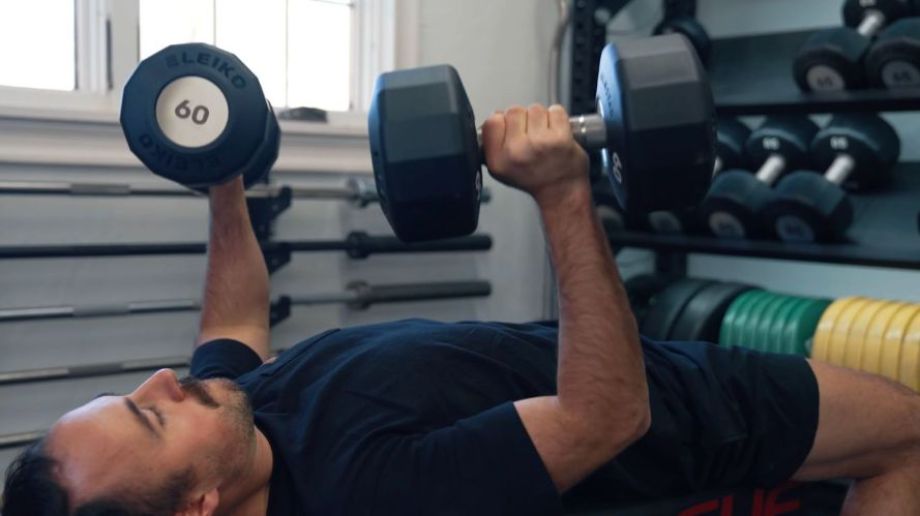
Safety is key during dumbbell training. Proper care prevents injuries and helps maintain steady progress. Follow simple tips to protect your body and enjoy effective workouts.
Proper Form And Technique
Use the right form for every exercise. Keep your back straight and core tight. Move slowly and with control. Avoid jerky or fast motions. Correct technique reduces strain on muscles and joints.
Warm-up And Cool-down Routines
Start with a warm-up to prepare muscles. Light cardio and stretching increase blood flow. After training, cool down with gentle stretches. This helps muscles relax and lowers soreness.
Avoiding Injury During Workouts
Choose dumbbell weights you can handle safely. Stop if you feel sharp pain or discomfort. Take breaks between sets to rest. Use a spotter for heavy lifts. Listen to your body to stay safe.
Tracking Progress And Setting Milestones
Tracking progress and setting milestones are key for effective dumbbell workouts. They keep you motivated and help you see real results. Without tracking, it’s easy to lose focus or repeat the same workout without improvement.
Setting small goals guides your strength growth. It also builds confidence as you reach each step. This section explains how to track your progress and celebrate your wins.
Recording Your Workouts
Write down the weight, sets, and reps for every session. Use a notebook or a phone app. This helps you remember what you lifted last time. Tracking details lets you plan for gradual increases.
Note how you feel during and after the workout. This shows if the weight is right or too hard. Consistent recording builds a clear history of your training.
Evaluating Strength Gains
Check your workout records weekly or monthly. Look for increases in weight or reps. These changes prove your strength is growing. If progress stalls, adjust your weights or reps.
Compare how your muscles feel now versus before. Stronger muscles mean your dumbbell weight is effective. Tracking progress helps avoid plateaus and keeps workouts challenging.
Celebrating Achievements
Every time you increase dumbbell weight or reps, celebrate. Small wins build motivation and keep you going. Rewards can be simple, like a rest day or a favorite snack.
Sharing milestones with friends or workout partners adds support. Recognizing progress makes your fitness journey enjoyable. Celebrate often to stay inspired and focused.
Frequently Asked Questions
How To Choose The Right Dumbbell Weight?
Choose a dumbbell weight that challenges muscles without compromising form. Start light, increase gradually as strength improves. Aim for 8-12 reps per set with proper technique.
What Dumbbell Weight Is Best For Beginners?
Beginners should start with 3-5 pounds for upper body and 8-10 pounds for lower body exercises. This helps build strength safely and avoids injury.
How Heavy Should Dumbbells Be For Muscle Growth?
Select weights that allow 6-12 reps per set with fatigue on the last reps. This range effectively stimulates muscle growth and strength gains.
Can Dumbbell Weight Vary By Exercise Type?
Yes, heavier weights suit compound movements like squats. Lighter weights work better for isolation exercises like bicep curls to maintain control and form.
Conclusion
Choosing the right dumbbell weight helps you train safely and effectively. Start with lighter weights to learn proper form. Gradually increase weight as your strength improves. Avoid lifting too heavy to prevent injuries. Focus on steady progress, not quick gains.
This approach builds muscle and confidence over time. Remember, consistency matters more than heavy lifting. Find a weight that challenges you but feels manageable. Stay patient and enjoy your fitness journey.
