
Understanding how does cardio exercise work starts with recognizing your body as a complex energy-processing machine. When you move, your heart and lungs cooperate to fuel your muscles with oxygen.
As of 2026, health standards from the Centers for Disease Control and Prevention suggest that regular aerobic activity is essential for maintaining long-term metabolic health. Let’s look at how this process functions under the hood.

Today's Exclusive Deals
Limited-time Exclusive Deals. Check current discount on Amazon.
Check Price on Amazon As an Amazon Associate I earn from qualifying purchases.Quick Answer
Cardio exercise increases your heart rate to improve oxygen delivery. It strengthens your heart muscle over time. Your lungs become more efficient at gas exchange.
This process lowers your resting heart rate. It also enhances how your cells use energy.

The Physiology of Effort: Why Cardio Changes Your Body
Cardiovascular exercise is essentially a systematic stress test that forces your body to become more efficient. When you engage in rhythmic movement, your heart pumps more blood per beat, a metric known as stroke volume. Over time, this adaptation creates a more robust heart, which requires fewer beats to circulate blood throughout your system.
Your blood vessels also undergo structural changes. They become more elastic and widespread, forming an extensive network of capillaries in your muscles. This expansion reduces resistance in your circulatory system.
It ensures that oxygen-rich blood reaches your working muscles without the heart needing to overexert itself.
This physiological efficiency is why you might feel less winded after a few weeks of consistent training. You aren't just getting stronger; you are upgrading the entire internal delivery system that supplies your body with life-sustaining oxygen. Whether you prefer sturdy equipment for home gyms or simple jogging, the biological outcome remains the same.
Aerobic vs. Anaerobic: Decoding Your Energy Systems
Your body utilizes two primary methods to produce energy, and understanding the difference helps you optimize your movement. Aerobic exercise occurs when your body has sufficient oxygen to sustain the effort, usually during lower-intensity movements like a steady walking routine. This allows you to burn a mixture of fat and glucose for extended periods.
Anaerobic exercise, by contrast, happens when intensity exceeds your oxygen supply. Your body shifts to quick-burning fuel sources that don't rely on oxygen, leading to the rapid buildup of metabolic byproducts like lactate. This creates that heavy, burning sensation in your muscles that forces you to stop or slow down.
Most people benefit from a mix of both. Aerobic training improves your base endurance, while short bursts of anaerobic work enhance your peak power. If you find your current routine too taxing, reliable treadmill options for small spaces can help you manage your pace more effectively.
The Biological Rewards of Sustained Movement
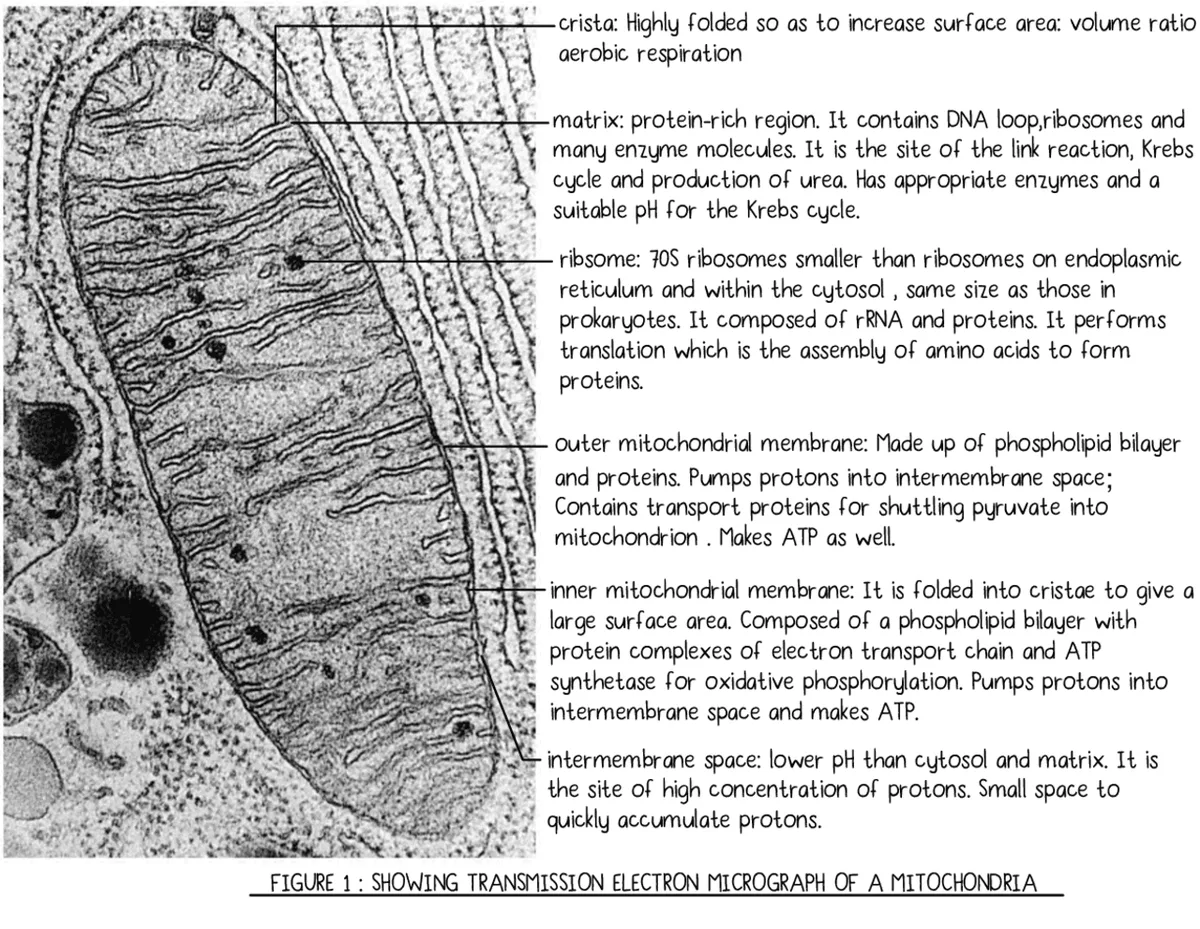
Consistent cardio stimulates mitochondrial biogenesis, which is the process of creating more mitochondria within your muscle cells. Since mitochondria are the structures that generate energy, having more of them makes you a more efficient fuel burner. This cellular upgrade is a primary driver of improved physical stamina.
Beyond the cells, cardio significantly improves your insulin sensitivity. It helps your muscles clear glucose from your bloodstream more effectively, which is vital for long-term health. Research from major medical institutions highlights that these systemic improvements help lower systemic inflammation and support heart health.
These benefits aren't limited to professional athletes. Even if you choose comfortable walking pads for seniors, your body responds by fine-tuning these energy pathways. The key is consistent, manageable effort that keeps your system moving.
Safely Monitoring Your Intensity and Heart Rate
Monitoring your intensity prevents overtraining and ensures you stay within a safe, productive range. A common method is the talk test, which serves as a subjective gauge. If you can speak in full sentences, you are likely in an aerobic zone.
If you are gasping for air, you have crossed into anaerobic territory.
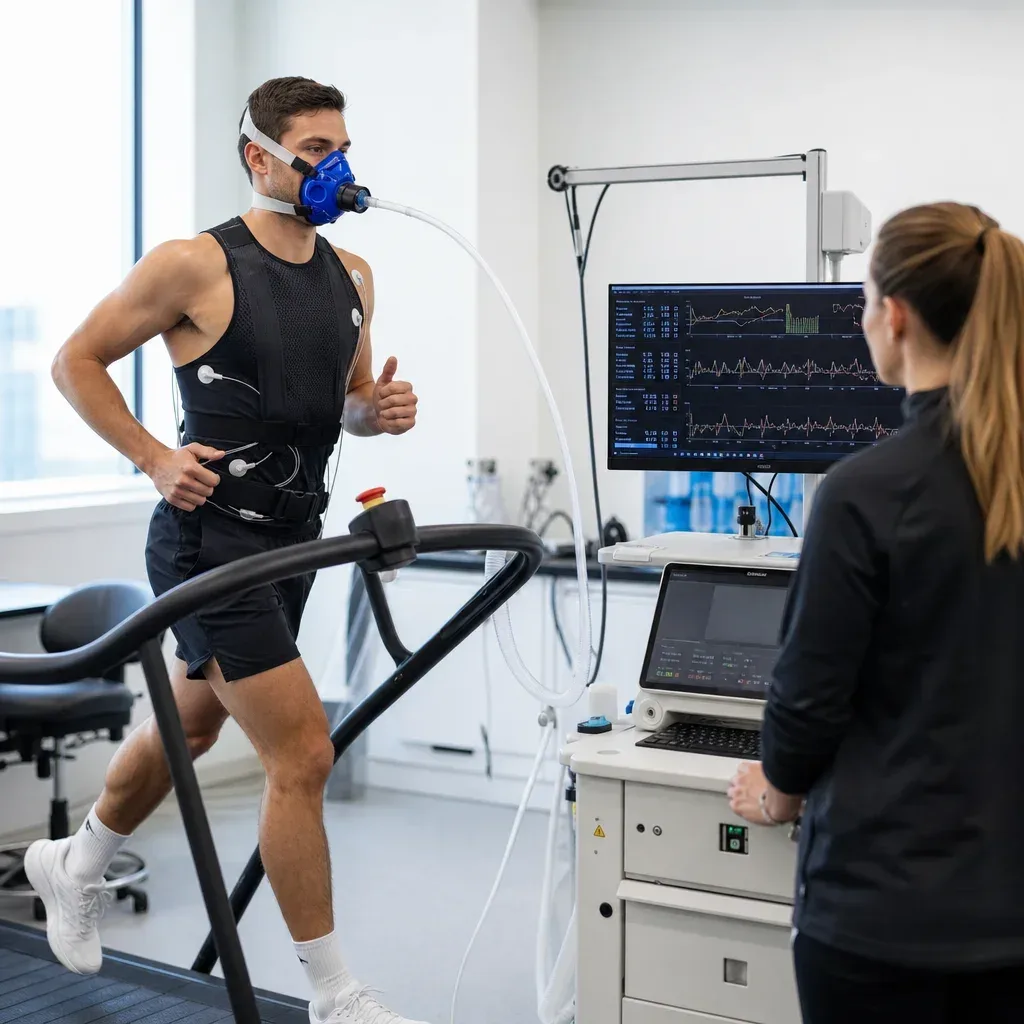
For a more precise approach, tracking your heart rate using a quiet-running device can provide real-time data. You can calculate your maximum heart rate and train at specific percentages of that figure. This prevents you from pushing too hard when you should be building your aerobic base.
Always pay attention to physical signs of distress. If you feel sharp chest pain, dizziness, or extreme joint discomfort, stop immediately. It is always best to check in with a professional if you have pre-existing health concerns before starting a high-intensity program.
Common Pitfalls and How to Avoid Over-Exertion
One of the most common mistakes is attempting too much volume too soon. This can lead to injury or total burnout. If you are looking for durable gear for heavier users, take your time to adjust the intensity rather than jumping to high speeds immediately.
Another trap is neglecting recovery days. Your body builds muscle and improves its cardiovascular capacity during rest, not just during the workout itself. If you feel persistent fatigue or notice a decline in performance, treat it as a signal to prioritize active recovery.
Finally, ignore the impulse to compare your progress to others. Fitness is a personal journey defined by your own starting point and consistency. Using versatile folding treadmills at your own pace is significantly more effective than imitating a high-intensity routine that leaves you injured.
Building a Sustainable Routine for Long-Term Health
Developing a routine that lasts requires focusing on frequency rather than intensity. You are more likely to achieve lasting results if you choose an activity you actually enjoy, whether that is cycling, swimming, or using a versatile treadmill for your home. Aim to integrate movement into your day in small, manageable chunks instead of waiting for a perfect hour-long window.
Consistency triggers the physiological adaptations we discussed earlier, such as increased capillarization and mitochondrial growth. If your schedule is tight, consider an efficient walking pad that fits under a desk. Even short, ten-minute bouts of activity contribute to your weekly health totals when performed with regularity.
Progression should always be gradual. Increase your total time or intensity by about 10 percent each week to allow your joints and heart muscle to adapt safely. This slow-and-steady approach minimizes the risk of burnout or injury, keeping you on track toward your goals throughout the year.
Frequently Asked Questions
How does cardio affect my resting heart rate?
Regular aerobic training strengthens the left ventricle of your heart. It becomes more efficient at pumping blood, meaning it needs fewer beats to deliver the same amount of oxygenated blood to your body. As your cardiac output improves, your heart rate at rest gradually decreases.
Can I do too much cardio?
Yes, excessive, high-intensity training without enough recovery can lead to overtraining syndrome. This state often presents as persistent fatigue, decreased performance, and increased irritability. Balancing intense sessions with light, active recovery days is critical to maintaining physical health and long-term performance gains.
Does cardio burn fat after I stop exercising?
Cardio increases your metabolic rate for a short window after you finish. This is known as excess post-exercise oxygen consumption, or EPOC. While the effect is most pronounced after high-intensity anaerobic work, the primary benefit of consistent movement remains the improvement of your body's overall ability to process and utilize energy.
What is the best time of day to exercise?
There is no universal best time, as the ideal window is the one you can stick to consistently. Morning workouts can help kick-start your metabolism for the day, while evening sessions might help you decompress from daily stressors. Focus on finding a time that aligns with your lifestyle rather than chasing minor biological advantages.
Should I prioritize cardio or weight training?
Most health guidelines recommend a balance of both for optimal function. Cardio improves heart and lung efficiency, while resistance training supports bone density and muscle mass. You can alternate these modalities throughout the week to cover all your bases, ensuring you get the health benefits of both systems.

