
Are you ready to get the most out of your workouts with a hyperextension bench but worried about getting hurt? You’re not alone.
Using this powerful piece of equipment can strengthen your lower back and core, but only if you do it safely. One wrong move can lead to painful injuries that slow you down or even keep you off the bench for weeks.
You’ll discover simple, proven tips to protect your body every time you train. Keep reading to learn how to stay safe and get stronger without risking injury. Your body will thank you.
Choosing The Right Bench
Choosing the right hyperextension bench is important for safety and comfort. A good bench supports your body well. It helps you keep the right position during exercises. This reduces the risk of injury. Two main things matter when picking a bench: its material and build quality, and the adjustable features it offers.
Material And Build Quality
The bench should be strong and stable. Look for heavy-duty steel frames. They hold your weight and stay steady. Padding matters too. It should be firm but soft enough to avoid pain. Quality materials last longer and feel safe. Avoid benches with weak joints or thin metal. These can break or wobble during use.
Adjustable Features
Every person’s body is different. A bench with adjustable parts helps you find the perfect fit. Look for adjustable foot pads and hip supports. These let you set the bench to your height. This keeps your body aligned properly. Proper alignment lowers the chance of strain. Adjustable benches also make exercises easier and more effective.
Preparing Your Body
Preparing your body before using a hyperextension bench is key to staying safe. Your muscles and joints need to be ready for the movement and pressure. This step lowers the risk of strains and injuries. It also helps improve your performance during the exercise.
Warm-up Exercises
Start with light cardio to get your blood flowing. Walking or jogging in place for five minutes works well. Follow with dynamic movements like leg swings or hip circles. These actions activate the muscles around your lower back. Warm muscles handle stress better and prevent stiffness.
Stretching Techniques
Focus on stretches that target your lower back, hamstrings, and hips. Try gentle forward bends to loosen your spine. Side stretches help increase flexibility in your core. Hold each stretch for 15 to 20 seconds without bouncing. Stretching improves range of motion and reduces tightness.
Proper Positioning On The Bench
Proper positioning on the hyperextension bench reduces the risk of injury. It helps your body move naturally during exercises. Correct placement keeps your muscles and joints safe. It also improves the effectiveness of your workout. Focus on key areas like foot placement, hip alignment, and back position for best results.
Foot Placement
Your feet should rest firmly on the footplate. Keep them shoulder-width apart. This stance provides balance and support. Avoid placing your feet too high or too low. Proper foot placement stops slipping and strain on ankles.
Hip Alignment
Align your hips with the bench pad edge. Your hips should bend at the pivot point. This alignment helps target the right muscles. It also prevents overextension or stress on the lower back. Adjust the bench height to fit your body size.
Back Position
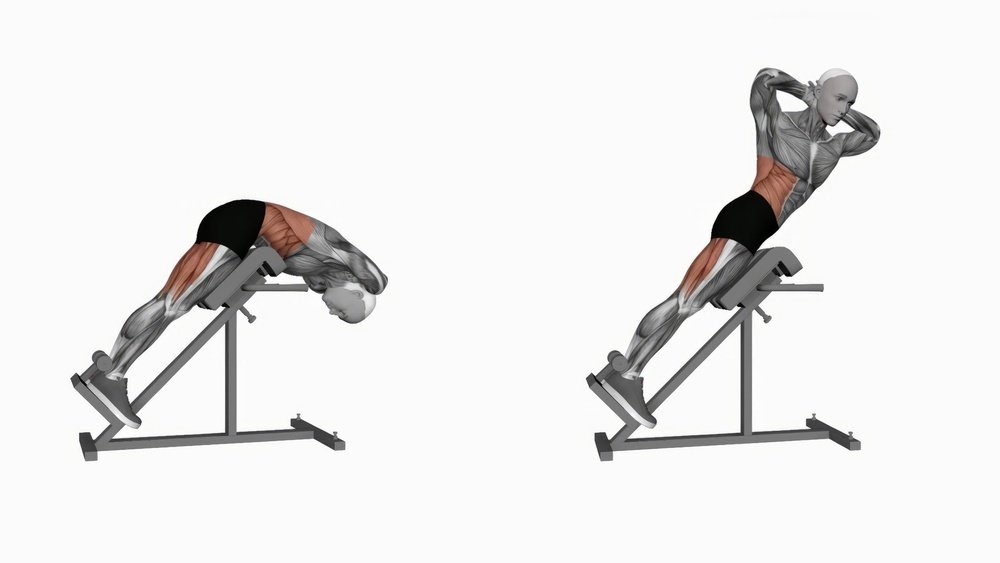
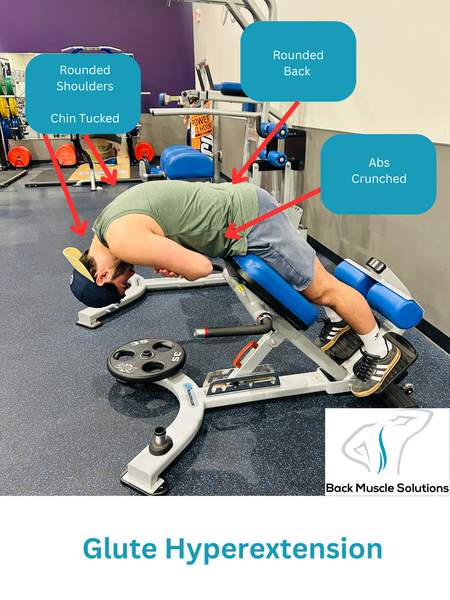
Keep your back straight and neutral. Avoid rounding or arching excessively. A neutral spine protects your back during movement. Engage your core muscles to support your spine. Controlled motion keeps your back safe and strong.
Executing Safe Movements
Executing safe movements on a hyperextension bench is key to avoiding injuries. Focus on how your body moves during each exercise. Proper control and technique protect your muscles and joints. Small changes in motion can reduce strain and improve results.
Controlled Motion
Move slowly and with purpose. Avoid fast or jerky actions. Controlled motion helps your muscles work correctly. It also prevents sudden stress on your spine. Keep your back straight and bend only at the hips. This keeps your spine safe throughout the exercise.
Avoiding Overextension
Do not bend too far backward. Overextension strains your lower back. Stop when your body forms a straight line. Avoid pushing your limits beyond comfort. This simple rule protects your spine and muscles. Respect your body’s signals and stop if you feel pain.
Breathing Patterns
Breathe steadily and deeply during each movement. Inhale as you lower your body down. Exhale while raising your body back up. Proper breathing keeps your muscles oxygenated. It also helps maintain focus and control. Never hold your breath during exercise.
Common Mistakes To Avoid
Using a hyperextension bench can strengthen your back and core. Still, many make common mistakes that cause injuries. Avoiding these errors helps keep your workout safe and effective.
Rushing Repetitions
Speeding through reps reduces control and form. It can strain muscles and joints. Slow, steady movements improve strength and lower injury risk. Focus on quality over quantity every time.
Incorrect Setup
Setting the bench wrong changes exercise mechanics. Your hips should align with the pad’s edge. Too high or low puts pressure on your spine. Take time to adjust before starting.
Ignoring Pain Signals
Pain signals warn of injury or strain. Do not ignore sharp or persistent pain during exercise. Stop immediately and rest if you feel discomfort. Listening to your body prevents lasting damage.
Incorporating Supportive Gear
Using supportive gear helps protect your body during hyperextension exercises. It reduces stress on muscles and joints. Proper gear also improves comfort and stability. This lowers the risk of injury and makes workouts safer.
Using Padding
Pads cushion your hips and thighs on the bench. They prevent bruises and skin irritation. Soft padding also keeps you steady while moving. Choose thick, firm pads for better support. Replace worn-out padding to maintain comfort and safety.
Wearing Support Belts
Support belts stabilize your lower back during exercises. They help keep correct posture and prevent strain. Use belts designed for weight training or back support. Make sure the belt fits snugly but not too tight. This balance protects your spine and allows free movement.
Post-workout Care
Post-workout care is key to avoiding injuries after using a hyperextension bench. It helps your muscles heal and stay flexible. Taking time to cool down and support recovery reduces soreness and stiffness. This keeps your body ready for the next workout.
Cool-down Stretches
Stretching after exercise helps relax tight muscles. Focus on your lower back, hamstrings, and glutes. Hold each stretch gently for 20 to 30 seconds. Avoid bouncing or forcing the stretch. This lowers muscle tension and improves flexibility.
Simple stretches like seated forward bends and knee-to-chest moves work well. They help blood flow and remove waste from muscles. Cooling down this way reduces pain and keeps your muscles healthy.
Muscle Recovery Tips
Rest is important for muscle repair. Give your body time to recover between sessions. Drinking water helps flush out toxins and keeps muscles hydrated. Eating protein supports muscle rebuilding and strength.
Using a foam roller can ease tight spots and improve circulation. Applying ice or heat may reduce inflammation and pain. Listen to your body. Stop if you feel sharp pain or unusual discomfort.


Frequently Asked Questions
How Do I Adjust The Hyperextension Bench Safely?
Adjust the bench to fit your body size and height. Ensure the pads support your hips and thighs properly. Secure all adjustments firmly before starting your workout to avoid slipping or incorrect posture.
What Warm-up Exercises Prevent Hyperextension Injuries?
Perform dynamic stretches targeting your lower back, hamstrings, and glutes. Simple exercises like leg swings and gentle back extensions prepare muscles for activity. Warming up increases blood flow and reduces the risk of strains.
How Can I Maintain Correct Form On The Bench?
Keep your back straight and core engaged throughout the exercise. Avoid hyperextending your spine beyond a neutral position. Controlled movements reduce strain and improve effectiveness.
What Common Mistakes Cause Injury On Hyperextension Benches?
Common errors include using excessive weight, jerky motions, and improper bench adjustments. Overextending your back or neglecting core engagement also leads to injury. Focus on controlled, deliberate movements for safety.
Conclusion
Preventing injury on a hyperextension bench starts with careful steps. Always warm up your body before exercise. Use proper form to protect your back and muscles. Adjust the bench to fit your height and comfort. Avoid sudden or fast movements during the workout.
Listen to your body; stop if you feel pain. Regular practice with focus helps build strength safely. Stay consistent but patient with your progress. Safe training means better results and fewer risks. Keep these tips in mind for a healthy workout routine.
