

Are you looking to strengthen your lower back and improve your posture but worried about doing hyperextensions the right way? You’re not alone.
Many people jump into this powerful exercise without knowing how to perform it safely, risking injury instead of gaining benefits. You’ll discover simple, step-by-step tips to master proper hyperextensions that protect your spine and maximize your results. Keep reading to learn how to make every rep count—without pain or strain.
Your back will thank you.
Benefits Of Hyperextensions
Hyperextensions offer many benefits for your body. They target key muscles that support your spine. This helps improve strength and reduce pain. Regular practice can boost your overall fitness and daily comfort.
Understanding these benefits encourages safe and effective exercise. Let’s explore how hyperextensions help your lower back, core, and posture.
Strengthening Lower Back
Hyperextensions focus on muscles in your lower back. Strong lower back muscles protect your spine. They reduce the risk of injuries during daily activities. This exercise helps ease lower back pain. It builds endurance to support longer periods of standing or sitting.
Improving Core Stability
Your core includes muscles around your stomach and lower back. Hyperextensions activate these muscles for better balance. A stable core improves movement control and reduces falls. It supports other exercises and sports activities. This strength helps you stay steady in everyday tasks.
Enhancing Posture
Good posture keeps your body aligned and healthy. Hyperextensions strengthen muscles that hold your spine straight. This reduces slouching and back strain. Improved posture leads to less fatigue and better breathing. It also makes you look confident and alert.

Preparing For Hyperextensions
Preparing well for hyperextensions helps prevent injuries and improves results. Start by choosing the right equipment. Then warm up your muscles. Finally, set up the bench carefully. Each step builds a safe and effective workout.
Choosing The Right Equipment
Select a sturdy hyperextension bench made for your height. The padding should be firm but comfortable. Avoid benches that wobble or feel unstable. If using a Roman chair, check all bolts and screws. Proper equipment supports your body and reduces strain.
Warming Up Effectively
Spend 5 to 10 minutes warming your lower back and hips. Try light cardio like walking or cycling. Follow with gentle stretches for your hamstrings and glutes. Warm muscles move better and resist injury. Skipping warm-up increases the risk of strains.
Setting Up The Bench Correctly
Adjust the bench height so your hips rest just above the pad. Your feet should lock securely under the footpads. Keep your body straight and aligned. Check your range of motion by bending slowly. Proper setup ensures correct form and helps avoid pain.
Proper Hyperextension Technique
Performing hyperextensions correctly protects your lower back and boosts workout results. Good technique keeps your spine safe and targets the right muscles. Follow these steps to do hyperextensions properly and avoid injury.
Starting Position Basics
Set your hips on the pad with your upper body free to move. Keep your feet flat and secure under the foot pads. Your body should form a straight line from head to heels. Cross your arms over your chest or place hands behind your head, without pulling your neck. Look straight ahead to keep your neck neutral.
Correct Movement Execution
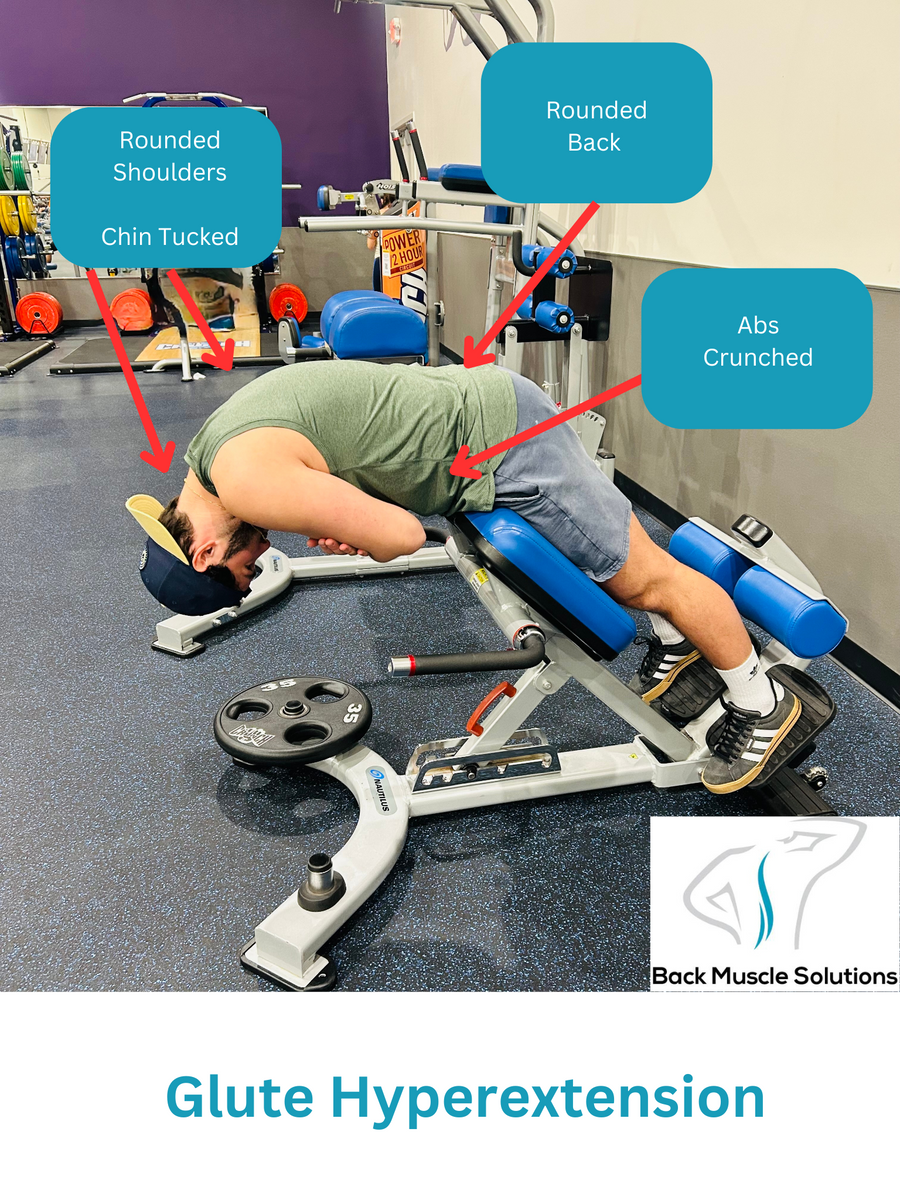
Slowly bend forward at the hips, keeping your back straight. Lower until your upper body is just below parallel to the floor. Avoid rounding your back or bending too far. Use your lower back and glutes to lift your torso back up. Stop when your body forms a straight line again. Do not hyperextend or arch your back beyond this point.
Breathing During Reps
Inhale as you lower your body down. Exhale while lifting your torso back up. Keep your breathing steady and controlled. Proper breathing helps maintain core stability and focus. It also prevents holding your breath, which can raise blood pressure.

Common Mistakes To Avoid
Performing hyperextensions correctly protects your back and boosts your workout. Many people make common mistakes that cause pain or injury. Avoid these errors to stay safe and get the best results.
Focus on proper form and control. Small changes make a big difference in your workout quality.
Overextending The Back
Overextending means bending your back too far up. This puts too much pressure on your spine. Stop your movement when your body forms a straight line. Overextending can cause strains or serious injuries.
Using Momentum Instead Of Control
Swinging your body to lift yourself uses momentum, not muscles. It reduces the workout’s effectiveness. Move slowly and with control. Engage your lower back and core muscles throughout the motion.
Incorrect Foot And Hip Placement
Placing your feet or hips wrongly causes poor balance. It can lead to pain or injury. Keep your feet flat and hips secure on the pad. Make sure your body stays aligned during the exercise.
Modifications And Variations
Modifications and variations help you perform hyperextensions in a way that fits your fitness level. They keep the exercise safe and effective. You can adjust weight, movement, and style to protect your back and muscles. These changes also make the workout easier or harder.
Using Weights Safely
Start with no weight or very light weights. Hold a plate or dumbbell close to your chest. Keep your back straight throughout the movement. Do not lift too high to avoid strain. Stop if you feel pain in your lower back. Increase weight slowly as your strength grows.
Alternative Exercises For Beginners
Try bird dogs or bridges to build core and lower back strength. These exercises are gentle and easy to learn. Use a mat for comfort and support. Focus on controlled, slow movements. They prepare your body for full hyperextensions later.
Adjusting Range Of Motion
Limit how far you bend forward or backward at first. Move only as far as you feel comfortable. Avoid sudden or jerky movements. Increase the range of motion gradually over time. This helps prevent injury and improves flexibility safely.
Recovery And Injury Prevention
Proper recovery and injury prevention are key after doing hyperextensions. These steps help your muscles heal and reduce soreness. They also protect your lower back from strains or injuries. Taking care of your body after exercise keeps you safe and ready for the next workout.
Stretching After Hyperextensions
Stretching helps relax muscles after hyperextensions. Focus on your lower back, hamstrings, and hips. Gentle stretches improve blood flow and reduce tightness. Hold each stretch for 20 to 30 seconds without bouncing. Avoid pushing too hard to prevent muscle strain.
Recognizing Warning Signs
Watch for pain that lasts longer than usual. Sharp or sudden pain during or after exercise is a red flag. Numbness or weakness in your legs also signals a problem. Do not ignore discomfort that worsens with movement. Early attention can stop a small issue from becoming serious.
When To Consult A Professional
Seek advice if pain does not improve in a few days. A doctor or physical therapist can find the cause. They offer treatments and exercises tailored to your needs. Getting help early aids faster recovery and safer workouts. Don’t hesitate to get professional support for back pain.
Frequently Asked Questions
What Muscles Do Hyperextensions Target Effectively?
Hyperextensions primarily work the lower back muscles, glutes, and hamstrings. They strengthen the posterior chain, improving posture and core stability. Proper form ensures balanced muscle engagement and reduces injury risk.
How To Avoid Injury During Hyperextensions?
Maintain a neutral spine and avoid hyperextending the back. Use controlled, slow movements and avoid jerking. Start with bodyweight before adding resistance. Warm up properly and listen to your body for pain signals.
How Many Hyperextension Reps Are Safe Per Session?
Begin with 2 to 3 sets of 10 to 15 reps. Adjust based on your fitness level and goals. Quality over quantity is essential to prevent strain and ensure muscle engagement.
Can Hyperextensions Improve Lower Back Pain?
Yes, when performed correctly, hyperextensions strengthen supporting muscles. Stronger muscles reduce strain on the spine and alleviate pain. Always consult a healthcare provider before starting if you have existing back issues.
Conclusion
Performing hyperextensions safely protects your back and builds strength. Start slow and focus on form. Keep your movements steady and controlled. Avoid arching too far or using momentum. Use a bench or machine that supports your body well. Listen to your body and stop if you feel pain.
Regular practice with care improves your lower back health. Safe exercise habits lead to better results and fewer injuries. Stay consistent and patient for the best outcome.
