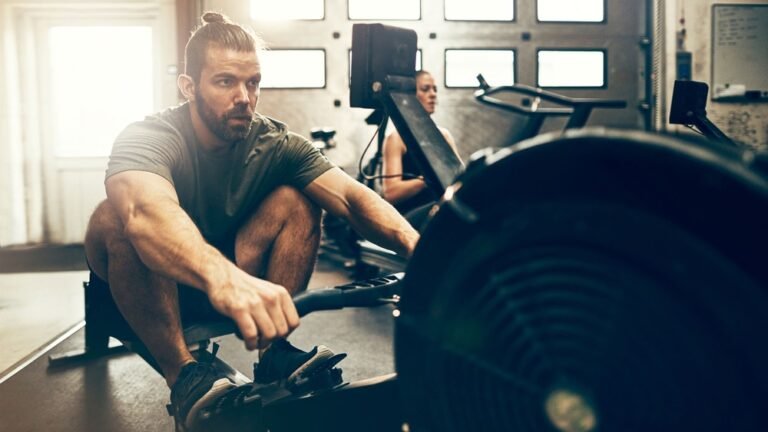
Are you wondering if using a rowing machine can actually help you build muscle? Maybe you’ve heard it’s great for cardio, but you’re not sure if it’s enough to tone your arms, legs, and back.
The good news is, rowing isn’t just about burning calories—it can also be a powerful tool for muscle growth. You’ll discover how rowing works your body, which muscles get targeted, and how to maximize your workouts to see real strength gains.
Keep reading, and you might find your next favorite way to build muscle without ever stepping into a crowded gym.

Muscle Groups Targeted By Rowing
Rowing is a full-body exercise that engages multiple muscle groups. It offers a balanced workout by combining strength and cardio. Understanding which muscles rowing targets helps you train smarter and gain muscle effectively. Let’s explore the main muscle groups worked during rowing.
Upper Body Engagement
Rowing works the muscles in your arms, shoulders, and back. The pulling motion activates the biceps and forearms. Your shoulders get a good workout from the rowing stroke. The upper back, including the trapezius and rhomboids, contracts to pull the handle. This builds strength and improves posture.
Lower Body Activation
The legs drive the rowing motion powerfully. Your quads and hamstrings push off the footplate. The glutes also activate to extend the hips. Calves help stabilize your feet during each stroke. Strong leg muscles increase rowing speed and endurance.
Core Strength Benefits
Your core muscles stabilize your body throughout the rowing stroke. The abs and obliques work to keep your torso steady. This helps transfer power between your upper and lower body. A strong core improves balance and reduces injury risk.

How Rowing Builds Muscle
Rowing is a full-body workout that uses many muscles at once. It helps build muscle by combining resistance and movement. Understanding how rowing builds muscle helps you use the machine better. This section explains how rowing causes muscle growth and strength.
Resistance And Muscle Growth
Rowing machines provide resistance that challenges your muscles. The harder you pull, the more resistance your muscles face. This resistance causes tiny muscle fibers to break down. Your body repairs these fibers, making muscles stronger and bigger. Adjusting the resistance level changes how much muscle you build.
Endurance Vs. Strength Training
Rowing can train both endurance and strength. Endurance training uses lighter resistance and longer sessions. It helps muscles work longer without getting tired. Strength training uses heavier resistance and shorter bursts. This type of rowing builds muscle size and power. Mixing both types improves overall muscle fitness.
Role Of Repetitive Motion
Rowing involves repeating the same motion many times. This repetition helps muscles get used to the movement. It improves muscle coordination and control. Repetitive motion also boosts muscle endurance. Over time, muscles adapt and grow stronger. Consistency is key to seeing muscle gains with rowing.
Rowing Workouts For Muscle Gain
Rowing workouts can help build muscle and improve strength. The rowing machine works many large muscles at once. It targets your legs, back, arms, and core. Different rowing routines can focus more on muscle gain. Using the right workout style helps you grow muscle faster.
High-intensity Interval Training
High-intensity interval training (HIIT) uses short bursts of hard rowing. You row fast for 20 to 30 seconds. Then, you rest or row slowly for 1 to 2 minutes. This cycle repeats for 15 to 20 minutes. HIIT challenges your muscles with power and speed. It helps increase muscle strength and size.
Steady-state Rowing
Steady-state rowing means rowing at a steady, moderate pace. This workout lasts 20 to 60 minutes or more. It improves muscle endurance and tones your body. You use your muscles continuously without stopping. This helps build lean muscle and burn fat at the same time.
Combining Rowing With Weight Training
Pairing rowing with weight training boosts muscle gain. Rowing warms up your muscles and improves stamina. Weight lifting targets specific muscles for growth. This combo speeds up muscle building and overall fitness. It balances cardio and strength training for best results.
Nutrition For Muscle Growth
Nutrition plays a key role in building muscle from rowing machine workouts. Eating the right foods helps your body repair and grow stronger. Proper nutrition fuels your muscles and supports recovery after exercise. Without good nutrition, muscle gain can be very slow or even stop.
Protein Intake
Protein is essential for muscle growth. It helps repair muscle fibers damaged during rowing. Aim to include a good source of protein in every meal. Foods like chicken, fish, eggs, beans, and dairy work well. Try to eat about 1.2 to 2 grams of protein per kilogram of body weight daily.
Caloric Surplus
To build muscle, your body needs extra energy. This means eating more calories than you burn. A small caloric surplus provides fuel for muscle growth. Focus on healthy foods like whole grains, fruits, and vegetables. Avoid too many sugary or fatty foods, which can add fat instead of muscle.
Hydration Importance
Water is vital for muscle function and recovery. Staying hydrated helps your body move nutrients to muscles. Drink water before, during, and after rowing workouts. Dehydration can cause muscle cramps and slow recovery. Aim for at least 8 cups of water daily, more if you sweat a lot.
Common Mistakes To Avoid
Using a rowing machine can build muscle effectively. Many beginners make common mistakes that slow progress or cause injury. Avoid these errors to get the best muscle gains from rowing.
Poor Rowing Form
Bad form reduces muscle work and risks injury. Leaning too far back or forward strains your back. Pull with your legs first, then your arms. Keep your back straight and core tight. Smooth, controlled strokes activate muscles better.
Overtraining Risks
Rowing too much can hurt your muscles and joints. Overtraining leads to fatigue and less muscle growth. Allow your body time to adapt. Balance rowing with other workouts and rest days. Quality beats quantity for muscle gains.
Neglecting Recovery
Muscles grow during rest, not exercise. Skipping recovery stops progress and causes soreness. Use stretching and light activity on rest days. Drink water and eat protein for better repair. Proper recovery helps build stronger muscles.
Tracking Progress And Results
Tracking your progress and results is key to gaining muscle with a rowing machine. It helps you see what works and where to improve. Regular tracking keeps you motivated and focused on your goals. Here are some ways to track your muscle gain and workout success.
Measuring Muscle Gain
Use simple methods to check muscle growth. Measure body parts like arms, chest, and legs with a tape. Take pictures weekly to see visual changes. Weigh yourself, but remember muscle weighs more than fat. A body fat scale can help track fat loss and muscle gain.
Using Performance Metrics
Track your rowing speed, distance, and time each session. Note the resistance level on the machine. Keep a log of how many strokes you do per minute. Better performance often means stronger muscles. Record your energy levels and recovery time after workouts.
Adjusting Workouts Over Time
Change your workouts as you improve. Increase the resistance or rowing time gradually. Add intervals to challenge your muscles more. Include strength exercises off the machine for balance. Adjust based on your progress and how your body feels.
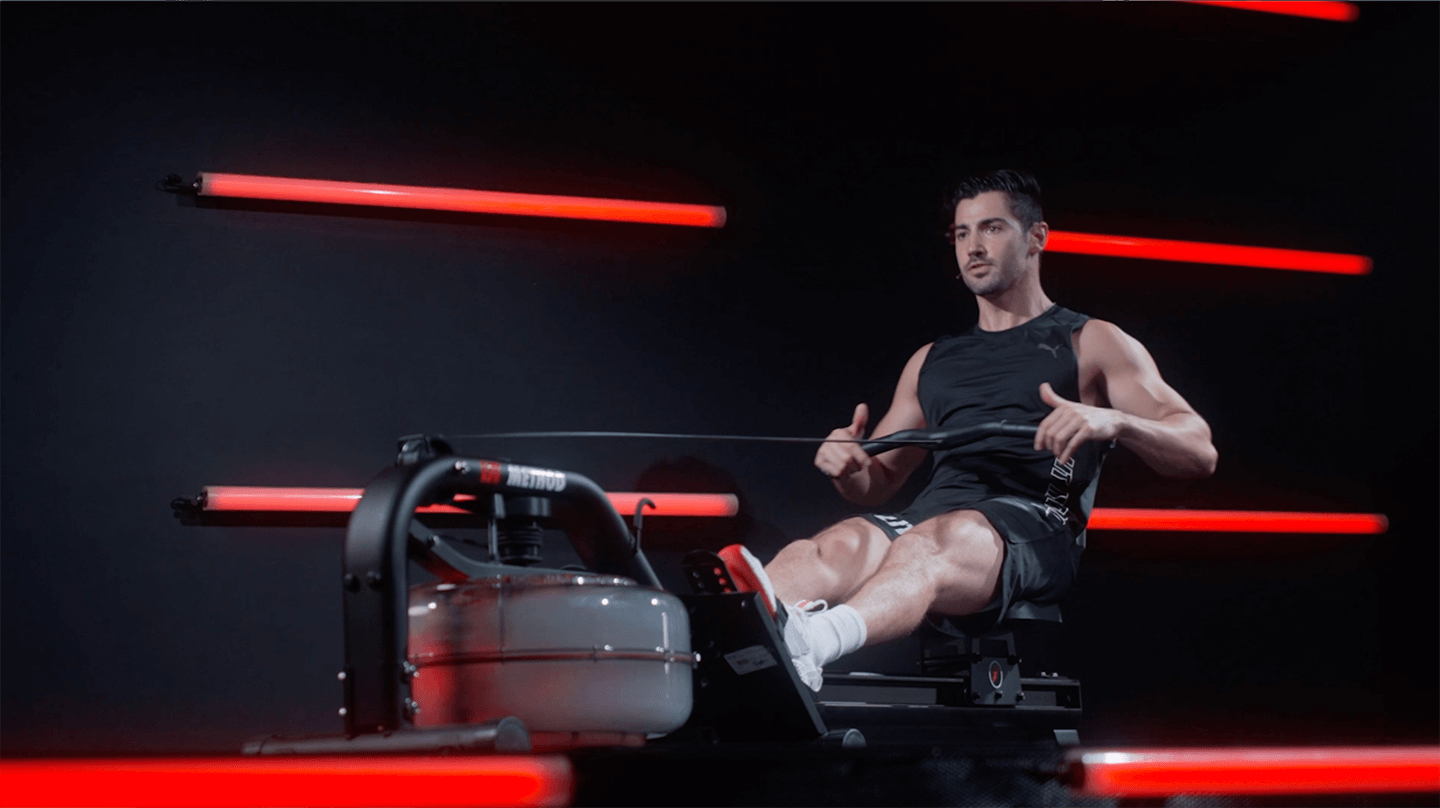
Frequently Asked Questions
Can Rowing Machines Help Build Muscle Mass?
Yes, rowing machines engage multiple muscle groups, promoting muscle growth. They target legs, back, arms, and core, making them effective for muscle building.
How Effective Is Rowing For Upper Body Strength?
Rowing is highly effective for upper body strength. It works the shoulders, biceps, and upper back through repeated pulling motions.
Does Rowing Build Leg Muscles?
Absolutely. Rowing heavily engages the quadriceps, hamstrings, and calves, aiding in strong leg muscle development.
Can Rowing Machines Improve Core Muscle Tone?
Yes, rowing requires core stability and balance. It strengthens abdominal and lower back muscles consistently.
Conclusion
Rowing machines help build muscle when used regularly. They work many muscles like legs, back, and arms. Combining rowing with good food boosts muscle growth. Keep your workouts steady and increase effort over time. Rest and recovery also play a key role in building muscle.
So, rowing can be a strong part of your muscle plan. Try it, stay consistent, and watch your strength grow.
