
Many people wonder if they can do cardio every day to reach their fitness goals faster. The answer depends entirely on the intensity and volume of the activity you choose.
As of 2026, the World Health Organization recommends at least 150 minutes of moderate-intensity aerobic physical activity per week for adults. Balancing this with recovery is how you sustain a daily habit without burnout.

Today's Exclusive Deals
Limited-time Exclusive Deals. Check current discount on Amazon.
Check Price on Amazon As an Amazon Associate I earn from qualifying purchases.Quick Answer
You can do cardio every day. Daily light movement aids recovery. High-intensity sessions require rest days.
Limit intense workouts to twice weekly. Listen to your body to avoid injury.

The Reality of Daily Cardio: Why More Isn't Always Better
You might think that doing cardio every day is the fastest way to get fit, but your body doesn't always see it that way. If you hit a treadmill at top speed every morning, you're likely setting yourself up for failure. Fitness is not just about the work you do during the session.
It is about how well your body adapts to that stress afterward.
When you push hard every single day, you don't allow your tissues to repair themselves. This leads to a cycle of fatigue where your performance actually drops. You might find your speed plateauing or your energy levels crashing by the afternoon.
Moving daily is great for your heart and your mood, but the intensity must fluctuate to keep you safe.
Think of your energy like a bank account. High-intensity cardio makes a massive withdrawal, while walking or gentle mobility work is like making a small deposit. You need those deposits to keep your account balance healthy.
If you only withdraw, you will eventually run into a deficit that keeps you out of the game entirely.
Decoding Your Recovery Needs: Why Intensity Modulation Is Essential
Intensity modulation is the practice of varying the difficulty of your workouts throughout the week. This is the secret to moving every day without hurting yourself. If you try to run at 90 percent of your maximum capacity daily, your joints and muscles will eventually protest.
We categorize cardio into distinct zones. Zone 1 and 2 are low-intensity, where you can easily hold a conversation while moving. These are perfect for those quiet daily walks that keep your blood flowing.
You can safely perform these sessions every day because they don't place an extreme load on your central nervous system.
High-intensity interval training, or HIIT, sits on the opposite end of the spectrum. These sessions are incredibly effective for improving cardiovascular endurance, but they generate significant metabolic stress. You shouldn't jump into these daily.
Instead, use them as the anchors of your week, perhaps twice at most, and fill the other days with low-impact, steady movement.
| Intensity Level | Effort Description | Recommended Frequency |
|---|---|---|
| Low | Easy conversation | Daily |
| Moderate | Heavy breathing | 3-4 times per week |
| High | Cannot speak sentences | 1-2 times per week |
The Physiological Risks of Ignoring Overtraining
Overtraining syndrome is a serious condition that occurs when you push your body beyond its capacity to recover. It isn't just being tired. It is a systemic breakdown where your hormonal balance, immune system, and mood are all negatively affected.
This often happens to people who decide to keep their cardio routine intense for weeks on end without a break.
The warning signs are often subtle at first. You might notice your resting heart rate stays elevated even after you wake up, or you might find yourself catching colds more frequently. Your sleep quality often takes a hit, making it harder to wake up refreshed.
These are signals from your body that you need to dial back the volume immediately.

Ignoring these signs is a quick path to a stress fracture or chronic inflammation. If you find that your usual workout feels significantly harder than it did last week, it is a clear sign to lower the intensity. Taking one or two days of complete rest or light stretching will do more for your progress than forcing another grueling session.
How to Structure a Sustainable Daily Cardio Routine
Building a sustainable routine requires planning. You should treat your rest days as part of your training program, not as an absence of training. A well-rounded weekly plan blends various types of movement to ensure you aren't overworking any specific muscle group or joint.
Consider using a versatile machine to help you keep your workouts interesting at home. When you have equipment that fits your space, it’s much easier to stick to your schedule during busy weeks. Your weekly structure should look something like this:
- Monday: High-intensity intervals or hill work.
- Tuesday: Steady-state, low-intensity recovery movement.
- Wednesday: Moderate-intensity endurance training.
- Thursday: Low-impact active recovery, like walking or light cycling.
- Friday: Tempo session or strength-cardio circuit.
- Saturday: Fun, active social movement like a long hike or bike ride.
- Sunday: Full rest or light mobility work.
This structure allows you to stay active every day without causing burnout. If you feel particularly strong, you can bump up the duration of your low-intensity days. If you feel drained, you can swap a moderate day for a light one.
Flexibility is the key to longevity.
Managing Your Intensity: A Practical Guide to Heart Rate Zones
Managing your intensity isn't just a guessing game. You can use your heart rate as a reliable metric to determine whether you are training in a zone that supports your goals. Most modern wearables give you real-time data, but you can also use your rate of perceived exertion.
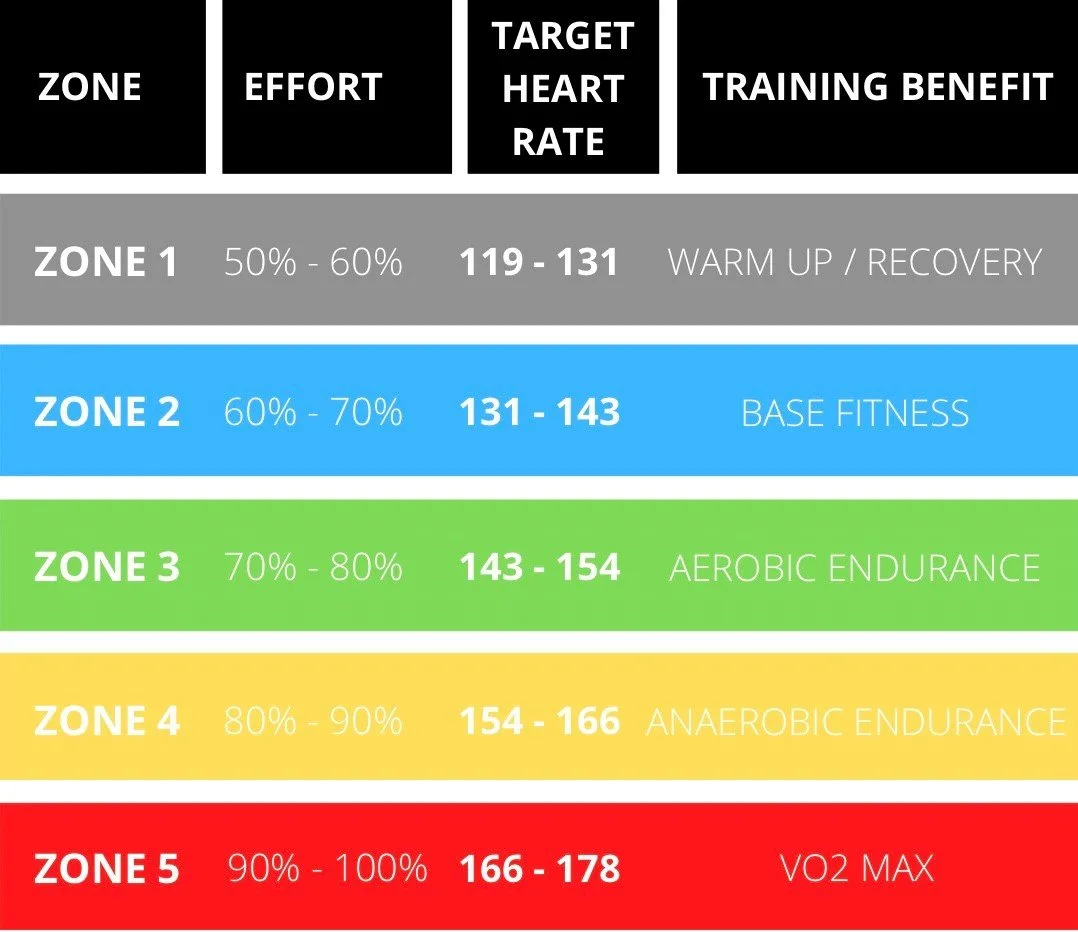
If you are training for health, stay mostly in Zone 2. This is the fat-burning zone where you are working hard enough to see benefits but low enough that you could sustain it for an hour or more. Training in this zone improves your mitochondrial density and metabolic flexibility.
It is the foundation upon which your fitness consistency is built.
Don't ignore the importance of monitoring your heart rate variability (HRV) as well. HRV measures the variation in time between each heartbeat. A high HRV generally indicates that your body is recovered and ready for a harder workout.
A low HRV suggests your body is still under stress, and you should consider a lighter day. Using these tools turns your daily cardio from a guesswork habit into a science-backed process.
Key Mistakes That Stall Your Progress
The most common error is failing to differentiate between low-impact movement and high-intensity output. Many people treat a casual walk as a workout that warrants a heavy recovery meal or a day off, while simultaneously running hard enough to leave them breathless every single session. You must be honest about what kind of effort you are actually exerting.
Another mistake involves neglecting mobility and strength work in favor of pure cardiovascular volume. If you only move in one plane, such as running in a straight line, you will eventually develop muscle imbalances that lead to joint pain. Incorporating lateral movements or basic bodyweight exercises helps keep your joints lubricated and your tissues resilient against repetitive stress.
Finally, relying exclusively on an early generation fitness tracker can be misleading. While these devices provide helpful benchmarks, they cannot account for how you feel on a specific day. You might have had poor sleep or a high-stress workday that lowers your threshold for intensity.
Learning to trust your internal state is more important than chasing a digital number or a specific caloric goal every day.
Frequently Asked Questions About Daily Movement
How do I know if I am doing too much cardio?
You are doing too much if you notice prolonged muscle soreness that lasts more than 48 hours. Other red flags include persistent feelings of lethargy, decreased appetite, or a rising resting heart rate over several days. When these symptoms appear, you should pivot to strictly low-intensity movement or total rest until your metrics return to baseline.
Is walking considered cardio for daily habits?
Walking is a fantastic form of low-intensity aerobic exercise that is perfectly suitable for daily practice. It builds cardiovascular endurance without the significant joint impact associated with running or high-intensity jumping. If you want to increase your daily activity, prioritize increasing your step count through brisk walking before adding more high-impact sessions.
Can I do HIIT and cardio on the same day?
Combining high-intensity intervals and steady-state cardio in one day is generally discouraged, especially if you are aiming for a consistent daily routine. This approach places a massive demand on your nervous system and significantly increases the risk of injury. It is better to spread your intense work throughout the week to allow for proper recovery between high-output efforts.
How does daily cardio impact my recovery from strength training?
Daily light cardio can actually speed up your recovery from resistance training by increasing blood flow to tired muscles. However, you must keep the intensity very low to ensure you don't burn the fuel your muscles need for tissue repair. Avoid doing heavy cardio immediately before a lifting session, as it can fatigue your stabilizers and compromise your form.
Should I do cardio on an empty stomach every day?
Exercising in a fasted state is a personal preference that doesn't inherently offer a superior cardiovascular outcome for most people. If you feel dizzy or lose focus, eat a small, easily digestible snack before you start. The most important factor is your total weekly volume and the consistency of your effort, regardless of when you consume your meals.

