Are you looking to boost your workout routine and add some explosive power? You might be wondering if the leg press machine can help you with plyometric exercises.
It’s a smart question because plyometrics are all about quick, powerful movements that improve speed and strength. But can a machine designed for controlled, slow motions really deliver that? Keep reading to discover the truth and find out how you can safely and effectively mix plyometrics with your leg press sessions.
Your next breakthrough in training could be just a few clicks away.
Leg Press Machine Basics
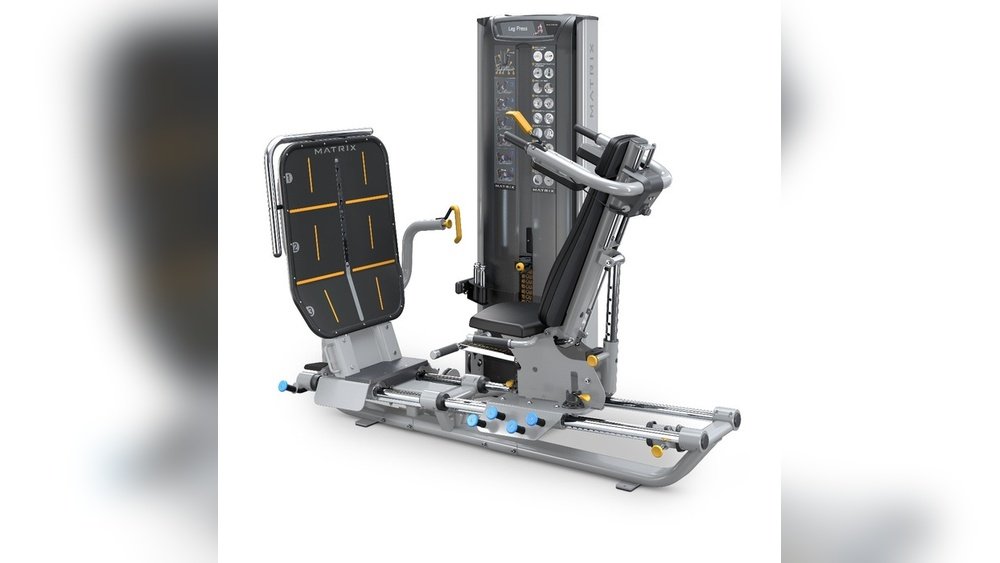
The leg press machine is a popular piece of gym equipment. It targets the muscles in your legs and helps build strength. Understanding its basics is important before trying plyometric exercises on it.
This section explains the design, function, and common uses of the leg press machine.
Design And Function
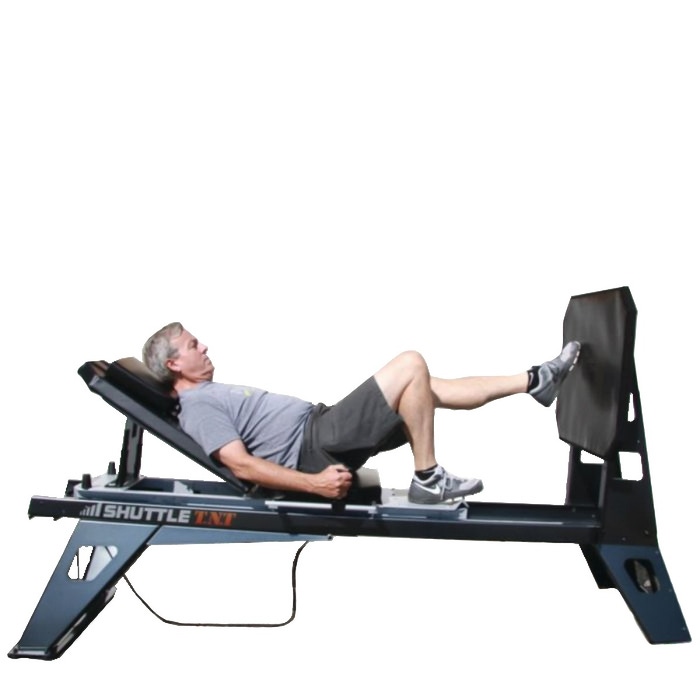
The leg press machine has a seat and a platform for your feet. You push the platform away using your legs. This movement works the thighs, hips, and glutes.
The machine controls your movement, so it feels safe. It allows you to lift heavy weights without risking balance. The smooth sliding motion helps focus on muscle strength.
Common Uses
The leg press machine is mainly for building leg strength. Many use it to increase muscle size and improve endurance.
It suits beginners and advanced users because you can adjust the weight. People often use it for rehabilitation after injury. It also helps athletes train for sports that need strong legs.
What Are Plyometric Exercises
Plyometric exercises focus on quick, powerful movements. They help improve strength and speed by training muscles to exert maximum force in short periods. These exercises use the stretch-shortening cycle of muscles, which boosts explosive power.
Athletes often use plyometrics to enhance performance in sports requiring jumping, sprinting, or sudden changes in direction. This training style improves muscle elasticity and coordination, making movements more efficient and faster.
Key Characteristics
Plyometric exercises involve rapid stretching followed by a strong muscle contraction. Movements like jumps, hops, and bounds are common examples. These exercises use body weight or light resistance and focus on speed and power. They require good technique to avoid injury and maximize benefits.
Benefits For Athletes
Plyometric training increases muscle power and reaction time. It helps improve jumping height and sprint speed. Athletes gain better balance and coordination through these exercises. Plyometrics also enhance muscle endurance and reduce injury risk. This training boosts overall athletic performance in many sports.
Suitability Of Leg Press For Plyometrics
The leg press machine is popular for strength training. It helps build muscle in the legs. Plyometric exercises focus on explosive movements and speed. These exercises improve power and agility. The question is whether the leg press suits plyometric training. The answer depends on how the leg press matches plyometric needs.
Movement Patterns Comparison
Plyometric exercises use fast, explosive movements. Jumping and bounding are common examples. These moves require the body to push off the ground quickly. The leg press moves the legs in a controlled path. It lacks the quick, explosive nature of plyometrics. The machine guides the movement, limiting natural motion. This difference makes the leg press less ideal for true plyometric training.
Muscle Activation Differences
Plyometrics activate muscles through rapid stretch and contraction. This action involves fast muscle fibers for power. The leg press works muscles by pushing against resistance slowly. It activates muscles but not with the same speed or force. The machine does not train the stretch-shortening cycle of muscles. For improving explosive strength, plyometrics engage muscles differently than the leg press.
Potential Risks And Limitations
Using a leg press machine for plyometric exercises brings certain risks and limits. Plyometrics require fast, explosive movements that might not suit the leg press’s design. Understanding these issues helps prevent injury and improves workout results.
Injury Concerns
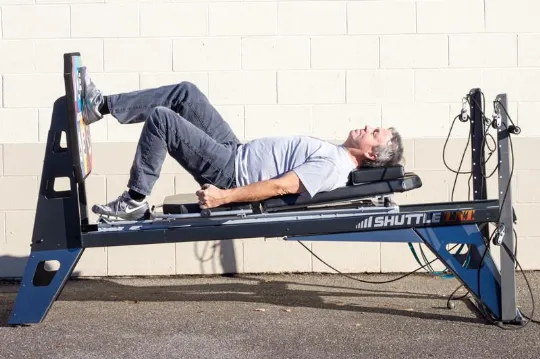
The leg press machine restricts natural body movement. Sudden, explosive jumps put pressure on joints in ways the machine does not support. This can lead to knee, ankle, or lower back injuries. The controlled path of the machine limits shock absorption. This lack of natural movement increases injury risk during plyometric exercises.
Mechanical Constraints
The leg press moves in a fixed, straight line. Plyometrics need varied directions and quick changes. The machine’s design does not allow this freedom. It also limits the speed and force you can apply. These mechanical limits reduce the effectiveness of plyometric training on this machine.
Alternative Plyometric Options
Plyometric exercises boost power and speed. The leg press machine is not ideal for these exercises. Many alternative options exist that suit plyometric training better. These alternatives improve strength and explosiveness safely and effectively.
Bodyweight Exercises
Bodyweight exercises use your own weight for resistance. They improve muscle power and coordination. Examples include jump squats, box jumps, and burpees. These moves enhance leg strength without machines. They require little space and no equipment. Perfect for home workouts or gyms. You can adjust the difficulty by changing speed or height.
Equipment-based Movements
Some equipment helps increase plyometric training intensity. Medicine balls, jump ropes, and agility ladders are great tools. Medicine ball slams and throws build explosive strength. Jump ropes improve foot speed and coordination. Agility ladders boost quick footwork and balance. These tools add variety to your workouts. They prepare your body for fast, powerful movements.
Expert Recommendations
Experts share key advice on using a leg press machine for plyometric exercises. They focus on safety and effectiveness. Following their tips helps avoid injuries and improve training results.
Understanding expert tips can guide your workout plan. It ensures you use the machine properly and gain the benefits of plyometrics.
Safe Training Practices
Start with light weights to test your form and control. Do not rush the movement or use heavy loads. Maintain steady breathing and focus on smooth motion. Avoid locking your knees at full extension. Use the leg press machine only for controlled, slow plyometric moves. Stop immediately if you feel pain or discomfort.
Integrating Plyometrics And Strength Training
Combine plyometric exercises with regular strength training for balanced results. Use the leg press machine for strength days. Save high-impact plyometric moves for open space or jump training. Alternate between heavy lifting and explosive exercises. This approach helps build power without overloading joints. Plan rest days to allow muscle recovery and growth.
Frequently Asked Questions
Can I Perform Plyometric Exercises On A Leg Press Machine?
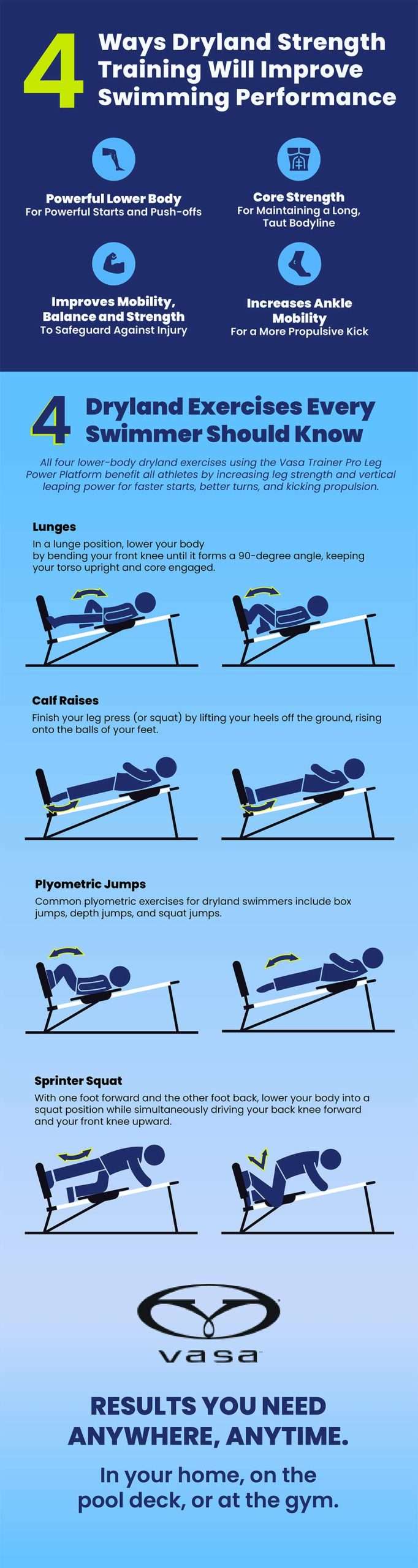
Plyometric exercises typically require explosive movements and free body motion. A leg press machine restricts movement, making it unsuitable for true plyometric training. It’s best to use open space or plyometric boxes for these exercises.
What Are Safe Leg Press Alternatives For Plyometrics?
Jump squats, box jumps, and bounding exercises are excellent plyometric alternatives. These allow explosive, dynamic movement and improve power without machine constraints. Using body weight or light resistance enhances safety and effectiveness.
Does Leg Press Improve Explosive Leg Power?
Leg press builds strength but doesn’t fully develop explosive power. Plyometrics focus on speed and quick muscle contractions, which leg press machines can’t replicate. Combining both methods yields better overall leg performance.
Can Leg Press Machines Cause Injury During Plyometrics?
Yes, attempting plyometric moves on a leg press can cause injury. The machine limits natural movement and shock absorption, increasing joint stress. Always perform plyometric exercises in safe, open environments.
Conclusion
The leg press machine suits strength training well. It is not ideal for plyometric moves. Plyometric exercises need quick, explosive motions. The machine limits speed and natural jumping. Use bodyweight or free weights for plyometrics. Focus on safety to avoid injury risks.
Mixing both methods can improve overall fitness. Choose exercises that match your workout goals. Stay consistent and listen to your body.
