Are you looking for a way to strengthen your hamstrings but don’t have access to a dedicated leg curl machine? You might be wondering, “Can I use a hyperextension bench for hamstring curls?” It’s a smart question because using the right equipment can make a big difference in your workout results.
You’ll discover how a hyperextension bench works for hamstring curls, the benefits you can expect, and some tips to get the most out of your routine. Keep reading to find out if this simple tool can help you build stronger, more flexible hamstrings without complicated gear.
Hyperextension Bench Basics
The hyperextension bench is a common piece of gym equipment. It helps strengthen your lower back, glutes, and hamstrings. Understanding its basics is important before using it for different exercises. This section explains the design and purpose of the bench. It also covers the common exercises you can do with it.
Design And Purpose
The hyperextension bench has a padded support for your hips. It also has foot holders to keep your legs steady. The bench allows you to bend forward at the waist. This motion targets the lower back muscles. The main purpose is to build strength in the lower back and hamstrings. The design keeps your body stable during the exercise. It reduces the risk of injury by supporting your body.
Common Exercises
The most common exercise is the back extension. You lie face down and lift your upper body. This works the lower back and glutes. Another exercise is the side bend, which targets the obliques. Some use the bench for reverse hyperextensions to strengthen the hamstrings. The bench is not mainly designed for hamstring curls. Hamstring curls usually need a different machine or setup. The hyperextension bench can support some hamstring work but with limits.
Hamstring Curls Explained
Hamstring curls are an exercise that strengthens the back of your thighs. They focus on the hamstring muscles. These muscles help you bend your knees and move your legs backward. Strong hamstrings improve your balance and protect your knees from injury.
Hamstring curls come in different styles. You can do them lying down, seated, or standing. Each style targets the muscles slightly differently. Using the right equipment helps you perform the exercise safely and effectively.
Muscles Targeted
The main muscles worked during hamstring curls are the hamstrings. This group includes three muscles: the biceps femoris, semitendinosus, and semimembranosus. These muscles run along the back of your thigh.
Hamstring curls also engage the calves and glutes to a small degree. The exercise improves muscle strength and flexibility. Strong hamstrings support running, jumping, and other leg movements.
Equipment Options
Hamstring curls can be done with various equipment. Machines at the gym are common. They guide your legs through the movement with padded rollers.
Resistance bands offer a portable alternative. You can attach them to a sturdy object and curl your legs. Stability balls also work well. You lie on your back and curl your legs on the ball.
A hyperextension bench can be used, but it is not designed specifically for hamstring curls. It mainly targets the lower back and glutes. Using it for curls requires caution to avoid strain.
Using A Hyperextension Bench For Hamstring Curls
Using a hyperextension bench for hamstring curls can be a smart way to target your hamstrings. This bench is usually made for back extensions, but it can also help with leg exercises. It offers a stable base and support for controlled movement. Many fitness enthusiasts use it to add variety to their workouts.
Feasibility And Safety
A hyperextension bench is strong and stable enough for hamstring curls. It supports your hips and lets your legs move freely. This setup reduces strain on your lower back. Start with light weight or no weight to avoid injury. Always check the bench’s padding and adjust the height properly. Using the bench this way is safe if you follow correct steps.
Proper Form And Technique
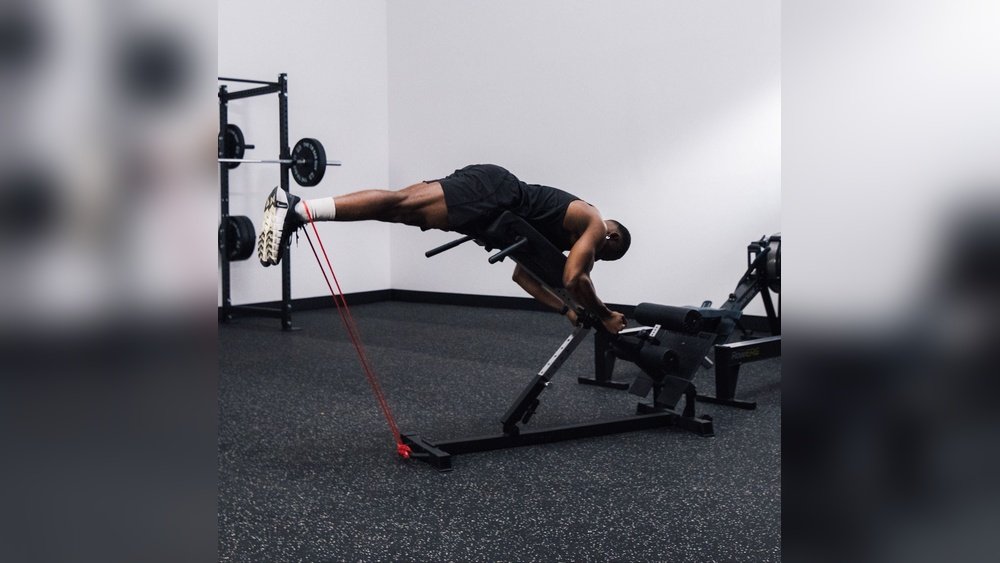
Lie face down on the bench with your hips at the edge. Hook your heels under the footpads. Keep your body straight and core tight. Slowly curl your legs upward, squeezing your hamstrings. Avoid lifting your hips off the bench. Lower your legs back down in a controlled way. Maintain a slow and steady pace to work muscles well.

Benefits Of Hamstring Curls On Hyperextension Bench
Hamstring curls on a hyperextension bench offer unique benefits. This exercise targets the hamstring muscles effectively. It also helps improve strength and flexibility. Using the hyperextension bench adds stability and control to your movements. This setup allows for a smooth and focused workout session.
Many people use this exercise to complement their leg routines. It supports injury prevention and better muscle balance. The hyperextension bench helps isolate the hamstrings better than some other tools. This makes hamstring curls on it a smart choice for many fitness levels.
Muscle Activation
The hyperextension bench allows strong hamstring muscle activation. It keeps your body stable, so the hamstrings work harder. This focused effort helps build muscle faster. The controlled movement reduces the risk of cheating or using other muscles. You feel the burn right where it matters most.
Core Engagement
Hamstring curls on this bench also engage your core muscles. Your abs and lower back work to keep balance. This adds extra benefits beyond just the hamstrings. A stronger core improves posture and overall strength. It supports your back and helps prevent injuries.
Limitations And Risks
Using a hyperextension bench for hamstring curls has some limits and risks. Understanding these helps you avoid injury and get the most from your workout. The bench is mainly made for back extensions, not hamstring curls. This affects your movement and safety.
Range Of Motion
The hyperextension bench limits how far you can bend your knees. Proper hamstring curls need a full range of motion. The bench design stops your legs from moving freely. This reduces muscle activation and workout effectiveness. You may not work the hamstrings as well as with other machines.
Potential Injury Concerns
Using the bench for hamstring curls can strain your knees or lower back. The position may put extra pressure on joints and muscles. Lack of support and improper form raises injury risk. Beginners especially should be careful to avoid harm. Choosing the right equipment is safer and more effective for hamstring training.

Alternative Hamstring Exercises
Many people want strong hamstrings but lack access to a hyperextension bench. There are simple and effective alternative exercises. These target the hamstrings well and can fit different workout settings. Below are some easy options that require minimal equipment.
Machine Hamstring Curls
Machine hamstring curls are common in gyms. They isolate the hamstrings by bending the knees against resistance. This helps build strength and muscle control. Machines guide your movement, reducing injury risk. Adjust weight to match your fitness level. This makes them good for beginners and advanced users.
Resistance Band Variations
Resistance bands are cheap and versatile tools for hamstrings. Attach the band to a low point and wrap it around your ankle. Perform leg curls by pulling your heel toward your glutes. Bands offer different tension levels for progress. They allow smooth, controlled movements that protect joints.
Bodyweight Options
Bodyweight exercises work well for hamstring strength without equipment. Try bridges by lying on your back and lifting hips up. Another choice is Nordic curls, where you lower your body forward slowly. These moves improve muscle endurance and stability. You can do them anywhere, anytime.
Tips For Maximizing Results
Maximizing results from using a hyperextension bench for hamstring curls requires smart training. Small changes in your routine can lead to big improvements. Focus on key areas like warming up, increasing load safely, and allowing your body to recover well. These tips help you build strength and avoid injury.
Warm-up And Stretching
Start every session with a proper warm-up. Light cardio gets blood flowing to your muscles. Follow with dynamic stretches to loosen your hamstrings. This reduces the chance of injury and improves your range of motion. Warm muscles perform better and recover faster.
Progressive Overload
Increase the difficulty gradually to build strength. Add more reps or sets over time. You can also slow down the movement to increase muscle tension. Never rush. Controlled, steady progress leads to better gains and fewer injuries.
Recovery Strategies
Muscle growth happens during rest. Give your hamstrings time to recover after workouts. Use foam rolling and gentle stretching to reduce soreness. Sleep well and eat enough protein. These steps help your muscles repair and grow stronger.

Frequently Asked Questions
Can I Do Hamstring Curls On A Hyperextension Bench?
Yes, you can perform hamstring curls on a hyperextension bench. It targets your hamstrings effectively with bodyweight resistance. Adjust your position for comfort and control during the movement.
Is A Hyperextension Bench Good For Hamstring Workouts?
A hyperextension bench is good for hamstring workouts. It strengthens hamstrings, glutes, and lower back. It’s a versatile tool for building posterior chain muscles safely.
How To Use A Hyperextension Bench For Hamstring Curls?
To use it for curls, secure your ankles and bend knees. Slowly curl your legs toward your glutes. Maintain control and avoid jerking movements for best results.
Are Hamstring Curls On A Hyperextension Bench Safe?
Yes, hamstring curls on a hyperextension bench are safe if done with proper form. Start slowly, avoid overextension, and listen to your body to prevent injury.
Conclusion
A hyperextension bench can help with hamstring curls, but it has limits. It works best for certain exercises but may not fully replace dedicated hamstring curl machines. Using the bench safely and with proper form is key. Mixing different exercises gives your hamstrings the best workout.
Try adding weights or resistance bands for more challenge. Stay consistent and listen to your body. Your hamstrings will get stronger over time. Keep moving and enjoy your fitness journey!
