
Have you ever wondered if you can take your workout to the next level using a hyperextension bench? Specifically, can you do single-leg exercises on it?
If you’re looking to target your glutes, hamstrings, and core more effectively, this question matters a lot. Using the hyperextension bench correctly can boost your strength and balance, but only if you know the right moves. Keep reading to discover how single-leg exercises on this bench can transform your routine—and what you need to watch out for to avoid injury.
Your next breakthrough workout could be just a few steps away.

Benefits Of Single-leg Exercises
Single-leg exercises offer many benefits for your fitness routine. They help build strength and improve how your body moves. Using one leg at a time challenges your muscles in new ways. This helps you get stronger, more balanced, and less prone to injury.
Improved Balance And Stability
Single-leg exercises train your body to stay steady on one leg. This improves your balance and control. Better balance helps in daily tasks and sports activities. It also trains small muscles that keep your joints stable.
Enhanced Muscle Activation
Working one leg at a time makes your muscles work harder. It activates more muscle fibers than two-leg exercises. This leads to stronger muscles and better coordination. You also fix muscle imbalances between your legs.
Injury Prevention
Single-leg training strengthens muscles and joints around your knees and hips. This support lowers the risk of injuries. It also improves your body’s ability to recover from strains. Stronger muscles protect you during movement and exercise.
Features Of A Hyperextension Bench
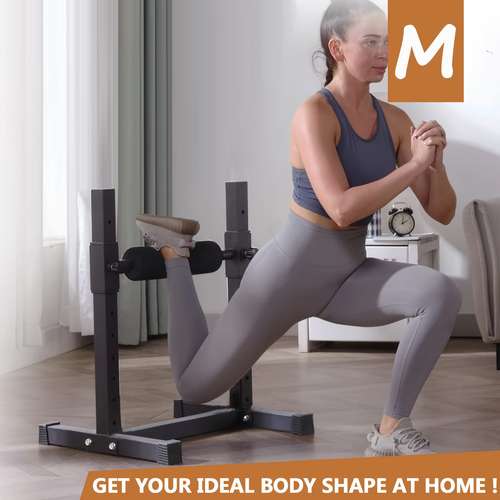
The features of a hyperextension bench play a key role in its use for exercises. Understanding these features helps you decide if single-leg exercises fit well on this equipment.
Each feature supports your body differently during workouts. This support ensures safety and effectiveness in your movements.
Design And Structure
A hyperextension bench has a sturdy frame made from steel or similar strong materials. The bench includes a padded support for your hips and thighs. There are foot holders to keep your legs stable. The design allows for bending and extending your back safely. Its shape fits the natural curve of your body. This structure helps prevent injury during exercises.
Adjustability Options
Most hyperextension benches offer adjustable height settings. This lets users of different sizes work comfortably. The foot holders can also be moved to fit different leg lengths. Some benches allow the angle of the support pad to change. These adjustments help target different muscles during workouts. Adjustability improves comfort and workout effectiveness.
Safety Considerations
Safety is a top priority with hyperextension benches. Non-slip foot pads keep your feet secure. The bench’s base is wide for stability and balance. Padding protects your body from hard surfaces. Proper use of the bench reduces the risk of strain. Always check the bench for damage before exercising. These features make your workout safer and more controlled.
Suitability Of Single-leg Exercises On The Bench
The hyperextension bench is a popular tool for back and core workouts. It also supports single-leg exercises well. These exercises help improve balance and target muscles on one side of the body. Using the bench for single-leg moves can increase strength and stability. The design of the bench allows for safe and effective single-leg training.
Types Of Single-leg Movements Possible
Single-leg hyperextensions are common on this bench. You can perform single-leg back extensions by lifting one leg at a time. It also allows for single-leg glute raises to target the hips. Some users try single-leg side bends for oblique work. These movements focus on one leg or side, increasing control and balance.
Muscle Groups Targeted
Single-leg exercises on the hyperextension bench mainly work the lower back. The glute muscles get a strong workout too. Hamstrings also activate during these moves. Core muscles, especially the obliques, engage to keep balance. These exercises improve muscle symmetry and strength on each side.
Limitations And Challenges
The bench has limits for single-leg exercises. Some moves may feel unstable without support. Beginners might struggle with balance at first. The range of motion can be smaller than with two legs. Careful form is needed to avoid strain or injury. Not all single-leg exercises fit the bench design well.
Step-by-step Guide To Single-leg Hyperextensions
Single-leg hyperextensions are a great way to strengthen your lower back and hamstrings. Using a hyperextension bench helps support your body during this exercise. This step-by-step guide explains how to do single-leg hyperextensions safely and effectively.
Follow these instructions to improve your form and avoid injury. Each step focuses on important details for the best results.
Proper Setup And Positioning
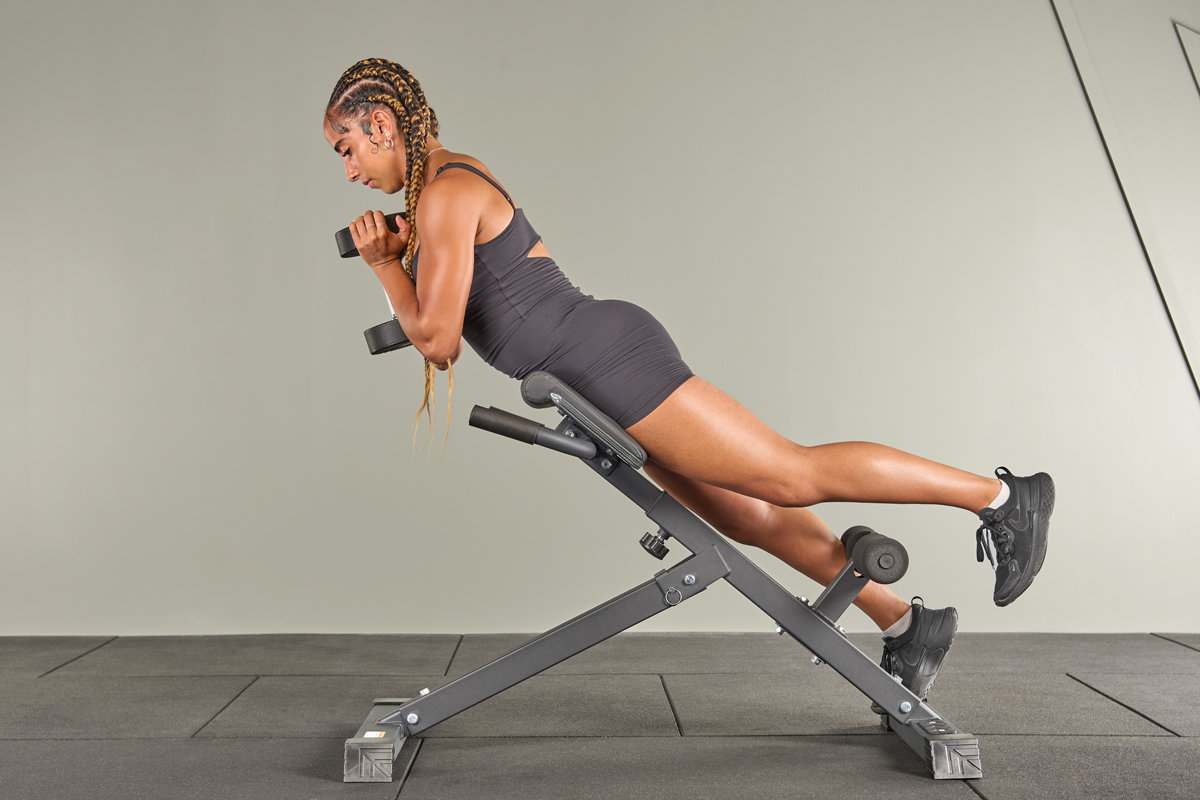
Start by adjusting the hyperextension bench. The pad should rest just below your hips. This allows free movement of your upper body. Place one foot on the footrest and extend the other leg straight back. Keep your body straight and your hands crossed over your chest or behind your head. Keep your core tight to support your lower back.
Execution Technique
Slowly lower your upper body towards the floor. Keep your back straight and avoid rounding your spine. Stop when your torso is nearly parallel to the floor. Use your lower back and hamstrings to lift your body back up. Raise your torso until it aligns with your legs. Repeat for the desired number of repetitions. Switch legs and repeat the same steps.
Common Mistakes To Avoid
Do not let your hips drop off the pad. Avoid bending your knees or twisting your body. Do not use momentum to lift yourself up. Avoid arching your back too much at the top. Keep movements slow and controlled to prevent injury.
Alternative Single-leg Exercises
Single-leg exercises improve balance, strength, and muscle control. They target each leg separately for better muscle symmetry. Using a hyperextension bench for single-leg work can be tricky. Many prefer alternative exercises that are safer and more effective. These alternatives can be done with bodyweight or simple equipment. They also offer progressions to match your skill level.
Bodyweight Options
Bodyweight exercises require no equipment and are easy to do anywhere. Single-leg squats help build leg strength and balance. Step-ups on a low platform also work the legs and glutes. Lunges target the thighs and improve stability. These moves are simple but effective for beginners and advanced users.
Using Other Equipment
Resistance bands add gentle tension for muscle growth and control. Dumbbells increase the challenge and help build strength. A stability ball improves core engagement during single-leg moves. Kettlebells allow dynamic exercises like single-leg deadlifts. These tools diversify workouts and make training more fun.
Progressions And Variations
Start with easy versions like assisted single-leg squats. Gradually add weight or increase reps for more challenge. Try slow, controlled movements to improve muscle activation. Add balance challenges such as standing on a cushion. Changing tempo or range of motion keeps workouts fresh and effective.
Safety Tips And Precautions
Doing single-leg exercises on a hyperextension bench can boost your balance and strength. Safety is key to avoid injuries and get good results. Follow simple tips and take precautions before and during your workout.
Warm-up Recommendations
Start with light cardio for 5-10 minutes to raise your heart rate. Stretch your hamstrings, glutes, and lower back gently. Warm muscles work better and reduce injury risks. Try bodyweight movements like leg swings and hip circles. Warm-ups prepare your body for the exercise’s demands.
Spotting And Support
Use a spotter for extra safety during single-leg hyperextensions. A friend can help stabilize your body and correct form. Hold onto the bench handles firmly to maintain balance. Keep your movements slow and controlled. Avoid sudden jerks or twists that may strain muscles.
When To Avoid Single-leg Hyperextensions
Avoid these exercises if you feel lower back pain or discomfort. Skip them after recent surgeries or injuries in your back or legs. Pregnant women should consult a doctor before trying. Stop if you feel dizziness or sharp pain during the workout. Prioritize your health over pushing through pain.
Frequently Asked Questions
Can I Perform Single-leg Exercises On A Hyperextension Bench?
Yes, you can do single-leg exercises on a hyperextension bench. They target glutes and hamstrings effectively, improving balance and strength.
What Are The Benefits Of Single-leg Hyperextensions?
Single-leg hyperextensions enhance muscle balance, core stability, and unilateral strength. They help correct muscle imbalances and reduce injury risk.
How Do I Safely Do Single-leg Exercises On This Bench?
Start slow with controlled movements. Secure your hips and keep your back straight to avoid strain and maintain proper form.
Are Single-leg Exercises Better Than Double-leg On This Bench?
Single-leg exercises offer unilateral strength and balance benefits. Double-leg exercises focus more on overall lower back and hamstring strength.
Conclusion
Single-leg exercises on a hyperextension bench are possible and effective. They help build balance and strengthen muscles evenly. Start slowly to avoid injury and focus on form. Use light weights or no weights at first. These exercises fit well into many workout routines.
Try adding them to your sessions for better results. Your body will thank you for the extra care. Keep practicing and stay consistent for steady progress. Simple steps lead to strong and healthy muscles. Give it a try and feel the difference.
