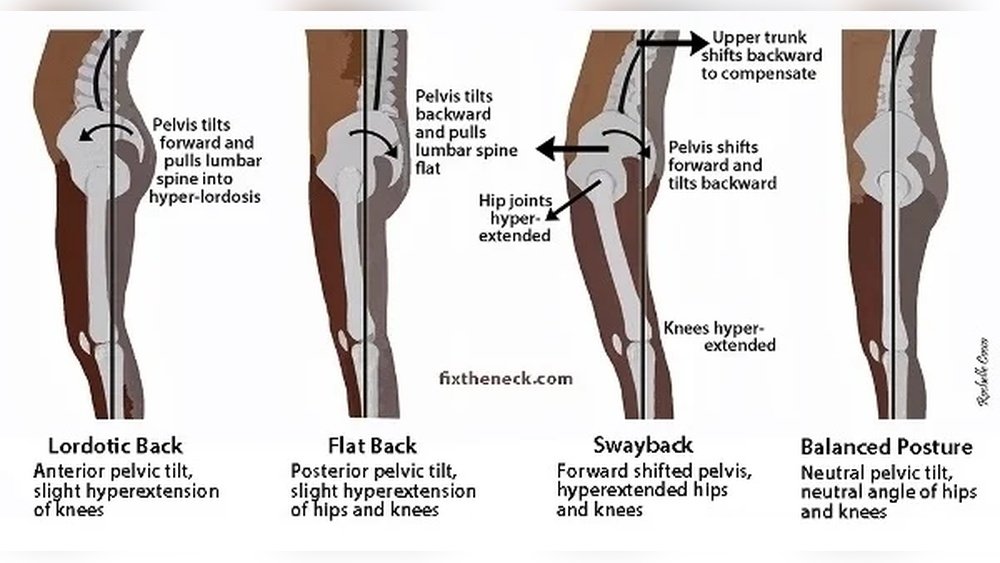
Are you struggling with poor posture and wondering if hyperextensions can help? You’re not alone.
Many people look for simple exercises to fix their posture but aren’t sure what really works. Hyperextensions are often recommended, but can they truly make a difference for your posture? You’ll discover how hyperextensions affect your body, whether they’re safe, and how to use them the right way to stand taller and feel better every day.
Keep reading—you might be just one step away from improving your posture for good.
Benefits Of Hyperextensions
Hyperextensions offer several benefits for posture correction. This exercise targets key muscles that support the spine. It helps improve strength and alignment in the back. Many people use hyperextensions to reduce pain and stiffness. The movement also aids in building a stronger core. These benefits work together to enhance overall posture.
Strengthening Lower Back
Hyperextensions focus on the lower back muscles. Stronger lower back muscles support the spine better. This strength reduces the risk of injury and pain. It helps maintain an upright posture throughout the day. A strong lower back is essential for good posture.
Improving Spinal Alignment
Regular hyperextensions encourage proper spinal alignment. The exercise helps correct slouched or rounded backs. It promotes a natural curve in the lower spine. This alignment eases tension and discomfort in the back. Better spinal alignment supports a healthier posture.
Enhancing Core Stability
Hyperextensions engage the core muscles deeply. A stable core supports the spine and pelvis. Core strength helps keep the body balanced and steady. It prevents excessive strain on the back muscles. Enhanced core stability improves posture and reduces fatigue.

Hyperextensions And Posture
Hyperextensions are a common exercise for the lower back. They help strengthen muscles that support the spine. Strong back muscles can improve posture over time. Many people wonder if hyperextensions help fix posture problems.
Understanding how hyperextensions affect posture is important. This exercise targets key muscles that keep the body upright. It can also help reduce common posture issues like rounded shoulders and forward head posture.
Impact On Postural Muscles
Hyperextensions focus on the erector spinae muscles. These muscles run along the spine. They keep the back straight and stable. Strong erector spinae reduce slouching. This helps maintain a natural spine curve.
Hyperextensions also engage the glutes and hamstrings. These muscles support the hips and lower back. Balanced strength here improves overall posture. Weak postural muscles often cause back pain and poor alignment.
Correcting Rounded Shoulders
Rounded shoulders happen when chest muscles tighten. Upper back muscles become weak and stretched. Hyperextensions help strengthen the upper and middle back. This pulls the shoulders back into a better position.
Strong back muscles reduce muscle imbalance. They stop the shoulders from rolling forward. Better shoulder alignment improves breathing and reduces neck strain.
Reducing Forward Head Posture
Forward head posture puts strain on the neck. It happens when the head leans forward too much. Hyperextensions strengthen the muscles at the base of the skull and upper spine. This support helps bring the head back into alignment.
Improved neck strength reduces tension and discomfort. It also helps keep the spine in a healthier posture overall.
Proper Hyperextension Technique
Proper hyperextension technique is important for posture correction. Using the right form helps strengthen your lower back safely. It also improves your spinal alignment. Practicing good technique reduces injury risk and maximizes benefits.
Body Positioning
Start by lying face down on a hyperextension bench. Position your hips on the pad. Your upper thighs should rest on the support. Keep your feet firmly against the footplate. Your body should form a straight line from head to heels.
Keep your neck neutral. Avoid looking up or down. This protects your spine and keeps posture correct.
Controlled Movement
Lower your upper body slowly towards the floor. Stop when you feel a stretch, not pain. Use your lower back muscles to raise your torso back up. Avoid jerking or swinging your body. Move in a smooth, steady motion.
Focus on small, controlled movements. This helps build strength and improves posture over time.
Common Mistakes To Avoid
Do not overextend your back past the straight line. This can cause strain and injury. Avoid bending at the waist instead of using your back muscles. Do not let your hips lift off the pad. Keep your core tight throughout the exercise.
Do not use momentum or fast movements. These reduce exercise effectiveness and increase risk. Proper form matters more than speed or reps.
Safety Precautions
Safety is key when doing hyperextensions for posture correction. These exercises target your lower back and help strengthen muscles. Proper care prevents injury and makes your workout more effective. Follow simple steps to stay safe and get good results.
Warm-up Recommendations
Start with light cardio to increase blood flow. Try walking or gentle cycling for five to ten minutes. Warm muscles reduce the chance of strains during hyperextensions. Add some dynamic stretches focusing on your back and hips. This prepares your body for the movement.
Avoiding Overextension
Do not bend your back too far during hyperextensions. Overextending can cause pain and damage to your spine. Keep your movements slow and controlled. Stop when you feel tension, not pain. Maintain a neutral spine to protect your lower back.
When To Skip Hyperextensions
Avoid hyperextensions if you have back pain or injuries. Consult a healthcare professional before starting this exercise. Skip the exercise during pregnancy or if you feel discomfort. Listen to your body and rest when needed. Choose safer alternatives if unsure about your condition.
Complementary Exercises For Posture
Correcting posture needs more than just one exercise. A mix of activities helps balance muscles and improve alignment. Hyperextensions alone might not fix all posture problems. Combining them with other moves gives better results. Focus on exercises that strengthen, stretch, and engage key muscles.
Strengthening Upper Back
Strong upper back muscles pull your shoulders back. This reduces slouching and forward head posture. Try rows or reverse flys with light weights or resistance bands. Aim for slow, controlled movements to activate the right muscles. Strengthening this area supports your spine and improves posture.
Stretching Chest Muscles
Tight chest muscles pull your shoulders forward. Stretching these muscles opens your chest and eases tension. Use doorframe stretches or gentle chest openers. Hold each stretch for 20 to 30 seconds. Stretching helps balance the muscles in front and back of your body.
Core Engagement Drills
Your core stabilizes your spine all day long. Weak core muscles lead to poor posture and back pain. Practice simple core exercises like planks and dead bugs. Focus on pulling your belly button toward your spine. A strong core keeps your body upright and steady.
Creating A Posture Correction Routine
Creating a posture correction routine helps improve your body alignment over time. A good routine includes exercises like hyperextensions, focused on strengthening your back muscles. Consistency and gradual progress are key to better posture. Here are important points to consider.
Frequency And Duration
Start with two to three sessions per week. Each session should last about 10 to 15 minutes. Avoid doing hyperextensions every day to prevent muscle strain. Give your body time to rest and recover. Consistent effort over weeks will show results.
Progressive Overload
Increase the difficulty slowly to build strength. Add more repetitions or sets step by step. You can also hold the position longer during each hyperextension. This helps muscles adapt and grow stronger. Do not rush; gradual progress is safer and more effective.
Tracking Improvement
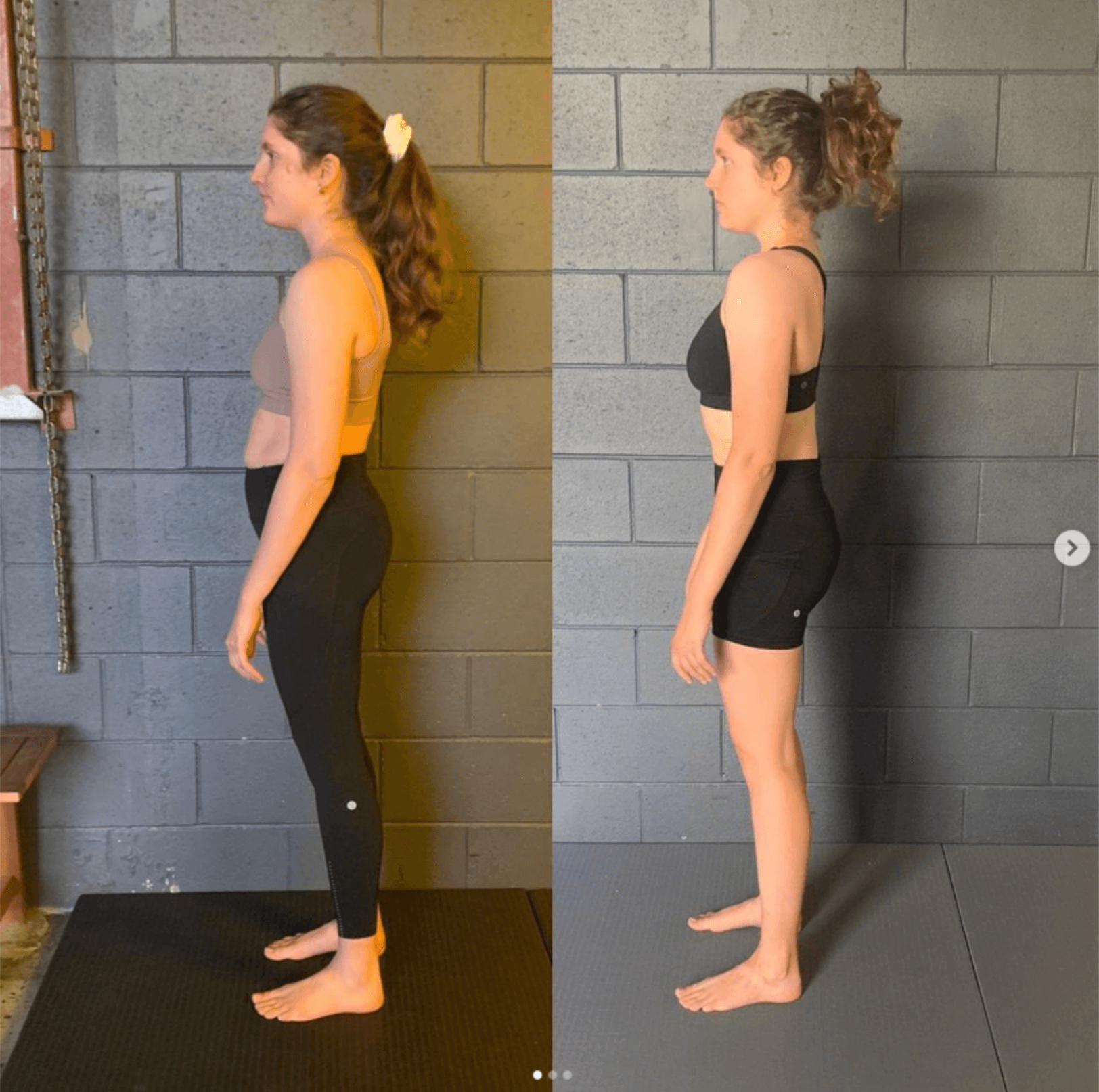
Keep a simple log of your sessions and progress. Note the number of sets, reps, and how you feel after exercises. Take pictures to compare your posture over time. Tracking helps you stay motivated and see real changes. Adjust your routine based on your progress.

Frequently Asked Questions
Can Hyperextensions Improve Posture Effectively?
Yes, hyperextensions strengthen the lower back and core muscles. This support helps align the spine and reduces slouching, improving posture over time.
Are Hyperextensions Safe For Posture Correction?
When done with proper form, hyperextensions are safe. Avoid overextending your back to prevent strain or injury during posture correction exercises.
How Often Should I Do Hyperextensions For Posture?
Perform hyperextensions 2-3 times a week. Consistent practice with rest days helps strengthen muscles without causing fatigue or injury.
Can Hyperextensions Reduce Back Pain From Poor Posture?
Yes, they target muscles that support the spine. Strengthening these muscles can alleviate back pain caused by poor posture.
Conclusion
Hyperextensions can help improve posture when done correctly. They strengthen your lower back and core muscles. Start slowly and focus on form to avoid injury. Combine with other exercises for best results. Always listen to your body and rest when needed.
Consult a professional if unsure about your technique. Consistency matters more than intensity. Better posture takes time and patience. Keep moving and stay mindful of your posture daily. Small steps lead to big improvements.
