
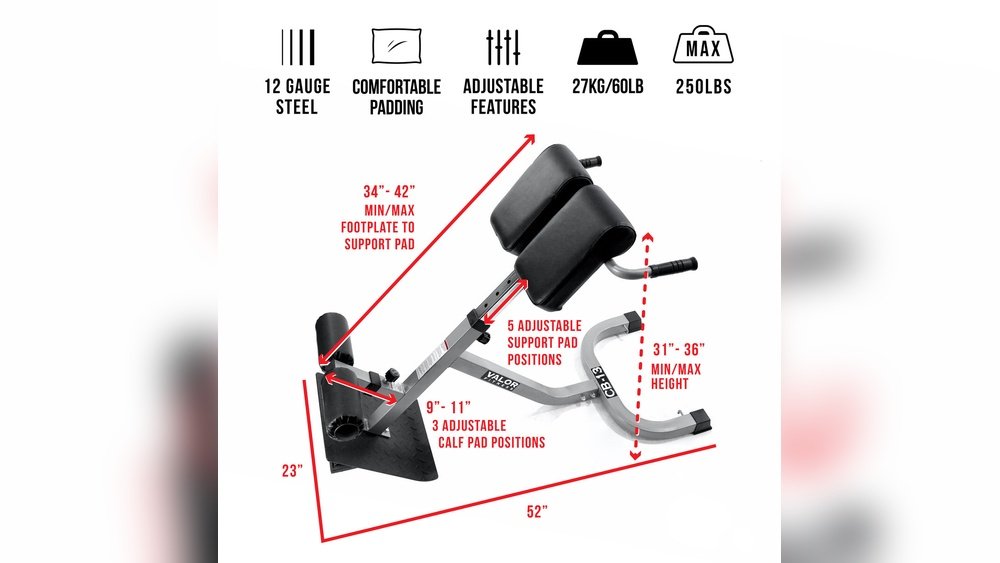
Are you wondering if you can adjust the footplate angle on your hyperextension bench? Getting the right angle can make a huge difference in your comfort and workout results.
If your bench doesn’t fit your body perfectly, you might feel strain or miss out on targeting the right muscles. You’ll discover how to check if your bench allows adjustments, why it matters, and simple tips to find the perfect setup for your workouts.
Keep reading to make sure your hyperextension routine is safe, effective, and tailored just for you.
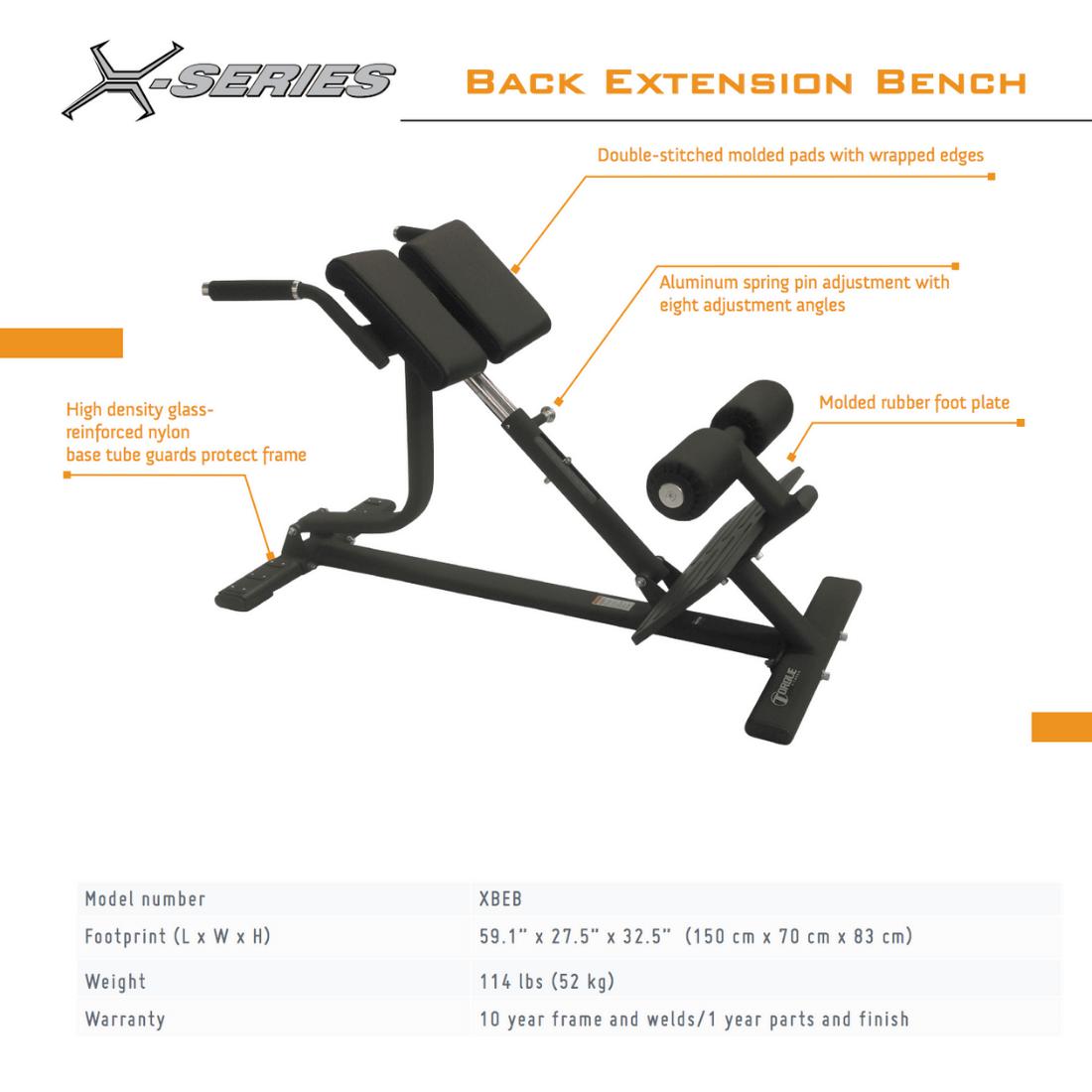
Footplate Angle Basics
The footplate angle on a hyperextension bench plays a key role in your workout comfort and effectiveness. Adjusting this angle changes how your feet rest and how your body moves. Understanding the basics of footplate angles helps you use the bench safely and get better results. This section covers why footplate adjustment matters and the common settings you will find.
Purpose Of Footplate Adjustment
Adjusting the footplate angle helps fit the bench to your body size. It allows better support for your feet during exercises. Proper adjustment reduces strain on your ankles and knees. It also improves your balance and control while working out. Changing the angle can target different muscle groups more effectively. This simple change can make exercises more comfortable and safer.
Common Angle Settings
Most hyperextension benches offer footplate angles between 0 and 30 degrees. A flat angle (0 degrees) is common for beginners and general use. Angles around 15 degrees add slight elevation for better foot grip. Higher angles, near 30 degrees, increase leg support and stability. Some benches have fixed angles, while others allow easy adjustments. Choose the angle that feels natural and supports your workout goals.

Checking Your Bench Model
Before adjusting the footplate angle on your hyperextension bench, check your bench model carefully. Not all benches allow changes to the footplate angle. Understanding your bench type helps avoid damage and ensures proper use. This section explains how to identify whether your bench supports adjustments.
Fixed Vs Adjustable Footplates
Some benches have fixed footplates. These do not move or change angle. They provide a stable base but limit customization. Adjustable footplates let you change the angle to fit your comfort. This feature improves workout variety and targets muscles differently.
Identifying Adjustment Mechanisms
Look closely at the footplate area. Adjustable benches have visible knobs, levers, or pins. These parts unlock the footplate for angle changes. Fixed benches lack these mechanisms. Check your bench manual if unsure. Knowing this helps you adjust safely and correctly.
Step-by-step Adjustment Guide
Adjusting the footplate angle on a hyperextension bench can improve comfort and workout effectiveness. Follow this simple guide to make changes safely and easily. Each step helps you customize your bench for better support and performance.
Tools You Might Need
Most benches have adjustable footplates that require basic tools. Usually, a wrench or Allen key fits the bolts. Some models may need a screwdriver. Keep these tools nearby before starting. Having the right tools makes the process faster and safer.
Safe Adjustment Practices
Start by placing the bench on a flat surface. Check that the bench is stable and won’t move. Loosen the bolts or screws slightly, just enough to adjust the footplate. Move the footplate to the angle you prefer. Tighten the bolts firmly to secure the position. Avoid overtightening, which can damage parts. Always test the bench after adjusting to ensure safety. Make small changes to find the best angle for your body.

Benefits Of Adjusting The Angle
Adjusting the footplate angle on a hyperextension bench changes how your body moves during exercise. This small change can make a big difference in your workout. It helps you work muscles better and feel more comfortable. Adjusting the angle lets you customize your exercise to fit your needs. It can also reduce strain and improve your form.
Targeting Different Muscle Groups
Changing the footplate angle shifts focus to different muscles. A steeper angle works your lower back more. A flatter angle targets your hamstrings and glutes better. This variety helps you build strength in many areas. It also prevents your muscles from getting used to one movement. You can train hard and avoid plateaus by switching angles.
Improving Exercise Comfort
Footplate angle affects how your body feels during exercise. Adjusting it can reduce pressure on your ankles and knees. It also helps keep your spine safe and aligned. Comfort means you can exercise longer and with better form. This lowers the chance of injury. A good angle makes the workout easier and more enjoyable.
Common Mistakes To Avoid
Adjusting the footplate angle on a hyperextension bench can improve comfort and effectiveness. But mistakes during adjustment can cause discomfort or injury. Avoiding these common errors helps you get the best from your workout.
Over-adjusting The Angle
Changing the footplate angle too much can cause strain. Your body needs stable support during exercises. Large angle shifts may lead to poor form and muscle pain. Make small adjustments to find the right position. Test the angle carefully before starting your routine.
Ignoring Manufacturer Guidelines
Every hyperextension bench has specific adjustment rules. Ignoring these can damage the bench or harm you. Read the manual for the correct footplate angle range. Follow safety instructions closely. Using the bench outside recommended settings risks injury and reduces workout quality.
Expert Tips For Optimal Use
Using the hyperextension bench the right way helps protect your back and improves results. Small changes can make a big difference. Adjusting the footplate angle is one way to get the most from your workout. Experts suggest a few tips to help you use the bench safely and effectively. These tips focus on fitting the bench to your body and mixing exercises for balance.
Personalizing Based On Body Type
Every body is different. Adjust the footplate angle to match your height and leg length. This prevents strain on your knees and ankles. A slight tilt can improve comfort and support. Test small changes before starting your full workout. Find the angle where you feel stable and relaxed. This reduces injury risk and helps you focus on the exercise.
Combining With Other Exercises
Use the hyperextension bench with other moves to target your core fully. Add planks, bridges, or bird-dogs to balance your routine. This combination strengthens back muscles and improves posture. Adjusting the footplate angle helps prepare your body for these varied exercises. A balanced workout reduces muscle tightness and boosts flexibility.
Maintenance After Adjustment
After adjusting the footplate angle on your hyperextension bench, proper maintenance keeps it safe and effective. Regular care prevents wear and keeps all parts working well. This helps you avoid accidents and extends the bench’s life.
Regular Checks For Stability
Check the footplate and bench for any wobbling or loose parts. Tighten bolts and screws regularly. Make sure the footplate stays firmly in place during exercises. Stability ensures safe workouts and better performance.
Lubricating Moving Parts
Apply lubricant to hinges and joints to reduce friction. Use a light oil or silicone spray for smooth movement. Lubrication stops squeaks and prevents metal parts from rusting. Keep the bench moving quietly and easily.
Frequently Asked Questions
Can I Change The Footplate Angle On All Hyperextension Benches?
Not all hyperextension benches allow footplate angle adjustments. Check the product specifications to confirm if the model supports angle changes. Adjustable footplates enhance comfort and workout effectiveness by targeting muscles differently.
Why Adjust The Footplate Angle On A Hyperextension Bench?
Adjusting the footplate angle helps target different muscle groups. It improves exercise comfort and range of motion. Proper angle adjustment can reduce strain and prevent injury during hyperextension workouts.
How Do I Adjust The Footplate Angle Safely?
Locate the adjustment mechanism, usually a pin or lever. Release it gently before moving the footplate to the desired angle. Secure the mechanism firmly to prevent movement during exercise.
Does Footplate Angle Affect Workout Intensity?
Yes, changing the footplate angle can increase or decrease workout intensity. A steeper angle typically increases muscle activation. Adjust according to your fitness level and training goals.
Conclusion
Adjusting the footplate angle on a hyperextension bench helps target muscles better. It allows you to find a comfortable and effective position. Most benches offer simple ways to change the angle. Always check your bench’s instructions before making changes. Small adjustments can improve your workout quality.
Try different angles to see what feels best. This can reduce strain and increase benefits. Keep safety in mind during every adjustment. Enjoy a more personalized and effective exercise routine.
