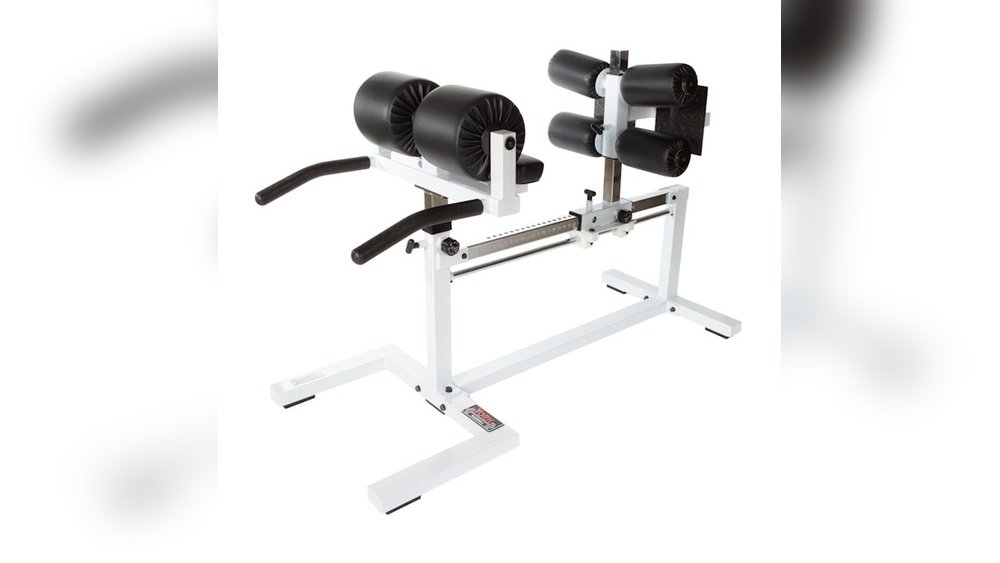
Are you looking for a simple way to boost your athletic performance? If so, you might want to consider hyperextension benches.
These benches are often overlooked but could be the key to stronger muscles and better endurance. Imagine improving your speed, power, and overall fitness just by adding one piece of equipment to your routine. Keep reading to discover how hyperextension benches work and whether they can really help you reach your athletic goals.
Benefits Of Hyperextension Benches
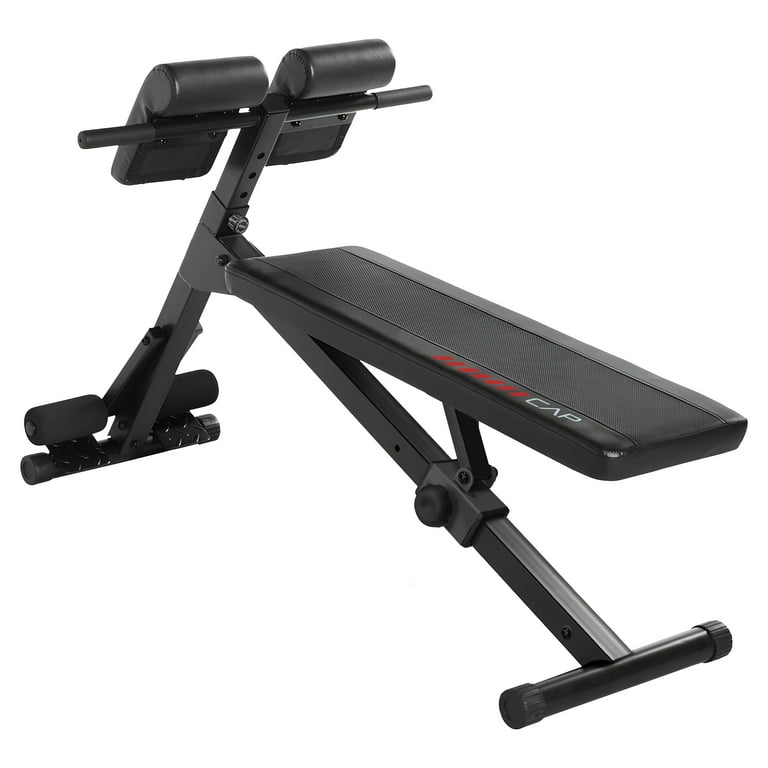
Hyperextension benches offer many benefits for athletes and fitness lovers. They help build strength in key areas of the body. Using these benches regularly can improve your overall athletic performance. Focused exercises on these benches target muscles that are often hard to train.
These benches support safe and effective workouts. They allow controlled movement to avoid injury. Training on hyperextension benches also helps improve balance and posture. This leads to better body control during sports and daily activities.
Targeted Muscle Activation
Hyperextension benches focus on the lower back, glutes, and hamstrings. These muscles play a big role in many sports. Activating them strengthens your body’s foundation. Strong muscles mean better power and endurance. This helps you run faster and jump higher.
The bench isolates these muscles to work harder. Isolation improves muscle tone and reduces weakness. This targeted approach supports injury prevention too.
Enhanced Core Stability
Core muscles stabilize your body during movement. Hyperextension exercises engage the core deeply. A strong core improves balance and coordination. It helps maintain control during complex sports moves. Better core stability also reduces back pain risk.
Training on the bench challenges your core in new ways. This builds strength and endurance in the midsection. A stable core supports all athletic activities effectively.
Improved Posture And Balance
Good posture supports efficient movement and reduces strain. Hyperextension benches strengthen postural muscles along the spine. Strengthening these muscles improves your body alignment. Improved posture leads to better balance during sports.
Balance is key for agility and quick reactions. Exercises on the bench develop this skill naturally. Enhanced posture and balance help prevent falls and injuries.
How Hyperextension Boosts Strength
Hyperextension exercises target key muscle groups that support your body. They help improve strength by focusing on muscles that many workouts miss. Stronger muscles in these areas lead to better athletic performance and less injury risk.
This section explains how hyperextension builds strength in important parts of the body. It shows why these exercises matter for athletes and active people.
Strengthening Lower Back Muscles
Hyperextension exercises focus mainly on the lower back muscles. These muscles support your spine and help keep your posture upright. Strong lower back muscles reduce pain and improve endurance. They help you stay stable during running, jumping, and lifting.
Engaging Glutes And Hamstrings
Hyperextensions also activate the glutes and hamstrings effectively. These muscles power your hips and legs. Strengthening them improves speed and jumping ability. It also helps prevent injuries by balancing muscle strength around your hips.
Increasing Spinal Flexibility
Regular hyperextension work increases spinal flexibility and mobility. A flexible spine moves more easily and absorbs shocks better. This flexibility helps with quick changes in direction and better body control. It makes your movements smoother and safer.
Incorporating Benches Into Training
Adding hyperextension benches to training helps athletes build strong lower backs. These benches target muscles like the glutes and hamstrings. Strengthening these areas supports better posture and reduces injury risk. Using benches correctly can improve overall athletic performance.
Workout Routines For Athletes
Start with a warm-up to prepare muscles. Use the bench for back extensions and glute raises. Perform 2 to 3 sets of 10 to 15 reps. Combine with other exercises like planks and squats. This creates a balanced workout that strengthens the whole body.
Frequency And Intensity Tips
Train 2 to 3 times per week for best results. Allow rest days for muscle recovery. Increase intensity by adding weight or more reps gradually. Keep the movement slow and controlled to avoid injury. Listen to your body and adjust as needed.
Common Mistakes To Avoid
Avoid arching the back too much during exercises. Do not use momentum to lift your body. Keep the spine neutral and engage core muscles. Avoid overtraining, which can cause strain or pain. Focus on form rather than speed or heavy weights.
Comparing Hyperextension To Other Exercises
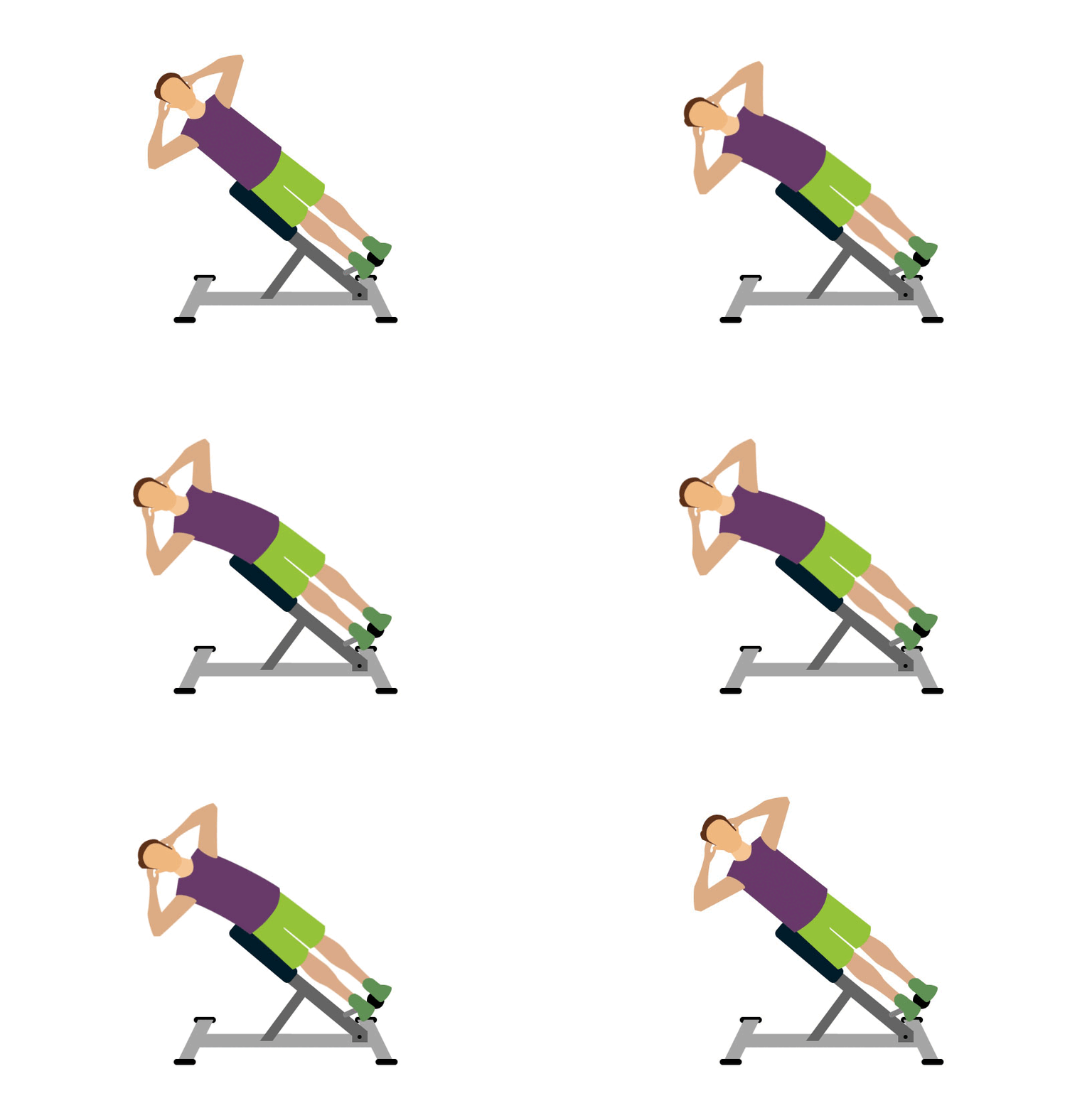
Hyperextension benches target the lower back and core muscles. Comparing them with other exercises helps find the best fit for training goals. Each exercise works muscles differently and suits different fitness levels. Understanding these differences guides better workout choices.
Versus Deadlifts And Back Extensions
Deadlifts work many muscles, including legs, back, and core. They build overall strength but need proper form to avoid injury. Hyperextensions focus more on the lower back and spinal erectors. Back extensions are similar but often use body weight only. Hyperextensions allow for controlled movement and less strain than heavy deadlifts.
Complementing Weightlifting Regimens
Hyperextension benches add value to weightlifting routines. They strengthen muscles that support heavy lifts like squats and deadlifts. This support reduces injury risk and improves lifting form. Using hyperextensions alongside weight training builds a balanced and strong back.
Benefits Over Machine Alternatives
Hyperextension benches provide a natural range of motion. Machines may restrict movement and isolate muscles differently. Benches encourage core stability and engage multiple muscles. They also improve balance and control better than machines.
Safety Measures And Injury Prevention
Using a hyperextension bench can help boost athletic skills. Safety is the top priority to avoid injuries. Proper care and smart habits keep workouts safe and effective. Follow these tips to protect your body and improve performance.
Proper Form Guidelines
Keep your back straight during exercises. Avoid bending too far backward. Use slow and controlled movements. Tighten your core muscles for support. Stop if you feel pain or discomfort. Proper form helps prevent muscle strain and injury.
Warm-up And Cool-down Practices
Start with light cardio to warm muscles. Stretch gently before using the bench. This prepares your body for exercise. After training, cool down with slow stretching. It helps reduce muscle soreness and stiffness. Warm-up and cool-down lower injury risks.
Listening To Your Body
Pay attention to how your body feels. Stop if you notice sharp pain. Rest if you feel tired or weak. Avoid pushing past your limits. Gradually increase exercise intensity over time. Respecting your body helps prevent injuries and burnout.
Choosing The Right Hyperextension Bench
Picking the right hyperextension bench matters for better results. The right bench helps you exercise safely and effectively. It supports your body and targets muscles well. This section guides you through key points to consider.
Features To Look For
Look for strong, durable materials like steel frames. Non-slip footrests keep your feet secure during exercises. Thick padding offers comfort and reduces pressure on your hips. A wide base adds stability and prevents wobbling. Check if the bench can support your weight safely.
Adjustability And Comfort
Adjustable height suits different body sizes. Adjustable pads help find the right position. Comfort matters to avoid pain or injury. Soft cushions reduce strain on your lower back. Choose benches that allow easy adjustments without tools.
Budget Considerations
Set a budget before shopping. Basic models are affordable but may lack features. Mid-range benches balance quality and price well. Higher-end benches often last longer and feel more comfortable. Think about how often you will use the bench.

Frequently Asked Questions
What Muscles Do Hyperextension Benches Target?
Hyperextension benches primarily target the lower back, glutes, and hamstrings. These muscles are crucial for core strength and stability. Strengthening them improves posture and athletic performance, especially in activities requiring strong hip extension and spinal control.
Can Hyperextension Benches Reduce Injury Risk?
Yes, hyperextension benches help reduce injury risk by strengthening the lower back and core muscles. A strong core stabilizes the spine during athletic movements, lowering the chance of strains and sprains. Proper use enhances overall body balance and injury prevention.
How Often Should Athletes Use Hyperextension Benches?
Athletes should use hyperextension benches 2-3 times per week. This frequency allows muscle recovery and optimal strength gains. Consistent training improves endurance and power, contributing to better athletic performance without overtraining.
Do Hyperextension Benches Improve Athletic Performance?
Hyperextension benches improve athletic performance by enhancing core strength and spinal stability. Stronger lower back and hamstrings boost power, speed, and balance. These benefits translate into better performance in sports and physical activities.
Conclusion
Hyperextension benches help strengthen your lower back and core muscles. Strong muscles support better posture and reduce injury risk. Athletes often use these benches to improve endurance and stability. Consistent practice can lead to better performance in many sports. Small steps make a big difference over time.
Try adding hyperextension exercises to your routine. Feel the benefits in your strength and balance. Simple tools can lead to steady progress. Keep working, stay patient, and notice improvements soon.
