Are you looking for a way to boost your athletic performance? You might have seen the leg press machine at the gym and wondered if it can actually help you jump higher, run faster, or get stronger.
The good news is, this simple machine could be a game-changer for your workouts. But how exactly does it work, and can it really make a difference in your sport? Keep reading to find out how the leg press machine might be the secret weapon you’ve been missing to reach your peak performance.
Leg Press Machine Basics
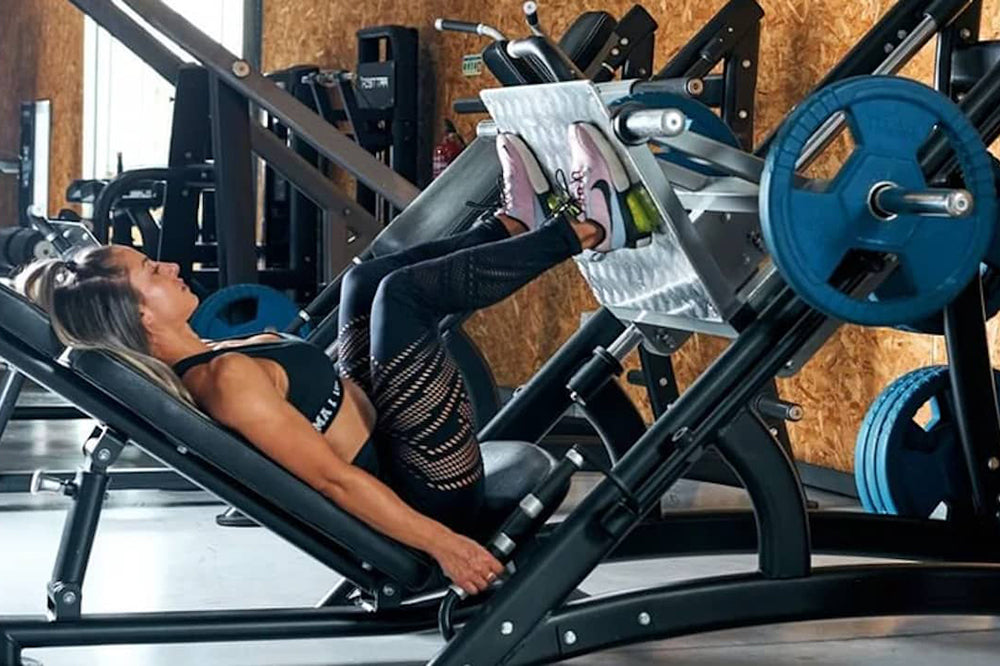
The leg press machine is a popular tool in gyms for building leg strength. It offers a safe way to push heavy weights using your legs. This machine helps athletes and fitness lovers improve lower body power. Understanding its basics can help you use it better and gain more benefits.
How It Works
The leg press machine has a platform where you place your feet. You push this platform away by extending your legs. The machine moves along guided tracks, keeping your movement controlled. You can adjust the weight to match your strength level. This setup supports your back and reduces injury risk. It allows focused work on leg muscles without balance problems.
Muscle Groups Targeted
The primary muscles worked are the quadriceps at the front of your thighs. The glutes, or butt muscles, also get a strong workout. Hamstrings at the back of your thighs help in the pressing action. Calf muscles assist in the full movement too. The leg press engages multiple leg muscles together for strength. This makes it useful for many sports requiring leg power.
Power Benefits For Athletes
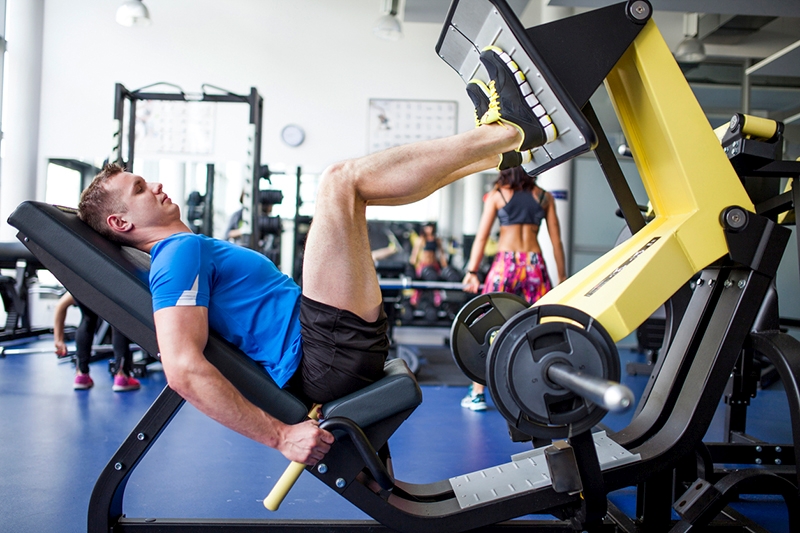
The leg press machine offers key power benefits for athletes. It targets major muscles in the legs, helping build strength quickly. Stronger legs mean better performance in many sports. Athletes can train safely and with control on this machine.
Explosive Strength Gains
The leg press helps develop explosive power. This is the ability to push off the ground fast. Explosive strength is crucial for sprinting, jumping, and quick direction changes. The machine allows athletes to push heavy weights fast. This trains fast-twitch muscle fibers, which create quick bursts of power. Regular training on the leg press improves speed and acceleration.
Improved Lower Body Force
The leg press builds overall force in the lower body. Stronger muscles can produce more force during athletic moves. This helps with running, kicking, and lifting. The machine targets the quads, hamstrings, glutes, and calves together. Balanced strength reduces injury risk and improves stability. Athletes gain better control and power from stronger legs.
Comparing Leg Press To Other Exercises
Choosing the right exercise matters for better athletic performance. The leg press machine and other exercises work muscles differently. Understanding these differences helps improve training results. Let’s explore how the leg press compares to popular exercises.
Leg Press Vs Squats
Squats use your body weight and free weights. They target many muscles, including core and back. The leg press focuses more on the legs alone. Squats require balance and coordination. The leg press offers more support and stability.
Squats engage more muscles and improve functional strength. The leg press allows heavier weights with less risk of injury. Squats improve movement patterns used in sports. The leg press isolates leg muscles for focused strength.
Complementing Free Weights
Using the leg press with free weights creates balanced workouts. Free weights improve balance and core strength. The leg press helps build leg power safely. Both exercises together improve overall athletic ability.
Free weights train your body to move naturally. The leg press helps add strength without stressing joints. Mixing both types gives variety and reduces workout plateaus. This combination supports stronger legs and better performance.
Training Tips For Maximum Power
Training for maximum power on the leg press machine requires focus and good planning. Proper technique and smart workout choices help build strength and speed. The right steps boost your athletic performance safely and effectively.
Proper Form And Technique
Start with your feet shoulder-width apart on the platform. Keep your back flat against the seat. Push the weight using your heels, not your toes. Avoid locking your knees at the top. Controlled movement prevents injuries and builds power.
Optimal Sets And Reps
Use moderate to heavy weights for power training. Aim for 3 to 5 sets per session. Perform 4 to 8 reps in each set. Rest for 2 to 3 minutes between sets. This balance helps muscles recover and grow stronger.
Progressive Overload Strategies
Increase the weight gradually over weeks. Add small weight increments each session. Another option is to add more reps with the same weight. Challenge your muscles to adapt and improve. Consistency is key to long-term power gains.
Avoiding Common Pitfalls
Using a leg press machine can boost athletic skills. But mistakes can cause harm or slow progress. Avoiding common pitfalls keeps workouts safe and effective. Focus on correct use and balanced training.
Preventing Injury
Injuries happen from poor form or too much weight. Keep your back flat against the pad. Push through your heels, not your toes. Move slowly and control each repetition. Stop if you feel pain in knees or lower back.
Balancing Muscle Groups
Leg press targets mainly quads and glutes. Other muscles like hamstrings and calves need attention too. Use exercises like hamstring curls and calf raises. Balanced muscles help improve overall strength and avoid injury. Train all leg muscles for better performance.
Integrating Leg Press Into Athletic Programs
Integrating the leg press machine into athletic training offers a focused way to build lower body strength. It targets key muscles like the quads, hamstrings, and glutes. These muscles are crucial for many sports movements such as sprinting, jumping, and changing direction.
The leg press allows controlled resistance and can be adjusted for different strength levels. This makes it a useful tool for athletes at various stages of training. Coaches can design programs that match the demands of specific sports while reducing injury risk.
Sport-specific Training
Training with the leg press can be tailored to fit the needs of each sport. For example, athletes in sprinting sports focus on explosive power. They use heavier weights with fewer repetitions to build strength fast.
Endurance athletes may use lighter weights and more repetitions. This approach helps improve muscle stamina over time. The leg press also supports balanced muscle development, which helps athletes avoid imbalances that cause injuries.
Recovery And Rest Considerations
Rest is essential for muscle growth and performance gains. Athletes should allow time between leg press sessions for muscles to recover. Overtraining can lead to fatigue and increase the chance of injury.
Recovery strategies include proper nutrition, hydration, and sleep. Using the leg press machine with planned rest helps maintain consistent progress. It also supports overall athletic performance and reduces burnout risks.

Frequently Asked Questions
Can Leg Press Machines Boost Athletic Power?
Yes, leg press machines strengthen key leg muscles, enhancing power and explosiveness vital for athletic performance.
How Does Leg Press Improve Speed And Agility?
By targeting quadriceps and glutes, leg presses increase lower-body strength, which helps improve speed and agility in sports.
Are Leg Presses Safe For Athletes’ Joints?
Leg press machines reduce joint strain compared to squats, making them a safer option for building leg strength.
Can Leg Press Training Prevent Sports Injuries?
Strengthening leg muscles with leg presses improves stability and support, reducing the risk of common athletic injuries.
Conclusion
The leg press machine can help build leg strength effectively. Strong legs support better speed, power, and balance in sports. Using it regularly can improve muscle endurance and reduce injury risk. Combine leg press workouts with other training for best results.
Remember to focus on proper form and controlled movement. This way, athletes can gain real benefits safely. Overall, the leg press is a useful tool for athletic training. It supports progress but works best as part of a full routine.
