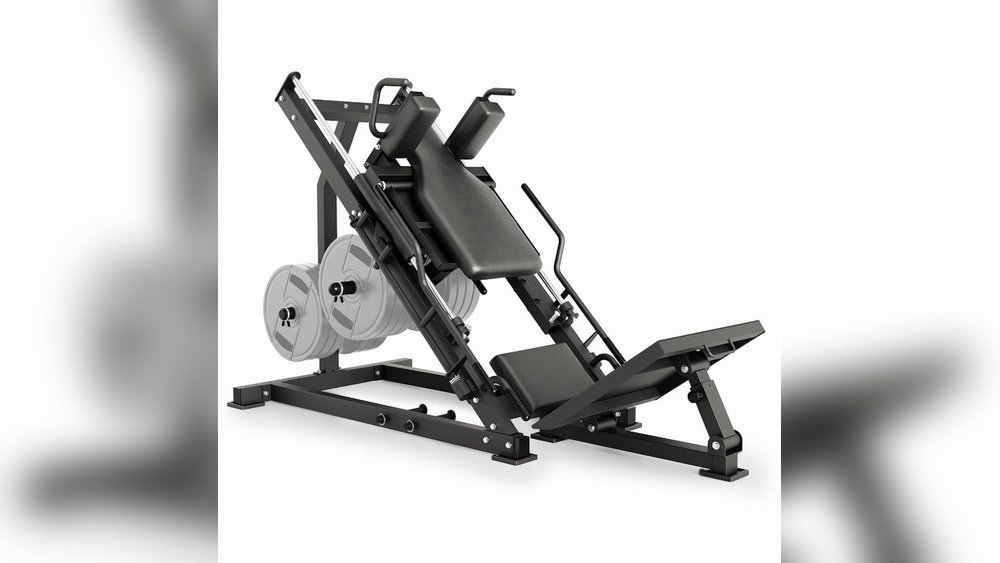
Are you thinking about using a leg press machine but wondering if it’s safe for you as a beginner? You’re not alone.
Many people feel unsure about starting new workout equipment, especially when it comes to machines that put pressure on your legs and joints. The good news is, with the right approach, the leg press can be a powerful tool to build strength and confidence.
But before you jump in, it’s important to know what to watch out for and how to use it correctly to avoid injury. Keep reading to discover the key tips that will help you use the leg press safely and get the most out of your workouts.
Benefits Of Leg Press Machines
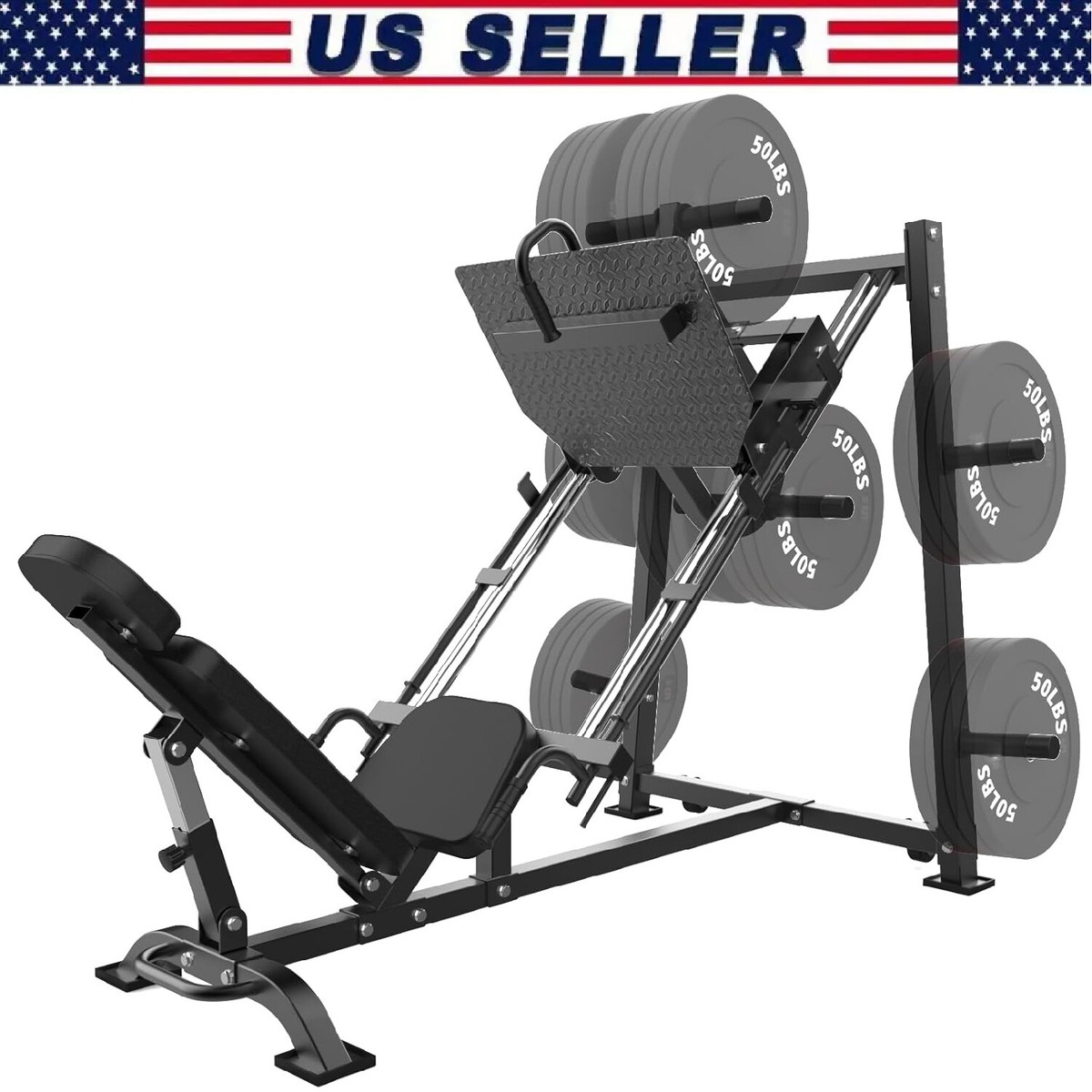
Leg press machines offer a simple and effective way to strengthen your lower body. They help build muscle, improve endurance, and support joint health. Using this machine can boost your confidence as you learn proper exercise form.
These machines also reduce the risk of injury by guiding your movement. This makes them a popular choice for many fitness levels, especially beginners. Let’s explore the key benefits of leg press machines below.
Muscle Groups Targeted
The leg press mainly works the quadriceps at the front of your thighs. It also engages your hamstrings, located at the back of your thighs. Your glute muscles get a good workout too.
Calves receive some activation as they help stabilize your legs. Using the leg press strengthens many muscles at once. This helps improve your overall leg power and stability.
Advantages For Beginners
Leg press machines provide support and control during exercise. This helps beginners learn proper movement safely. The guided path reduces strain on your knees and back.
You can easily adjust the weight to match your strength. This allows gradual progress without overloading your muscles. The machine also helps build strength before moving to free weights.
Beginners find it easier to stay balanced and focused. This builds confidence and encourages regular exercise. The leg press is a great start for anyone new to strength training.

Common Risks And Injuries
Using a leg press machine can help build strong legs. But beginners must know the common risks and injuries. These risks often come from mistakes made during workouts. Knowing these dangers helps avoid pain and harm.
Improper Form Issues
Bad form can cause serious injuries. Many beginners push the weight too far. This puts stress on the knees and lower back. It can lead to joint pain or muscle strain. Keeping feet flat and knees aligned is important. Proper posture protects muscles and joints from damage.
Overloading Dangers
Loading too much weight is a common risk. Heavy weights can strain muscles and tendons. Beginners may feel pressure in their knees or hips. Overloading increases the chance of sprains or tears. Start with lighter weights to build strength safely. Gradually increase weight as your body adapts.
Safe Setup And Positioning
Setting up the leg press machine correctly is key for a safe workout. Proper setup helps protect your knees, back, and hips. It also makes your exercise more effective. Beginners must pay close attention to how they position themselves. This reduces the risk of injury and builds good habits early.
Focus on two main areas: adjusting the seat and placing your feet. These steps ensure your body moves naturally. They help you push the weight safely and comfortably.
Adjusting The Seat
Start by sitting on the machine and checking your seat position. Your back should rest flat against the pad. Adjust the seat so your knees form about a 90-degree angle. Avoid sitting too close or too far from the footplate. This keeps stress off your joints. Make small changes until you feel stable and comfortable.
Foot Placement Tips
Place your feet shoulder-width apart on the footplate. Keep them flat and firm. Position your feet slightly higher on the plate to protect your knees. Avoid pointing toes too far inward or outward. Keep your knees aligned with your feet as you press. This prevents twisting and strain during the movement.
Proper Technique For Beginners
Using the leg press machine safely starts with good technique. Beginners must focus on how they move and breathe. This helps avoid injury and improves workout results.
Controlled Movement
Move the platform slowly and steadily. Avoid jerky or fast motions. Keep your feet flat and push evenly. Stop if you feel pain. Controlled movement keeps muscles working right.
Breathing Patterns
Breathe out as you push the platform away. Breathe in as you return to the start. Proper breathing keeps your body stable. It also gives your muscles enough oxygen.
Weight Selection Guidelines
Choosing the right weight on leg press machines is important for safety and progress. Beginners must pay attention to weight selection to avoid injury. The right weight helps build strength without strain. This section explains simple guidelines for selecting weights on the leg press machine.
Starting Light
Start with a light weight to learn the movement. Use a weight that feels easy to push without pain. Focus on your form and control. Light weights help your muscles get used to the exercise. Avoid pushing too hard at the start. It reduces the risk of injury and muscle soreness.
Progressive Loading
Increase the weight slowly over time. Add small amounts of weight after you feel comfortable. This method helps your muscles grow stronger safely. Track your progress to know when to add more weight. Avoid sudden jumps in weight to protect your joints. Gradual increases keep your workouts effective and safe.
Incorporating Warm-ups And Stretches
Incorporating warm-ups and stretches is key for beginners using leg press machines. Warm muscles reduce injury risk and improve performance. Stretching after workouts helps muscle recovery and keeps flexibility. A good routine prepares your body and supports safe exercise.
Dynamic Warm-up Exercises
Start with light movements to raise your heart rate. Leg swings, walking lunges, and bodyweight squats are great choices. These exercises increase blood flow to your legs. They also improve joint mobility and muscle readiness. Spend 5 to 10 minutes on these warm-up activities. Avoid static stretches before the workout as they may reduce strength.
Post-workout Stretching
After using the leg press machine, stretch your leg muscles gently. Focus on your quads, hamstrings, and calves. Hold each stretch for 15 to 30 seconds without bouncing. Stretching helps release muscle tension and prevent stiffness. It also supports better muscle recovery and flexibility over time.
Signs To Stop And Seek Help
Using a leg press machine can be effective, but safety is key. Beginners must watch for signs that show it’s time to stop. Ignoring these signs can cause injury. Recognizing when to seek help keeps workouts safe and productive.
Pain Vs. Discomfort
Discomfort is normal during exercise. It means your muscles are working hard. But pain is different. It is sharp, sudden, or lasts long. Pain can be a sign of injury or strain. Stop immediately if pain occurs. Do not push through pain. Listen to your body’s signals.
When To Consult A Trainer
If you feel unsure about your form, ask for help. A trainer can check your posture and technique. They can show how to use the machine safely. Seek advice if pain or discomfort does not improve. Trainers can guide safe progress and prevent injury. Early help avoids long-term problems.

Alternatives To Leg Press Machines
Leg press machines are popular for building leg strength. Beginners might worry about safety or machine availability. Alternatives can offer similar benefits without the machine. These options help you train legs effectively and safely.
Bodyweight Exercises
Bodyweight exercises use your own weight for resistance. Squats and lunges build leg muscles and improve balance. They require no special equipment and can be done anywhere. Start with simple movements and increase reps over time. Bodyweight exercises also improve joint stability and flexibility.
Free Weight Options
Free weights like dumbbells and kettlebells add resistance to leg exercises. Weighted squats and step-ups strengthen muscles and bones. Using free weights helps improve coordination and control. Beginners should start with light weights and focus on form. Free weights offer variety and can be adjusted as you progress.
Frequently Asked Questions
Are Leg Press Machines Safe For Beginners?
Yes, leg press machines are safe for beginners when used correctly. Start with light weights and proper form to avoid injury. Always warm up and adjust the seat to fit your body. Gradually increase resistance as your strength improves.
How To Use Leg Press Machines Properly?
Sit with your back flat against the pad and feet shoulder-width apart on the platform. Push through your heels while extending your legs without locking knees. Control the movement back to the starting position slowly to prevent strain or injury.
What Are Common Mistakes Beginners Make On Leg Press?
Common mistakes include using too much weight, locking knees, and poor foot placement. These can cause joint strain and reduce exercise effectiveness. Focus on form, controlled movements, and appropriate weight to gain benefits safely.
Can Leg Press Machines Replace Squats For Beginners?
Leg press machines can complement but not fully replace squats. They isolate leg muscles without requiring balance. Squats engage more muscle groups and improve functional strength. Beginners benefit from combining both exercises for balanced leg development.
Conclusion
Leg press machines can be safe for beginners with proper use. Start with light weights to avoid injury. Focus on good form and controlled movements. Ask a trainer for guidance if unsure. Don’t rush the exercises; take your time. Listen to your body and stop if pain occurs.
Gradually increase weight as strength builds. Regular practice helps improve leg muscles safely. This machine offers a good workout option for many. Safety matters most to enjoy exercise and see results.
