Ever wondered if that scuba diving certification card tucked away in your wallet has an expiration date? It's a common question, and the short answer is: no, your certification itself doesn't technically "expire" and become invalid. That piece of plastic is usually good for life, signifying you've met the standards for a particular level of training.
However, and this is a big "however," that doesn't mean you can just grab your gear and jump back in the ocean after a decade without a second thought. Dive operators and dive centers have a very good reason for wanting to ensure you're comfortable and competent before they take you out on a boat or guide you on a dive. Think of it like your driver's license.

Today's Exclusive Deals
Limited-time Exclusive Deals. Check current discount on Amazon.
Check Price on Amazon As an Amazon Associate I earn from qualifying purchases.The license itself doesn't expire for a long time, but if you haven't driven a car in years, you're probably going to feel a bit rusty, right? Same idea with diving.
Quick Answer
Your scuba diving certification doesn't expire. However, dive operators often require recent diving experience. If it’s been over two years since your last dive, a refresher course is highly recommended for safety and confidence.
Is My Scuba Certification Card Really Good for Life?
That little plastic card you get after completing your training is a testament to your accomplishment. It proves you've successfully met the performance requirements set by a recognized training agency, like PADI or NAUI. These certifications don't have a built-in expiration date in the way a coupon might.
So, in a strict sense, your certification is valid indefinitely. It means you did learn how to dive safely.
But here's where the practical reality of diving comes in. Think about any skill you haven't practiced in a while, playing a musical instrument, speaking a foreign language, or even driving. The ability is still there, but the fluency and ease with which you perform it can diminish.
Diving is no different. Your certification is the key to unlocking the underwater world, but staying safe and enjoying it means keeping your skills sharp. For example, the National Oceanic and Atmospheric Administration (NOAA) emphasizes continuous learning and practice for any complex skill.
When Does "Recency" Matter Most for Divers?
The key factor that dictates when you might need to brush up isn't the certification itself, but your recent diving activity. Dive professionals and operators consider your "recency" to gauge your current comfort and proficiency level. They want to make sure you haven't developed any bad habits or forgotten critical safety procedures.
Here’s a general guideline based on how long it's been since your last dive:
- Less than 6 months: You're considered "current." Most dive centers will be happy to rent you gear or sign you up for a guided dive without any extra steps. Your skills are likely sharp, and you should feel very comfortable.
- 6 months to 2 years: This is often considered a grey area. You might be fine, but some operators might ask about your recent experience. It’s a good time to consider a refresher, especially if you didn’t dive much during that period.
- More than 2 years: This is the point where nearly all dive centers and operators will require some form of update. It’s not about invalidating your original certification; it's about ensuring you're ready for the current diving environment and your skills are up-to-date.
How to Know If You Need a Dive Refresher
Deciding if you need a refresher course is less about a date on a calendar and more about your personal comfort level and your diving history. If you haven't been in the water for an extended period, it's wise to err on the side of caution. Ask yourself:
- How confident do I feel about my diving skills? If the thought of equalizing pressure, clearing a flooded mask, or handling a minor equipment issue causes anxiety, a refresher is a great idea.
- Have I kept up with dive planning principles? Do you remember how to calculate air consumption or plan your ascent and descent profiles?
- Has it been more than two years? As a general rule, if your last dive was over two years ago, most dive professionals will strongly recommend, or even require, a refresher. Many operators follow guidelines similar to those recommended by training agencies, which often suggest a refresher after such a period.
If you answer "no" to any of these questions, or if it’s been a significant amount of time, it’s time to look into a refresher course. It's a proactive step to ensure your safety and enjoyment underwater.
What a Scuba Refresher Course Actually Covers
A Scuba Review or Refresher course is designed to get you back to feeling competent and confident in the water. It's not a full certification program but rather a focused session to refresh your memory and practice essential skills.
The exact content can vary slightly between dive centers and training agencies, but typically, you can expect:
- Knowledge Review: You'll revisit the core theoretical concepts of scuba diving. This often involves going through a manual or online module covering dive planning, gas management, decompression theory, and environmental awareness.
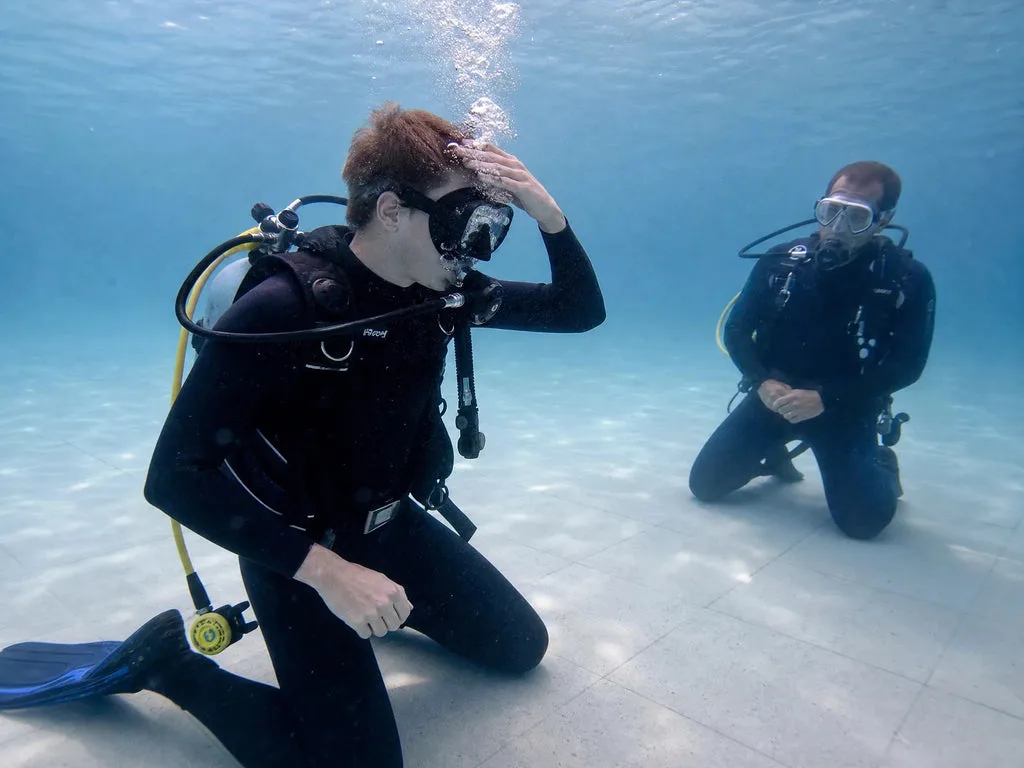
- Basic Skills Practice: You'll get back into a controlled environment, usually a swimming pool or a shallow, calm open water area. Here, you'll practice fundamental skills such as:
- Mask clearing (emptying water from your mask)
- Regulator recovery and clearing (finding and clearing your alternate air source)
- Buoyancy control (hovering effortlessly at different depths)
- Emergency ascents (simulated safe ascents)
- Hovering exercises
- Equipment Familiarization: You might briefly go over how to assemble and check your gear, especially if it’s been a while since you last used it.
- Discussion: Your instructor will likely discuss current safe diving practices and answer any questions you might have.
The goal is to build your confidence and ensure you can perform these skills safely and efficiently, making your return to diving smooth and enjoyable.
Why Dive Centers Ask About Your Last Dive
Dive centers and operators ask about your last dive primarily for safety reasons. When you step onto their boat or into their shop, they are taking on a responsibility for your well-being. They need to assess your current level of skill and knowledge to ensure you are prepared for the conditions and the type of diving they offer.
It's a bit like a pilot checking a pilot's license and recent flight hours before allowing them to co-pilot a plane. It's not about questioning their qualification, but about ensuring readiness. If you haven't dived in years, your muscle memory for critical safety procedures like clearing your mask or dealing with a free-flowing regulator might be a bit fuzzy.
These are skills you need to perform instinctively in an emergency. A brief refresher ensures these are still second nature.

Many dive operators adhere to established industry standards. For example, Professional Association of Diving Instructors (PADI) states that divers who have been inactive for six months or more should complete a Scuba Review. This standard helps ensure consistency and safety across the diving community worldwide.
By requiring recent experience or a refresher, dive centers are safeguarding both their clients and their staff. It allows them to confidently provide an enjoyable and, most importantly, safe diving experience.
Getting Back in the Water: Your Action Plan
So, you've decided it's time to go diving again, but it's been a while. Don't worry, getting back into it is straightforward. The first step is to assess your recent diving history honestly.
If you've dived within the last six months, you're likely current and ready to go with minimal fuss. You might still want to chat with your local dive shop about any recent changes in procedures or equipment recommendations, especially if you're planning a trip.
If it's been longer than six months but less than two years, a "Scuba Review" is a wise move. This isn't a full certification course but a session to refresh your skills and knowledge. Think of it as a tune-up for your diving abilities.
For most divers, this review will be sufficient to get them comfortable again, especially for simpler, local dives.
If it’s been two years or more, or if you feel significantly out of practice, a dedicated "Scuba Refresher" course is highly recommended. This course provides a more in-depth review of theory and practical skills. It ensures you’re fully prepared for various diving situations.
As of 2026, many training agencies and operators are emphasizing these refreshers as a standard part of responsible diving practice.
Should I Rent or Own My Gear for a Refresher?
For a refresher course or your first dive back after a long break, renting gear is often the easiest and most practical option. This lets you get familiar with current equipment without a significant upfront investment. You can try out different types of BCD or fins to see what you like, which might inform a future purchase.
If you own gear, it's essential to ensure it's in good working order. Batteries in dive computers need checking, and regulators require regular servicing. If your gear has been sitting idle for a long time, consider having it professionally inspected and serviced before your refresher.
This prevents unexpected issues underwater. You can find great options for renting or buying essential gear if needed.
Common Concerns & Quick Answers (FAQs)
How long does a scuba diving certification last?
Your scuba certification card itself doesn't expire. It's proof of your training. However, dive operators often require proof of recent diving experience, typically within the last six months to two years, before allowing you to rent gear or join a dive trip.
Do I need to get re-certified if I haven't dived in years?
No, you don't need to get "re-certified" from scratch if your original certification is valid. Instead, you'll likely need to complete a Scuba Review or Refresher course to update your skills and knowledge and demonstrate current competency to dive operators.
What if I lost my certification card?
Most training agencies offer replacement cards. You can usually contact your original training facility or the agency directly to request a replacement. Some agencies also offer digital certification options.
Can a dive operator refuse me service if I haven't dived recently?
Yes, they can. Dive operators have a duty of care. If they deem you not current or sufficiently experienced for the planned dive, they can refuse service to ensure everyone's safety.
This is why a refresher is often required.
How often should I do a refresher course?
There's no strict rule, but if you haven't dived in over two years, a refresher is highly recommended. If you dive infrequently, even a quick review before a significant trip can boost your confidence and safety. Staying current with skills is key.