
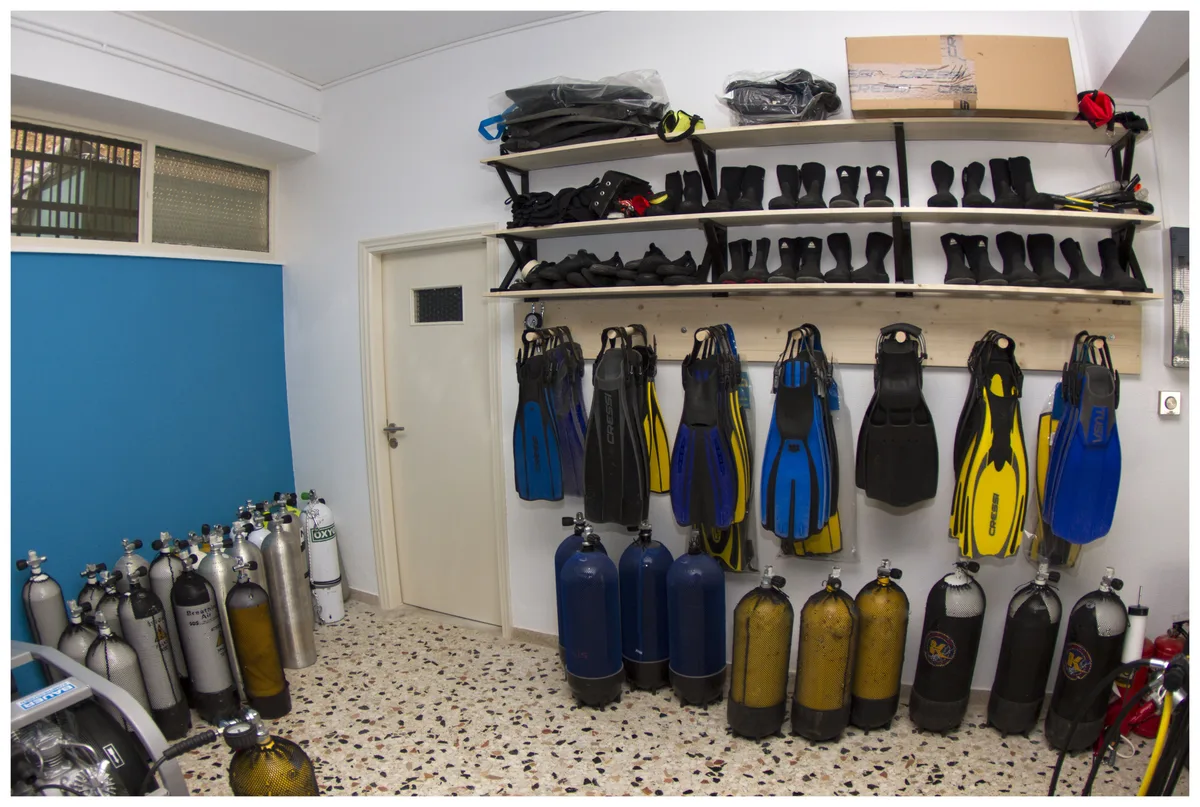
Image source: Bing (Web (fair-use with source credit))

Today's Exclusive Deals
Limited-time Exclusive Deals. Check current discount on Amazon.
Check Price on Amazon As an Amazon Associate I earn from qualifying purchases.How to Store Scuba Diving Equipment So It Lasts
When you've finished a fantastic dive, the last thing you want to think about is the chore of cleaning and storing your gear. But how do you store scuba diving equipment to make sure it stays in top condition for your next underwater adventure? Proper care prevents expensive damage and ensures your gear is ready when you are.
Our research confirms that consistent, correct storage is the bedrock of equipment longevity. Manufacturer specifications for many common regulator materials suggest avoiding prolonged exposure to direct sunlight, which can degrade seals and hoses faster than ambient temperatures. This simple precaution, along with a few others, can significantly extend the life of your dive kit.
Rinse and Dry: Your First Line of Defense Against Gear Damage
This step is so crucial, it bears repeating. Saltwater is fantastic for diving, but it's terrible for your gear once you're out of the water. It's corrosive, sticky, and can leave behind residue that degrades materials over time.
Freshwater is your best friend for rinsing.
The Non-Negotiable Steps After Every Dive
Think of this as the immediate post-dive ritual. It doesn't take long, but it pays dividends.
- Rinse Everything: After every single dive, give your entire set of scuba gear a thorough rinse with fresh water. This includes your BCD, regulator, mask, fins, wetsuit, and any accessories like dive knives or computer straps. Use a gentle spray from a hose or even a dedicated rinse tank if you have access to one at your dive center.
- Focus on Critical Areas: Pay special attention to the nooks and crannies of your regulator first stage, the BCD's inflator mechanism, and any zippers or buckles on your wetsuit. These areas can trap salt crystals and debris.
- Shake Out Excess Water: Before hanging anything up, give it a good shake to remove as much standing water as possible. This helps speed up the drying process and prevents water from pooling in awkward spots.
Storing Your Core Scuba Gear
These are your primary pieces of equipment, and they require a bit more attention. Treating them right means they'll perform reliably for years to come.
Regulator Care: Protecting Your Lifeline
Your regulator is arguably the most critical piece of your scuba setup, responsible for delivering breathable air. Protecting its delicate internal mechanisms is paramount.
- Disconnect from Tank: Carefully unscrew the first stage from the scuba tank valve.
- Attach the Dust Cap: Always ensure the protective dust cap is securely screwed onto the first stage. This simple act prevents dust, sand, and other contaminants from entering the delicate high-pressure ports.
- Loosen Hoses: Avoid coiling the regulator hoses tightly. Lay them out loosely or coil them gently to prevent kinking or stressing the rubber. Consistent tight coiling can lead to premature hose fatigue.
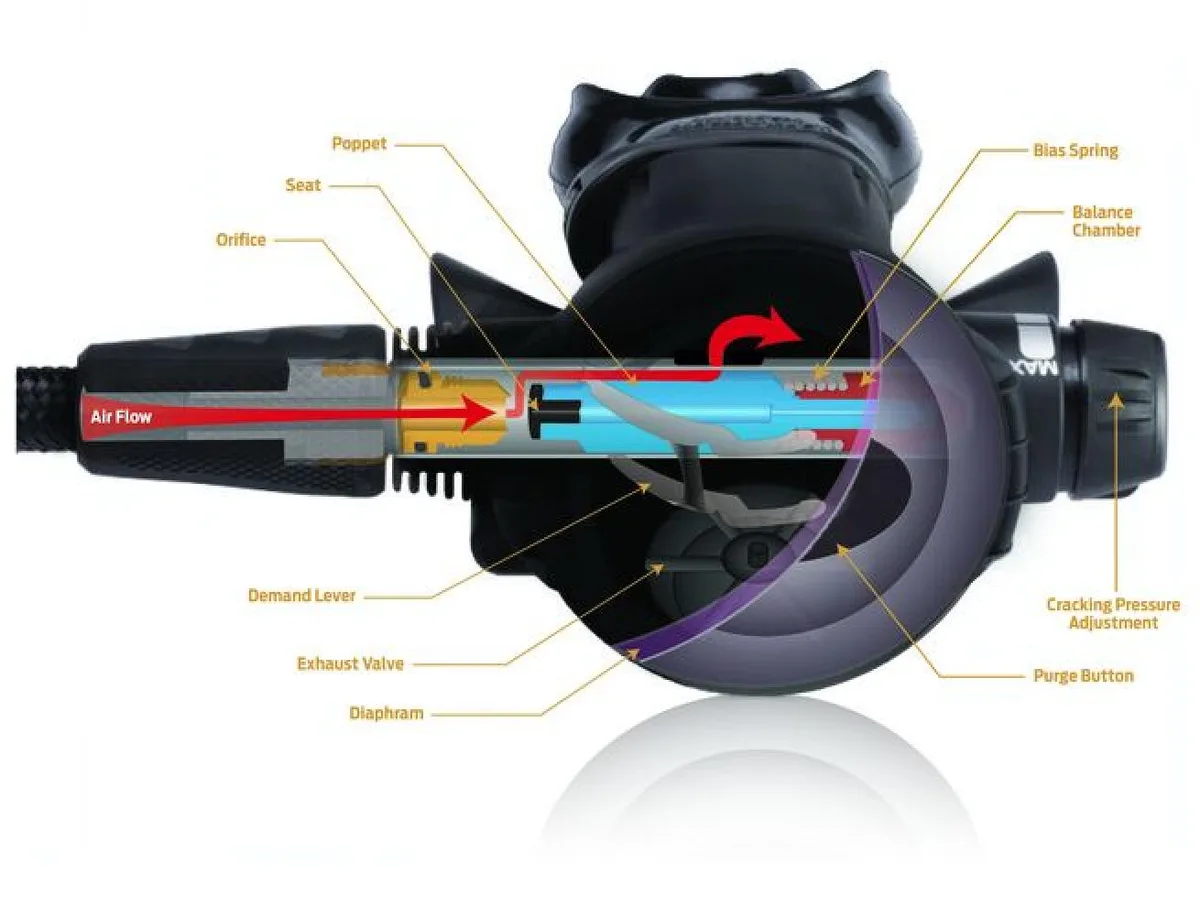
Image source: Bing (Web (fair-use with source credit))
BCD Storage: Keep It Breathable and Unsquashed
Your Buoyancy Control Device (BCD) needs space to breathe and shouldn't be crushed under heavy items.
- Empty All Pockets: Before storing, check every pocket and compartment on your BCD. Remove any forgotten items, grit, or water.
- Hang it Properly: The ideal way to store a BCD is by hanging it on a wide, sturdy hanger or hook. This allows for air circulation, which aids in drying and prevents any permanent creases or stress points from forming in the fabric.
- Avoid Compaction: If hanging isn't an option, fold the BCD loosely. Never stack heavy gear or other items directly on top of it, as this can damage the bladder and internal components.
BCDs are a significant investment. Understanding the best way to store them can mean the difference between a reliable piece of gear for your next dive trip or needing a premature replacement. If you're looking to upgrade your BCD, our research on best scuba diving BCDs can offer some guidance.
Dive Tank Handling: Safe Storage for Your Air Supply
Scuba tanks require specific storage conditions to ensure safety and prevent internal corrosion.
- Maintain Positive Pressure: Tanks should always be stored with a residual amount of air, typically between 50 to 100 psi. Never store them completely empty. This positive pressure acts as a barrier, preventing moisture from entering the tank and causing rust.
- Store Upright and Secured: Tanks must be stored vertically and securely fastened. This prevents them from tipping over, which could cause damage or injury. Using a dedicated tank rack is the safest method.
- Protect the Valve: Ensure the tank valve is closed tightly. If the tank came with a protective valve cap, keep it on when the tank is not in use.
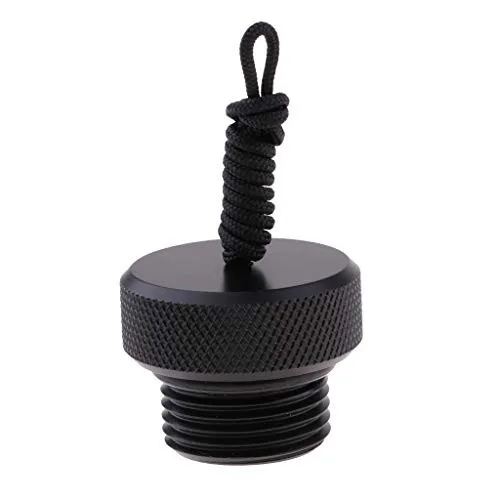
Image source: Web (Bing) / warehousesoverstock.com (Web image (fair-use with source credit))
As of 2026, guidelines from the Compressed Gas Association (CGA) continue to emphasize the importance of storing compressed gas cylinders like dive tanks with residual pressure to prevent internal contamination. If you're in the market for a new tank, exploring the best scuba diving tank reviews can help you find one that suits your needs.
Storing Your Essential Accessories
Don't forget the smaller but equally important items that make your dives smoother and safer.
Mask, Fins, and Snorkel: Keeping Them Pristine
These items are generally more resilient, but simple precautions go a long way.
- Mask Protection: Your dive mask's lens is its most vulnerable part. If you still have the original plastic case, use it. Otherwise, store your mask where it won't be scratched by sharp objects or crushed by heavier gear.
- Fin Care: Avoid creasing your dive fins. Store them flat or leaning them against a wall. If you have a dedicated fin bag, that's an excellent option for protection during storage and transport. Exploring options for strong current fins can be helpful, but proper storage is key for any pair.
- Snorkel Simplicity: After rinsing and drying, your snorkel can be stored loosely. There's no need for complex arrangements; just keep it with your other gear.
Choosing the Right Storage Spot: Cool, Dry, and Dark
Where you stash your gear matters as much as how you prepare it. A good storage location safeguards your equipment from environmental damage.
- Ideal Environment: Aim for a cool, dry location away from direct sunlight. Garages, basements (if not damp), or even a dedicated closet can work well.
- Temperature Extremes: Avoid storing your gear in places that experience significant temperature fluctuations, such as uninsulated attics or sheds that get extremely hot in summer or freeze in winter. Extreme heat can degrade rubber and plastics, while freezing temperatures can make materials brittle.
- Ventilation is Key: If using storage bins, especially for suits or BCDs, ensure they aren't sealed completely airtight if there's any chance of residual dampness. A little bit of airflow helps prevent mildew. A good scuba diving gear bag that allows for some ventilation is a smart choice.
Common Scuba Gear Storage Mistakes to Sidestep
Even with the best intentions, a few common errors can sabotage your gear's lifespan. Knowing these pitfalls helps you avoid them.
- Leaving Gear Wet: This is the number one mistake. Damp gear left in a bag or dark corner is a fast track to mold, mildew, and unpleasant odors. Always ensure everything is bone dry.
- Direct Sunlight Exposure: While a quick rinse in the sun after a dive is fine, prolonged exposure to UV rays degrades neoprene, rubber, and many plastics. Store your gear indoors or in a shaded area.
- Over-Tight Hoses: Kinking or excessively bending regulator hoses can create weak spots, leading to potential failure during a dive. Store them loosely coiled.
- Crushing Equipment: Stacking heavy items on top of your BCD or mask can cause permanent damage to bladders, seals, or lenses. Give your gear space.
Essential Gear Checks Before Your Next Dive
Before you pack your bags for your next diving trip, a quick visual inspection of your gear is a smart move. It’s your final safety net.
- Hose Integrity: Briefly examine all regulator hoses for any signs of cracking, bubbling, or wear.
- O-Ring Condition: For tank valves and any other O-ring seals, check for nicks, tears, or dryness.
- BCD Functionality: Give your BCD inflator a quick test puff to ensure it's working correctly. Check for any leaks.
- Mask Seal: Inspect the silicone skirt of your mask for any tears or degradation that could cause leaks underwater. If you're considering a new mask, explore options like best scuba diving masks for wide face.
Frequently Asked Questions About Scuba Gear Storage
How long should I let my scuba gear dry before storing it?
Ideally, gear should be completely dry. This can take anywhere from a few hours in good conditions to 24 hours or more if it's humid or bulky items like wetsuits are being stored. Ensure no dampness remains in folds or pockets.
Can I store my scuba tanks with them completely empty?
No, never store scuba tanks completely empty. Always leave a small residual pressure (around 50-100 psi) inside. This prevents moisture from entering the tank, which can cause internal corrosion and make the tank unsafe.
Is it okay to store my wetsuit rolled up?
While rolling a wetsuit is better than folding it sharply, hanging it is the best option. Rolling can still create stress points over time. If you must roll, do so loosely to minimize creasing and potential damage to the neoprene.
What's the biggest mistake people make when storing scuba gear?
The most common and damaging mistake is not rinsing and drying gear thoroughly before storage. Saltwater residue and lingering moisture are primary culprits in accelerating material degradation and causing mold or mildew.
Should I store my regulator with the first stage attached to a tank?
No, you should always disconnect the regulator first stage from the tank valve and secure the dust cap on the first stage. Storing it this way protects the internal mechanisms from dust and contaminants.