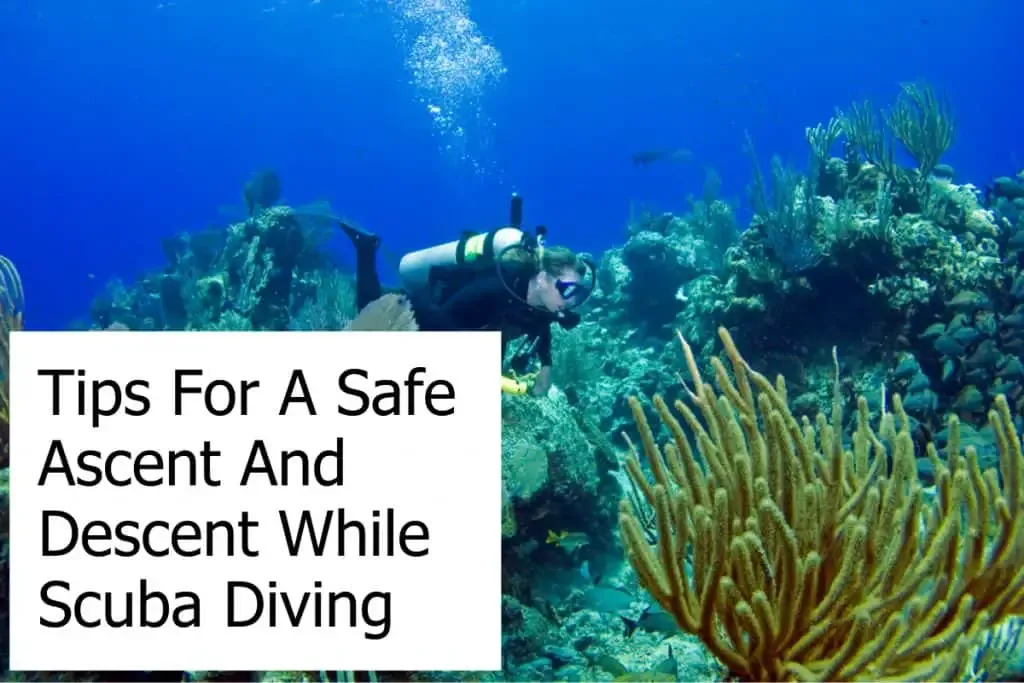
Image source: Web (Bing) / deepbluediving.org (Web image (fair-use with source credit))

Today's Exclusive Deals
Limited-time Exclusive Deals. Check current discount on Amazon.
Check Price on Amazon As an Amazon Associate I earn from qualifying purchases.Running out of air while scuba diving is a critical emergency that every diver must be prepared for. It's a scenario that, thankfully, remains rare for most, but understanding the immediate physiological effects and the correct emergency procedures is paramount for safety. Your training is your best defense against this potentially life-threatening situation.
This guide breaks down exactly what happens when your air supply is depleted underwater and, more importantly, what trained divers are taught to do. We’ll cover the physiological responses, the essential emergency actions, and the proactive steps you can take to ensure you always have plenty of air.
Quick Answer
If you run out of air while scuba diving, you will quickly be unable to breathe, potentially leading to an out-of-air blackout. Your body will try to ascend rapidly, risking lung overexpansion injuries. Trained divers signal their buddy, attempt air sharing, or perform a controlled emergency ascent while exhaling continuously.
The Immediate Danger: Why Running Out of Air is Serious
When you're exploring the underwater world, the air in your scuba tank is your lifeline. This compressed gas allows you to breathe normally under pressure. If that supply is cut off, even for a short time, your body reacts in ways that can be dangerous if not handled with immediate, trained responses.
The fundamental issue is simple: no air means no oxygen.
This lack of oxygen triggers a cascade of physiological events. Your brain, starved of its essential fuel, will begin to shut down. This leads to a loss of consciousness, often referred to as an out-of-air blackout, which can occur within seconds if the air supply is completely cut off at depth.
What Your Body Experiences Without Air
The primary sensation when your air runs out is, of course, the inability to inhale. This is an instinctual trigger for panic, and managing that panic is the first, most crucial step in an out-of-air emergency. Your body's immediate need for oxygen overrides almost everything else.
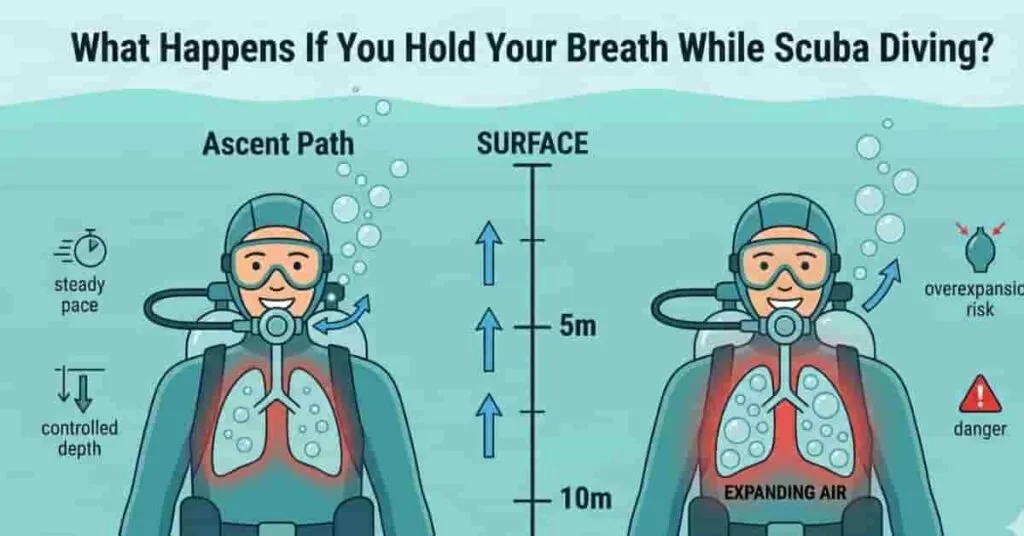
Beyond the urge to breathe, your body will try to make up for the lack of air by attempting a rapid ascent. This is driven by instinct and the sheer desperation for a breathable atmosphere. Unfortunately, if this ascent is too fast, especially from depth, it can have devastating consequences for your lungs.
The Risk of Rapid Ascent and Lung Injury
Manufacturer specifications for scuba tanks indicate they are designed to deliver breathable air at ambient pressure. However, if you ascend too quickly without exhaling properly, the air in your lungs will expand due to decreasing ambient pressure. This rapid expansion can overwhelm the lung tissue, causing serious trauma.
This type of injury, known as lung overexpansion injury, can range from mild to life-threatening. Conditions like pneumothorax (a collapsed lung) or arterial gas embolism (where air bubbles enter your bloodstream) are severe risks associated with uncontrolled ascents. The primary goal in an out-of-air scenario is to manage your ascent to prevent these injuries.
Your Training to the Rescue: The Out-of-Air Response
Every certified diver undergoes specific training for out-of-air emergencies. This isn't just theoretical; it involves practical skills and drills designed to be second nature when you need them most. The goal of this training is to equip you with a clear, actionable plan that minimizes risk and maximizes your chances of a safe recovery.
The principles are drilled into you during certification courses: maintain calm, communicate with your buddy, and manage your ascent. Thinking through the steps in advance, and practicing them, builds the muscle memory needed to react correctly under extreme pressure. It's about turning a terrifying situation into a manageable emergency.
The Crucial First Step: Don't Panic
Panic is the diver's worst enemy. It consumes precious remaining air, impairs judgment, and can lead to the very actions that endanger you, like a rapid, uncontrolled ascent. Your training emphasizes remaining as calm as possible, even when the unthinkable happens.
Take a moment, if possible, to take a slow, deep breath if you have even a sliver of air left, or focus on exhaling any residual air. The immediate urge will be to gasp, but controlled exhalation is vital, especially if you need to ascend. This initial focus on composure is the bedrock of a successful emergency response.
Signaling Your Buddy and Your Options
Your buddy is your primary safety line. The moment you realize you are out of air, your first trained action is to signal them. This is usually done with a clear, distinct hand signal, often tapping your chest and then pointing to your empty regulator.
Your buddy is trained to recognize this and respond immediately.
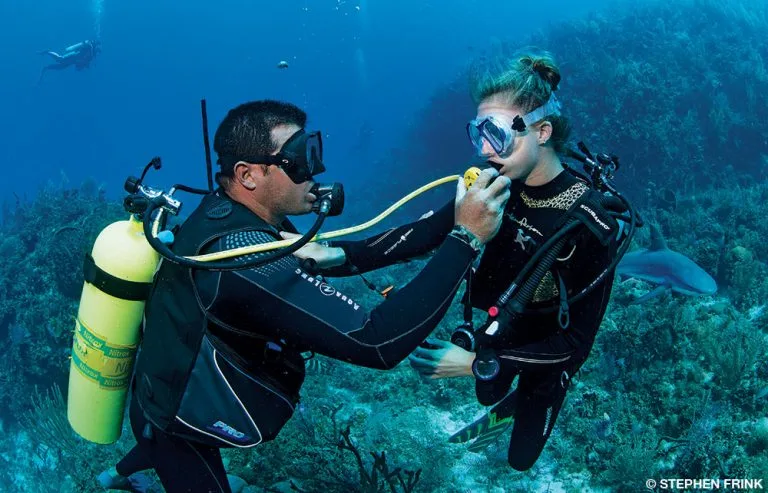
Once your buddy is aware, you have a few potential options, depending on your training and proximity: buddy breathing (if you've trained for it), receiving air from your buddy's alternate air source (octopus regulator), or initiating a controlled ascent if no other option is viable. Your buddy's actions are critical in helping you manage the situation.
Managing the Emergency: Ascent and Air Sharing
Once an out-of-air situation is declared and your buddy is aware, the focus shifts to managing your immediate needs and executing a safe ascent. Air sharing techniques and controlled ascents are the core components of this phase, designed to get you back to the surface without further injury.
The specific method employed often depends on your training and your buddy's proximity and equipment. However, the underlying principle remains the same: obtain air if possible, and ascend slowly and deliberately while managing your lung pressure.
Buddy Breathing: When and How (With Practice)
Buddy breathing is a technique where two divers share a single air source by taking turns breathing from the regulator. This is a skill that requires extensive practice and a high level of trust between dive partners. It's not something to be attempted without dedicated training and recurrent practice.
In a buddy breathing scenario, one diver holds the regulator, breathes, and then passes it to their buddy. The key is to maintain a consistent rhythm and ensure the regulator is always delivered to the other diver's mouth. Aggregate reviews of dive training indicate that proficiency in buddy breathing significantly reduces stress during an out-of-air emergency.
Controlled Emergency Ascent: The Exhale Rule
If air sharing is not possible, or if your buddy cannot provide sufficient air, the priority becomes a controlled emergency ascent. This means ascending to the surface slowly and steadily, while continuously exhaling. This continuous exhalation is vital to prevent lung overexpansion injuries, as it releases expanding air from your lungs.
Your training will have emphasized the "exhale on ascent" rule. As you rise, your lungs will naturally want to fill with more air due to the decreasing external pressure. By exhaling gradually throughout your ascent, you manage this expansion, allowing the air to escape safely.
Avoiding the Situation: Proactive Scuba Safety
The best way to deal with an out-of-air emergency is to prevent it from ever happening. This involves a combination of diligent personal habits, excellent dive planning, and maintaining your equipment. These proactive measures are the first line of defense against running out of air.
Consistent attention to your air supply and understanding your limits are foundational. It's not just about checking your gauge; it's about interpreting that data within the context of your dive plan and your physical condition. This vigilance is what separates a safe dive from a risky one.
Mastering Your Air Gauge
Your submersible pressure gauge (SPG), or air integrated dive computer, is your most important tool for monitoring your breathing gas supply. Checking it regularly, at least every five minutes, is a non-negotiable habit for any scuba diver. Manufacturer specifications for SPGs indicate they are designed for clear, at-a-glance readability.
It's not just about the number, though. You need to understand what that number means in terms of your remaining dive time at your current depth and your planned return to the surface. Always plan to start your ascent when your SPG shows a predetermined "reserve" level, typically around 500 psi (34 bar) or as dictated by your training agency.
This ensures you have enough air for a safe, unhurried return.
Dive Planning and Communication Essentials
Effective dive planning is crucial for managing air consumption. This involves discussing your dive profile, including maximum depth and planned bottom time, with your buddy before entering the water. This ensures both divers have a shared understanding of the dive's parameters and agreed-upon turn-around pressures.
Communication with your buddy extends beyond the pre-dive briefing. Regular air checks, visual confirmation of each other's status, and clear hand signals are vital throughout the dive. This constant communication helps prevent surprises and allows for early detection of any potential issues, including a diver's decreasing air supply.
What Happens If Things Go Wrong?
Even with thorough training and proactive safety measures, emergencies can still occur. When an out-of-air situation escalates without proper intervention, the consequences can be severe, impacting not only your immediate safety but also your long-term health. Understanding these potential outcomes reinforces the importance of proper training and adherence to safety protocols.
The physiological stress on the body during a severe out-of-air incident is immense. Without a breath, the body's systems begin to fail rapidly, leading to unconsciousness and potential drowning if the diver is submerged. The risks are amplified if the individual has not had adequate training in emergency procedures.
Serious Injury Risks: Beyond Lack of Air
Beyond the immediate inability to breathe and the risk of blackout, uncontrolled ascents pose significant physical dangers. As air in the lungs expands with decreasing pressure, it can rupture lung tissue. According to standards bodies like the Divers Alert Network (DAN), lung overexpansion injuries are a primary concern in uncontrolled ascents.
These injuries can lead to conditions such as pneumothorax (collapsed lung) or arterial gas embolism (AGE), where air bubbles enter the bloodstream and can travel to vital organs like the brain or heart. AGE is a medical emergency that requires immediate hyperbaric treatment. This highlights why the "exhale during ascent" rule is so critical.
The Role of Lack of Training or Practice
The difference between a manageable emergency and a catastrophic event often comes down to training and practice. Individuals who have not completed a recognized scuba certification course, or who have let their skills lapse without refresher training, are at a significantly higher risk if they find themselves out of air.
A lack of familiarity with emergency procedures, coupled with the natural instinct to panic, can lead to fatal errors. For instance, attempting a rapid ascent without exhaling, or failing to signal a buddy effectively, are common mistakes made by untrained or undertrained individuals. Regular skills practice, as recommended by most training agencies, is essential to maintain proficiency.
Expert Advice: Staying Safe and Prepared
Diving is an activity where preparation and continuous learning are not just recommended, they are essential for safety. The skills learned during your initial scuba certification are a foundation, but maintaining those skills and staying informed about best practices are what truly enhance your safety underwater.
Regularly refreshing your knowledge and skills ensures you can react competently and confidently if an emergency arises. This commitment to ongoing training is what differentiates a safe diver from one who might be caught unprepared by an unexpected situation. It's about building resilience and competence.
Refreshing Skills and Emergency Drills
Scuba training agencies universally recommend periodic refresher courses, especially for divers who haven't been in the water for a while. These courses focus on core skills, including emergency procedures like out-of-air responses and rescue techniques. Practicing these drills in a controlled environment reinforces muscle memory and decision-making processes.
For example, practicing buddy breathing or simulated emergency ascents with an instructor can make a significant difference in your confidence and competence should you ever need to use them. These sessions often incorporate realistic scenarios to prepare you for the unexpected. As of 2026, many dive operators require proof of recent dive activity or refresher courses for certain excursions.
Trusting Your Training and Your Buddy
Ultimately, your success in an emergency situation hinges on trusting the training you've received and your dive buddy. Your training provides the knowledge and techniques, while your buddy provides mutual support and a crucial backup. Knowing your buddy is as prepared as you are can significantly reduce anxiety.
Open communication about your air supply, your comfort level, and any concerns you might have is a continuous part of safe diving. If you ever feel uncertain or unprepared for a dive, it's always better to postpone or skip it than to put yourself at unnecessary risk. Your safety, and that of your buddy, is the top priority.
Frequently Asked Questions About Running Out of Air
What is the first thing you should do if you run out of air?
The absolute first thing you should do is avoid panicking. Take a moment to calm yourself. Signal your buddy immediately that you have no air.
How quickly can you pass out if you run out of air?
Loss of consciousness, or blackout, can happen very rapidly, often within seconds, especially at depth, if you are unable to breathe.
Is buddy breathing still taught as a primary skill?
While taught during initial certification, buddy breathing is often considered a secondary or emergency skill for experienced divers due to the complexity and need for consistent practice. Receiving air from a buddy's alternate regulator is usually the preferred first response.
How fast should you ascend if you run out of air?
You should ascend slowly and at a controlled rate, continuously exhaling to manage lung expansion. There isn't a single "fast" speed, but rapid ascents without exhaling are extremely dangerous.
What kind of injuries can happen from running out of air?
The main risks are lung overexpansion injuries, such as pneumothorax or arterial gas embolism, and drowning if consciousness is lost underwater.
How can I avoid running out of air?
Regularly monitor your submersible pressure gauge (SPG) or dive computer, plan your dives with adequate air margins, communicate with your buddy, and always start your ascent with plenty of air remaining.