
So, you're planning a dive trip to somewhere warm and sunny and have a pressing question: What is the best wetsuit thickness for tropical diving? You want to be comfortable, not chilled, and ready to enjoy those vibrant reefs. It's a common concern, because even in tropical waters, a few hours underwater can make you feel the temperature drop.
In our research, we found that selecting the right neoprene thickness is key to a pleasant dive experience. Generally, wetsuit thicknesses range from 0.5mm for minimal coverage to 3mm or more for colder conditions, and understanding where tropical diving fits is crucial. As of 2026, manufacturer specifications and dive community consensus still point to a few key thicknesses being ideal for these conditions.

Today's Exclusive Deals
Limited-time Exclusive Deals. Check current discount on Amazon.
Check Price on Amazon As an Amazon Associate I earn from qualifying purchases.Quick Answer: What Thickness for Tropical Diving?
For most tropical diving, a 2mm wetsuit is the ideal thickness. It offers sufficient warmth without being restrictive, balancing comfort with mobility. If you tend to get cold, a 3mm suit is a good alternative, while a 0.5mm to 1mm suit is best for very warm water or minimal thermal needs.
Why Wetsuit Thickness Matters in Warm Water
Even though you're heading to a place with balmy air and seemingly warm ocean temperatures, the water can still surprise you. Wetsuits aren't just about keeping you warm in frigid seas; they play a vital role in thermal regulation even in what feels like bathwater. The neoprene material traps a thin layer of water between your skin and the suit.
Your body then heats this water, creating an insulating barrier.
The challenge in tropical diving is finding that sweet spot. Too thin, and you might get uncomfortable on longer dives, especially if there's a bit of a current or you're just naturally prone to feeling the chill. Too thick, and you risk overheating, feeling restricted, and potentially making it harder to manage your buoyancy.
Manufacturer specifications for neoprene often highlight a direct correlation between thickness and insulation R-value, with thicker suits providing higher R-values.
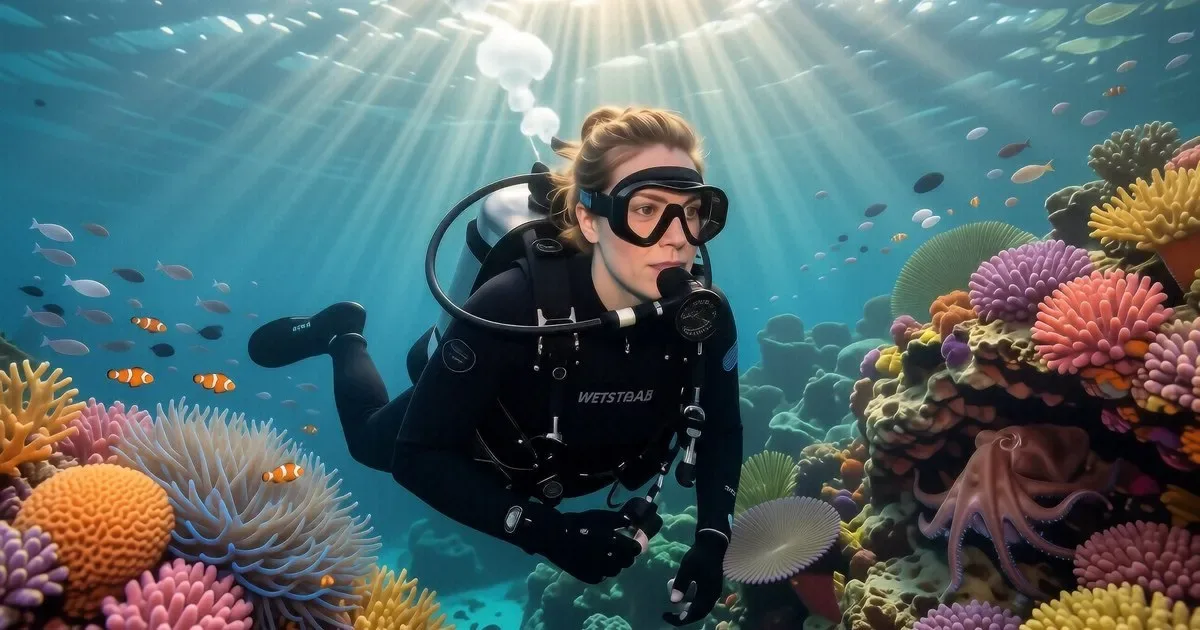
Image source: Web (Bing) / lotusdiving.net (Web image (fair-use with source credit))
Comparing Tropical Wetsuit Thicknesses: 0.5mm to 3mm
When you’re looking at wetsuits for tropical destinations, you’ll mainly be choosing between a few key thicknesses. Each offers a different level of protection and flexibility, making one a better fit depending on your specific needs and the conditions you'll encounter. Choosing the right one ensures you can focus on the incredible marine life, not on how cold you are.
Skins and Shorties: Minimal Warmth, Maximum Protection
These are your ultra-lightweight options, typically ranging from 0.5mm to 1mm in thickness. They aren't designed for significant thermal insulation but are fantastic for what they are: protection from the sun's harsh rays and minor abrasions from reefs or equipment. Think of them as a second skin that offers a slight buffer against the water.
- Who they're best for: Divers in extremely warm water (above 80°F / 27°C), snorkelers, or those doing very short, shallow dives where comfort is more about sun protection than fighting the cold. They're also great for preventing rashes from gear.
The 2mm Sweet Spot: Your Tropical Go-To
This is, hands down, the most common and often recommended thickness for general tropical diving. A 2mm neoprene suit provides a noticeable amount of thermal protection without being bulky or overly restrictive. It’s comfortable for a wide range of water temperatures you'll find in places like the Caribbean, parts of Southeast Asia, or the Red Sea.
- Who it's best for: The majority of divers who want a balance of warmth, flexibility, and comfort for typical tropical dive conditions (roughly 77-82°F / 25-28°C). This thickness allows for easy movement and good dexterity, essential for handling your gear with ease.
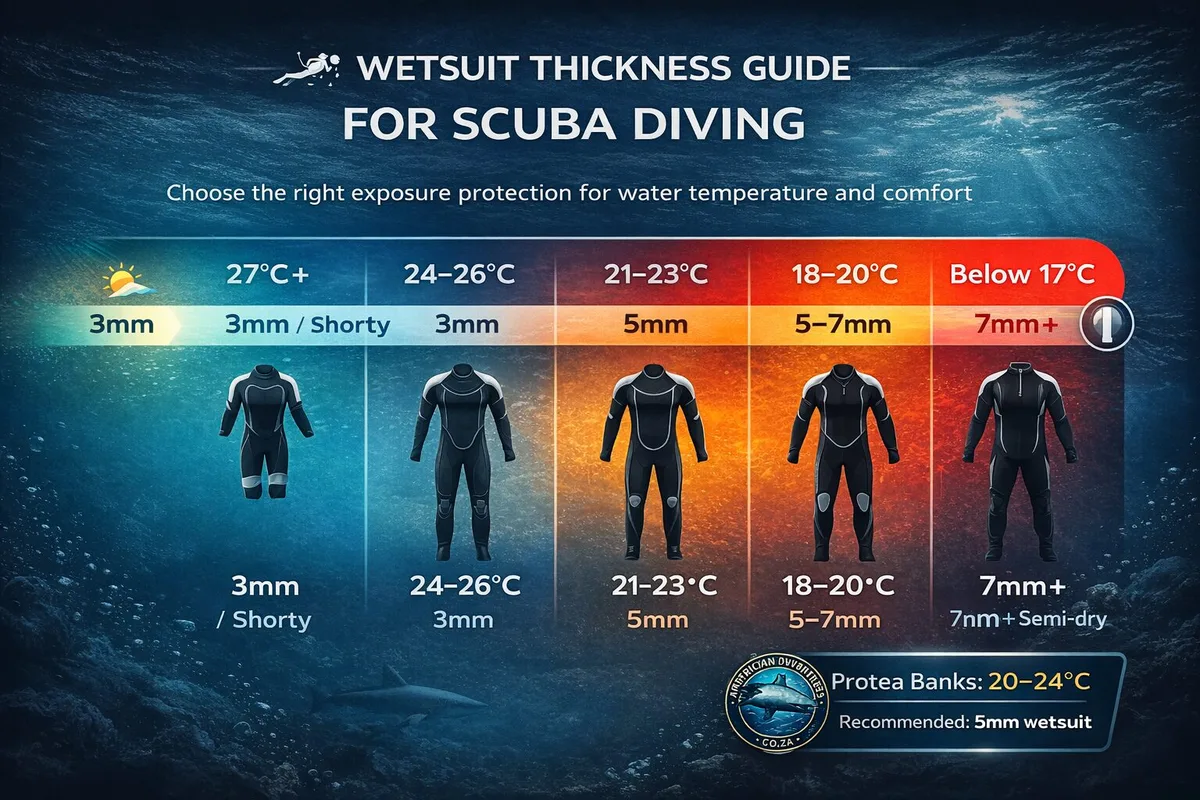
Image source: Bing (Web (fair-use with source credit))
When to Consider a 3mm Wetsuit in the Tropics
While a 2mm suit is standard, a 3mm wetsuit can be a wise choice for certain situations or individuals. If you consistently feel colder than others, plan on extended dive times, or are traveling to a region where even "tropical" waters might dip a few degrees cooler, a 3mm offers that extra layer of warmth. It's a step up in insulation without the extreme bulk of thicker suits.
- Who it's best for: Divers who get cold easily, those planning long, repetitive dives, or individuals diving in the cooler end of tropical waters (around 75-78°F / 24-26°C). It also provides a bit more protection against scrapes if you're exploring tight spots.
Factors Beyond Thickness: Personalizing Your Choice
Choosing the right wetsuit thickness isn't a one-size-fits-all situation, even within the tropics. Several personal and environmental factors can shift the ideal choice from a standard recommendation to something slightly different for you. Understanding these nuances helps ensure your comfort and enjoyment underwater.
How Cold Do You Run?
This is perhaps the most significant factor. We all have different internal thermostats. If you're the type of person who’s always a bit chilly, even indoors, or you find yourself putting on a sweater when others are fine, you’ll want to err on the side of a thicker wetsuit.
Conversely, if you tend to feel warm easily, a thinner option might be perfect.
- If you run cold: Lean towards a 3mm suit.
- If you run average/warm: A 2mm suit is likely your best bet.
Dive Duration and Water Temperature
The ambient water temperature is obviously key, but so is how long you plan to be in it. A quick 30-minute dive in 80°F water feels very different from a 60-minute dive in the same temperature. Over time, your body heat can dissipate, making you feel cooler.
Also, check local dive reports for precise water temperatures, as they can vary even within the same region. For instance, the surface temperature might be higher than the temperature at your target depth.
- Short dives (<45 min): Thinner suits (0.5mm-2mm) are often sufficient.
- Long dives (>45 min): Consider a 2mm or 3mm, especially if water temp is on the lower side of tropical.
Image source: Bing (Web (fair-use with source credit))
Activity and Surface Conditions
Think about how active you tend to be underwater. If you're a strong swimmer, constantly finning and exploring, you'll generate more body heat than someone who prefers to drift and observe. Additionally, the conditions on the surface can make a difference.
A brisk wind when you’re waiting for your next dive can make you feel much colder than you would if it were calm and sunny. Your wetsuit choice should account for both your in-water activity and the time spent on the boat between dives.
- High activity level: Can tolerate slightly thinner suits.
- Low activity level / lots of surface time: Might prefer a slightly thicker suit.
Tropical Wetsuit Thickness: What to Avoid
When aiming for comfort in tropical waters, there are a few common missteps that can lead to a less-than-ideal dive experience. Understanding these pitfalls can help you make a more informed decision about your wetsuit thickness. The goal is always to stay comfortable, allowing you to fully immerse yourself in the underwater world.
- Overthinking the "Tropical" Label: Just because a destination is tropical doesn't automatically mean water temps are consistently 85°F (29°C) and up. Always check the specific water temperature for your location and time of year. Relying solely on a general "tropical" label can lead to choosing a suit that's too thin for actual conditions.
- Ignoring Personal Cold Sensitivity: Your dive buddy might be perfectly comfortable in a 1mm suit, but if you’re someone who easily gets chilled, that won’t work for you. Personal comfort is paramount. Ignoring your own body’s signals can result in a miserable dive, cutting it short due to shivers instead of enjoying the sights.
- Choosing Based Solely on Price: The cheapest option isn't always the best. While budget is a factor, a poorly fitting or inadequately warm wetsuit can ruin multiple dives, making the initial savings not worth it. Investing in a suit that’s appropriate for your intended use is key. For example, selecting a wetsuit with the right material composition can significantly impact its thermal properties and longevity.
- Forgetting About Sun Protection Needs: While thermal insulation is often the primary concern, don't overlook the sun. If your dives involve a lot of surface swimming or extended surface intervals, even a thin suit or a rash guard offers crucial protection against sunburn.
Expert Tips for Choosing Your Tropical Wetsuit
When you're dialing in your gear for a tropical dive trip, a few insider tips can make a big difference in comfort and overall dive enjoyment. It’s about more than just picking a number off a tag; it's about understanding how the suit will perform for you in those specific conditions. Here are some pointers that experienced divers often share.
- Try Before You Buy (If Possible): Fit is crucial. A wetsuit that fits poorly, even if it’s the right thickness, won't insulate effectively. Look for a snug fit without restricting your breathing or movement. If you can't try one on, consult manufacturer sizing charts carefully and read reviews that discuss fit. Some brands are known for their particular cuts, so checking out specific wetsuit reviews can be helpful.
- Consider a Full Suit for Versatility: Even in the tropics, a full suit offers better overall protection than just a shorty. It guards more of your skin from sun and abrasions. If you find a 2mm full suit is too warm for a specific dive, you can always partially unzip it for a bit of ventilation on the surface.
- Think About Repetitive Dives: If you're doing multiple dives in a day, your body can lose heat over time. Even if the first dive felt fine in a 2mm suit, you might feel the chill more on the third or fourth dive. For multi-day dive trips with many dives planned, a 3mm might offer more sustained comfort.
- Don't Forget Accessories: Sometimes, a slightly thinner suit paired with good thermal accessories can be more versatile. Consider good-quality scuba diving gloves or boots if you’re particularly sensitive to cold extremities, as these can add significant warmth without requiring a full suit upgrade.
Frequently Asked Questions About Tropical Wetsuits
How do I know if my wetsuit is too thick for tropical diving?
If you find yourself overheating on the surface, feeling restricted in your movements, or struggling with buoyancy control due to an overly buoyant suit, it's likely too thick. A suit that feels constricting or causes excessive sweating before you even get in the water is usually a sign it's too warm for the conditions.
What's the difference between a wetsuit and a rash guard for tropical diving?
A rash guard primarily offers sun and abrasion protection. It's typically made of thin, Lycra-like material and provides very little thermal insulation. A wetsuit, made of neoprene, traps a layer of water to provide thermal insulation, which is crucial for staying comfortable during longer dives even in warm water.
Can I use a wetsuit designed for colder water in the tropics?
Using a very thick wetsuit (like a 5mm or 7mm) in tropical waters is generally not recommended. You'll likely overheat, feel extremely restricted, and have difficulty managing your buoyancy. It's best to have gear suited for the conditions you'll be diving in.
If you plan on diving in a wide range of temperatures, a modular wetsuit system can offer flexibility.
How should I care for my tropical wetsuit?
After each dive, rinse your wetsuit thoroughly with fresh, cool water to remove salt and chlorine. Hang it to dry completely in a shaded area, out of direct sunlight, as UV rays can degrade the neoprene over time. Store it loosely folded or on a wide, padded hanger to avoid creases.
Regular maintenance like this will extend the life of your suit.

