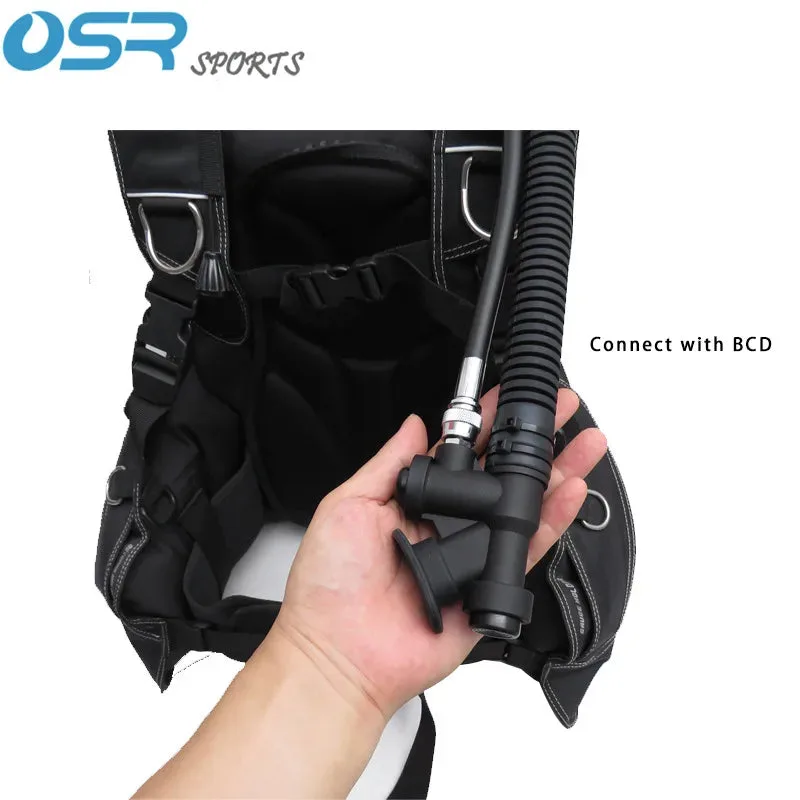
Image source: Bing (Web (fair-use with source credit))

Today's Exclusive Deals
Limited-time Exclusive Deals. Check current discount on Amazon.
Check Price on Amazon As an Amazon Associate I earn from qualifying purchases.Taking care of your gear means better dives. Knowing how to clean a scuba diving BCD properly is crucial for its longevity and performance. Saltwater, chlorine, and everyday use can degrade materials if not managed.
Our research confirms that consistent, correct cleaning practices can extend your BCD's lifespan significantly. Following guidelines from equipment manufacturers, like those typically found in your BCD's owner manual as per many standards, ensures you're protecting your investment and maintaining its function for safe underwater adventures.
Quick Answer: The Post-Dive Rinse Is Key
The fastest way to clean your scuba diving BCD is a thorough freshwater rinse of both the exterior and interior bladder. This removes salt, sand, and chlorine. Ensure it dries completely before storage.
Why BCD Cleaning Matters: Protecting Your Dive Buddy
Your Buoyancy Control Device, or BCD, is more than just a piece of gear; it's your primary tool for comfort and safety underwater. It helps you maintain neutral buoyancy, which is essential for good diving technique and for protecting delicate marine environments. When your BCD works well, your dives are more enjoyable and less taxing.
The BCD's Job: Comfort and Control Underwater
The BCD acts like a variable volume air tank, allowing you to add or remove air to control your buoyancy. This means you can hover effortlessly at a specific depth, ascend slowly, or sink gently. It's also where you typically attach your submersible pressure gauge and dive computer.
How Salt, Chlorine, and Grime Harm Your BCD
Salt crystals left on your BCD can abrade the fabric and corrode metal components over time. Chlorine, often found in swimming pools used for training, can also weaken nylon and polyurethane materials. Sand and debris can clog inflator valves, and even regular use without cleaning can lead to a buildup of microscopic organisms, potentially causing odors or material breakdown.
Manufacturer specifications for BCDs, which are often constructed from durable nylon or polyester fabrics, emphasize the need to mitigate exposure to these corrosive elements.
The Step-by-Step BCD Cleaning Workflow
The most important maintenance you can do for your BCD is a simple rinse after nearly every dive. This process takes just a few minutes but makes a huge difference.
Step 1: Rinse the Exterior
Start by giving the outside of your BCD a good rinse with cool, fresh water. Pay special attention to areas where sand or salt can accumulate, like around the cummerbund, pockets, and D-rings. A gentle stream from a hose is perfect; avoid high-pressure washers that can damage the material or force water into places it shouldn't go.
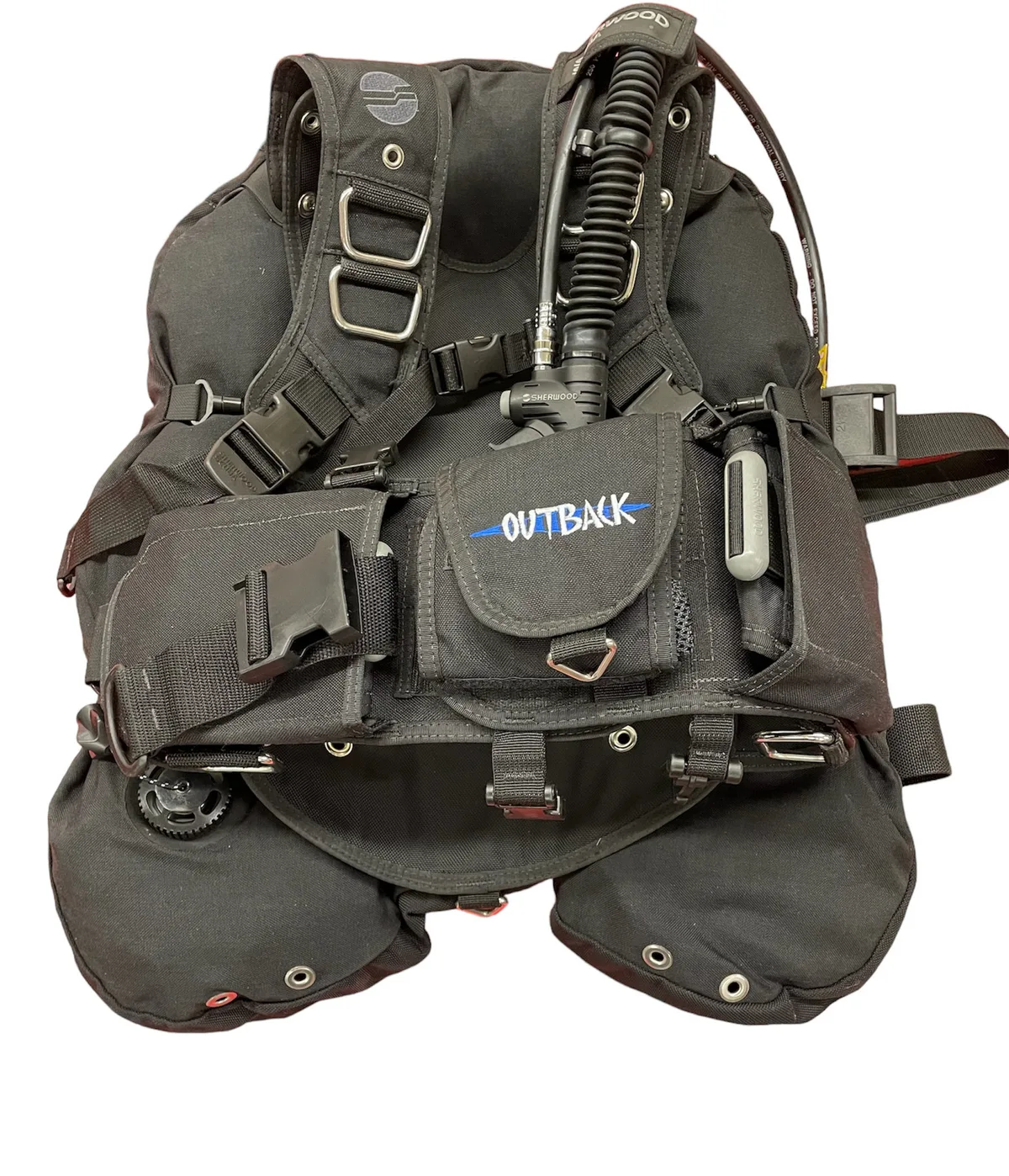
Image source: Web (Bing) / coralseascuba.com (Web image (fair-use with source credit))
Step 2: Rinse the Interior Bladder
This is crucial, especially after saltwater dives. Slightly inflate your BCD so it holds a shape, making it easier to access the inside. Open the oral inflator valve and carefully pour fresh water into the bladder.
Gently tilt and turn the BCD to help the water swirl around and loosen any salt or debris. Drain the water through the oral inflator until the water runs clear, which might take a few repetitions. This helps prevent internal corrosion and odor buildup.
Step 3: Clean the Inflator and Hose
While the BCD is slightly inflated, press the inflator button and let air out. This action can help dislodge any small particles trapped in the mechanism. You can also gently wipe down the corrugated hose and the power inflator body with a damp cloth to remove any surface grime.
Step 4: Thorough Drying for Longevity
Proper drying is non-negotiable. Hang your BCD upside down by the shoulder straps in a shaded, well-ventilated area. Never place it in direct sunlight, as UV rays can degrade the fabric and coatings.
Ensure the interior bladder is completely dry before you store it, which could take 24-48 hours depending on humidity. Leaving it partially inflated or loosely folded is better than packing it tightly.

Image source: Web (Bing) / storage.googleapis.com (Web image (fair-use with source credit))
When to Use Mild Soap: Deeper Cleaning for Tougher Grime
If your BCD has seen a lot of action or has some stubborn grime that a simple rinse won't tackle, using a mild soap is the next step. This is generally for occasional deep cleans, not a regular post-dive ritual.
Preparing Your Mild Cleaning Solution
For this, you’ll want a pH-neutral soap. Think of a gentle dish soap, or ideally, a cleaner specifically designed for dive gear. Mix just a small amount of soap with cool, fresh water in a bucket or sink.
You're looking for minimal suds, not a foamy bath. Too much soap can be hard to rinse out completely.
The Gentle Cleaning and Rinsing Process
Dip a soft cloth or sponge into the mild soap solution and gently wipe down the exterior of the BCD. Work your way around, paying attention to any soiled areas. After cleaning, you must thoroughly rinse the exterior with fresh water to remove all soap residue.
This is critical. Then, repeat the interior bladder rinsing steps as described previously, ensuring no soap remains inside the bladder. Finally, proceed with the thorough drying process as usual.
Common BCD Cleaning Mistakes to Avoid
Skipping steps or using the wrong methods can do more harm than good to your BCD. Being aware of these common pitfalls can save you from costly repairs or premature gear failure.
What NOT to Do: Harsh Chemicals and Rough Handling
Never use harsh chemicals like bleach, solvents, or strong detergents on your BCD. These can break down the fabric, damage the waterproof coatings, and compromise the material's integrity. Avoid abrasive cleaners or scrub brushes, as they can scratch and weaken the nylon or polyester materials.
Also, resist the urge to put your BCD in a washing machine or dryer; the mechanical action and heat are too aggressive and will likely damage seams and components.
The Danger of Improper Drying
The most frequent mistake divers make is not drying their BCD thoroughly, especially the interior bladder. If stored damp, it creates a perfect environment for mold and mildew to grow, which can cause unpleasant odors and potentially damage the bladder material over time. Furthermore, never dry your BCD in direct sunlight.
UV radiation is a known material degrader and can cause the fabric to become brittle and fade, weakening its structure. Always opt for air-drying in a shaded, well-ventilated space.
Expert Tips for BCD Care and Maintenance
Beyond the basic cleaning, a few pro tips can ensure your BCD remains in peak condition for years. These are habits that experienced divers swear by. Treating your gear with consistent care is the best way to ensure it performs reliably when you're thousands of miles from shore or exploring a local wreck.
Pro Advice for Storing Your BCD
After cleaning and drying, how you store your BCD is just as important. Manufacturers generally advise against storing it compressed or tightly folded. Instead, leave it partially inflated or loosely folded.
This helps prevent creases and stress on the bladder material. Keep it in a cool, dry place away from direct sunlight and any sources of ozone, which can degrade rubber and plastic. Some divers use a dedicated large dive gear bag to keep it protected, but ensure it's not packed too tightly.
Making Your BCD Last Longer
Regularly inspect your BCD for any signs of wear and tear. Check the stitching on straps and pockets, look for any small punctures or abrasions on the bladder material, and ensure the inflator/deflator mechanism functions smoothly. If you notice any issues, address them promptly.
For instance, minor abrasions might be repairable with a patch kit, but significant damage to the bladder might necessitate professional servicing or replacement. Ensuring your BCD fits well in the first place, perhaps by looking at different BCD models, can also reduce stress points.
FAQs: Your BCD Cleaning Questions Answered
### How often should I rinse my BCD?
You should rinse your BCD with fresh water after every dive, especially if you were in saltwater or a chlorine pool.
### Can I use a power washer to clean my BCD?
No, a power washer is too aggressive. Use a gentle stream of fresh water from a hose or faucet to avoid damaging the BCD's materials and seals.
### Is it safe to use soap on my BCD?
Yes, but only a mild, pH-neutral soap. Always rinse thoroughly to remove all residue, as harsh chemicals or leftover soap can degrade the BCD over time.
### How do I know if my BCD is completely dry inside?
Feel the inside of the bladder. If you detect any dampness, even a slight tackiness, it's not dry. Leave it to air dry in a ventilated, shaded area for another 24-48 hours and check again.
### What if my BCD smells musty?
A musty smell usually indicates residual moisture or mildew. Clean the interior thoroughly with a mild soap solution, rinse extensively, and ensure it dries completely in a well-ventilated area. Storing it properly, as mentioned in expert tips, also helps prevent this.