Image source: Web (Bing) / scubadivingearth.com (Web image (fair-use with source credit))

Today's Exclusive Deals
Limited-time Exclusive Deals. Check current discount on Amazon.
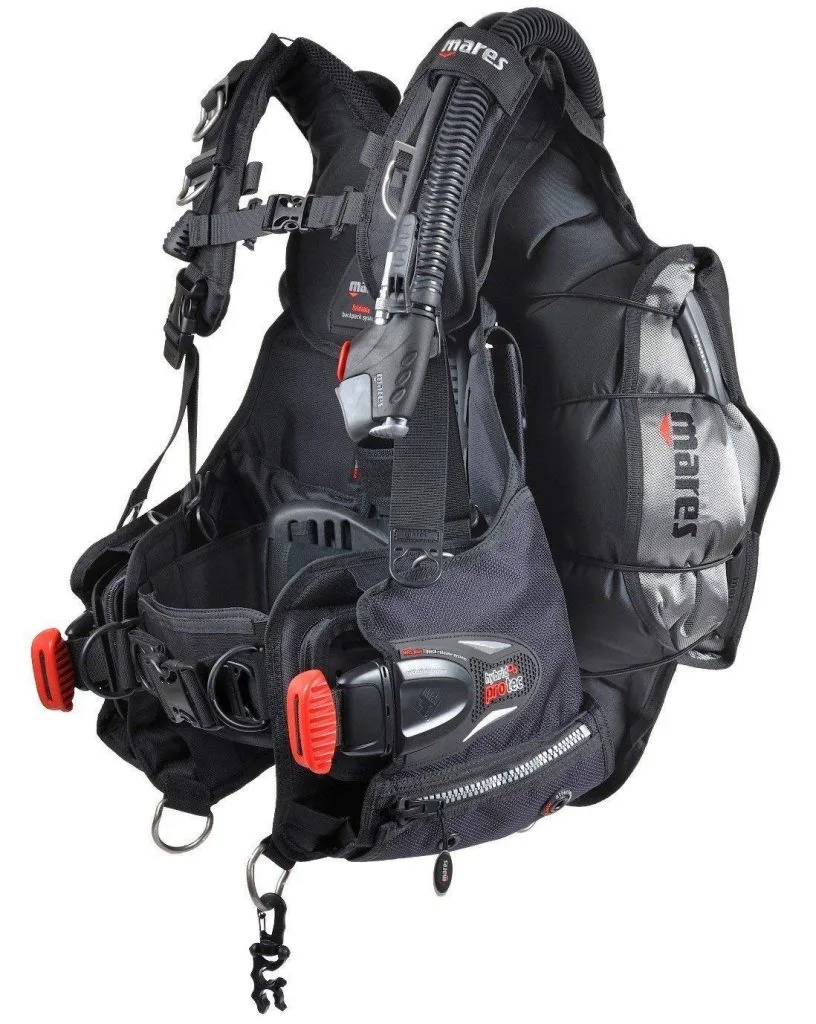
Check Price on Amazon As an Amazon Associate I earn from qualifying purchases.So, you're wondering about the lifespan of your BCD, your trusty buoyancy control device. It's a fair question; this piece of gear is fundamental to your underwater safety and comfort. How long can you realistically expect it to keep performing reliably before it's time for a replacement?
Based on extensive research and aggregate user feedback, a well-maintained scuba diving BCD typically lasts between 5 to 15 years. This wide range highlights the significant impact that usage, environment, and care have on its durability. For instance, adhering to maintenance protocols can significantly extend its service life beyond the minimum expectations.
Quick Answer
A scuba diving BCD generally lasts 5 to 15 years. Proper maintenance, including thorough rinsing and drying, is key to maximizing its lifespan and ensuring underwater safety. Saltwater environments and frequent use can reduce this timeframe.
Your BCD's Lifespan: The Quick Answer
In a nutshell, you're generally looking at a good 5 to 15 years of reliable use from your BCD, assuming you’re taking decent care of it. This isn't a hard-and-fast rule, though; it's more of an average range that many divers experience. Some might get a few more years out of theirs with meticulous upkeep, while others might see it degrade faster if it's seen a lot of heavy use or less-than-ideal conditions.
It's a significant investment, so knowing what influences its lifespan helps you protect that investment.
What Actually Makes a BCD Wear Out? Factors to Consider
Your BCD doesn't just age on its own; several factors actively contribute to its wear and tear. Understanding these elements is crucial for predicting its longevity and, more importantly, for implementing practices that extend its life. It's less about a ticking clock and more about how the gear interacts with its environment and how you use it.
Dive Environment's Impact (Salt vs. Fresh vs. Pool)
The water you dive in has a huge effect on your BCD's materials. Saltwater, while often associated with vibrant marine life, is the most aggressive. The salt crystals left behind after drying can degrade fabrics and o-rings over time, leading to stiffness and potential leaks.
Freshwater is less harsh, but mineral content can still play a role. Chlorine in swimming pools, common for training, is also a known material degrader, particularly for the nylon or polyester fabrics used in BCD construction.
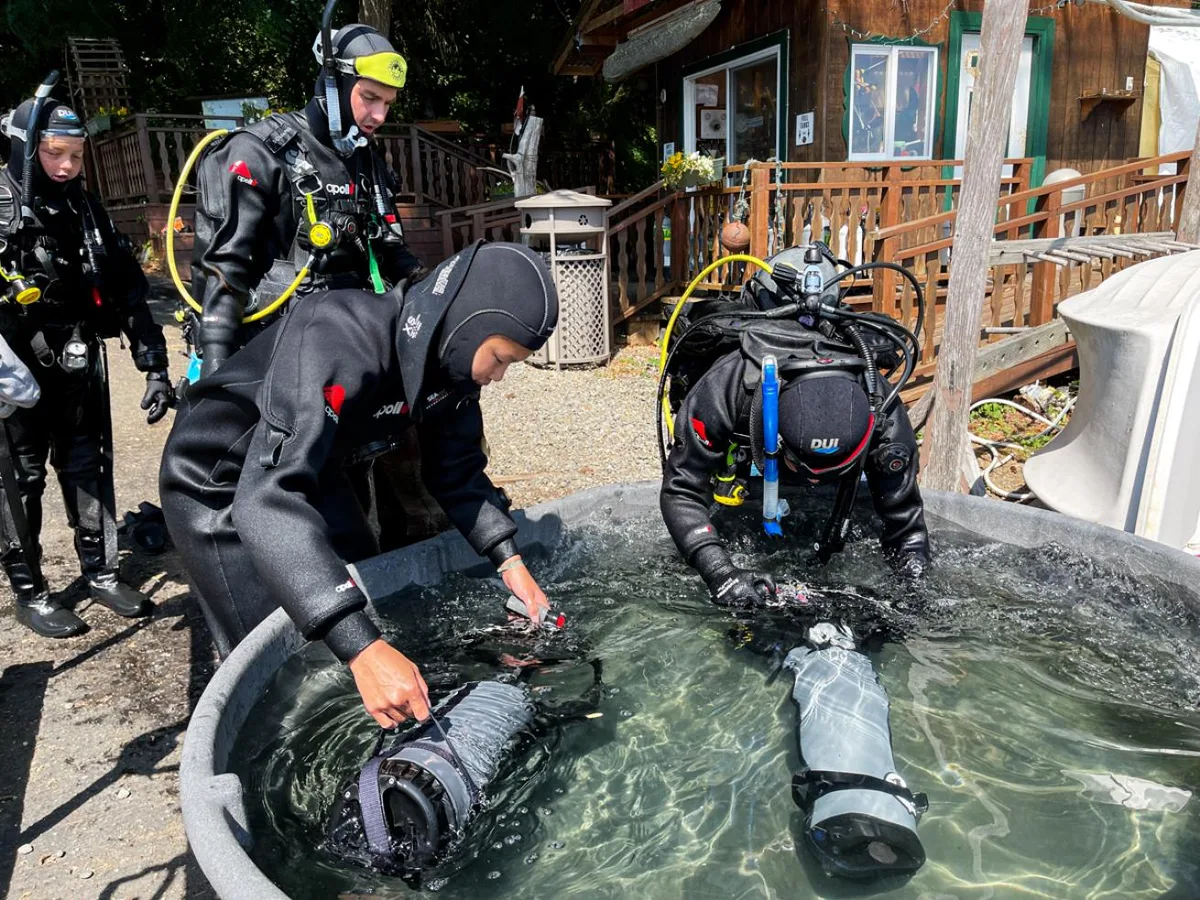
Image source: Bing (Web (fair-use with source credit))
Usage Frequency: Dives vs. Time
This might seem obvious, but it's a primary driver. If you're diving multiple times a week, your BCD is undergoing constant stress from inflation, deflation, and exposure to water. This frequent use means more cycles on valves, more stress on seams, and quicker material fatigue.
Conversely, a diver who only gets a few dives in each year will likely see their BCD last much longer purely due to less cumulative stress, even if it sits unused for extended periods. For instance, a diver doing 100 dives a year will put significantly more wear on their BCD than someone doing 10 dives a year, regardless of age.
Maintenance Habits: The Real Key to Longevity
This is where you have the most control. A routine of proper care can dramatically extend your BCD's functional life. Manufacturer specifications on maintenance often highlight this.
Following their guidance is paramount. For example, skipping a freshwater rinse after a saltwater dive is a common mistake that directly leads to accelerated corrosion and material breakdown. Regular checks for small issues before they become big problems are also part of good maintenance.
Material Quality and Construction
Not all BCDs are created equal. The type and quality of materials used, like the denier of the nylon or polyester fabric, the strength of the stitching, and the design of the dump valves, all play a role. Higher-end BCDs often use more robust materials and stronger construction techniques, which can naturally lead to a longer lifespan.
However, even the best materials will suffer if not cared for properly.
Age and Material Degradation
Over time, even without active use, materials can degrade. Ultraviolet (UV) exposure from sunlight, ozone from the atmosphere, and general aging of plastics and fabrics can cause them to become brittle, faded, or weak. Storing your BCD improperly, such as in direct sunlight or extreme temperatures, can speed up this natural degradation process.
Signs Your BCD Needs Attention (Or Replacement)
Your BCD doesn't usually fail suddenly without warning. If you're attentive, you'll notice subtle or not-so-subtle signs that it's starting to reach the end of its usable life or requires immediate attention. Catching these early can prevent a minor issue from becoming a dangerous failure underwater.
Think of these as your BCD's way of telling you it's time for a tune-up, a repair, or possibly retirement.
Identifying Wear and Tear: What to Look For
- Air Leaks: This is the most critical sign. If your BCD consistently loses air pressure during a dive, or if you need to frequently top it off, there's a leak. This could be a pinhole puncture in the bladder, a faulty dump valve, or an issue with the inflator hose connection.
- Frayed Seams and Straps: Visually inspect all stitching and webbing. If you see loose threads, fraying, or signs of wear on the shoulder straps, waist strap, or backplate attachment points, it indicates structural weakness.
- Sticky or Ineffective Inflator/Deflator: Your power inflator should respond instantly to button presses, and the oral inflator should seal properly. If it's sluggish, sticks open, or leaks air, the internal mechanisms are likely corroded or worn out. Similarly, dump valves that don't fully close can cause a constant slow leak.
- Cracked or Brittle Plastic/Rubber Components: Check the inflator hose, low-pressure exhaust ports, and any buckles or clasps. If they feel hard, inflexible, or show signs of cracking, they're degrading and prone to breaking under pressure.
- Internal Bladder Condition: While harder to inspect, if you can get a look inside your BCD's bladder (some designs allow this), look for excessive discoloration, thinning patches, or signs of delamination, which indicate the material is breaking down.
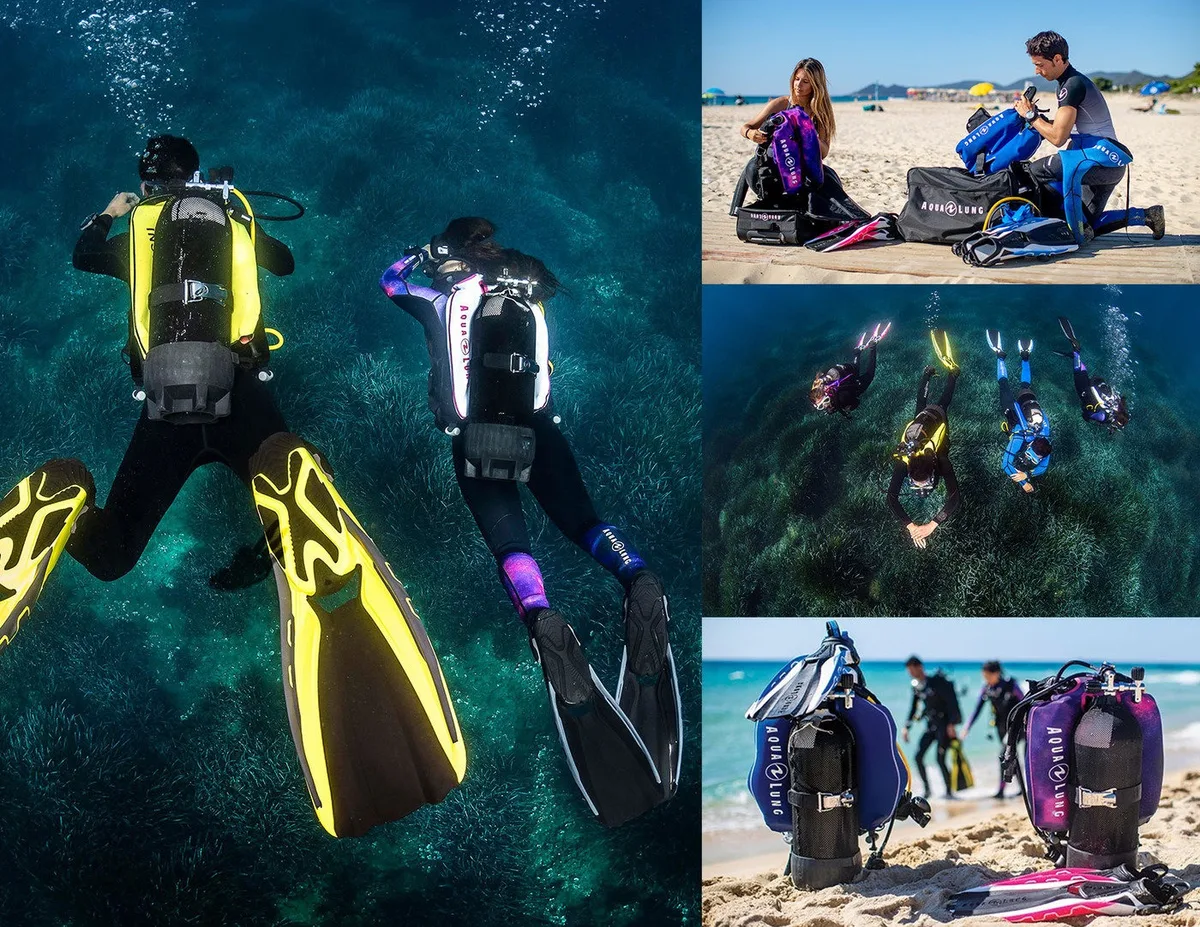
Image source: Bing (Web (fair-use with source credit))
Is a Leaky BCD Dangerous?
Yes, a leaky BCD can be dangerous, especially on a dive. If the leak is significant, it can lead to an uncontrolled descent, which can be hazardous if you're not prepared or if you're at depth. It also means you're constantly fighting to maintain neutral buoyancy, making the dive much more physically demanding and potentially stressful.
Minor leaks are less immediately dangerous but still indicate a problem that needs addressing.
When to Consider Professional Servicing
If you notice any of these signs, particularly air leaks or issues with the inflator/deflator, it's wise to have your BCD inspected by a certified dive technician. They can perform pressure tests and internal inspections to pinpoint the exact cause of the problem and determine if it's repairable. Sometimes, replacing a valve or hose is all that's needed.
Essential BCD Maintenance for Maximum Longevity
Taking good care of your BCD is arguably the most important factor in ensuring it lasts for its full potential lifespan. It's not complicated, but it does require consistency. Think of it as a critical step in your dive preparation and post-dive routine, just like rinsing your regulator or checking your tank pressure.
The Rinse-Dry-Store Ritual: Your Daily Defense
This is the absolute bedrock of BCD maintenance. After every single dive, especially in saltwater, a thorough freshwater rinse is essential.
- Rinsing: Connect your BCD to a faucet or hose and let fresh water run through the low-pressure inflator port. This flushes out salt, sand, and any other debris from both the exterior and the interior bladder. Open the BCD up as much as possible to allow water to circulate inside. Operate the inflator and deflator buttons while rinsing to ensure they get clean too.
- Drying: Once rinsed, shake off excess water. Hang your BCD up to air dry completely, ideally in a shaded, well-ventilated area. Crucially, avoid direct sunlight, as UV rays can degrade the fabric and coatings over time, making it brittle and faded. Ensure all internal pockets and the bladder are dry before storage to prevent mold and mildew growth.
- Storage: Store your BCD loosely, not tightly compressed in a gear bag or box. Some divers hang them from their shoulder straps. This prevents creases and stress points from forming on the bladder and fabric. Ensure the storage area is cool and dry.
Beyond the Basics: Deeper Care and Servicing
- Zipper and Buckle Care: If your BCD has zippers, rinse them thoroughly and occasionally apply a silicone-based lubricant to keep them running smoothly. Check buckles and straps for wear and tear.
- Annual Inspection: Even if everything seems fine, it's a good idea to conduct a more thorough inspection of your BCD at least once a year. Look for any signs of wear, leaks, or damage mentioned in the previous section.
- Professional Servicing: While not always explicitly required by manufacturers for recreational use, consider having your BCD professionally serviced every few years, especially if you dive frequently or in harsh conditions. A technician can perform leak tests and check internal components that might be inaccessible to you. For reference, manufacturer specifications on maintenance schedules can often be found on their official websites.
Common BCD Mistakes That Shorten Its Life
We've touched on some of these, but it's worth calling out the most common missteps divers make that can drastically shorten a BCD's lifespan. Avoiding these simple errors will pay dividends in the long run.
- Skipping the Rinse: This is number one. If you dive in saltwater and don't rinse your BCD thoroughly with fresh water immediately afterward, you're essentially letting salt and minerals slowly eat away at the materials. It's like leaving your car parked by the ocean without washing it, rust and corrosion are inevitable.
- Drying in Direct Sunlight: While you want your gear dry, baking it in the sun is counterproductive. UV radiation is a powerful degrader of nylon and polyester fabrics. That vibrant color fading is a sign the material itself is weakening.
- Improper Storage: Storing a BCD compressed for long periods can create permanent creases and stress on the bladder and seams. This can lead to leaks or weak spots over time. Similarly, storing wet gear encourages mold and mildew, which can damage the fabric and create unpleasant odors.
- Dragging it Around: When you’re on a boat or shore diving, resist the urge to drag your BCD over rough surfaces like concrete, gravel, or barnacle-covered rocks. This can cause abrasions, tears, and punctures to the external material. Always lift and carry it carefully, or use a quality dive gear bag to protect it during transport.
- Over-Tightening Cam Straps: If your BCD has integrated tank straps, overtightening them can put undue stress on the BCD fabric where the straps are attached. While secure, excessive tension can accelerate wear on those points.
Expert Tips for Getting the Most Out of Your BCD
Beyond the fundamental maintenance, a few extra habits and considerations can help you maximize your BCD’s lifespan. These are the kind of practices you'll find among experienced divers who have gear that holds up year after year.
- Know Your Inflator: Familiarize yourself with your specific power inflator's operation. Understand how to perform a manual oral inflation if needed and know where the oral inflator/deflector button is for quick deflation. Regularly test its responsiveness.
- Inspect Before Every Dive: Make it a habit to give your BCD a quick once-over before gearing up. Check the inflator hose connection, look for any obvious tears or punctures, and ensure straps are secure. This takes seconds but can catch potential problems before they matter underwater.
- Consider Your Dive Travel: If you travel frequently for diving, invest in a durable scuba diving gear bag. Protecting your BCD during transit from potential damage from other luggage or rough handling is important. A good bag also helps keep it organized and allows for proper drying.
- Address Minor Issues Promptly: Don't ignore small problems. A tiny hiss that might be a slow leak from a valve can escalate. A loose stitch in a seam can unravel further. Getting minor repairs done quickly can prevent much larger, more expensive problems down the line.
- Understand Your BCD Type: Different BCD styles (jacket, back-inflation, wing-style) have slightly different maintenance needs or wear points. Familiarize yourself with the specifics of your model, which can often be found in the manufacturer's documentation.
Frequently Asked Questions About BCD Lifespans
### How long does setup take?
Setup for a BCD is minimal. Once you've purchased it, you'll primarily be adjusting the straps for a snug fit. This usually takes between 5 to 15 minutes, depending on your familiarity with dive gear.
### Can I repair a leaky BCD myself?
Minor repairs, like replacing a worn o-ring on a hose fitting or patching a small puncture on the bladder with a dive-specific repair kit, are sometimes possible for DIYers. However, significant leaks, valve issues, or seam failures are best handled by a certified dive technician.
### Does saltwater damage a BCD more than freshwater?
Yes, saltwater is significantly more corrosive and damaging to BCD materials than freshwater. The salt residue left behind after drying can degrade fabrics, o-rings, and internal mechanisms over time, leading to quicker wear and potential failures if not properly rinsed.
### How often should I get my BCD professionally serviced?
While not always mandatory for recreational divers, having your BCD professionally inspected and serviced every 2-3 years is a good practice, especially if you dive frequently. This helps catch potential issues before they become critical failures.
### What happens if my BCD fails underwater?
If your BCD fails and you lose buoyancy, you will begin an uncontrolled ascent. This can be dangerous, potentially causing lung overexpansion injuries or decompression sickness. Your training should cover emergency ascents and how to manage such a situation, typically by ditching weights and using your alternate air source.