Ever looked at someone descending beneath the waves and wondered, "Could I actually do that?" You're not alone! The question of whether scuba diving is difficult for beginners is a common one, and the simple truth is that it's more about learning a skill than facing an insurmountable challenge. With the right instruction and a bit of personal comfort, most people can get hooked.
It’s less about inherent difficulty and more about what your personal comfort zone is. For instance, manufacturer specifications for basic open water training often require participants to demonstrate swimming proficiency for 200 meters or complete a 10-minute float without assistance. This baseline skill is crucial before even touching scuba gear.

Today's Exclusive Deals
Limited-time Exclusive Deals. Check current discount on Amazon.
Check Price on Amazon As an Amazon Associate I earn from qualifying purchases.
Image source: Web (Bing) / rawsilk.com (Web image (fair-use with source credit))
Quick Answer: It's a Skill, Not an Obstacle
Scuba diving isn't inherently difficult for beginners. It requires learning specific skills and safety protocols, but these are taught systematically. Your personal comfort in water and the quality of your instruction are key determinants of how easy or challenging you'll find it.
Most beginners can become proficient with proper training.
Your Personal Comfort: The Biggest Factor
When we talk about whether scuba diving feels difficult, it really boils down to your individual comfort level and a few other personal aspects. It's not a one-size-fits-all situation, and understanding these personal variables is your first step to figuring out if it's the right activity for you.
How Anxious Are You in Water?
Your relationship with water is probably the most significant predictor of how you'll take to scuba diving. If you're the type of person who loves swimming, snorkeling, or just generally feels at ease floating and moving in a pool or the ocean, you're starting with a huge advantage. You likely won't have much trouble with the initial phase of getting comfortable breathing underwater.
If, however, you tend to feel anxious or uneasy in deeper water, or if you have a fear of not being able to breathe easily, these are important considerations. It doesn't mean you can't dive, but it does mean you might need to spend a little extra time addressing these feelings. Some people find taking a basic swimming course or just spending more relaxed time in shallow water helps build that confidence before they even start formal scuba training.
What About Your Physical Health?
While you don't need to be a marathon runner to scuba dive, being in reasonable physical condition does make a difference. You'll need enough stamina to swim a bit, manage your gear, and move around underwater. More importantly, certain health conditions can pose risks when you're underwater.
For example, if you have significant lung or heart issues, or chronic problems with your ears or sinuses, you must consult with a physician before starting any dive training. Many training agencies, following guidelines like those from the Divers Alert Network (DAN), require a medical questionnaire and may require a doctor's sign-off, especially if you answer "yes" to certain health questions. This is crucial for your safety.
What You Actually Learn in Scuba Training
Formal scuba certification courses, like the widely recognized Open Water Diver program, are specifically designed to teach beginners everything they need to know. The training breaks down the complex environment of being underwater into manageable skills and knowledge. It’s structured to build your confidence step-by-step.
The Key Skills: What to Expect
The curriculum covers essential techniques that allow you to breathe, move, and manage yourself safely underwater. You’ll learn how to assemble and operate your equipment, which might seem daunting at first, but your instructor will guide you through it. Key skills include mastering buoyancy control, that’s learning to hover neutrally in the water column so you’re not sinking or floating uncontrollably.
You'll also practice equalizing the pressure in your ears as you descend, clearing your mask if it fills with water, and recovering your alternate air source in case of an emergency.
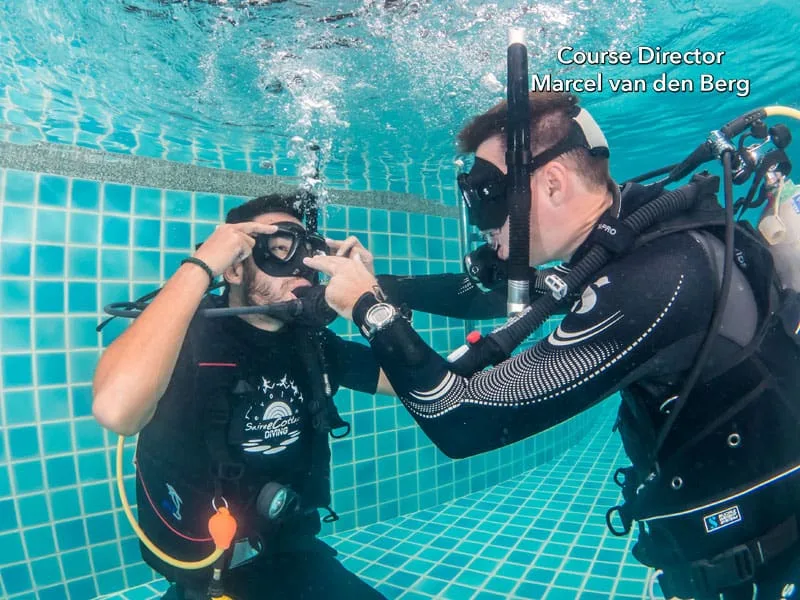
Image source: Bing (Web (fair-use with source credit))
Understanding Your Dive Gear
Your scuba equipment is your lifeline underwater, so understanding how it works is fundamental. You’ll get acquainted with your Buoyancy Control Device (BCD), which is essentially a vest that you can inflate or deflate to control your buoyancy. Then there's the regulator, which attaches to the tank and delivers air at ambient pressure so you can breathe.
You'll also learn to use your mask, which allows you to see clearly underwater, and fins, which provide propulsion. For those looking for comprehensive gear recommendations, resources like the 8 Best Scuba Diving Gear for Beginners 2026: Top Picks to Buy Now can offer a good overview of what’s available.
Will You Find It Difficult? A Self-Assessment
Deciding if scuba diving is right for you involves looking inward at your own preferences and capabilities. It's not about guessing; it's about honestly evaluating a few key areas. This self-assessment can help you anticipate what aspects of training might be easier or require a bit more focus for you.
Key Questions to Ask Yourself
Think of these as your personal checklist. Your answers will give you a pretty good idea of where you stand.
- How comfortable are you in the water? If you're a strong swimmer and feel relaxed floating or submerging, you're in a good starting position. If you're hesitant or have any fear, consider some pre-dive swimming lessons or simply spending more time in a pool to build confidence.
- Do you have any medical concerns? As mentioned, heart, lung, or ear issues require a doctor's approval. If you're generally healthy, you're likely good to go. Always be honest on medical forms.
- Are you willing to learn and practice? Scuba training involves both theoretical knowledge and practical skill development. If you enjoy learning new things and are patient with yourself during practice, you'll do well.
- Can you follow instructions precisely? Safety is paramount in diving. Being able to listen to and execute your instructor’s directions is non-negotiable.
What Most Beginners Actually Experience
The journey into scuba diving for most beginners is a structured and supportive one. The learning process is broken down into manageable stages, ensuring you build confidence and competence before venturing into more challenging environments. This phased approach is key to making the experience enjoyable rather than overwhelming.
The Training Journey: Pool to Open Water
A typical beginner’s certification, like the PADI Open Water Diver course, starts with knowledge development. This can be done online or in a classroom, covering the theory behind diving. Following that, you’ll spend time in a controlled environment, usually a swimming pool or a very calm, shallow body of water.
This is where you’ll practice essential skills, getting comfortable breathing underwater and performing critical safety maneuvers with your instructor close by. You might review resources on best scuba diving masks for wide face 2026: top picks for easy underwater exploration during this phase to ensure you have a good fit.
After mastering these skills, you’ll progress to open water dives. These are typically conducted in shallow, clear areas, allowing you to apply what you've learned in a real-world setting. Your instructor will still be supervising closely, guiding you as you explore.
When Does it Start Feeling Natural?
For many new divers, the point where things start to "click" happens during these initial open water dives. After a session or two in the pool, the mechanics of breathing underwater and managing your buoyancy become less of a conscious effort. You begin to notice the underwater world more, shifting your focus from just surviving to truly enjoying the experience.
By the end of your certification dives, the routine of checking gear, descending, and observing marine life feels much more natural.
Common Hurdles for New Divers (And How to Clear Them)
Even with great instruction, some aspects of scuba diving can present minor challenges for beginners. These aren't deal-breakers, but understanding them helps you prepare and overcome them smoothly. Most of these relate to mastering new sensations and skills.
Overcoming Water Anxiety
If you have even a slight unease about being in deep water, it's important to address it. A rigid scuba training program that doesn't account for this can amplify anxiety. A good instructor will spend extra time with you in shallow water, guiding you through controlled breathing exercises and allowing you to get used to the feeling of your gear.
Many divers find that the calm, rhythmic breathing underwater actually becomes meditative and helps reduce anxiety over time.
Mastering Ear Equalization
One of the most frequent topics for beginners is equalizing ear pressure. As you descend, the water pressure increases, which can cause discomfort or pain in your ears if not managed. This is done by gently pinching your nose and blowing to open the Eustachian tubes.
It’s a skill that requires practice, and some people find it easier than others. If you consistently struggle, your instructor will have techniques to help, and understanding this process is crucial for comfortable diving.

Image source: Bing (Web (fair-use with source credit))
The Buoyancy Challenge
Achieving neutral buoyancy, where you neither sink nor float uncontrollably, is often called the "holy grail" of diving. For beginners, it can feel tricky to master. You might find yourself bobbing up and down or struggling to stay at a specific depth.
This is normal and part of the learning curve. Proper use of your BCD and breath control are key here. Practicing these skills in a pool environment, often with the aid of weight belts which help with initial submersion, makes a big difference.
Resources on best scuba diving weight belt 2026: top picks for every diver can offer insight into equipment that aids buoyancy control.
Expert Tips for a Smoother Start
To make your transition into scuba diving as smooth as possible, a few proactive steps can significantly improve your experience. These tips focus on maximizing your learning and enjoyment from day one. Think of them as shortcuts to becoming a more confident diver.
Firstly, choose your dive center and instructor wisely. Research local dive shops, read reviews, and ask about their instructor-to-student ratios. A smaller group usually means more personalized attention, which is invaluable when you're learning new skills.
Secondly, don't rush the process. If you feel you need more time with a particular skill in the pool, communicate that to your instructor. It's far better to feel completely comfortable before your open water dives than to push yourself too soon.
Finally, invest in good quality basic gear if possible, like a well-fitting mask. A comfortable mask makes a world of difference underwater.
Safety First: Essential Considerations for Beginners
Safety is paramount in scuba diving, and as a beginner, understanding the core safety principles is non-negotiable. Proper training instills these habits from the start, ensuring you're prepared for various situations. Always prioritize your well-being and that of your dive buddy.
Key safety considerations include always performing a pre-dive safety check with your buddy, often called the BWRAF check (BCD, Weights, Releases, Air, Final OK). Never dive alone; your buddy system is a critical safety net. It’s also vital to respect depth limits appropriate for your certification level and environmental conditions.
For example, an Open Water Diver certification typically limits you to 18 meters (60 feet). Staying within these parameters helps prevent issues like decompression sickness. Always ascend slowly and manage your breathing, never holding it.
If you're concerned about gear choices impacting safety, looking at options like the best scuba diving regulator for beginners 2026: top picks reviewed can be beneficial.
Frequently Asked Questions About Beginner Scuba Diving
How long does a beginner scuba certification course typically take?
Most entry-level certification courses, like the Open Water Diver certification, take about 3 to 4 days to complete. This includes classroom or online theory sessions, pool skills training, and a series of supervised open water dives. Some programs offer a "weekend warrior" format, spreading the training over two weekends.
Do I need to be a strong swimmer to scuba dive?
You need to be comfortable in the water and have basic swimming skills. Typically, certification requires participants to swim 200 meters continuously or swim 300 meters with mask, fins, and snorkel. You also need to be able to float or tread water for 10 minutes.
You don't need to be an Olympic swimmer, but water confidence is key.
What if I get claustrophobic underwater?
Claustrophobia can be a challenge, but many people find that the experience of breathing easily underwater, with a wide-view mask and open space, is different from what they expected. Your instructor can help you work through this by gradually introducing you to the equipment and the water. If claustrophobia is severe, it's best to discuss it with your doctor and instructor beforehand.
Can I scuba dive if I wear glasses?
Yes, you can! Many divers wear prescription masks. These are specialized masks fitted with lenses that correct your vision, allowing you to see clearly underwater just as you do on land.
It's important to ensure your mask fits well and provides a good seal, especially with prescription lenses. Exploring options like best scuba diving masks for wide face 2026: top picks for easy underwater exploration can help you find a suitable fit.
What is the minimum age to start scuba diving?
The minimum age for open water diver certification typically starts at 10 years old. Junior certifications come with depth restrictions and require adult supervision. For full certification without age-related restrictions, the minimum age is usually 15 years old.
Your Decision: Is Scuba Diving Right for You?
Ultimately, whether scuba diving feels difficult for you will hinge on your personal comfort with water, your commitment to learning, and the quality of instruction you receive. It’s a skill that requires practice, patience, and a willingness to step outside your usual comfort zone. But for many, the rewards, exploring vibrant underwater ecosystems, experiencing a sense of weightlessness, and gaining a unique perspective on the planet, far outweigh the initial learning curve.
If you’re curious, the best way to find out is to take an introductory "Discover Scuba Diving" experience at a local dive center. This allows you to try the equipment and breathe underwater under close supervision without the full commitment of a certification course. It’s a fantastic way to test the waters, quite literally, and see if the underwater world calls to you.