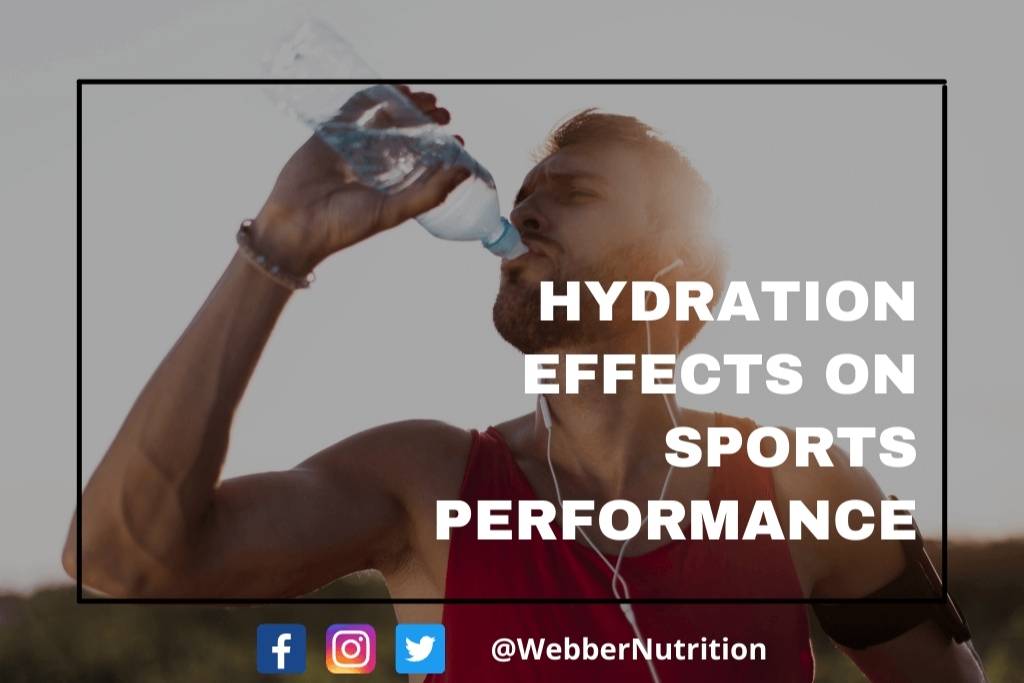
The best way to hydrate during sports is to start exercise well hydrated, drink fluids regularly during activity, and replace lost fluids after finishing.
Deal
Today's Exclusive Deals
Limited-time Exclusive Deals. Check current discount on Amazon.
In the United States, athletes of all ages train and compete in conditions that can quickly change how much fluid the body loses. A high school football player practicing in summer heat, a marathon runner on a city course, or a weekend basketball player in an indoor gym all face the same basic challenge: replacing water and electrolytes lost through sweat.
Knowing how to hydrate during sports helps support normal body function, temperature control, and exercise performance. The right plan depends on the sport, duration, intensity, weather, sweat rate, and individual needs. There is no single amount of fluid that works for every athlete, so hydration should be adjusted based on conditions and personal response.
This guide explains practical hydration steps before, during, and after sports. It covers water choices, sports drinks, electrolytes, signs of dehydration, common mistakes, and when an athlete should seek medical help.
Source: i.pinimg.com
Why Hydration Matters During Sports
Hydration supports the body systems that allow athletes to move, regulate heat, and maintain normal performance. During exercise, muscles create heat, and the body uses sweating as one way to cool itself. Sweat loss reduces body water and also removes small amounts of electrolytes such as sodium.
When an athlete becomes dehydrated, the body may have more difficulty controlling temperature and maintaining normal physical effort. Even mild fluid loss can make exercise feel harder, especially during long events, hot weather, or intense training.
Hydration is not about drinking as much as possible. Drinking excessive amounts without replacing sodium can create an unsafe condition called hyponatremia, where blood sodium becomes too diluted. A balanced approach is safer than forcing large amounts of fluid.
Water helps the body manage heat produced during physical activity and sweating.
Physical performance
Adequate fluid intake helps athletes maintain normal movement and effort during training and competition.
Recovery support
Replacing fluids after exercise helps the body return toward normal balance.
Who Needs To Pay Extra Attention To Hydration
Athletes who train for long periods, compete outdoors, sweat heavily, or exercise in hot and humid environments often need a more detailed hydration plan. Young athletes may also need reminders because they may not recognize thirst quickly during busy practices or games.
People returning to exercise after illness, those taking certain medications, and athletes with medical conditions should discuss hydration needs with a qualified healthcare professional when necessary.
Hot weather athletes
Heat and humidity increase sweat loss and can make hydration planning more important.
How To Hydrate Before Sports
The first step in hydration during sports happens before the activity begins. Starting a practice or competition already dehydrated makes it harder to replace losses while exercising.
Athletes should drink fluids regularly throughout the day instead of trying to consume a large amount immediately before a game or workout. Meals and snacks also contribute water intake, especially when they include fruits, vegetables, soups, and other water-rich foods.
Before a sports session, check simple signs such as urine color and thirst. Dark urine and strong thirst may indicate that more fluids are needed, although urine color can also be affected by foods, supplements, and medications.
Source: images.bannerbear.com
Drink consistently
Small amounts of fluid throughout the day are usually easier for the body to manage than last-minute drinking.
Plan for conditions
Outdoor activities in heat may require more preparation than short indoor sessions.
Simple Pre-Sport Hydration Routine
A practical routine is to drink fluids with regular meals, have water available before practice, and avoid arriving at training already thirsty. Athletes should also consider how much time they have before activity because drinking too much right before exercise can cause discomfort.
Before practice
Bring a filled bottle and begin activity with access to fluids.
How To Drink Fluids During Sports
During sports, the goal is to replace fluid losses without causing stomach discomfort. Drinking small amounts at regular breaks is often easier than waiting until the end of a session.
The amount an athlete needs depends on sweat rate, activity length, weather, and body size. A runner completing a long race in hot weather may lose far more fluid than a player completing a short indoor practice.
Athletes should use thirst, comfort, performance, and conditions as guides. There is no need to copy another athlete’s hydration routine because sweat losses differ greatly between individuals.
Source: i.pinimg.com
Short activities
Water is often suitable for many activities lasting less than about one hour, especially in normal temperatures.
Long activities
Long endurance events or heavy sweating may require fluids containing electrolytes.
Hot conditions
Heat increases fluid loss and may require more frequent drinking opportunities.
Water Versus Sports Drinks
Water remains an important choice for hydration, but sports drinks can serve a purpose during longer or harder activities where athletes lose significant sodium through sweat. These drinks often contain carbohydrates and electrolytes that may help support extended exercise.
Sports drinks are not required for every workout. For casual exercise or short sessions, plain water and normal meals may provide enough hydration support.
Choose water when
The activity is shorter, intensity is moderate, and sweat losses are limited.
Consider electrolytes when
Exercise lasts longer, sweating is heavy, or conditions increase fluid loss.
How To Replace Fluids After Sports
Post-sport hydration helps the body recover after sweat loss. The best approach combines fluids with a normal recovery meal or snack that provides nutrients needed after exercise.
Athletes who finish a long or very sweaty session may need to replace more than just water. Sodium from food or electrolyte-containing drinks can help replace some minerals lost through sweat.
A practical way to evaluate recovery is to notice thirst, energy levels, and urine color over the hours after exercise. Continued dizziness, confusion, or unusual weakness requires medical attention rather than simply drinking more water.
Source: i.pinimg.com
Drink after finishing
Replace fluids based on how much was lost and how intense the activity was.
Eat a balanced meal
Food provides water, carbohydrates, protein, and minerals that support recovery.
Estimating Sweat Loss
Athletes can estimate sweat loss by checking body weight before and after exercise under similar conditions. A lower body weight after activity suggests fluid loss, although this method should be used carefully because it is only an estimate and does not replace medical guidance.
Simple calculation
Compare pre-exercise and post-exercise weight while considering fluid consumed during the session.
Many hydration problems happen because athletes use a routine that does not match their activity. A plan that works for a short practice may not work for a long outdoor event.
Understanding common mistakes can prevent avoidable problems and create a safer approach to drinking fluids during sports.
Source: webber-nutrition.co.uk
Waiting until extreme thirst
Strong thirst may appear after fluid losses have already occurred, so regular access to fluids is helpful.
Drinking too much too quickly
Excessive fluid intake can create discomfort and may be dangerous in some situations.
Ignoring weather
Heat and humidity can change hydration needs significantly.
Frequently Asked Questions
Q
How much water should I drink during sports?
There is no single amount that fits every athlete. Fluid needs depend on body size, sweat rate, exercise duration, temperature, and intensity. A practical approach is to drink regularly and adjust based on personal experience and conditions.
Q
Is water enough for every workout?
Water is often enough for shorter and moderate activities. Longer sessions, heavy sweating, or hot environments may require electrolytes and carbohydrates in addition to fluids.
Q
What are signs of dehydration during sports?
Possible signs include strong thirst, unusual fatigue, dizziness, reduced ability to exercise, headache, and changes in normal performance. Severe symptoms require medical attention.
Q
Should athletes drink sports drinks every day?
Sports drinks are designed for specific exercise situations. They are not necessary for every day or every workout, especially when regular meals and water meet hydration needs.
Q
Can you drink too much water during exercise?
Yes. Drinking excessive amounts without replacing sodium can create a serious imbalance. Athletes should avoid forced overdrinking and follow a balanced hydration plan.
✦ Wrapping Up
Conclusion
Learning how to hydrate during sports starts with a simple idea: replace what the body loses without overdoing it. Drinking fluids before activity, taking regular opportunities during exercise, and recovering afterward creates a practical foundation for most athletes.
The best hydration plan changes with the athlete and the situation. A short indoor workout, a summer tournament, and a long endurance event all create different demands. Paying attention to conditions, sweat, and personal response helps athletes make better choices.
💡 Key Takeaway
Start your next sports session with a filled water bottle, a clear hydration plan, and an understanding that your fluid needs depend on your activity and environment.