Choose a sports bag by matching its size, material, compartments, comfort, and durability to your specific activity. The best bag is large enough for your gear but not so large that it becomes difficult to carry.
Deal
Today's Exclusive Deals
Limited-time Exclusive Deals. Check current discount on Amazon.
Across the United States, athletes, gym members, students, and recreational players use sports bags for many different needs, from carrying workout clothes to transporting team equipment. A good sports bag should support the activity you do most often, whether that means storing shoes after a gym session, protecting sports gear during travel, or keeping personal items organized before practice.
The right choice depends less on brand names and more on practical factors such as capacity, fabric quality, carrying comfort, weather resistance, and storage design. A runner may need a compact lightweight bag, while a baseball player or swimmer may need more space and separate wet and dry compartments. Understanding these differences helps buyers avoid paying for features they do not need or choosing a bag that fails during regular use.
Source: vancharlioutdoor.com
What Is A Sports Bag And Why Does The Type Matter
A sports bag is a carrying bag designed to store and transport athletic clothing, footwear, accessories, and equipment. Common types include duffel bags, backpacks, equipment bags, tote-style bags, and specialty bags made for sports such as tennis, soccer, swimming, or cycling.
The type matters because different activities create different storage needs. A casual gym user may only need room for clothes, shoes, and a water bottle, while a team athlete may need space for protective gear, uniforms, balls, or multiple pairs of footwear.
Choosing the correct style makes daily use easier. A bag that matches your routine keeps equipment organized and reduces the chance of damaged gear, forgotten items, or uncomfortable carrying.
Source: libraryinnovation.org
Duffel bags
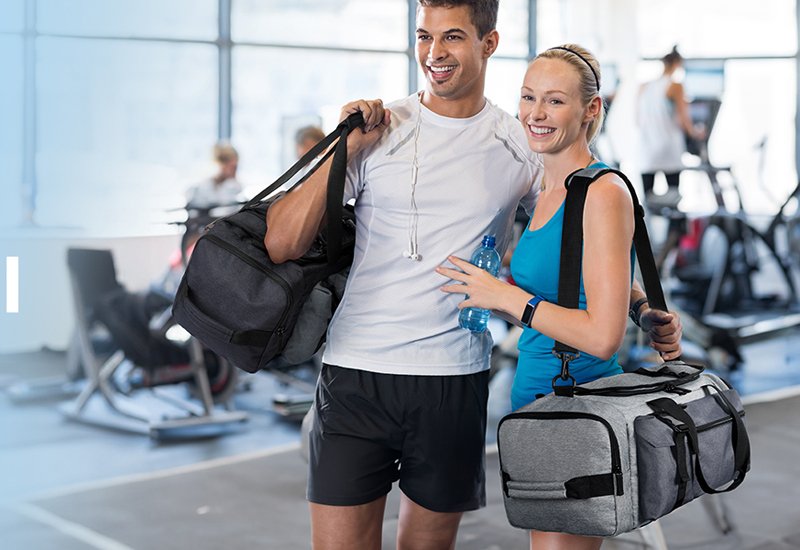
Duffel bags offer wide openings and flexible storage, making them useful for gym workouts, travel, and sports equipment.
Backpack sports bags
Backpacks distribute weight across both shoulders and work well for commuting, school, and lighter equipment loads.
Specialty sports bags
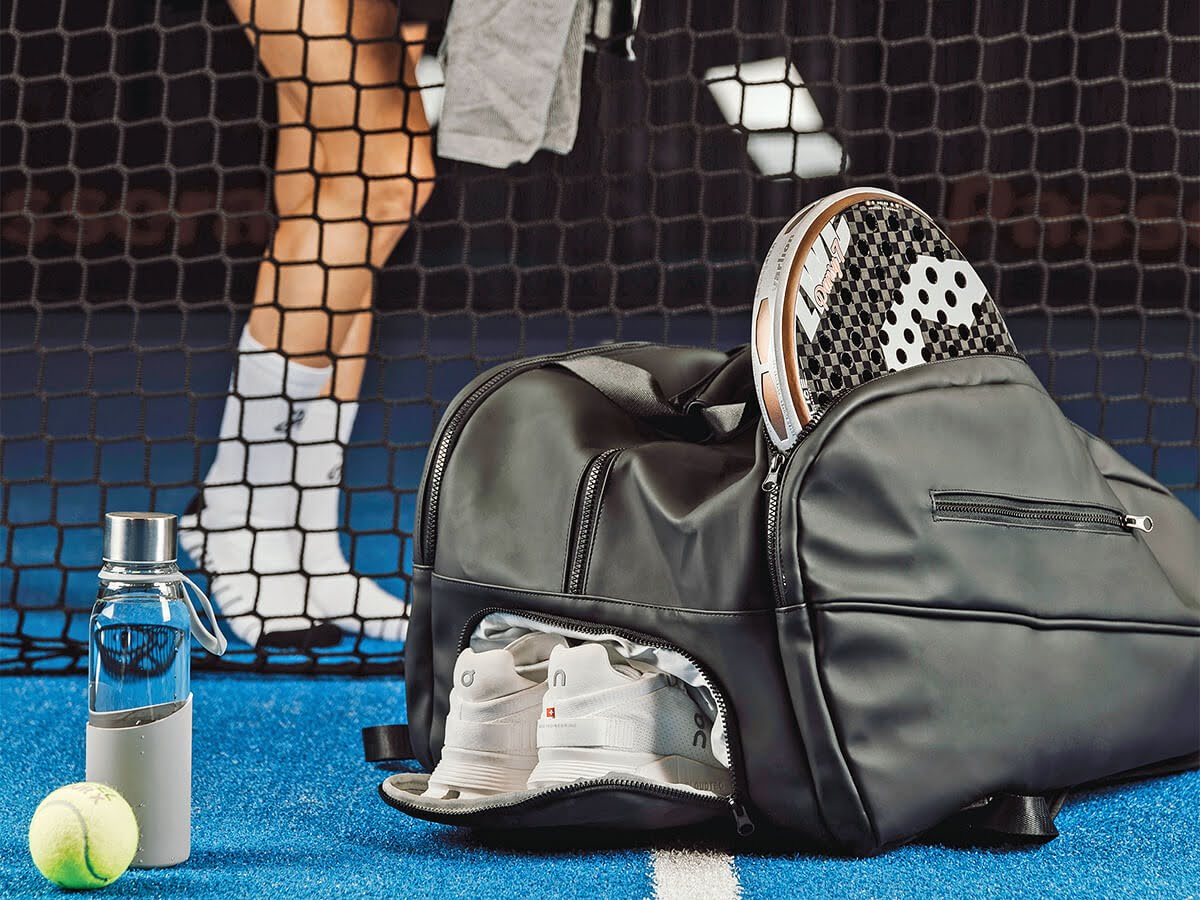
Specialty designs include compartments shaped for specific equipment such as rackets, helmets, or footwear.
The same sports bag will not work equally well for every activity. Before buying, list the items you carry most often and choose a design that supports those needs.
For example, swimmers may value ventilated areas for damp items, while basketball players may need a larger compartment for clothing and shoes. The correct bag solves your storage problem instead of simply adding extra space.
Gym workouts
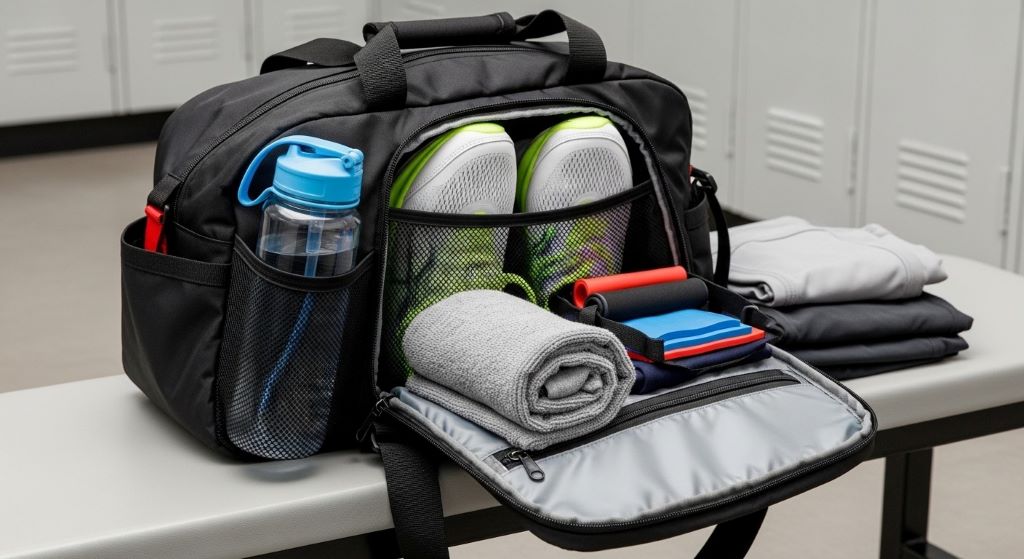
Look for shoe storage, clothing space, and smaller pockets for keys, phones, or training accessories.
How To Choose The Right Sports Bag Size
The correct size is large enough for your normal gear without leaving excessive unused space. A bag that is too small creates stress on zippers and makes organization difficult, while an oversized bag can become heavy and inconvenient.
Start by making a simple list of items you carry. Include clothing, shoes, towels, equipment, personal items, and any protective gear. The bag should fit your regular load rather than an occasional maximum load.
Capacity is often measured in liters, but practical dimensions are also important. Two bags with similar capacity can feel different depending on their shape, opening design, and internal compartments.
Source: osgwbag.com
Small bags
Suitable for light workouts, short trips, or carrying basic personal items.
Medium bags
A common choice for regular gym sessions because they balance space and portability.
Large bags
Useful for team sports, tournaments, travel, or carrying bulky equipment.
A Simple Size Check Before Buying
Place your main gear together before shopping. If possible, compare it with the bag dimensions listed by the manufacturer. This prevents choosing a bag based only on appearance.
A useful sign of success is when all essential items fit while the bag remains comfortable to lift and carry.
Which Sports Bag Material Is Best
The best material depends on where and how the bag will be used. Common sports bag materials include polyester, nylon, canvas, and synthetic blends. Each material has different strengths and limitations.
Synthetic fabrics are popular because many are lightweight and resist everyday wear. However, material quality depends on fabric thickness, construction, stitching, and zipper design, not only the material name.
A durable sports bag should handle repeated carrying, contact with floors or lockers, and exposure to sweat or changing weather conditions.
Source: osgwbag.com
Polyester
Often used for affordable sports bags because it can provide good everyday durability and light weight.
Nylon
Known for strength and resistance to abrasion in many outdoor and athletic applications.
Canvas
Provides a classic feel and strong structure but may weigh more than synthetic options.
Features That Improve Daily Use
Useful features include padded straps, reinforced handles, ventilation panels, waterproof sections, and separate shoe pockets. However, every extra feature can add weight or cost.
Choose features that solve a real problem in your routine. More pockets do not always mean better organization if they make the bag harder to use.
How To Compare Comfort, Storage, And Organization
A sports bag should be comfortable when fully packed because the carrying experience changes after adding shoes, equipment, and clothing. Try to consider how you will carry it most often before purchasing.
Storage layout affects how quickly you can find items. A main compartment may hold clothing, while smaller pockets can separate valuables, accessories, and personal items.
Comfort is especially important for people who carry bags for longer periods, such as students, commuters, and athletes traveling to events.
Source: baddiehub.org.uk
Straps
Adjustable and padded straps can improve comfort by helping distribute weight.
Compartments
Separate sections can keep clean clothing away from shoes or used equipment.
Handles
Strong handles make short carries easier when moving between locations.
Common Buying Mistakes
Many buyers choose a sports bag because of color or style and later discover that it does not fit their equipment. Another common mistake is selecting the largest available option without considering weight.
A better approach is to prioritize your daily needs first, then choose the appearance and extra features that match your preference.
How To Maintain A Sports Bag And Know When To Replace It
Regular care can extend the usable life of a sports bag. Empty the bag after use, allow damp items to dry, clean dirt according to the material instructions, and avoid overloading the compartments.
Signs that a bag may need replacement include broken zippers, damaged straps, torn fabric, or a structure that no longer protects your equipment. A worn bag can become inconvenient and may fail when carrying important gear.
Replacement timing depends on use frequency, load weight, material quality, and care. A bag used several times per week usually experiences more stress than one used occasionally.
Remove sweat, dirt, and moisture buildup to reduce odors and material damage.
Avoid overloading
Carrying more weight than intended can strain seams, handles, and zippers.
Inspect damage
Repair small issues early when possible before they affect the whole bag.
When A Different Bag May Be Better
Your needs can change over time. A beginner may start with a simple gym bag and later need a larger equipment bag after joining a team or increasing training activities.
Changing bag types is normal and should be based on your current routine rather than loyalty to one style.
Frequently Asked Questions
Q
What size sports bag should I buy?
Choose a size based on the equipment you carry most often. A medium bag works for many gym users, while larger bags are better for team sports or bulky equipment.
Q
Is a backpack or duffel bag better for sports?
Neither style is always better. Backpacks are often comfortable for lighter loads, while duffel bags provide wider storage for clothing and equipment.
Q
What material makes a sports bag last longer?
Durability depends on fabric quality, stitching, zippers, and construction. Nylon and polyester are common choices because they balance strength and weight.
Q
Should a sports bag have a shoe compartment?
A shoe compartment can be useful because it separates footwear from clean clothing and other personal items. It is most valuable for frequent gym or sports use.
Q
How do I know if my sports bag is too heavy?
If carrying the bag causes discomfort, affects posture, or feels difficult during normal movement, reduce the load or choose a better-sized bag.
✦ Wrapping Up
Conclusion
Choosing a sports bag becomes easier when you focus on your real needs first. The right bag should fit your equipment, support comfortable carrying, and provide useful organization without unnecessary bulk.
A thoughtful choice considers activity type, size, materials, and long-term use. Whether you need a simple workout bag or a larger equipment carrier, matching the design to your routine helps you get better value and a more practical everyday tool.
💡 Key Takeaway
Before buying a sports bag, write down your regular gear list, compare bag dimensions, check comfort features, and choose the option that solves your specific storage needs.