How to Improve Badminton Skills: Build better skills through consistent practice of footwork, basic strokes, movement, fitness, and match-based drills.
Deal
Today's Exclusive Deals
Limited-time Exclusive Deals. Check current discount on Amazon.
In the United States, badminton is played in schools, community centers, recreation clubs, and competitive programs by players at many skill levels. Whether someone is learning the sport for fitness or preparing for tournaments, improvement comes from training the right fundamentals instead of only hitting more shots.
To improve badminton skills, players should focus on five connected areas: efficient footwork, reliable racket technique, smart court movement, physical conditioning, and decision-making during rallies. A strong player does not only hit harder; they reach the shuttle earlier, control placement, and make fewer unforced errors.
This guide explains practical ways to improve badminton skills using proven training principles. It covers what beginners should learn first, how intermediate players can develop consistency, common mistakes that slow progress, and how to create a practice routine that supports long-term improvement.
Source: img-s-msn-com.akamaized.net
Understand The Core Skills Needed In Badminton
Badminton skills are built from several basic abilities that work together. A player with a powerful smash but weak movement will often struggle because they cannot position themselves correctly. Good badminton combines physical ability, technical control, and tactical awareness.
The first step is understanding which skills need improvement. Beginners often need better grip, basic strokes, and movement patterns. More experienced players may need faster reactions, stronger defense, and improved shot selection.
Source: badmintonsq.com
Footwork
Helps players move quickly and maintain balance while reaching different areas of the court.
Stroke Technique
Includes serves, clears, drops, drives, lifts, and smashes performed with proper control.
Game Awareness
Allows players to predict opponents, choose better shots, and control rallies.
Footwork allows a player to arrive at the shuttle in a balanced position. When movement is inefficient, players often hit late, lose accuracy, and use extra energy during matches.
Effective footwork includes the ready position, split step, lunges, side steps, and recovery back to the center area. Practicing these movements regularly creates faster and more controlled reactions.
Practice Goal
Move smoothly to all six main court areas while staying balanced and ready for the next shot.
Improve Badminton Footwork And Court Movement
Improving badminton skills starts with improving movement. Players who reach the shuttle early have more options because they can choose attacking or defensive shots instead of simply reacting.
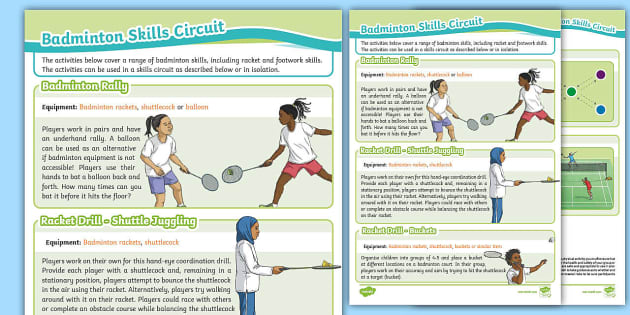
A useful training method is shadow badminton, where players move around the court without a shuttle while practicing correct steps. This develops movement patterns and improves speed without requiring a partner.
Source: images.twinkl.co.uk
Use The Ready Position
Keep knees slightly bent, weight balanced, and racket prepared before the opponent hits.
Practice Recovery
Return toward the center after each shot to prepare for the next possible direction.
Train Direction Changes
Practice quick movement from front court to back court and side to side.
Footwork Drills That Build Speed
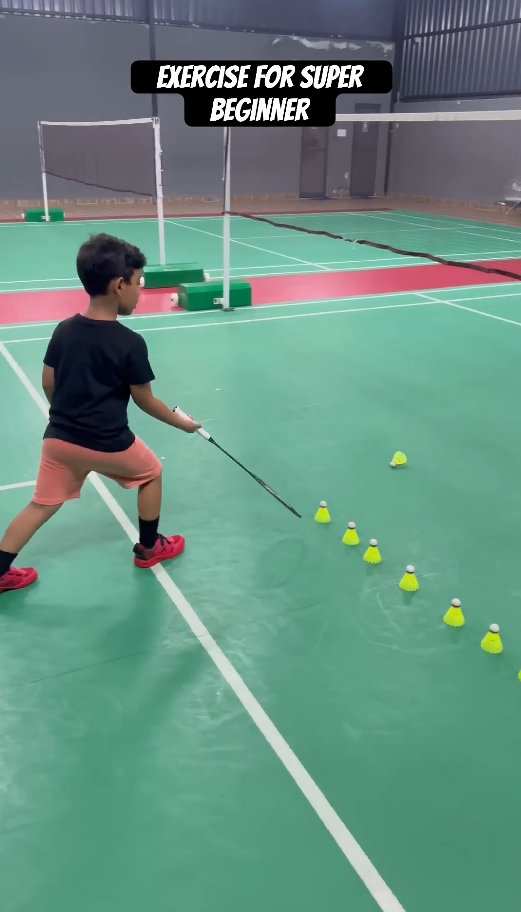
Simple drills can improve movement when repeated consistently. Players can practice six-point movement drills, ladder exercises, and timed court patterns to develop quicker reactions.
The goal is not only speed. Good badminton movement requires control, because arriving quickly without balance can lead to poor shots.
Six Point Drill
Move from the center position to each corner of the court and return after every movement.
Develop Better Badminton Shots And Technique
Good badminton technique begins with control. Players should learn correct grip, preparation, contact point, and follow-through before trying to increase power.
Each shot has a purpose. Clears create distance, drops change pace, drives create pressure, and smashes finish attacking opportunities. Understanding when to use each shot improves overall performance.
Repeat important shots until they become consistent under pressure.
Improve Contact Point
Try to contact the shuttle at the correct height and position for better control.
Use Relaxed Grip
Avoid holding the racket too tightly because tension can reduce speed and control.
How To Improve Your Smash
A stronger smash comes from full-body movement, not only arm strength. Players should use their legs, rotation, and timing to generate speed.
Smash practice should include accuracy and placement. A powerful shot that lands out or is easy to return does not always help win rallies.
Training Focus
Practice hitting downward angles, recovering quickly, and preparing for the next shot.
Create A Practice Routine That Improves Skills
A structured practice plan helps players improve faster because each session has a clear purpose. Random games can be enjoyable, but focused drills usually produce better technical progress.
A balanced badminton practice session should include warm-up, skill drills, movement training, match practice, and recovery. The exact amount depends on fitness level, schedule, and goals.
Source: badmintonskills.com
Warm Up
Prepare muscles and joints with light movement and dynamic exercises before intense play.
Skill Training
Spend time practicing specific shots or weaknesses instead of only playing matches.
Match Practice
Apply skills under pressure and learn better decision-making.
Example Weekly Training Approach
A beginner may focus on basic strokes and movement several times per week. An experienced player may add more advanced drills, fitness work, and competitive matches.
Progress should be measured by improvement in consistency, movement quality, and match results rather than only by winning every game.
Track Progress
Record areas such as successful serves, rally length, movement speed, and common mistakes.
Avoid Common Mistakes That Slow Improvement
Many players practice regularly but improve slowly because they repeat the same mistakes. Identifying weaknesses is one of the fastest ways to make training more effective.
Players should focus on quality practice rather than simply spending more hours on the court. Poor technique repeated many times can become a difficult habit to change.
Players who only practice strokes may struggle because they cannot reach the shuttle properly.
Using Too Much Power
Trying to hit hard before developing control often creates errors.
Skipping Recovery
Rest and proper preparation help maintain performance and reduce injury risk.
What To Do When Progress Stops
A training plateau usually means a player needs a different challenge or more focused practice. Reviewing match footage, changing drills, or working with a qualified coach can reveal problems that are difficult to notice alone.
Change The Focus
Spend more practice time on the skill that creates the biggest limitation during games.
Frequently Asked Questions
Q
How long does it take to improve badminton skills?
The time needed depends on practice frequency, previous experience, fitness, and training quality. Consistent practice can improve basic skills within weeks, while advanced skills usually require longer development.
Q
What badminton skill should beginners learn first?
Beginners should first learn the correct grip, ready position, basic strokes, and footwork. These foundations make later skills easier to develop.
Q
Can fitness improve badminton performance?
Yes. Speed, balance, endurance, and strength can help players move better and maintain performance during longer rallies.
Q
How often should I practice badminton?
The ideal schedule depends on personal goals and availability. Regular sessions with focused goals are usually more helpful than occasional long sessions.
Q
Why am I not improving despite practicing badminton?
Common reasons include repeating poor technique, ignoring weaknesses, practicing without goals, or playing matches without reviewing mistakes.
✦ Wrapping Up
Conclusion
Improving badminton skills requires a balanced approach. Players need strong fundamentals, efficient movement, accurate shots, smart decisions, and consistent practice.
The best improvement plan is one that targets personal weaknesses while building reliable habits. Small gains in footwork, control, and confidence can create noticeable changes in match performance over time.
💡 Key Takeaway
Start with a simple training goal: practice footwork, one technical skill, and one match situation in every session. Consistent focused practice builds better badminton skills.