To improve cricket bowling speed, focus on efficient bowling mechanics, stronger lower-body power, faster arm movement, consistent practice, and proper recovery rather than only trying to throw harder.
Deal
Today's Exclusive Deals
Limited-time Exclusive Deals. Check current discount on Amazon.
In the United States, cricket participation has grown through local clubs, school programs, and community leagues, creating more opportunities for players to develop advanced skills. Many American bowlers who want to compete at a higher level look for ways to add pace, but speed comes from technique and athletic development working together.
Improving bowling speed is not only about stronger muscles or a faster run-up. A bowler creates pace by transferring energy from the ground through the legs, hips, core, shoulder, and bowling arm. Small improvements in timing, balance, and body position can make a major difference while reducing unnecessary strain.
This guide explains how to improve cricket bowling speed using practical training methods. It covers bowling mechanics, strength work, drills, common mistakes, and safety considerations. Some performance differences between bowlers vary because of age, experience, body type, training history, and coaching support.
Source: cricketbio.com
Understand What Creates Faster Bowling Speed
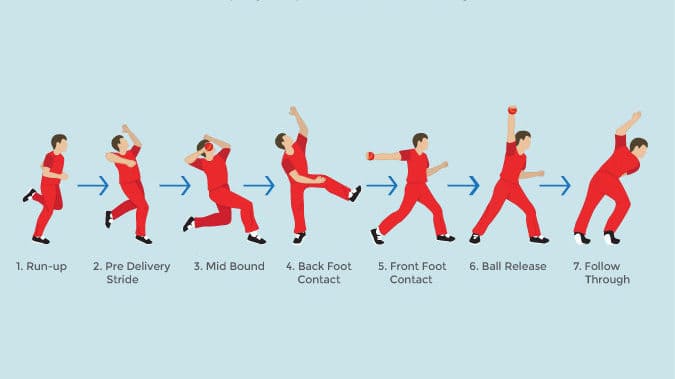
Cricket bowling speed is created by a chain of movements rather than one single action. The run-up provides momentum, the legs create force against the ground, the hips and trunk transfer energy, and the shoulder and arm deliver the final movement.
A bowler who only focuses on arm strength may not see large improvements because the arm is only the final part of the process. Efficient bowlers use the whole body as a connected system.
Speed also depends on control. A fast delivery that loses accuracy or places excessive stress on the body is not useful for long-term development.
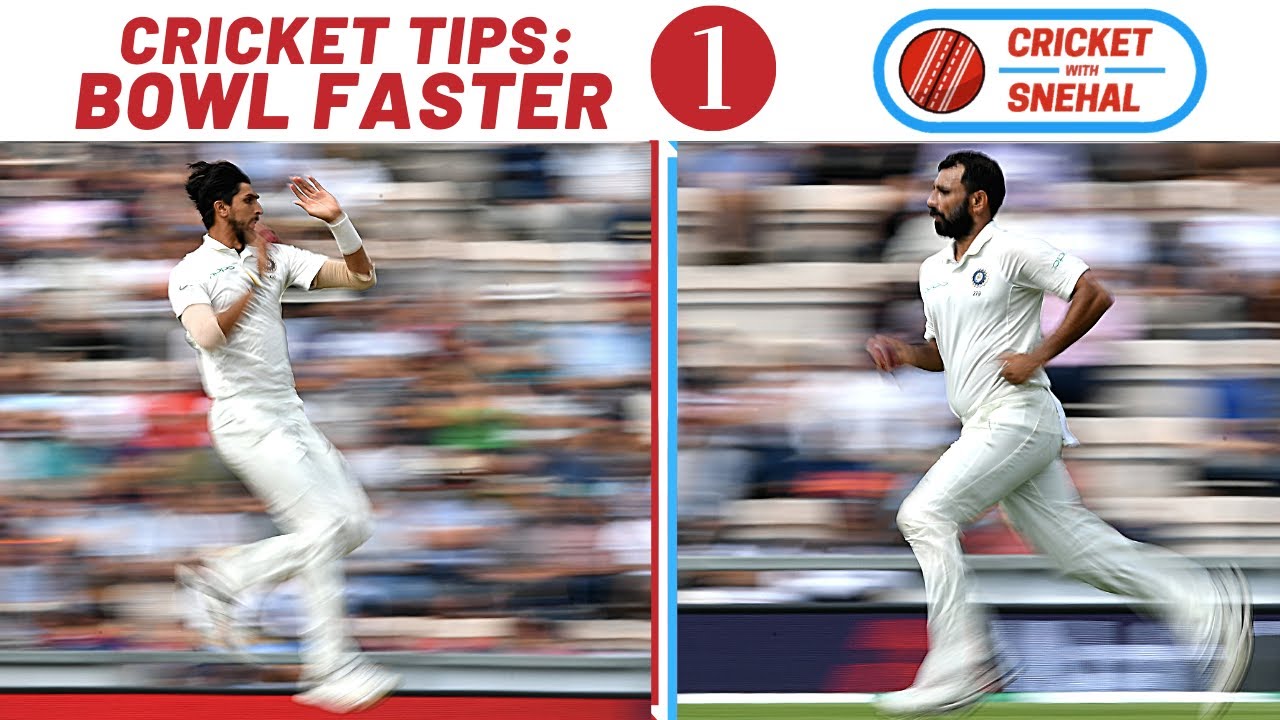
A controlled and powerful run-up helps create momentum, but running faster without balance can reduce accuracy and timing.
Body alignment
A stable bowling action allows energy to move forward instead of being lost through unnecessary movement.
Release efficiency
A strong final position and quick arm action help transfer stored energy into ball speed.
Why Technique Comes Before Maximum Effort
Many developing bowlers try to increase speed by bowling at maximum effort every session. This can create poor habits because fatigue changes body position and timing. Building a repeatable action first gives the body a stronger foundation for future pace improvements.
Better control
A repeatable action helps bowlers maintain line, length, and speed together.
Improve Bowling Mechanics Step By Step
The fastest way to improve bowling speed is to improve how efficiently the body moves. A coach can help identify individual technical issues, but every bowler can work on basic movement principles.
Start by checking your approach, loading position, front-leg action, and follow-through. Each part should support the next movement instead of fighting against it.
Video recording can be useful because bowlers often feel a movement differently from how it appears. Reviewing footage can reveal issues with balance, timing, or body position.
Use a repeatable approach with controlled acceleration instead of an inconsistent sprint.
Use the front side effectively
A strong front-leg position can help create a firm base for energy transfer during release.
Finish the action
A complete follow-through helps maintain rhythm and reduces sudden stress on the body.
Common Mechanical Problems
Falling sideways, collapsing the front leg, opening the shoulders too early, or losing balance at release can reduce pace. These problems should be corrected gradually because forcing major technical changes quickly may create new issues.
Symptom
The bowler feels effort is high but ball speed does not improve.
Possible cause
Energy may be leaking because the body is not moving in a connected sequence.
Use Strength And Fitness Training For More Pace
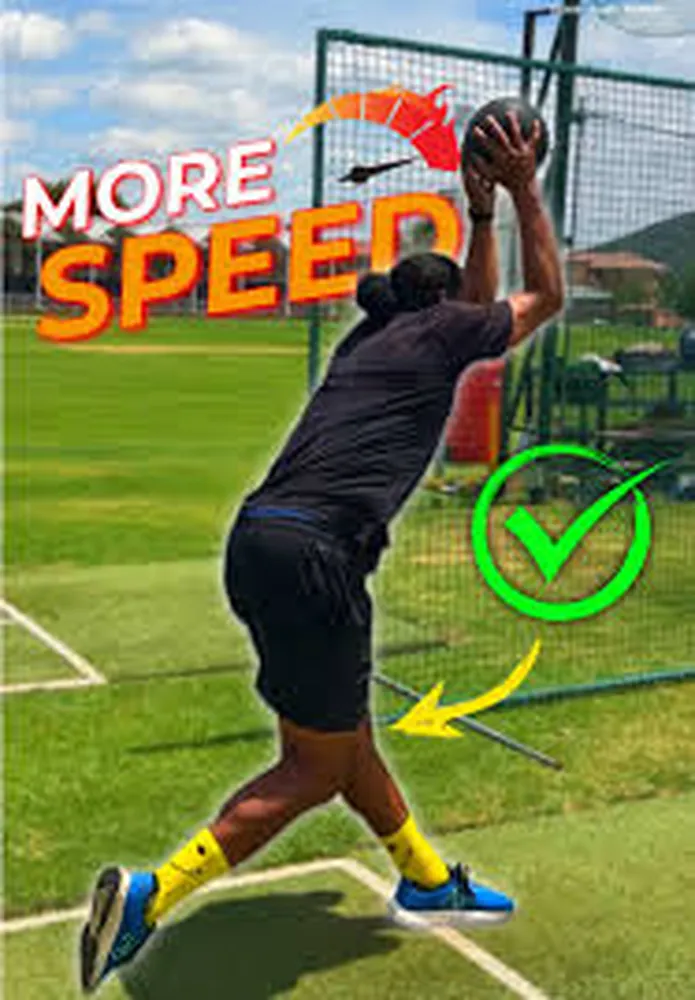
Physical training supports bowling speed by improving force production, stability, and endurance. Fast bowlers need strength that helps them repeat powerful movements, not only maximum lifting ability.
Lower-body strength is especially important because the legs begin the movement chain. Core training helps maintain posture and allows force to transfer through the body.
A balanced program should include strength, mobility, speed work, and recovery. Training too much without rest can reduce performance and increase injury risk.
Source: pathak100mph.com
Leg strength
Exercises such as squats, lunges, and controlled jumps can support power development when performed with proper technique.
Core stability
A stable core helps bowlers maintain control during fast movements.
Shoulder mobility
Good movement range can support an efficient bowling action.
Fitness Mistakes To Avoid
Adding random workouts without considering bowling demands may not improve pace. Bowlers should choose exercises that support movement quality and should avoid sacrificing bowling technique for heavy training loads.
Avoid
Training only upper-body muscles while ignoring legs and mobility.
Practice Drills That Can Increase Bowling Pace
Effective drills allow bowlers to improve specific parts of their action without always bowling at full intensity. Quality practice helps build better movement patterns.
A good training session usually combines technical drills, targeted bowling, and recovery. The goal is to improve speed while maintaining control and repeatability.
Players should increase training difficulty gradually. Sudden increases in bowling volume can place extra stress on muscles and joints.
Source: i.ytimg.com
Target bowling drills
Practice hitting a specific area while maintaining strong technique and rhythm.
Run-up drills
Repeat the approach phase to improve consistency and timing.
Power drills
Use controlled explosive movements to develop athletic ability.
How To Measure Progress
Track bowling speed, accuracy, workload, and how the body feels after sessions. A small increase in speed with better control is often more valuable than a temporary increase caused by unsafe effort.
Record results
Use consistent measurement methods so improvements can be compared fairly.
Avoid Mistakes That Limit Bowling Speed
Many bowlers struggle to improve because they focus on the wrong areas. More effort does not always create more speed. The body needs time to adapt to technical and physical changes.
Ignoring recovery is another common problem. Muscles and connective tissues need time to repair after intense bowling sessions.
Fast bowling also requires attention to injury prevention. Persistent pain, reduced movement, or repeated discomfort should not be ignored.
Excessive high-intensity bowling can increase fatigue and reduce technical quality.
Poor warm-up habits
A gradual warm-up prepares the body for explosive movements.
Ignoring technique feedback
Small technical problems can limit progress if they remain unchanged.
When To Seek Coaching Support
A qualified cricket coach or sports professional can help when a bowler cannot identify technical issues, experiences recurring pain, or needs a structured development plan. Individual guidance is especially useful for younger players.
Helpful situation
A player has trained consistently but sees no improvement despite good effort.
Frequently Asked Questions
Q
Can I increase cricket bowling speed quickly?
Bowling speed usually improves gradually because the body must adapt to technical changes and physical training. Short-term gains may happen, but sustainable improvement requires consistent practice.
Q
Does a faster run-up always create faster bowling?
No. A faster run-up can help only when the bowler maintains balance and timing. An uncontrolled run-up may reduce speed and accuracy.
Q
How often should I practice fast bowling?
The ideal schedule depends on age, fitness, experience, and workload history. Bowlers should allow recovery between intense sessions and avoid sudden increases.
Q
Do stronger muscles automatically make a faster bowler?
Strength can support bowling speed, but technique, timing, mobility, and coordination are also important. Strength alone does not guarantee faster deliveries.
Q
What should I do if my bowling speed stops improving?
Review your technique, training plan, recovery habits, and measurement method. A coach may help identify issues that are difficult to notice alone.
✦ Wrapping Up
Conclusion
Improving cricket bowling speed requires a complete approach that combines efficient mechanics, athletic training, smart practice, and recovery. The fastest bowlers are not simply the strongest players; they are athletes who use their bodies efficiently.
Focus on building a repeatable action first, then gradually develop strength and power around that foundation. Track progress carefully and make changes based on performance rather than frustration.
💡 Key Takeaway
Start with one technical improvement, one fitness goal, and one measurable bowling drill. Consistent progress over time is the safest path to increased bowling speed.