
Learning how to safely progress in strength training allows you to build muscle and bone density without unnecessary injury. Consistency beats intensity when you are aiming for results that last for years.
Most gym-goers stall because they view training as a linear climb rather than a calculated process. As of 2026, research from the National Strength and Conditioning Association confirms that sustainable improvement relies on managing recovery alongside physical output.

Today's Exclusive Deals
Limited-time Exclusive Deals. Check current discount on Amazon.
Check Price on Amazon As an Amazon Associate I earn from qualifying purchases.Quick Answer
Progressive overload drives safe strength gains. You increase weight, reps, or set volume gradually. Proper form always precedes added resistance.
Listen to your body to avoid overtraining. Track your workouts to ensure steady, measurable growth.
Why More Weight Isn't Always the Path to Strength
You might feel the urge to add weight every single session to prove your progress. However, this is a recipe for stalled growth and potential joint issues. Strength is a skill, and you must refine that skill through deliberate repetition before seeking heavier loads.
Pushing too much, too soon, causes your form to collapse under the pressure. Your muscles might move the weight, but your tendons and ligaments take the brunt of the stress. If your technique degrades during a set, your body is no longer training the target muscle.
Instead of focusing solely on the numbers on the plate, look at the quality of your movement. Are you using a full range of motion? Are you controlling the weight throughout the entire lift?
If you are just getting started, finding a durable starter kit is often more important than the amount of iron you can move. By mastering your movement pattern first, you build a foundation that supports much heavier weights down the road.
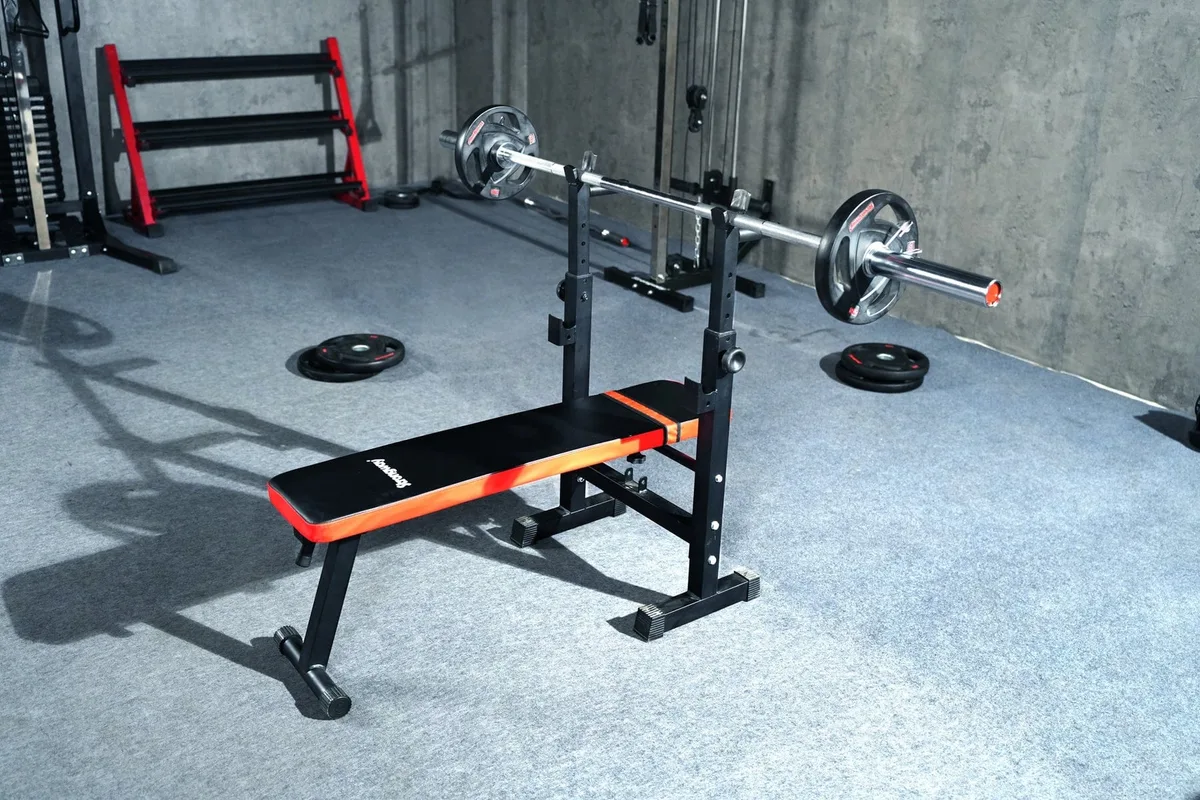
The Mechanics of Progressive Overload (Beyond Just Adding Plates)
Progressive overload is the structured increase of stress placed on the body during exercise. If you do not challenge your muscles beyond their current capacity, they will not adapt. You do not always need to add weight to achieve this stimulus.
Think of your training as a series of levers you can pull to change the intensity of your workout. Adding weight is only one of these levers. You can also change the time under tension, the number of repetitions, or your recovery periods.
| Progression Strategy | How It Impacts Your Training |
|---|---|
| Increased Volume | Adding sets or reps to build total work capacity. |
| Increased Density | Shorter rest periods force the heart to recover faster. |
| Increased Intensity | Adding weight to trigger new strength adaptations. |
| Improved Form | Better efficiency leads to greater muscle recruitment. |
Our research shows that the most successful lifters use versatile weight systems to vary these inputs. If you cannot add weight safely, try adding one extra repetition to each set. You are still providing a new challenge to your nervous system.

Mastering Movement Quality and the Role of Technique
Technique is your best defense against injury. When you maintain a neutral spine and controlled tempo, you ensure that the load is placed on the intended muscle groups. Compensation happens when you lack the necessary range of motion or strength to finish a rep with good form.
Avoid ego lifting at all costs. If you find yourself holding your breath and straining to finish a set with shaky movements, your nervous system is hitting its limit. Take a step back and lower the resistance to a weight where you can maintain perfect execution.
You might want to consider compact equipment options if you struggle with consistent form. Often, having equipment that fits your body size and space allows for a more natural path of motion. This leads to cleaner reps and fewer instances of muscle imbalances.
If you are unsure about your form, film yourself from the side. Compare your movement to established cues from authoritative bodies like the American College of Sports Medicine. Seeing your own lift often highlights errors you cannot feel while you are in the middle of a set.
The Critical Balance: Autoregulation, Fatigue, and Deloading
You cannot train at 100% intensity every single day. Autoregulation allows you to adjust your training based on how you feel during a specific session. Some days you will be strong, while other days you might be feeling the cumulative fatigue of a hard week.
A deload week is a planned period of reduced volume and intensity. It gives your tendons, ligaments, and central nervous system a chance to recover. If you ignore these signals, you risk overtraining or chronic inflammation.
Use a training log to track your RPE (Rate of Perceived Exertion) for each set. If your RPE is consistently high, you may need to reduce the load. Investing in reliable gear for serious sessions makes it easier to track your metrics over time.
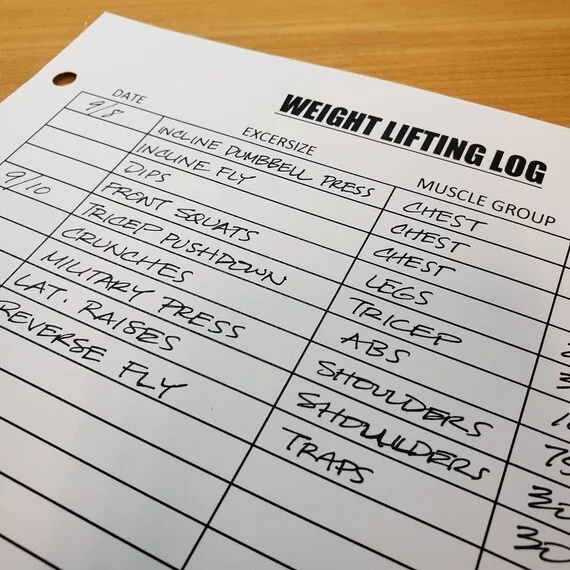
Avoiding the Red Zone: When to Push and When to Pull Back
Distinguishing between good discomfort and bad pain is a core skill for any lifter. Muscle soreness is a normal sign of adaptation. Sharp, sudden, or localized joint pain is a warning signal you must respect.
If you feel pain in your shoulder, elbow, or lower back, stop the movement immediately. Do not try to work through it to see if it goes away. Pushing through injury leads to long-term damage that can sideline your progress for months.
When you do need to scale back, focus on active recovery. Light movement, mobility work, or even a session with budget-friendly equipment can keep you moving without stressing your joints. Your goal is to maximize training life, not just maximize one session.
Sustaining Long-Term Gains: Nutrition, Sleep, and Recovery
Your muscles do not grow while you are in the gym. They grow while you are sleeping and recovering from the stress you placed on them during training. If you neglect your nutrition or sleep, you will hit a wall regardless of how hard you lift.
Prioritize high-quality protein to support tissue repair. Most experts suggest consuming enough protein to facilitate muscle protein synthesis after strenuous bouts of resistance training. Carbohydrates and fats are equally essential for maintaining the energy levels required to tackle heavy compound movements.
Sleep remains the most critical, yet often overlooked, recovery tool. Aim for 7 to 9 hours of quality rest per night. Your endocrine system performs much of its repair work during deep sleep cycles.
Consistency in your sleep schedule helps your body prepare for the next physical challenge.
If you struggle with fatigue, check your recovery protocols before assuming your program is the problem. Many lifters find that advanced equipment sets provide the structure needed for better discipline in the gym, but recovery happens outside of it. Treat rest as a mandatory part of your workout plan.
Frequently Asked Questions About Safe Strength Training
How often should I increase the weight?
Increase your weight only when you can complete all prescribed sets and reps with perfect form. If you can perform two extra reps on your final set with ease, it is time for a small, incremental increase. Do not rush the process.
Small gains over time lead to results.
What should I do if I miss a workout?
Do not try to make up for missed sessions by doubling your volume the next time you go to the gym. Simply pick up exactly where you left off in your program. Your body will not lose its progress because of one or two missed days.
Stay consistent with your original plan.
Are spotters necessary for safe training?
A spotter is essential when you are performing heavy movements where the bar could trap you. Bench presses and squats often require a second pair of eyes for safety. If you train alone, consider using a squat rack with safety pins that stop the bar before it can cause injury.
How do I know if I am overtraining?
Persistent soreness, trouble sleeping, and a decline in your usual lifting numbers are common signs of overtraining. If you notice these symptoms, take a full week to deload. Reduce your intensity significantly until your energy levels return to normal.
Training through these signs usually leads to injury.
Is it better to use machines or free weights?
Free weights generally require more stabilization and recruit more muscle mass during movement. Machines provide a safer, fixed path of motion that is excellent for isolating specific muscle groups. Most well-rounded programs incorporate both to build a balance of raw strength and targeted muscular development.