
Starting a new strength routine often leads to one immediate question: how much weight should beginners lift to see results without getting hurt? There is no universal magic number that works for everyone, so you have to calibrate your load based on how your body handles the stress of each movement.
As of 2026, experts generally agree that beginning with a weight you can move for 10 repetitions with perfect form is the safest strategy. Once you establish this baseline, you can focus on consistent, incremental increases to build long-term strength.
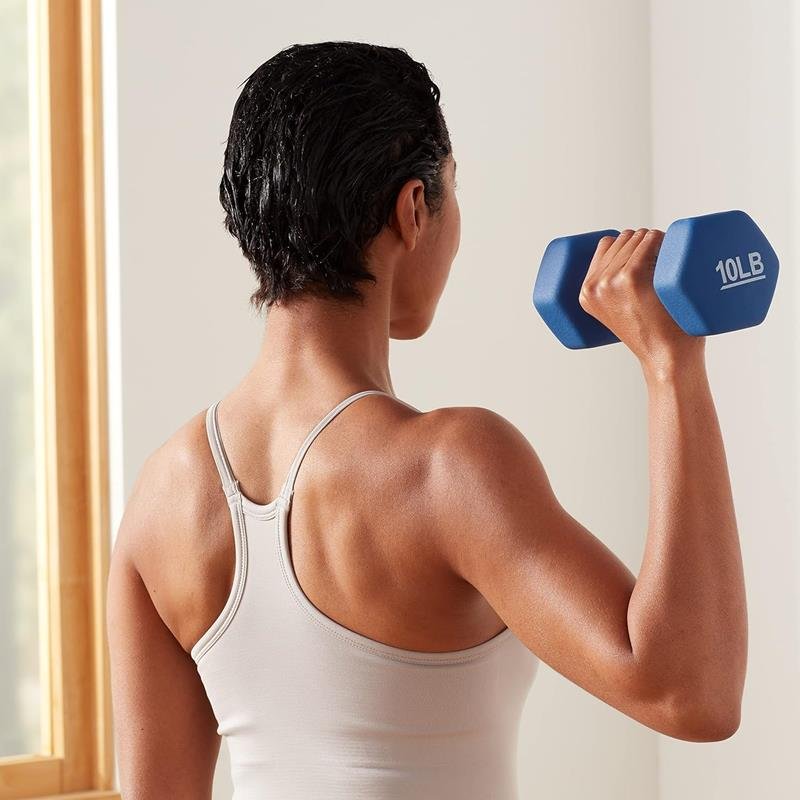
Today's Exclusive Deals
Limited-time Exclusive Deals. Check current discount on Amazon.
Check Price on Amazon As an Amazon Associate I earn from qualifying purchases.Quick Answer
Beginners should start with weights allowing 10 clean, controlled repetitions. Aim to finish sets feeling like 2 reps remain in reserve. Increase weight by 2.5 to 5 pounds once form remains perfect.
Never sacrifice movement quality just to lift heavier, larger loads. Start light to master your motor patterns first.
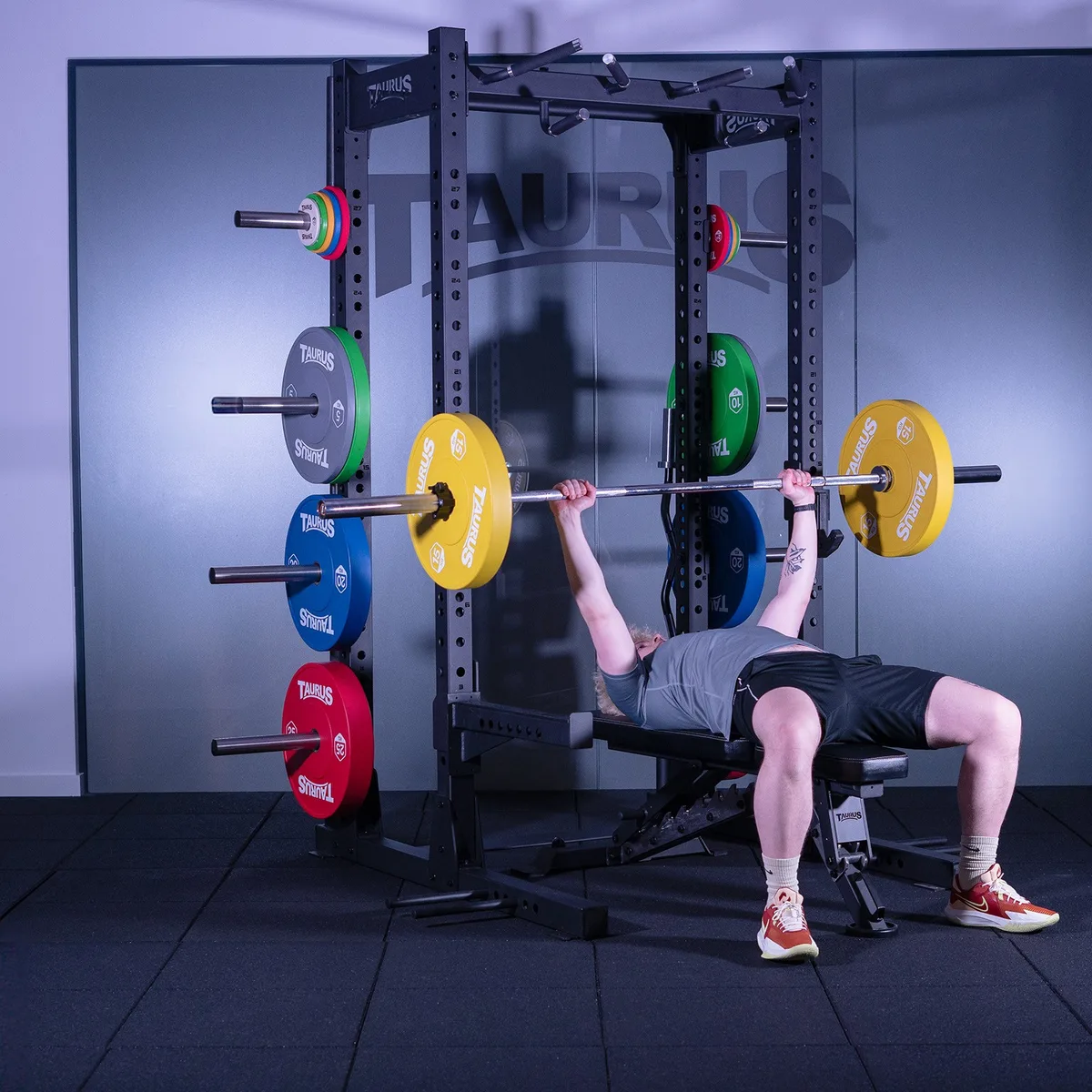
Image source: Web (Bing) / fitshop.co.uk (Web image (fair-use with source credit))
Stop Guessing: Why You Can’t Just "Pick a Weight"
Many beginners walk into a gym and grab the first set of dumbbells that looks heavy enough to "count" as a workout. This approach ignores the reality that your nervous system needs time to adapt to new patterns before your muscles can safely handle significant intensity. When you pick a weight that is too heavy, your body recruits secondary muscles to compensate for a lack of stability.
This compensation creates poor movement habits that are difficult to unlearn later. You might be interested in quality starter equipment to build your foundation at home. If you are struggling to maintain a neutral spine or controlled tempo, your weight is simply too high.
Strength is built through consistency and precision, not by straining against a load you cannot control.
Research from the National Strength and Conditioning Association emphasizes that movement proficiency must always precede external load increases. By prioritizing the quality of your repetition over the total weight on the bar, you protect your joints and tendons while allowing your central nervous system to map the exercise correctly. Treat your first few weeks as a calibration period rather than a test of maximum effort.
The Mechanics of Progressive Overload and Motor Learning
Progressive overload is the concept of gradually increasing the stress placed upon the body during exercise to force adaptation. You cannot simply lift the same light weight forever and expect your body to change. However, if you add weight too quickly, your rate of recovery will likely lag behind your rate of progress.
Motor learning, or the acquisition of skilled movement, happens when your brain learns to recruit the right muscle fibers at the right time. When you are new to an exercise, your brain is actually learning the "pathway" of the lift. A lighter weight acts as a bridge during this process.
It lets you focus on your breathing, your grip, and your depth without the panic of a heavy load.
The most effective way to manage this is to keep your volume steady while slowly increasing your resistance. Beginners often benefit from versatile home options that allow for minor weight adjustments. When you can hit the top end of your target repetition range for every set with ease, it is time to move up to the next smallest increment.
Calibrating Your Intensity: The Reps in Reserve (RIR) Workflow
The Reps in Reserve (RIR) method is the most reliable way to monitor your effort without needing a partner to tell you when to quit. Instead of lifting until you physically cannot move the bar, you stop when you still have a specific number of quality reps left in the tank. This prevents central nervous system burnout, which is a common issue for those new to lifting.
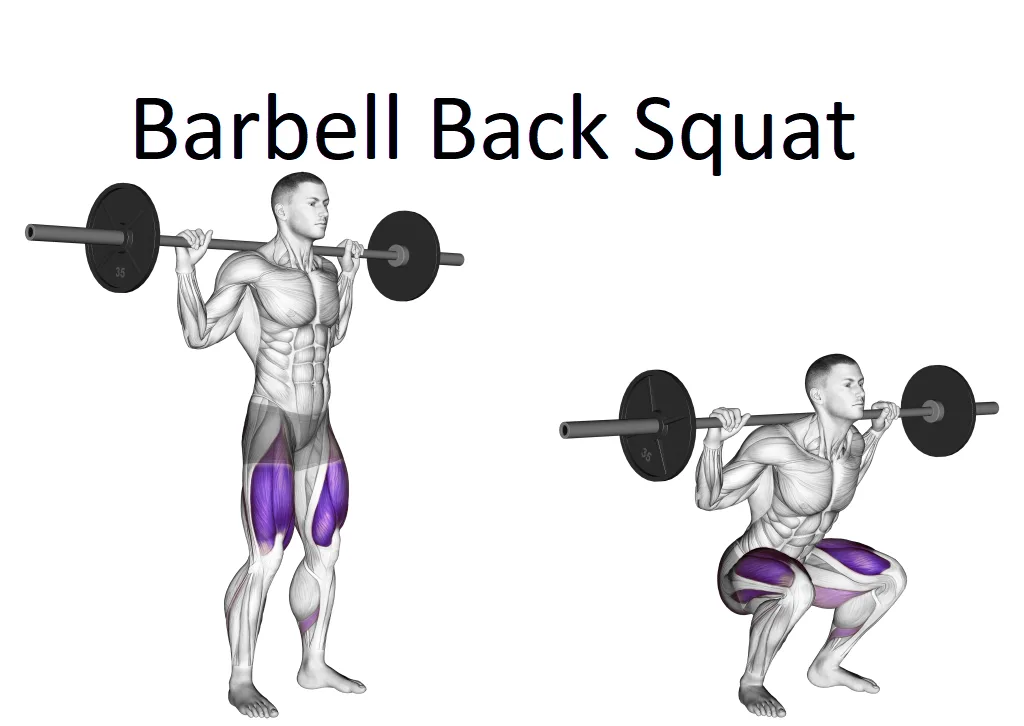
Image source: Bing (Web (fair-use with source credit))
If you aim for 2 RIR, you stop your set when you feel like you could perform exactly two more repetitions if your life depended on it. If you finish your set and think you could have done five or six more, the weight is likely too light to trigger growth. You might find that all-around training tools make it easier to track these metrics during your sessions.
| Intensity Level | RIR Estimate | Recommended for Beginners |
|---|---|---|
| Warm-up | 5+ RIR | Yes, use to prime joints. |
| Growth Zone | 2-3 RIR | Yes, focus here for safety. |
| High Effort | 1 RIR | Only for experienced trainees. |
| Failure | 0 RIR | Avoid, high injury risk. |
Step-by-Step: Testing Your Baseline Strength
You need a clear starting point to track your progress over the coming months. Start your first session by using just the bar, or for dumbbells, pick a weight that feels like a standard water bottle in terms of ease. If that feels stable, move to the next increment until you hit a weight that feels challenging but manageable.
Perform 10 repetitions of your chosen movement while recording how you feel after the final rep. If your form remains perfectly consistent, keep that weight for the next session. If you are shaky, wobbly, or arching your back, drop the weight immediately.
Finding the right gear for your specific strength goals can make this process significantly more accurate.
Focus on your technique for all three sets. If you feel like your form is failing on the final two reps of the third set, stay at that same weight for your next workout. Once you can hit 10 reps across three sets with ease, add the smallest available weight plate to your next session.
Consistent, tiny wins are far superior to occasional heavy lifts that lead to soreness or injury.
How to Adjust Load for Sustainable Progress
Once you establish a stable baseline, you must learn when to increase the weight to avoid hitting a plateau. You should look to add resistance only when you can complete your entire volume target, usually 3 sets of 10, without any breakdown in technique. Even a small jump, such as adding 2.5 to 5 pounds, is a major victory for your neuromuscular system.

Image source: Bing (Web (fair-use with source credit))
If you notice your speed of movement slowing down significantly on the middle reps of your set, keep the weight the same for your next session. You can look into durable equipment for muscle building to ensure you have the correct increments available for these small adjustments. It is better to spend two weeks perfecting a weight than to rush into a heavier load that forces you to compromise your mechanics.
Consistency in your load selection eventually leads to structural changes in your muscles and connective tissues. If you feel like your progress has stalled, consider if your rest periods between sets are too short or if your nutrition needs to support higher activity levels. Always prioritize the long-term goal of pain-free movement over the short-term satisfaction of moving heavier iron.
You can find compact training solutions if you need to optimize your layout for these regular adjustments.
Common Pitfalls: Ego Lifting and Form Breakdown
The most frequent mistake beginners make is falling into the trap of ego lifting. This happens when you choose a weight based on what you think you should be lifting rather than what you can actually control. Ego lifting is the fastest route to tendonitis, joint impingement, and other overuse injuries that will force you to take weeks off from training.
Watch for these warning signs that your weight is too high:
- Rounding the back: Your spine should maintain its natural curve during exercises like deadlifts or rows.
- Compensatory momentum: You are using your whole body to swing the weight up instead of isolating the target muscle.
- Reduced range of motion: You are cutting your squats high or not bringing the bar all the way to your chest on presses.
- Gasping for air: You are holding your breath excessively because the weight is too taxing for your current capacity.
If you find yourself using these tactics to finish a set, stop immediately. Strip 10% to 20% of the weight off the bar and refocus on the quality of the movement. Your muscles respond to the tension you create through controlled movement, not just the raw weight you put on the rack.
The guidance provided by local university extensions often highlights that safety is the primary pillar of any long-term physical activity program.
Expert Strategies for Staying Consistent
Staying consistent is significantly harder than starting on day one. You can make the process easier by keeping a simple log of your weights and repetitions for every single workout. When you see your numbers trending upward over several months, it acts as a powerful motivator to keep showing up.
Don't be afraid to take a "deload" week if you feel chronically fatigued or if your joints feel achy. A deload is simply a week where you perform your regular exercises but use about 50% of your usual weight. This gives your connective tissues time to recover and allows your nervous system to fully recharge.
If you are struggling with budget-friendly options for your setup, prioritize those that offer durability and ease of use over excessive features.
Finally, remember that external stressors like poor sleep or high life stress can impact your strength levels day to day. If you arrive at the gym and the weight feels unusually heavy, listen to your body and scale back the intensity for that session. You aren't failing by lowering the weight; you are successfully managing your training based on your body's current readiness.
True strength is built by listening to the feedback your body provides during every set.
Safety Protocols for Independent Training
You should always prioritize equipment stability and proper environment configuration before attempting any heavy load. Start your session by checking that your squat rack, bench, and barbell collars are secure. If you are training alone, use safety pins or spotter arms set at the appropriate height for every compound lift.
These serve as a physical insurance policy if you fail a repetition during a squat or press.
Maintain a clear workspace around your lifting area to prevent tripping or hitting equipment during movement. If you feel any sharp, localized pain in a joint, stop the exercise immediately regardless of how many repetitions you have completed. Joint pain often indicates improper form or an incorrect load, and pushing through it only increases the risk of acute injury.
Follow standard gym etiquette and safety protocols provided by recognized organizations like the National Institute for Occupational Safety and Health. Proper footwear, such as flat-soled shoes for lifting, provides a stable base of support that helps you distribute weight evenly. Never attempt a "max effort" lift without a qualified spotter present, especially on movements like the bench press where the barbell can pin you to the bench.
Identifying When to Seek Professional Guidance
You should consult a certified strength coach or physical therapist if you experience persistent pain that does not subside with rest. While general soreness is a normal part of the muscle-adaptation process, sharp or lingering pain in the shoulders, lower back, or knees is a red flag. A professional can analyze your movement patterns and identify if your load selection or biomechanics are contributing to these issues.
Seek out a professional if you find that you cannot progress your weight for more than four weeks despite following a structured program. This often points to a flaw in your training volume or technique that an experienced eye can catch quickly. They can provide immediate, actionable feedback on your bracing, grip width, or foot placement, which are often the hidden culprits behind stalled progress.
If you are recovering from a previous injury, do not guess how much weight you should lift or how quickly you can scale up. Use the expertise of a professional to create a rehabilitation-focused training plan. They will ensure your return to lifting follows a safe, medically-backed progression that respects your specific recovery timeline and movement limitations.
Long-Term Optimization and Maintenance
You optimize your progress over time by viewing your strength training as a long-term investment rather than a short-term race. Periodically review your training logs to see which exercises provided the most consistent growth and which ones left you feeling consistently drained or injured. Adjust your routine every few months to focus on lagging muscle groups or specific movement weaknesses that emerge as you get stronger.
Maintenance also means taking care of the equipment you use to ensure it stays safe for every session. Check your barbells for sleeve rotation, wipe down your benches, and inspect your weight plates for any loose screws or cracks. If you notice a piece of gear is failing, replace it before it compromises your form or puts your safety at risk.
Keep your training plan flexible enough to account for life stressors. If you have had a poor night of sleep or a high-stress day, feel free to reduce the intensity of your session. Maintaining the habit of showing up is more important than hitting a personal record every single time you step into the gym.
Consistent, moderate effort will always outperform inconsistent, high-intensity training.
Frequently Asked Questions
How long should I stay at the same weight?
You should stay at a specific weight until you can complete all prescribed sets and repetitions with perfect technique and control. This often takes 2 to 4 sessions for beginners. If you finish your last set feeling strong and confident, you are ready to add a small amount of weight.
What should I do if I can't finish my reps?
If you cannot complete your target repetitions with proper form, lower the weight for the remaining sets. Do not force the final reps if your movement quality begins to degrade. It is better to perform 8 quality reps than 10 messy ones, as form quality is what prevents injury long-term.
Should I aim for failure on every set?
No, beginners should avoid training to absolute physical failure. Training to failure significantly increases the risk of form breakdown and can lead to excessive soreness that interferes with your next workout. Stick to a 2 or 3 Reps in Reserve strategy to maximize growth while staying safe.
How much weight is too much for a beginner?
Any weight that forces you to use momentum, arch your back, or cut your range of motion short is too much. Your weight should be heavy enough to feel challenging by the final repetition, but never so heavy that it forces you to compromise your structural integrity or joint safety.
Do I need to track my lifts?
Yes, tracking your lifts in a notebook or app is essential for measuring progress. It helps you see when to increase the weight and ensures you aren't just guessing each time you enter the gym. Consistent tracking turns a vague workout into a structured plan for gaining strength over time.