
How long should you rest between sets is a question that dictates the intensity and outcome of your entire training session. Whether you are lifting to add mass or chasing raw power, the pause you take between efforts serves as a vital recovery window for your muscles and nervous system.
Research as of 2026 suggests that rigid, universal rest times often fail to account for individual training capacity. Most fitness standards, such as those provided by the National Strength and Conditioning Association, indicate that recovery needs shift based on the specific load and mechanical demand of the exercise.

Today's Exclusive Deals
Limited-time Exclusive Deals. Check current discount on Amazon.
Check Price on Amazon As an Amazon Associate I earn from qualifying purchases.Quick Answer
You should rest 3 to 5 minutes for maximum strength training. Aim for 90 to 120 seconds for general muscle growth. Use 30 to 60 seconds if you want to improve endurance.
Adjust these times based on your current breathing rate. Longer rest allows for complete energy recovery. Shorter rest creates more metabolic stress in muscles.

Image source: Web (Bing) / us.coros.com (Web image (fair-use with source credit))
Why Resting Is Actually Part of Your Workout
Many people view rest as a pause from work, but it is actually an active component of your programming. Your muscles require specific recovery cycles to sustain high output during your next set. If you ignore this, you invite fatigue that compromises your technique and total volume.
Strategic downtime allows you to reset your mental focus and physical readiness. When you utilize the right equipment for your space, you often find that the layout of your gym influences how quickly you transition between moves. Treat your rest period with the same intentionality as the lift itself to ensure consistent progress.
Matching Rest Intervals to Your Training Goals
Your primary objective determines how long you should sit or walk before picking up the weight again. Strength training demands significant neurological recovery, whereas endurance training relies on incomplete recovery to push your cardiovascular threshold.
If you are using a sturdy barbell setup at home, use the table below to standardize your rest approach.
| Goal | Recommended Rest | Primary Benefit |
|---|---|---|
| Max Strength | 3–5 Minutes | Full ATP resynthesis |
| Muscle Growth | 90–120 Seconds | Metabolic stress accumulation |
| Endurance | 30–60 Seconds | Improved recovery capacity |
Selecting the wrong interval for your goals often leads to wasted energy. Those interested in gaining significant mass should focus on moderate rest to maintain a high volume load. Conversely, those prioritizing pure power output must prioritize the longer, 3-minute windows to ensure every repetition counts.
How Your Nervous System and Energy Systems Drive Recovery
Physical effort relies on Adenosine Triphosphate, or ATP, as your body's primary energy currency for short, explosive movements. When you lift, you deplete these cellular stores rapidly. You need time to replenish them before you can produce that same level of force again.
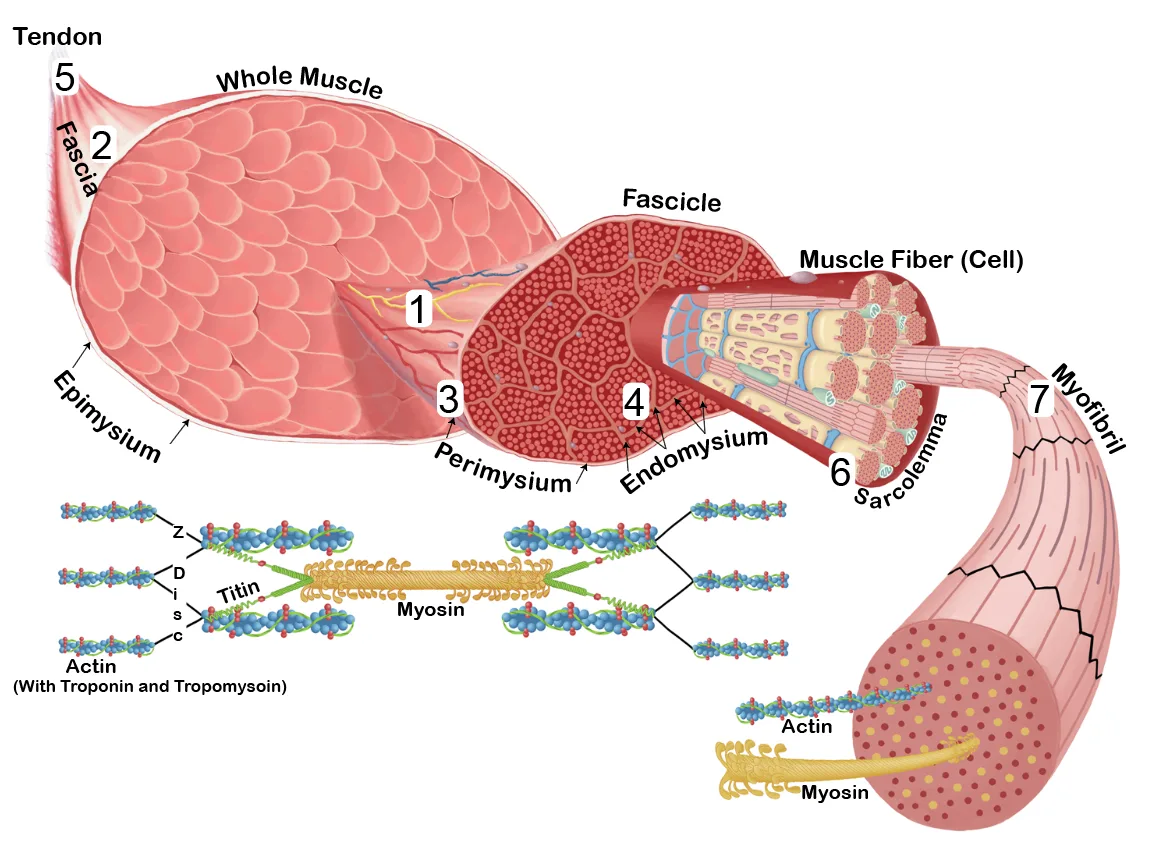
Image source: Bing (Web (fair-use with source credit))
Beyond energy stores, your Central Nervous System (CNS) requires recovery after heavy compound movements. Heavy squats or deadlifts place a tax on your neurological system that far exceeds what a simple bicep curl requires. If you’ve invested in versatile lifting tools, remember that your recovery needs are dictated by the movement's complexity rather than just your heart rate.
Navigating the Decision Tree: Choosing Your Rest Times
If you feel unsure about your current rest period, use a simple decision process to find your rhythm. Start by evaluating the difficulty of your most recent set. If you finished with only one or two reps in reserve, you likely need the longer end of the rest spectrum to avoid failure in the next set.
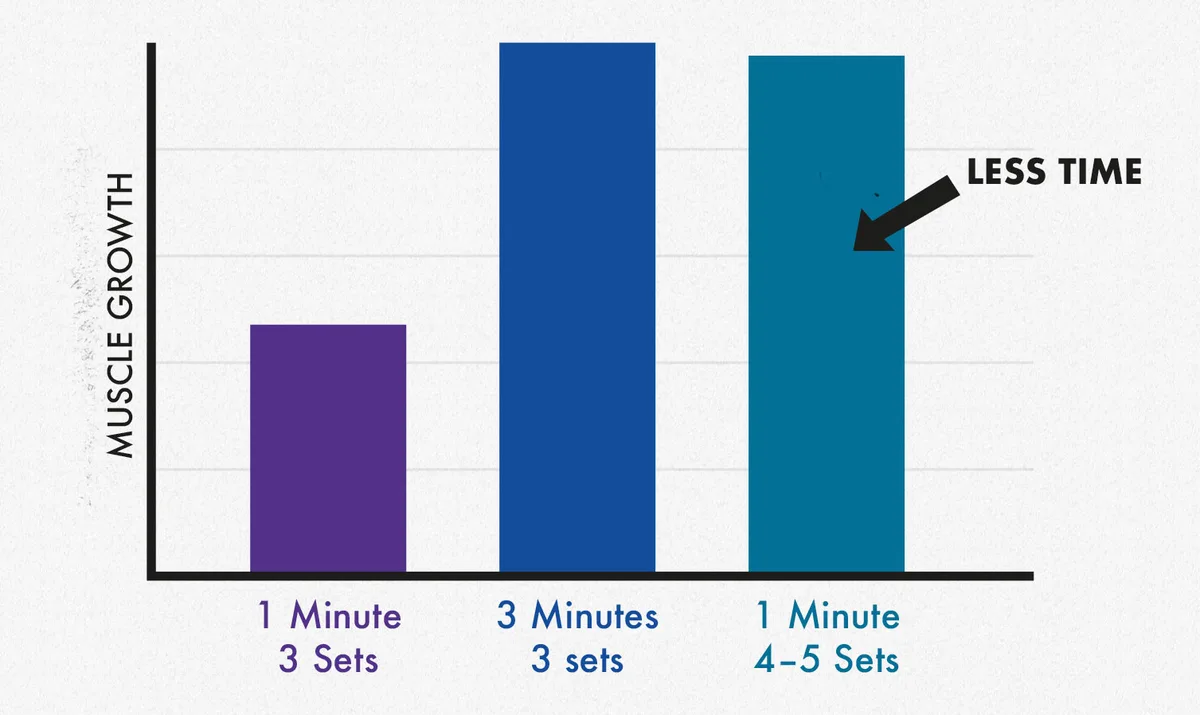
Image source: Bing (Web (fair-use with source credit))
If you are working on foundational strength movements, prioritize form over speed. You should always feel ready to perform the next set with perfect technique. If you are still gasping for air, you aren't ready to begin the next effort regardless of what your timer says.
- High Intensity: If the lift was at 85% of your max or higher, take the full 3 to 5 minutes.
- Moderate Intensity: For hypertrophy work, keep it between 90 and 120 seconds.
- Low Intensity: For accessory work or endurance, 60 seconds is usually sufficient.
Common Mistakes That Kill Your Training Progress
The most common error is inconsistent timing caused by distractions. It is easy to lose track of time while looking at your phone between sets. You end up resting 8 or 10 minutes, which causes your muscles to cool down and your "pump" to dissipate entirely.
Another mistake is shortening your rest to "save time" at the expense of your performance. If your reps drop from 10 to 5 because you didn't rest enough, you aren't training harder. You are simply cutting your volume and reducing the stimulus your muscles receive.
Always balance your schedule needs with the requirement for quality lifting sessions.
Expert Strategies for Managing Rest During Your Session
You can optimize your performance by integrating active recovery instead of simply standing still. Walking slowly around the gym floor helps circulate blood, which aids in flushing out metabolic byproducts like lactate that accumulate during intense sets. This light movement keeps your joints loose and maintains a baseline level of mental engagement with your training environment.
When you are performing heavy compound lifts, try using a countdown timer or a dedicated training app to keep your rest intervals consistent. Relying on "feeling" often leads to erratic pacing, where you might inadvertently rest far too long on easier sets and too little on your heaviest efforts. A structured approach ensures you hit your target volume without turning your session into a multi-hour ordeal.
If you find your heart rate remains elevated for longer than expected, check your breathing patterns. Use controlled, deep nasal breathing to lower your heart rate more efficiently than shallow, rapid gasping. This small adjustment often allows you to return to your next set with a calmer, more focused mindset.
Frequently Asked Questions About Rest Intervals
Do supersets require different rest times than straight sets?
Supersets involving opposing muscle groups often allow you to shorten your total rest time. You can alternate between two exercises, such as bench presses and rows, while one muscle group rests as the other works. You typically still need 60 to 90 seconds between the completion of the full pair to ensure your cardiovascular system recovers enough for the next cycle.
Does aging affect how long I should rest?
As you get older, your recovery capacity for both muscles and the nervous system can slightly decline. You may find that adding an extra 30 to 60 seconds to your typical rest window helps you maintain better lifting technique over the course of a workout. Always prioritize the quality of your reps over trying to stick to a rigid, youthful timeline.
Is it okay to take longer rest if I am lifting for fat loss?
Taking longer rest intervals can actually improve fat loss outcomes by allowing you to maintain a higher intensity throughout the entire session. By resting enough to perform every set with maximal effort, you generate a greater total energy expenditure than if you rushed and were forced to reduce your weight or reps. Quality work is the most important driver of body composition changes.
Should I change my rest time based on the time of day?
Your body temperature and central nervous system readiness can fluctuate throughout the day. If you find yourself training very early in the morning, you might need a slightly longer warm-up and more generous rest periods to account for stiff joints and lower core temperature. Adjusting based on your immediate physical feedback is always superior to following a static, theoretical number.
Can I track my rest intervals using a heart rate monitor?
Using a heart rate monitor can be a helpful way to objectively determine when you are ready for your next set. Many athletes wait for their pulse to return to a specific percentage of their maximum heart rate before beginning again. This removes the guesswork and helps you maintain a consistent level of intensity regardless of your fatigue levels.

