
Resistance training is a structured method of physical exercise where you move your body or external objects against an opposing force. It is the gold-standard approach for building muscular strength, improving bone mineral density, and enhancing long-term physical durability.
As of 2026, clinical guidelines from the American College of Sports Medicine emphasize that adults should participate in two or more resistance sessions per week for optimal metabolic health. Whether you are using simple bands or heavy iron, the goal remains the same: challenging your muscles to adapt and grow.

Today's Exclusive Deals
Limited-time Exclusive Deals. Check current discount on Amazon.
Check Price on Amazon As an Amazon Associate I earn from qualifying purchases.Quick Answer
What is resistance training? It is any exercise involving external force. You move against weight, bands, or gravity.
This forces your muscle fibers to strengthen. It supports bone density and metabolic health. You can start with basic entry-level gear at home.
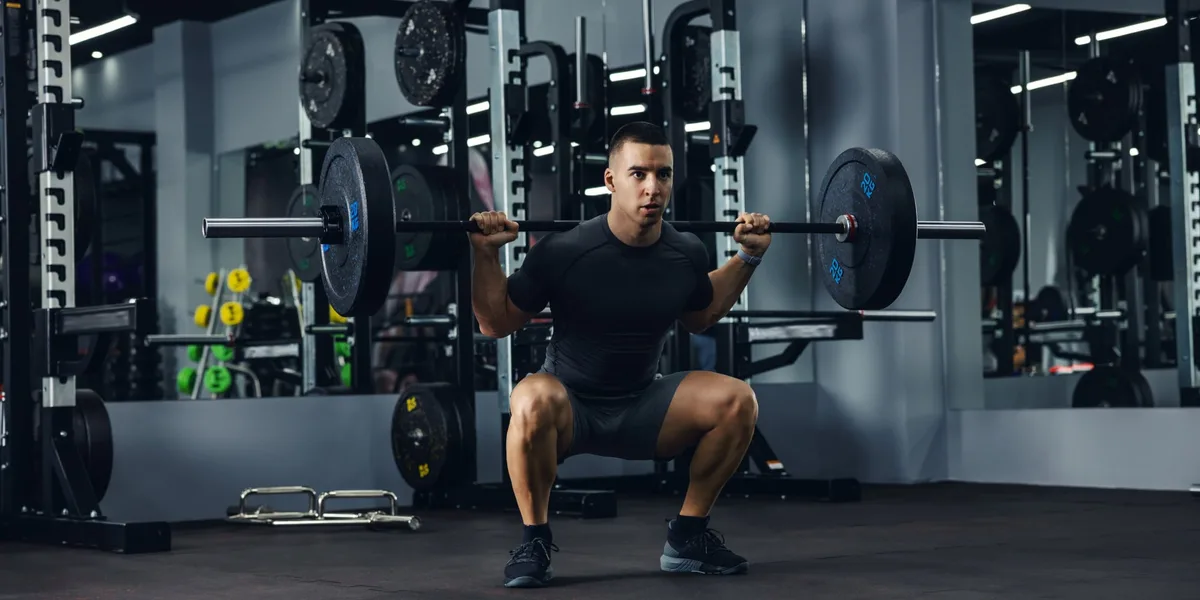
Image source: Web (Bing) / fity.club (Web image (fair-use with source credit))
The Reality of Resistance Training: Why It’s About Longevity, Not Just Muscle
Many people assume that lifting weights is reserved for athletes or those wanting a specific physique. In reality, resistance training is a vital form of preventative medicine. It is the process of putting controlled stress on your muscles, tendons, and bones to trigger a physiological adaptation.
By challenging yourself, you are building a biological insurance policy against the natural decline that comes with aging.
Think of your body like a machine that requires regular maintenance to stay operational. If you never use your muscles, your body interprets them as metabolically expensive tissue and begins to reduce their size and efficiency. When you introduce resistance, you are essentially telling your body that strength is a requirement for survival.
This simple shift in perspective moves the focus from appearance to function.
The goal isn't necessarily to become the strongest person in the room. It is to remain capable, mobile, and independent as the years go by. When you focus on improving total body capacity, you gain the stamina to handle physical tasks with ease.
This is the most practical way to support your joints and protect your frame for the long haul.
How Your Body Adapts to External Load: The Science of Overload
Your muscles don't get stronger while you are lifting. They get stronger when you recover after the session. This process starts with the principle of progressive overload, which is the act of gradually increasing the difficulty of your training over time.
If you lift the same weight for the same repetitions forever, your body reaches a point of maintenance where no further growth occurs.
The magic happens in the microscopic tears created during exercise. Your body repairs these small injuries by laying down new protein strands, making the fibers thicker and more resilient. This is why you feel sore after a novel or intense bout of movement.
It is a sign that your body is currently busy building that extra capacity for your next session.
To make progress, you must track what you do. You don't need a complex set of heavy gear to start, but you do need to log your sessions. Whether you add an extra repetition, shorten your rest, or increase the weight by just a few pounds, that consistent incremental challenge is the spark for adaptation.
Image source: Web (Bing) / walmart.com (Web image (fair-use with source credit))
Why Your Bones and Metabolism Need Resistance to Stay Healthy
Resistance training is one of the few ways to actively influence your bone mineral density. Your bones are dynamic, living tissue that responds to the forces applied to them. When your muscles pull on your bones, they trigger cells called osteoblasts to create more bone tissue, making your skeleton sturdier.
This is particularly important as you enter middle age and beyond to help prevent fractures.
Metabolically speaking, muscle is your body’s most active tissue. A person with more lean muscle mass generally has a higher basal metabolic rate, meaning they burn more calories just by being alive. This tissue acts like a glucose sink, which helps your body manage blood sugar levels more efficiently throughout the day.
It is an internal thermostat that keeps your energy levels stable.
If you are just getting started, you might consider versatile kits for smaller areas to ensure you stay consistent. The more muscle you maintain, the better your body handles the demands of everyday life. You aren't just training for the hour you spend in the gym; you are training for the other 23 hours of the day.
Essential Components: From Bodyweight Basics to External Loads
You don't need a warehouse full of equipment to get started with resistance training. The most fundamental form of resistance is gravity, which you can use with bodyweight exercises like push-ups, squats, and lunges. These movements are excellent because they teach you how to control your own body in space before you add external weight.
Once your bodyweight moves feel fluid and controlled, you can start incorporating external implements. Many people prefer durable home-gym hardware because it allows for very precise tracking of progress. If you add five pounds to a barbell, you know exactly how much stronger you have become.
This objective feedback loop is hard to replicate with bodyweight alone.
- Bodyweight: Best for beginners and travelers; uses gravity as the anchor.
- Elastic Bands: Excellent for joint health and rehabilitation; tension increases as you stretch.
- Free Weights: The most effective way to challenge stabilizer muscles; requires control and balance.
- Machines: Helpful for focused isolation; they provide a fixed path of motion, which is great for learning specific patterns.
Safe Execution: Avoiding Common Mistakes and Technical Breakdown
The biggest risk in resistance training isn't the weight itself, but the lack of control. Technical breakdown occurs when you prioritize the number on the weight plate over the quality of the movement. Your joints and ligaments can't adapt as quickly as your muscles, so it is vital to keep your form clean to avoid unnecessary wear and tear.
Always aim for a neutral spine and controlled, deliberate tempo. You should be in command of the weight at every point in the movement, especially when lowering it. If you find your form slipping, that is your body telling you the load is currently too high.
Drop the weight, refine your technique, and try again when you can maintain proper posture.
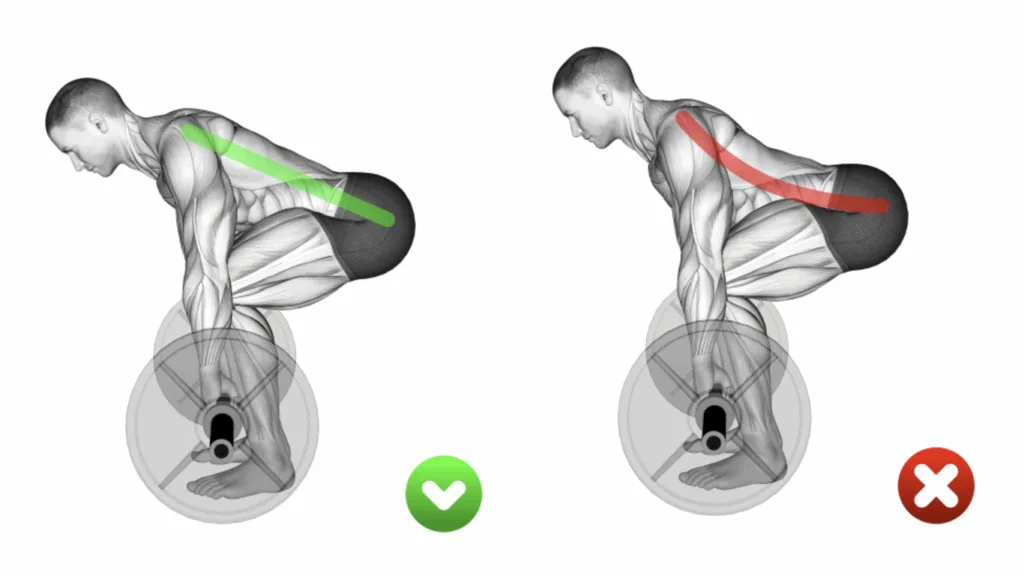
Image source: Web (Bing) / aptitudehealth.co.uk (Web image (fair-use with source credit))
When you are looking for reliable gear for strength gains, look for equipment that allows for a full, natural range of motion. Avoid "jerry-rigging" solutions that force your body into awkward, uncomfortable positions. Training should feel like a physical challenge, not an endurance test for your joint pain.
If a movement causes sharp pain, skip it and find a variation that feels smooth and productive.
Building Your Foundation: A Simple Approach to Starting Safely
If you are just starting, the best path is to prioritize movement quality over raw volume. Begin by mastering basic patterns like the squat, hinge, push, and pull. These are the building blocks of almost every effective routine.
Once you can move your own body through a full range of motion without discomfort, you can slowly introduce external tension.
You might want to browse expert-recommended equipment for beginners if you prefer having a dedicated space. Starting at home allows you to practice at your own pace without the pressure of a gym environment. Aim for two to three sessions per week.
This frequency is enough to trigger adaptation while giving your nervous system plenty of time to recover.
Consistency beats intensity every single time. It is better to do a modest twenty-minute session twice a week for a year than to attempt an hour-long, high-intensity session and burn out in a month. Keep your logbook simple.
Record the movements, the weight used, and the repetitions completed. This data helps you see your progress and encourages you to keep showing up.
Always leave a little bit in the tank at the end of your set. You don't need to reach absolute failure on every exercise to see results. Finishing a set feeling like you could have done two more repetitions is a safe and sustainable way to train.
It keeps your technique crisp and reduces the risk of injury while still providing plenty of stimulus for your muscles to grow.
Frequently Asked Questions
How long does it take to see actual results?
Most people start to notice improvements in coordination and energy levels within two to four weeks. Changes in muscle shape and overall strength usually become apparent after eight to twelve weeks of consistent training. The exact timeline depends on your nutrition, recovery, and how often you train.
Stick to the process and trust that the structural adaptations are happening under the surface.
Is it normal to feel sore after every workout?
Soreness, or delayed onset muscle soreness, is a normal response to new or increased stress. It typically peaks 24 to 48 hours after a session and fades as your body adapts to the new workload. If you are consistently too sore to move comfortably, you are likely pushing too hard, too soon.
Adjust the volume or intensity until your body catches up to the training demand.
Do I need a gym membership to see progress?
You can build significant strength and muscle mass using only your body weight, resistance bands, or a compact set of weights. A gym provides access to more specialized tools, but the primary factor for success is the consistent application of effort. Whether you train in your living room or a professional facility, the muscles respond to the stress you provide.
How do I know if I am overtraining?
Overtraining often presents as persistent fatigue, decreased performance, or recurring aches in your joints. If your sleep quality drops or you find yourself dreading your sessions, take a scheduled deload week. Reduce your weight and volume by half for a few days to give your body a chance to fully recover.
It is not a step backward; it is part of the growth process.
Should I lift weights if I have existing joint pain?
Resistance training can actually help alleviate many types of joint pain by strengthening the surrounding musculature. However, you must choose movements that do not irritate the affected area. Consult with a qualified professional or physical therapist to identify safe modifications for your specific situation.
Proper guidance ensures you are training around your limitations rather than through them.

