
Learning how to start strength training for beginners is an achievable goal that pays off in long-term health and physical function. You do not need expensive gear or a complex routine to see meaningful changes in your strength and body composition.
Research from the World Health Organization emphasizes that muscle-strengthening activities performed twice a week significantly improve musculoskeletal health. By focusing on simple movement patterns and steady consistency, you can build a sustainable routine that fits your lifestyle.
Today's Exclusive Deals
Limited-time Exclusive Deals. Check current discount on Amazon.
Check Price on Amazon As an Amazon Associate I earn from qualifying purchases.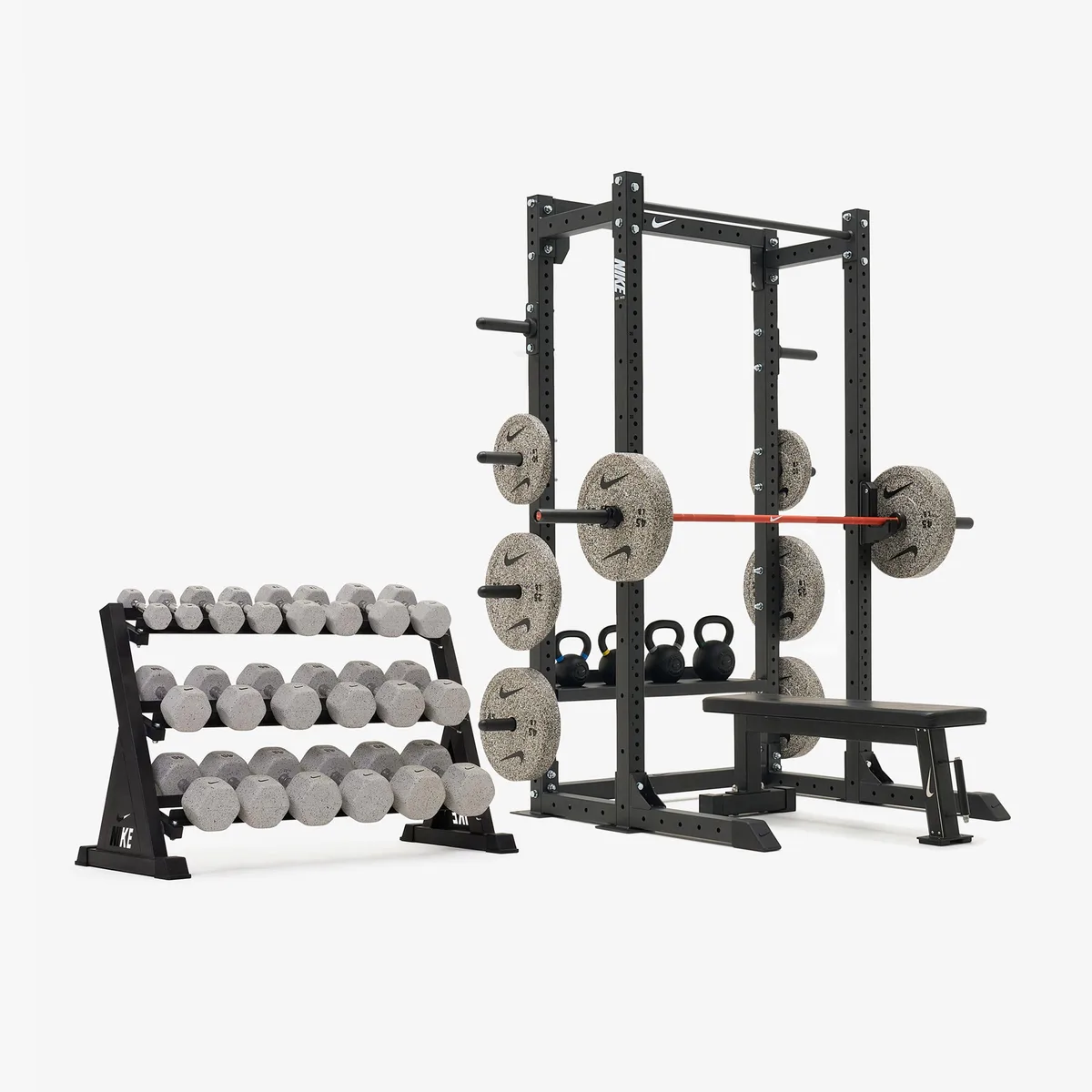
Image source: Bing (Web (fair-use with source credit))
Quick Answer
Strength training involves performing movements against resistance to increase muscle mass. Beginners should start with basic compound exercises two days per week. Use controlled form rather than heavy weight to prevent injury.
Progressive overload ensures consistent gains over time as your strength increases. Always prioritize proper recovery and adequate sleep between training sessions.
Why Your Foundation Matters More Than the Weight on the Bar
If you start by chasing heavy weights, your form will likely break down before you see real progress. Strength training is a skill that requires learning how to move your body correctly under tension. When you rush the process, you risk joint pain and muscle strain that can sideline your efforts for weeks.
Think of your first few months as a technical training phase. You are teaching your nervous system how to recruit muscle fibers efficiently to move external loads. This is why our research into beginner-friendly gear suggests prioritizing quality equipment that allows for a full range of motion.
Once you own the movement, adding weight becomes the natural next step.
Developing this base helps you avoid common pitfalls like rounded-back lifting or unstable knees. You will gain more long-term value from a lighter squat performed with perfect depth than a heavy one performed with poor mechanics. Consistency in these early stages builds the durability needed for advanced lifting later.
Core Movement Patterns Every Beginner Should Master
Rather than focusing on isolated muscles, look at your training in terms of movement patterns. These are the functional ways your body interacts with gravity and load. Mastering these five categories ensures you hit every major muscle group without needing a dozen different machines.
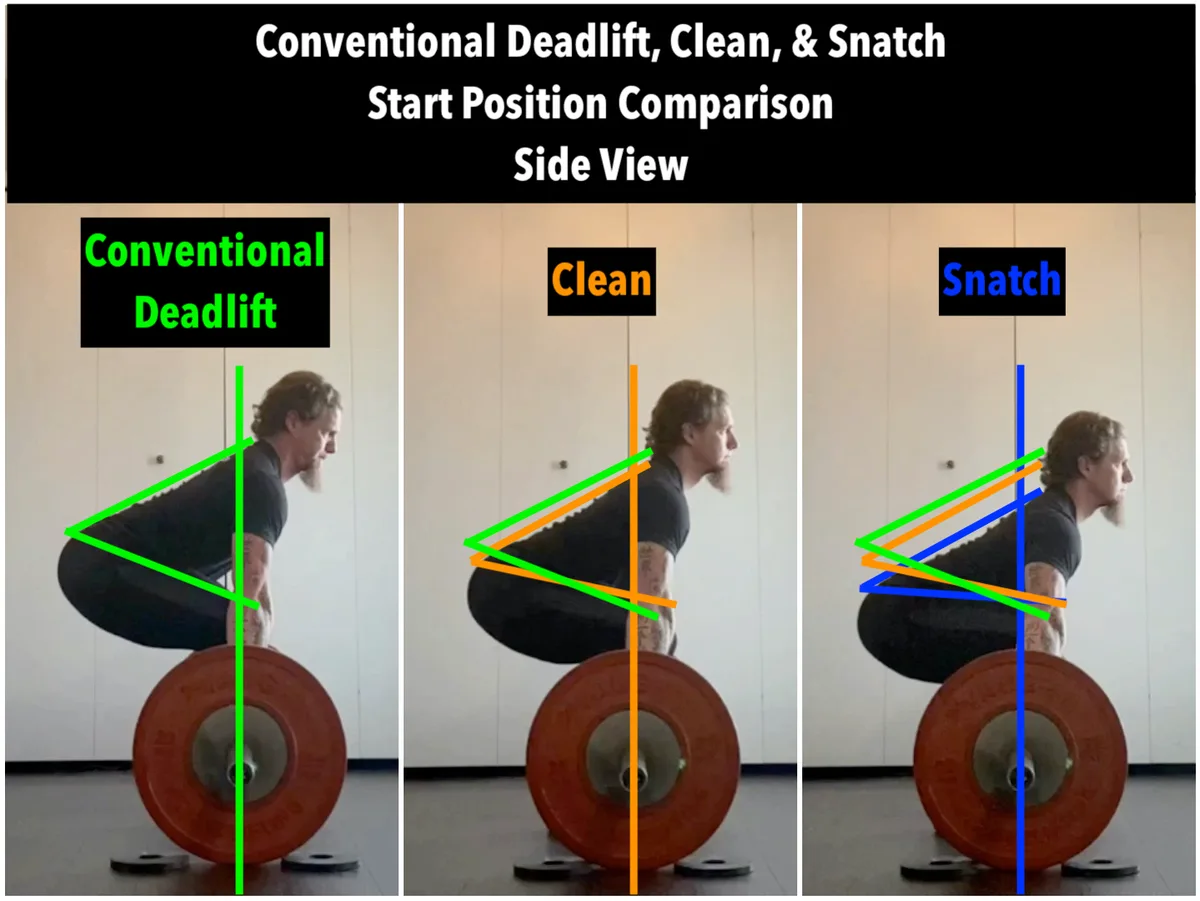
Image source: Web (Bing) / argos-hermann.at (Web image (fair-use with source credit))
- Squat: This pattern targets your lower body, specifically the quads and glutes. If you want a reliable home workout, mastering the goblet squat is your best starting point.
- Hinge: The deadlift family falls here, focusing on the hamstrings and lower back.
- Push: Vertical and horizontal pushing movements like overhead presses or push-ups develop the chest and shoulders.
- Pull: Rows and pull-ups build the back muscles, which are vital for posture.
- Carry: Walking under load, like a farmer’s carry, develops incredible core stability and grip strength.
These patterns are simple, yet they form the backbone of effective full-body routines. You can perform these with bodyweight, dumbbells, or a simple set for small spaces to keep your setup manageable.
Designing Your First Strength Training Routine
A great routine for a beginner focuses on frequency and simplicity. You should aim to train your whole body during each session to maximize the efficiency of your time. Most beginners thrive on a schedule of three sessions per week, with at least one rest day in between.
| Exercise Type | Goal | Repetition Range |
|---|---|---|
| Compound Lift | Strength | 5–8 Reps |
| Accessory Movement | Hypertrophy | 10–12 Reps |
| Core Work | Stability | 12–15 Reps |
Start with three sets of each exercise, resting for 60 to 90 seconds between sets. This recovery time allows your muscles to clear metabolic waste before the next effort. If you need budget-conscious options to get started, focus on these set-and-rep structures rather than expensive bells and whistles.
Keep a training log to track the weights you use and how they feel. Seeing the numbers increase over time is the best way to stay motivated. If you find your routine becoming stale, expert-recommended training equipment can offer fresh variations to keep your progress moving forward.
The Science of Progressive Overload and How to Use It Safely
Progressive overload is the strategy of gradually increasing the stress placed on your body during exercise. Without this, your body has no reason to adapt, and your strength gains will hit a plateau. You can increase the load, add more repetitions, or decrease your rest time to achieve this effect.
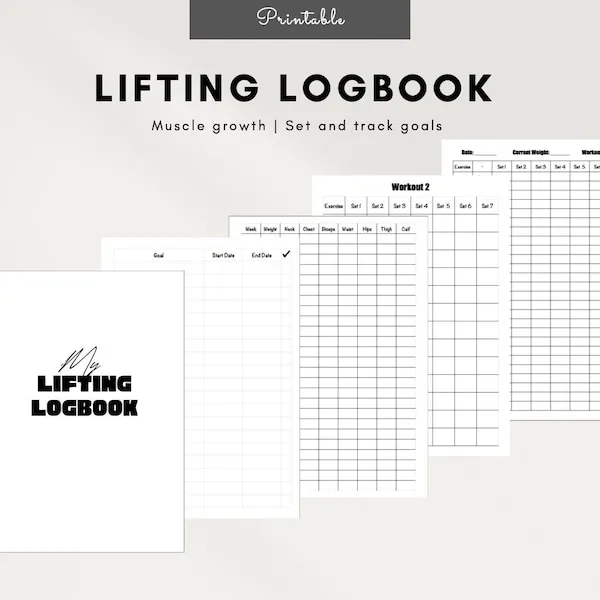
Image source: Bing (Web (fair-use with source credit))
Always focus on small, incremental jumps in performance. Increasing your weight by 2.5 to 5 pounds at a time is often enough to force adaptation without causing burnout. This steady, muscle-building approach keeps your tendons and joints healthy while your muscle strength increases.
Monitor your Rate of Perceived Exertion (RPE) to ensure you are working hard but not straining. A good rule of thumb is to finish a set with two repetitions left in the tank. This "in reserve" approach provides enough stimulus for growth while keeping your form sharp and safe.
Common Mistakes That Stunt Progress and Increase Injury Risk
Many beginners fall into the trap of doing too much too soon. You might be tempted to copy a bodybuilder's routine, but your body needs time to adapt to new stressors. Overtraining often manifests as chronic fatigue, irritability, and lingering joint aches that prevent you from completing your next workout.
Another common error is ignoring the warm-up phase. Your muscles and joints need dynamic movement to improve blood flow and lubrication before you load them with heavy weight. Skipping this step is a primary cause of non-contact injuries.
Spend five to ten minutes doing light cardio or dynamic stretches to prepare your tissues for the work ahead.
Lastly, don't ignore your recovery. Strength gains happen when you rest, not while you are in the gym. Your muscles require protein and sleep to repair the micro-tears created during training.
If you aren't prioritizing these two pillars, no amount of lifting will yield the results you are looking for.
Essential Safety Protocols and Knowing When to Seek Help
Safety in the weight room comes down to respecting your current physical limits. Always ensure your environment is clear of obstacles before you begin a set. If you are lifting alone, keep your movements controlled and avoid training to absolute failure on exercises like bench presses unless you have safety bars in place.
Stop immediately if you feel sharp, stabbing pain in your joints or back. Muscle soreness is a typical response to training, but joint discomfort often signals a breakdown in form or excessive load. If a specific movement consistently causes pain even after you correct your technique, swap it for a more comfortable alternative.
Consult a healthcare professional or a certified physical therapist if you have a history of orthopedic injuries. These experts provide tailored guidance that accounts for your specific biomechanical needs. You might also want to review best-in-class powerlifting setups if you suspect your current home gear isn't supporting your alignment correctly.
Always prioritize neutral spine alignment during all exercises. Whether you are squatting or pulling, keep your core braced to protect your lumbar region. If you feel like your back is rounding, reduce the weight until you can maintain a rigid, safe position throughout the entire repetition.
Frequently Asked Questions About Starting Strength Training
How many days per week should a beginner lift?
Most beginners see the best results training two to three days per week. This frequency allows for enough stimulus to trigger muscle adaptation while providing ample recovery time. If you find you are feeling unusually tired, dial back to two sessions until your body adjusts.
Do I need to buy expensive equipment to get started?
You do not need a commercial gym membership to build significant strength. A basic pair of adjustable dumbbells or a simple home setup serves as an excellent starting point for most people. Many beginners find that versatile Olympic lifting gear provides everything required for years of progress.
What should I eat to support my training?
Focus on getting enough protein and complex carbohydrates to fuel your workouts and aid muscle repair. Most experts recommend roughly 0.7 to 1 gram of protein per pound of body weight to support tissue growth. Stay hydrated throughout the day and listen to your hunger cues as your activity level increases.
How long does it take to see noticeable changes?
Consistency is key, but most people notice improvements in daily physical function within four to six weeks. Visible changes in body composition typically take longer, often appearing after three to six months of regular training. Focus on the metrics in your logbook rather than the mirror during these first few weeks.
When should I move from dumbbells to a barbell?
You should switch to a barbell once you have mastered basic movement patterns with dumbbells. Barbells allow for more precise incremental loading, which is useful as you get stronger. If you are preparing for this transition, look into specialized sets for strength training that offer stable, standard-sized bars.