Understanding what is a good cardio heart rate is the first step toward building a fitness routine that actually works for your specific body. You don't need to chase arbitrary high-intensity numbers to improve your cardiovascular health.
Modern health guidelines from the CDC suggest aiming for a target heart rate of 50 to 85 percent of your maximum during exercise. This range provides the right stimulus to strengthen your heart while allowing you to sustain your effort over time.

Today's Exclusive Deals
Limited-time Exclusive Deals. Check current discount on Amazon.
Check Price on Amazon As an Amazon Associate I earn from qualifying purchases.
Quick Answer
A good cardio heart rate depends on your personal fitness goals. Most people thrive in a range of 50 to 85 percent of their maximum. Beginners should start at the lower end of that spectrum.
Advanced athletes often train in higher heart rate zones for performance gains. Always monitor your breathing to gauge intensity during your workout sessions.
Why Your Ideal Heart Rate Is More Personal Than the Charts Say
The classic "220 minus age" formula is a blunt instrument that ignores the wide variance in human physiology. While it offers a rough starting point, your actual maximum heart rate might be ten or even twenty beats higher or lower than that calculation suggests. Factors like genetics, training history, and resting heart rate baseline influence your unique profile.
You’ll notice that reliance on static charts can lead to frustration if you feel exhausted when a chart says you should be in a light zone. As of 2026, experts emphasize listening to your internal feedback alongside wearable data. If you’re training on a sturdy home treadmill, use your heart rate monitor as a secondary guide, not as the primary source of truth.
Mapping Your Intensity: Understanding Heart Rate Zones and Aerobic Capacity
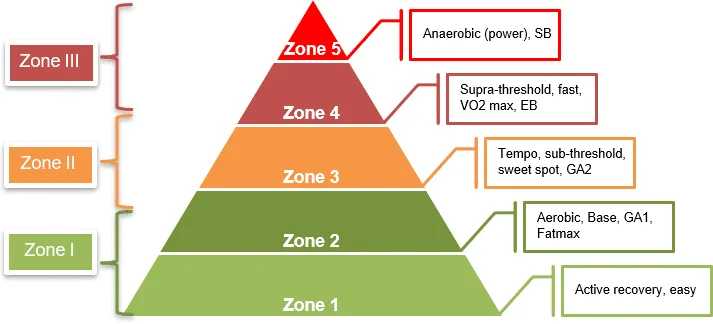
Heart rate zones categorize your effort level into five distinct brackets, ranging from simple recovery to near-maximal exertion. Most of your cardiovascular adaptations, such as improved capillary density and stroke volume, occur when you spend time in Zones 2 and 3. These zones represent your aerobic capacity where your body efficiently uses oxygen to fuel movement.
| Zone | Intensity | % of Max HR | Primary Goal |
|---|---|---|---|
| Zone 1 | Very Light | 50-60% | Recovery |
| Zone 2 | Light | 60-70% | Endurance |
| Zone 3 | Moderate | 70-80% | Aerobic Base |
| Zone 4 | Hard | 80-90% | Threshold |
| Zone 5 | Maximum | 90-100% | Peak Power |
When you’re looking for a reliable machine to track these metrics, focus on steady-state movement rather than constant intensity spikes. Visualizing these zones helps you understand that harder isn't always better. You can build significant engine capacity by staying comfortably in the moderate range.
How to Safely Find Your Baseline Without the Guesswork
The most accurate way to define your zones is through field testing or clinical assessment, but you can establish a reliable baseline using the talk test. If you can speak in full sentences without gasping, you are likely in an aerobic zone. If you can only speak in fragmented words, you have drifted into an anaerobic state.
When beginning a new regimen, especially if you prefer quiet equipment options, start with a simple walk-run interval. Track your heart rate at the end of each interval to see how quickly it recovers. A faster recovery time is a strong indicator of improving fitness levels.
Always ensure you are incorporating routine upkeep on your gear so your data remains consistent.
The 80/20 Approach: Balancing Training Intensity for Long-Term Health
The 80/20 rule suggests that 80 percent of your training time should be spent at low intensity, while 20 percent is reserved for high-intensity efforts. This structure prevents the common mistake of training too hard, too often, which leads to plateauing or injury. By keeping the bulk of your workouts in Zone 2, you build the metabolic foundation needed for harder efforts.
Whether you are using a top-rated treadmill for recovery or simply engaging in standard engine servicing, the principle remains the same. You need balance to sustain progress over the long term. If you find yourself constantly hitting high zones, try slowing your pace to allow your aerobic system to catch up.
Real-World Variables That Skew Your Heart Rate Data
External factors often trick your monitor into showing a higher heart rate than your actual exertion level warrants. Hydration status is a major player here, as decreased blood volume forces your heart to beat faster to move oxygen. Heat and humidity also trigger a rise in heart rate as your body works to cool itself through sweat and peripheral blood flow.
Stress and caffeine intake can also bump your resting and active numbers significantly. If you’ve topped up the fluid levels in your treadmill's motor assembly, it’s ready for use, but your body might not be if you haven't slept well. Always context-check your data against your current environment and physical state.
A high heart rate on a hot, humid day isn't necessarily a sign of poor fitness.
Navigating Safety Risks and When to Consult a Professional
You should stop exercise immediately if you experience chest pain, dizziness, or fainting regardless of what your heart rate monitor displays. These symptoms are clear red flags that your body is struggling to manage the current intensity. If you have known heart conditions, always obtain clearance from a physician before beginning any new training program.
Many medications, including beta-blockers, intentionally suppress your heart rate response. If you take these, standard zone charts become irrelevant because your heart will not reach traditional target levels. Always rely on perceived exertion instead of digital metrics in these cases.
If you notice persistent arrhythmias or palpitations during physical activity, schedule an evaluation with a cardiologist to rule out underlying structural concerns.
Common Mistakes That Lead to Overtraining and Burnout
The most frequent mistake involves performing every workout at a high intensity because of the misconception that more sweat equals better results. This approach quickly leads to overtraining syndrome, where your performance stalls and your resting heart rate creeps upward over time. Overtraining isn't just about tired legs, it's a systemic failure of your recovery processes.
Another common error is ignoring your recovery data, such as your morning resting heart rate or heart rate variability. If your resting rate remains elevated by more than five to ten beats above your normal baseline, treat it as a signal to prioritize rest. Pushing through these clear physiological warnings often ends in injury or prolonged fatigue.
Always prioritize consistent, sustainable output over sporadic bursts of maximum effort.
Frequently Asked Questions About Cardio Heart Rate Monitoring
Does a lower resting heart rate always mean I am fitter?
A lower resting heart rate typically indicates a stronger, more efficient heart that pumps more blood with every stroke. Most healthy adults have a resting rate between 60 and 100 beats per minute. Highly conditioned athletes often see resting rates below 50 beats per minute.
However, an extremely low rate paired with lightheadedness can occasionally signal an issue requiring a professional checkup.
How often should I check my heart rate during a workout?
Check your heart rate periodically throughout your session, perhaps every ten to fifteen minutes, to ensure you stay within your intended zone. Constant, obsessive checking can distract from your form and the rhythmic nature of your exercise. If you use modern fitness gear, you can set audible alerts that ping if you drift above your desired threshold.
Can heart rate monitors be inaccurate?
Wrist-based sensors often struggle with accuracy during high-intensity intervals or movements that involve significant wrist motion, like rowing. Skin tone, fit, and blood flow to the extremities can also influence the sensor's precision. If you need highly specific data for medical or elite athletic purposes, a chest-strap monitor provides superior accuracy compared to common walking pad units.
What is cardiac drift and why does it happen?
Cardiac drift occurs when your heart rate rises during a steady, continuous workout despite your pace remaining exactly the same. This is usually caused by an increase in body temperature and a decrease in blood volume due to sweat loss. Your heart works harder to pump blood to the skin for cooling.
Staying well-hydrated helps mitigate this drift significantly.
Should I aim for the same heart rate every time I train?
You should vary your intensity based on your training goals for the day rather than aiming for one static number. Some sessions should be very light to promote blood flow and recovery, while others should be harder to build stamina. If you only ever train at one intensity, you miss out on the full range of cardiovascular adaptations.
Follow a structured training plan to ensure you provide your body with the variety it needs.