
Understanding what are the different types of cardio helps you choose the right intensity for your specific health goals. Cardio encompasses any rhythmic activity that elevates your heart rate and increases oxygen consumption.
As of 2026, research from the Centers for Disease Control and Prevention suggests that adults should aim for at least 150 minutes of moderate-intensity aerobic activity each week. Balancing these sessions with appropriate recovery is the foundation of a sustainable training routine.

Today's Exclusive Deals
Limited-time Exclusive Deals. Check current discount on Amazon.
Check Price on Amazon As an Amazon Associate I earn from qualifying purchases.Quick Answer
Cardio is any movement that challenges your heart and lungs. Primary types include steady-state, interval training, and circuit-based workouts. Each method targets different energy systems and fitness adaptations.
Choosing the right one depends on your available time and specific objectives. You can mix these styles for a well-rounded approach to cardiovascular health.

Why Cardiovascular Accuracy Matters for Your Health
Your cardiovascular system is the engine of your body. When you engage in cardio, you force your heart to pump more blood to working muscles. This process improves your overall aerobic performance and strengthens your heart muscle over time.
Ignoring your body's signals during these sessions often leads to burnout or injury. Research indicates that monitoring your intensity ensures you don't overstress your central nervous system. Using tools like a reliable treadmill for your living space helps you maintain consistent, measurable progress.
Effective cardio isn't just about sweating. It is about placing a controlled stress on your body that triggers a positive adaptation. You need to know when to push and when to recover to avoid hitting a plateau.
The Mechanics of Heart Rate Training and Energy Systems
Training efficiency relies on understanding your heart rate zones. These zones represent a percentage of your maximum heart rate, which dictates whether you are burning fat or improving your speed.
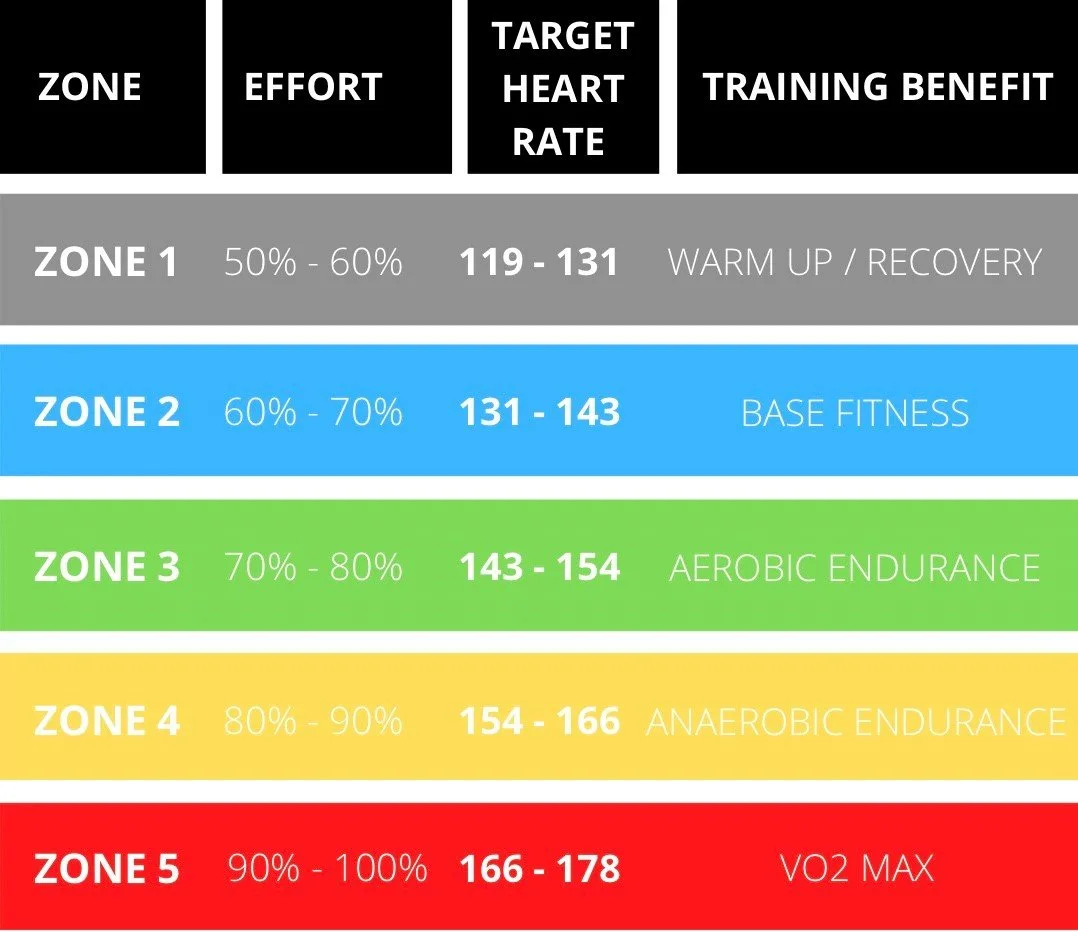
Low-intensity zones prioritize fat oxidation, while higher zones push your anaerobic threshold. If you are looking for durable equipment for heavier users, tracking your BPM becomes vital for safety.
- Zone 1-2: Comfortable, conversational pace for building an aerobic base.
- Zone 3: Moderate effort, perfect for sustained endurance.
- Zone 4-5: High intensity, primarily for performance and power.
Your body shifts between these systems depending on the duration and intensity of the movement. Understanding this shift helps you plan your routine maintenance of your fitness plan. Consistent training requires matching the right zone to your target outcome for the day.
Categorizing Cardio: Steady-State, Interval, and Circuit Modalities
Steady-state cardio involves maintaining a consistent intensity for an extended period. This is the gold standard for long-term health and is often achieved with sturdy and comfortable machines.
Interval training alternates between bursts of maximum effort and recovery. This method is excellent if you are short on time but want to boost your VO2 max quickly. Conversely, circuit training blends strength moves with rapid transitions to keep the heart rate elevated throughout the session.
| Type | Intensity | Best Use Case |
|---|---|---|
| Steady-State | Low-Moderate | Aerobic Base |
| HIIT | Very High | Time Efficiency |
| Circuit | Variable | Strength/Cardio |
Each modality offers unique benefits. For instance, finding a quiet machine for home use makes steady-state work much easier to integrate into your daily life. You should choose your modality based on how you feel before you start.
Weighing the Pros and Cons for Your Specific Goals
Steady-state work is great for recovery and building a foundation, but it requires more time. HIIT is perfect for busy schedules, though it puts significant demand on your joints and nervous system.
Circuit training provides the best of both worlds, yet it requires careful attention to your movement patterns. If you aren't careful, you might experience frustrating machine errors or poor form during the transition between exercises.
- Steady-State Pro: Low risk of injury and highly sustainable.
- HIIT Pro: Maximum caloric burn in minimal time.
- Circuit Pro: Improves muscular endurance simultaneously.
You will find that your goals change as your fitness level increases. What worked for your initial home workout setup might need adjusting as you get stronger. Always weigh the recovery time needed for each type of cardio against your weekly schedule.
Safety Protocols and Identifying Your Current Readiness
Before increasing your intensity, perform a self-assessment. Are you rested, or have you been pushing hard all week? If you feel persistent fatigue, skip the high-intensity intervals.
- Hydration: Drink plenty of water before and during your session.
- Warm-up: Spend at least 5-10 minutes preparing your joints and muscles.
- Screening: If you are new to training, follow official physical activity guidelines to ensure you are ready for vigorous exercise.
Don't ignore warning signs like chest pain, dizziness, or sharp joint discomfort. If you are using a tall-friendly walking pad, ensure your posture remains upright to avoid unnecessary strain. Safety is the ultimate prerequisite for consistent performance.
Always listen to your body instead of just looking at the clock.
Implementing a Sustainable Training Flow
Consistency is the secret to cardiovascular gains. You don't need a perfect plan, but you do need a repeatable rhythm that fits your lifestyle. Start by scheduling three sessions per week, allowing for at least one rest day between higher intensity efforts.
If you find yourself struggling to stay on track, consider keeping a simple log of your activity. Many users find that pairing a reliable piece of home gym equipment with a set schedule helps build the necessary habit. Beginners should focus on steady-state sessions to build their aerobic capacity before attempting more complex intervals.
- Weeks 1-4: Focus on steady-state movement to condition your heart and joints.
- Weeks 5-8: Introduce one session of light intervals or circuits per week.
- Weeks 9+: Adjust your mix based on your recovery time and performance goals.
Always assess your energy levels before starting a session. If you have had a busy week or poor sleep, choose a lighter activity like walking or slow cycling. Prioritizing recovery ensures you can maintain this flow for months and years rather than burning out in weeks.
Frequently Asked Questions About Cardio Training
How long should each cardio session be?
Most health authorities recommend at least 20 to 30 minutes of continuous movement to gain cardiovascular benefits. If you are doing high-intensity work, shorter sessions of 15 to 20 minutes are often sufficient. The key is to remain consistent with your duration, even if you start with shorter periods of movement.
Can I do cardio every single day?
You can engage in light daily movement like walking without issue. However, high-intensity sessions require dedicated recovery time to prevent overtraining. Aim for at least one or two full recovery days every week to let your muscles and central nervous system repair themselves.
Watch for signs of excessive fatigue or lingering joint pain.
Should I perform cardio before or after weights?
The order depends on your primary goal for that specific workout. If you want to maximize strength, perform your lifting first, then finish with 15 minutes of steady-state cardio. If your main objective is cardiovascular performance, do your cardio when you are fresh and have the most energy.
What is the best cardio for weight loss?
No single type of cardio is a magic bullet for weight loss, as your total caloric balance remains the most important factor. HIIT can be effective for burning calories in a short timeframe, but steady-state cardio is often easier to perform frequently without needing excessive recovery. The best option is one that you enjoy enough to perform consistently for several months.
How do I know if my intensity is correct?
Use the talk test to gauge your effort during steady-state sessions. If you can speak in full sentences, you are likely in an aerobic zone. If you are gasping for air, you are likely pushing too hard for a foundational workout.
If you need a more precise metric, a heart rate monitor provides real-time data on your current intensity.

