The world of kayaking is full of choices. Every piece of gear you buy—your kayak, life jacket, and especially your paddle—can change your experience on the water. For many paddlers, the Werner Shuna paddle stands out as a popular choice. But is it truly worth your hard-earned money? This is a question that often comes up among both beginners and experienced kayakers. If you’re considering buying the Werner Shuna, or if you’re just curious about why it’s so widely talked about, this article will help you understand what makes it special, what it offers, and whether it fits your needs.
We’ll look at the Werner Shuna’s features, performance, price, and how it compares to other paddles in its class. You’ll learn about its strengths, its possible downsides, and some often-overlooked details that can make a real difference. By the end, you’ll have a clear picture to decide if the Werner Shuna is the right paddle for your kayaking adventures.
Today's Exclusive Deals
Limited-time Exclusive Deals. Check current discount on Amazon.
Check Price on Amazon As an Amazon Associate I earn from qualifying purchases.What Is The Werner Shuna Paddle?
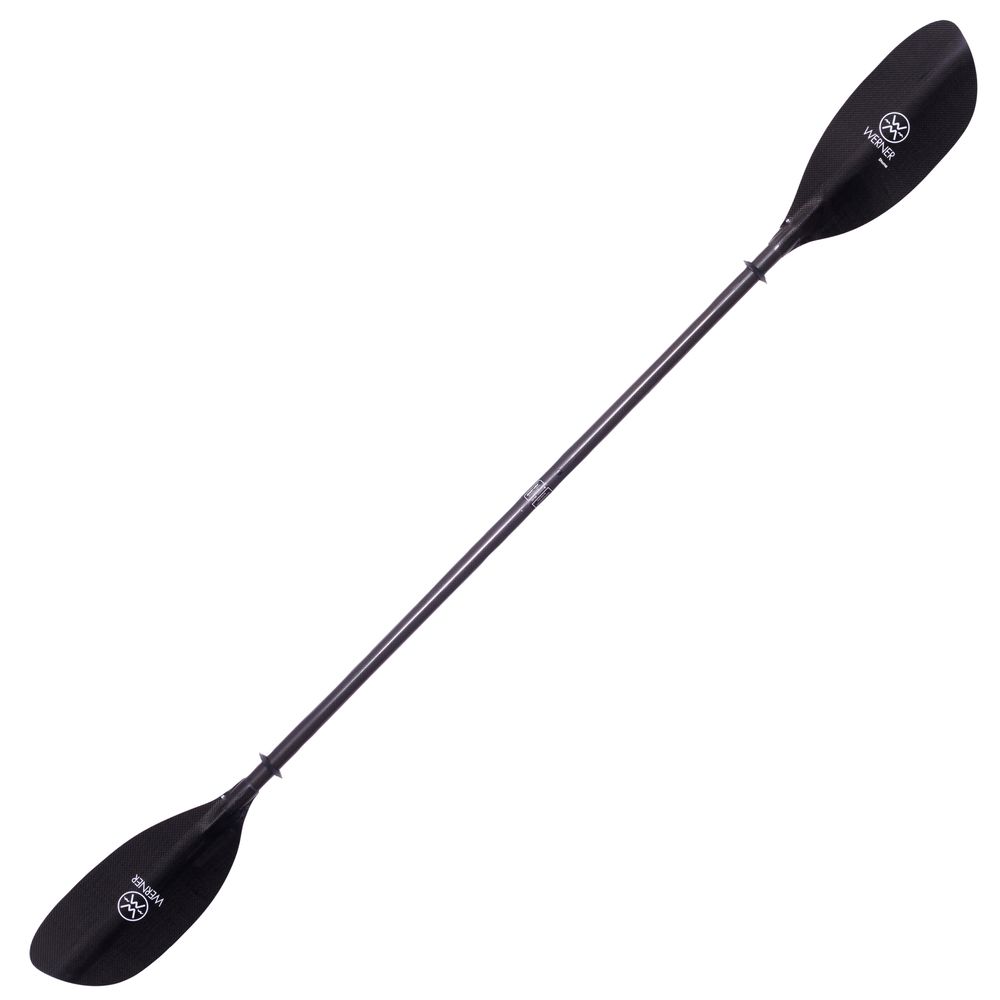
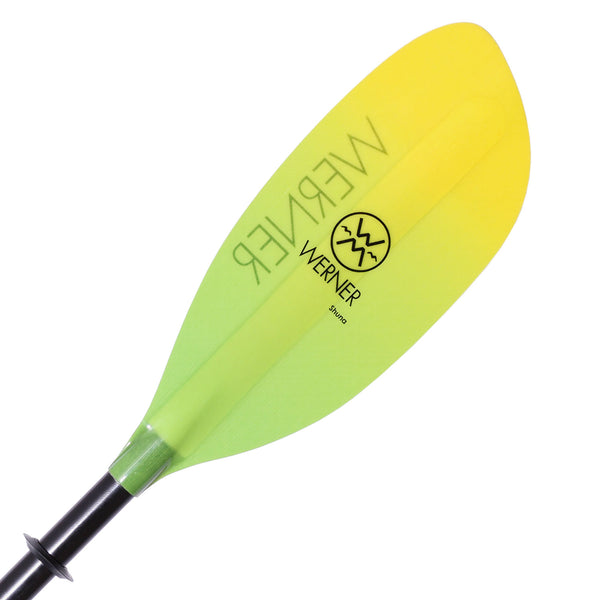
The Werner Shuna is a mid-sized, high-angle kayak paddle designed for touring and sea kayaking. It’s made by Werner Paddles, a company known for high-quality and innovative paddle design. The Shuna is often recommended for paddlers who want a balance of power and ease of use, especially those who paddle in a more aggressive, high-angle style.
The paddle is available in several versions:
- Straight or bent shaft: The straight shaft is lighter and simpler; the bent shaft is designed to reduce wrist strain.
- Standard or small shaft diameter: For different hand sizes.
- Carbon or fiberglass blades: Carbon is lighter and stiffer; fiberglass is durable and less expensive.
- Adjustable ferrule system: Lets you set the feather angle (the twist between blades) and length (in some models).
This focus on customization is one reason the Werner Shuna is so popular—many paddlers can find a version that fits their hands, paddling style, and budget.
Key Features And Technology
What makes the Werner Shuna stand out? It’s not just the brand name. Werner has packed the Shuna with features that suit both intermediate and advanced kayakers. Let’s break down the main features:
Blade Design
The Shuna’s mid-sized blades are designed for high-angle paddling. This means the paddle enters the water at a steeper angle, which gives you more power with each stroke. The blades are slightly curved, which improves “catch” (the initial grip on the water) and helps control the kayak, especially in wind or waves.
- Surface area: 615 sq cm (mid-size—good for most adults)
- Asymmetrical blade: Reduces flutter, making your stroke smoother
- Dihedral shape: The slight ridge down the middle helps the blade move cleanly through the water
Materials And Weight
Werner offers the Shuna with carbon or fiberglass blades and shafts. Here’s how they compare:
| Version | Blade Material | Shaft Material | Weight (grams) | Price Range (USD) |
|---|---|---|---|---|
| Premium Carbon | Carbon | Carbon | ~700g | ~$475 |
| Premium Fiberglass | Fiberglass | Carbon | ~770g | ~$350 |
| Standard Fiberglass | Fiberglass | Fiberglass | ~850g | ~$300 |
Lighter paddles mean less fatigue, especially on longer trips. The carbon version is one of the lightest sea kayak paddles available. Even the fiberglass model is lighter than many entry-level paddles.
Adjustable Ferrule System
A unique feature of the Werner Shuna is its Smart-View Adjustable ferrule. This system allows you to change the feather angle (how much the blades are offset from each other) quickly and securely. Some models also allow for adjustable length, which is useful if you share your paddle or switch between different kayak widths.
Shaft Options
You can choose between:
- Straight shaft: Lighter, direct power transfer, lower price
- Bent shaft: Ergonomic, reduces wrist strain, slightly heavier and more expensive
Werner also offers two shaft diameters, so paddlers with smaller hands can get a comfortable grip.
On-water Performance
A paddle can look great on paper, but performance on the water is what really matters. Here’s how the Werner Shuna delivers in real conditions.
Power And Efficiency
The Shuna’s mid-size, high-angle blades give you excellent acceleration and control. You can paddle quickly when needed—like in surf, wind, or strong currents—without feeling like you’re fighting the paddle. At the same time, the blades are not so large that they tire you out on a long tour.
Many users report that the Shuna feels smooth and predictable. There’s little blade flutter, and the paddle “catches” the water well, making each stroke feel effective. This efficiency is especially noticeable during long days or when paddling against the wind.
Comfort And Fatigue
A big advantage of the Werner Shuna is its light weight. Less weight in your hands means less muscle fatigue, especially if you paddle more than a couple of hours at a time. The bent shaft version can further reduce wrist and forearm strain, which is important if you have joint issues or paddle often.
Maneuverability And Control
The Shuna’s blade shape makes it easy to perform draws, braces, and sculling strokes. This means you can control your kayak with precision—useful for edging, turning, or holding position in tricky conditions. The paddle’s balance also makes it feel “neutral” in your hands, so you’re less likely to over-correct or feel off-balance.
Durability
Both the carbon and fiberglass versions of the Werner Shuna are highly durable. They can handle regular use in rocky or rough water. That said, carbon blades are a bit more prone to chipping if you hit rocks hard, while fiberglass can take more abuse. The ferrule system is also well-made and rarely gets stuck or loose, even after years of use.
Who Is The Werner Shuna Paddle For?
The Werner Shuna is not a beginner paddle. While a beginner could use it, its features and price are aimed at people who:
- Paddle regularly (at least several times a month)
- Want to improve efficiency and reduce fatigue
- Use a high-angle stroke (paddle held more vertically)
- Enjoy touring, sea kayaking, or coastal paddling
- Need a paddle for both calm and rough water
If you only kayak once or twice a year, or if you paddle slow rivers with a very relaxed style, you might not see the full value of the Shuna. But for serious recreation or fitness paddlers, it can make a big difference.
Comparing The Werner Shuna To Other Paddles
When deciding if the Werner Shuna is worth it, it helps to see how it stacks up against similar paddles. Here’s a comparison with two popular competitors: the Aqua-Bound Tango and the Werner Cyprus.
| Paddle | Blade Size | Weight (grams) | Main Material | Price (USD) |
|---|---|---|---|---|
| Werner Shuna | 615 sq cm | 700-850 | Carbon/Fiberglass | $300–$475 |
| Aqua-Bound Tango | 574 sq cm | 690-780 | Carbon/Fiberglass | $340–$430 |
| Werner Cyprus | 610 sq cm | 650-700 | Carbon | $475–$500 |
Werner Cyprus: The Cyprus is similar to the Shuna but designed for low-angle paddling (paddle held more horizontally). It’s lighter and more expensive, best for very long-distance paddlers who use a relaxed stroke.
Aqua-Bound Tango: The Tango is a direct competitor, with similar weight and materials. Its blades are slightly smaller and it’s usually a bit less expensive. The main difference is feel—some paddlers prefer the Shuna’s more pronounced catch and blade shape.
What Sets The Shuna Apart?
- Versatility: Works well in both calm and rough water, for both fitness and touring.
- Custom options: More shaft and blade choices than many competitors.
- Smart-View ferrule: Reliable and easy to adjust.
- Resale value: Holds value well if you decide to upgrade or change paddles.
Cost Vs. Value: Is The Price Justified?
The Werner Shuna is not cheap. Prices range from about $300 for the basic fiberglass model to $475 for the full carbon version. Many first-time buyers ask: “Is it really worth spending this much on a paddle?”
What You Get For The Money
- Lower weight: Less fatigue on every trip
- Better efficiency: More speed or distance with the same effort
- Durability: Years of use, even with frequent paddling
- Better comfort: Especially for wrists and shoulders
The Hidden Costs Of Cheaper Paddles
Cheaper paddles are often heavier, poorly balanced, and less efficient. Over time, this can lead to:
- More tired arms and shoulders
- Slower progress on the water
- Increased risk of injury (from repetitive strain)
- Needing to upgrade sooner
If you paddle often, the extra cost of the Shuna can pay for itself in enjoyment and fewer aches.
When Is It Not Worth It?
- If you kayak rarely (just a few times per year)
- If you mostly paddle short distances at a slow pace
- If you have joint issues and need a low-angle paddle (the Cyprus or a similar model may be better)
Real User Experiences
It’s helpful to look at what actual paddlers say after using the Werner Shuna for months or years. Here are some common themes from user reviews and forums:
- Light weight is the most mentioned benefit. Many say switching to the Shuna let them paddle longer without pain.
- Smooth stroke: Users notice less flutter and more control, especially in wind or waves.
- Quality ferrule: The adjustable system rarely jams, unlike some other brands.
- Long-term durability: Paddlers report using the same Shuna for 5+ years with little wear, even after regular use.
A few users note that the carbon blades, while very light, can chip if you hit rocks hard. Some also say the price is high, but most feel the performance justifies it.
Two Non-obvious Insights
- Resale Value: Werner Shuna paddles keep their value better than most. If you ever decide to upgrade or switch styles, you can usually sell your Shuna for a good price.
- Custom Fit Makes a Big Difference: Many people don’t realize how much shaft diameter and blade size matter. Choosing the right options can make your paddling much more comfortable, especially on longer trips.
Common Mistakes When Choosing A Paddle
Even experienced paddlers sometimes make mistakes when buying a paddle. Watch out for these:
- Ignoring shaft diameter: If your hands are small, a standard shaft can cause fatigue.
- Choosing too large a blade: Bigger isn’t always better. Too much surface area can strain your shoulders.
- Overlooking feather angle adjustment: Some paddlers never change it, but adjusting the feather can help with wind and wrist comfort.
- Not testing before buying: If possible, try different shaft and blade options at a demo day or local shop.

Practical Advice For Buying The Werner Shuna
If you’re thinking about buying the Werner Shuna, here are a few tips:
- Think about your paddling style: High-angle paddlers will get the most benefit. If you paddle low and relaxed, look at low-angle models.
- Try before you buy: If you can, demo both shaft types and diameters.
- Consider the fiberglass version: It’s only a bit heavier than carbon but much less expensive and more durable.
- Check for deals: Off-season sales and used paddles can save you money.
- Protect your paddle: Use a paddle bag and avoid hitting rocks with the blade tips, especially if you choose carbon.
If you want more detailed specs and sizing help, the Werner Paddles official site is a reliable resource.
Frequently Asked Questions
What Size Werner Shuna Paddle Should I Get?
The right size depends on your height, kayak width, and paddling style. Most adults choose a length between 210–220 cm for sea kayaks. If you have a wider kayak or are very tall, you might want 220–230 cm. For smaller paddlers or narrow boats, 210 cm is common.
Is The Carbon Version Worth The Extra Cost Over Fiberglass?
If you paddle often or do long trips, the carbon version is worth considering. It’s lighter, which reduces fatigue. However, the fiberglass version is almost as good and more durable if you often paddle near rocks.
Can The Werner Shuna Be Used For Whitewater Kayaking?
The Shuna is designed for touring and sea kayaking, not whitewater. Its longer blades and lighter construction are not built for the impacts and quick maneuvers of whitewater paddling. For rivers and rapids, look for a dedicated whitewater paddle.
How Do I Care For My Werner Shuna Paddle?
Rinse your paddle with fresh water after use, especially in salt water. Avoid dropping it on rocks or hard surfaces. Store it in a paddle bag or padded area out of direct sun. Check the ferrule for sand or grit, and occasionally lubricate it with silicone spray.
Is The Werner Shuna Paddle Good For Beginners?
It’s not a “beginner” paddle in price, but many new paddlers find it easier to use than cheap, heavy paddles. The main benefit is less fatigue and better technique. If you think you’ll paddle regularly, starting with a good paddle like the Shuna can speed up your learning and enjoyment.
Final Thoughts
So, is the Werner Shuna paddle worth it? For many paddlers, the answer is yes. Its blend of light weight, smart design, and durability makes it a favorite among serious kayakers. If you paddle often, value comfort and performance, and want a paddle that will last for years, the Shuna is a solid investment.
However, it’s not for everyone. If you’re just starting out or only paddle a few times a year, a less expensive paddle may be a better fit. But for those who want to get the most from every trip, and who see kayaking as more than just an occasional hobby, the Werner Shuna offers real value.
With the right fit and care, it could be the last paddle you need for a long time on the water.