
Skiers are always searching for the perfect blend of fun, control, and versatility on the mountain. The Black Crows Camox skis often come up in these conversations, praised by some as the “do-it-all” tool for both powder and hardpack. But with so many all-mountain skis available, and a price tag that puts them in the premium category, many ask: is the Black Crows Camox actually worth it? Let’s break down the Camox’s strengths, weaknesses, and what type of skier will really get value from this ski.
What Makes The Black Crows Camox Unique?
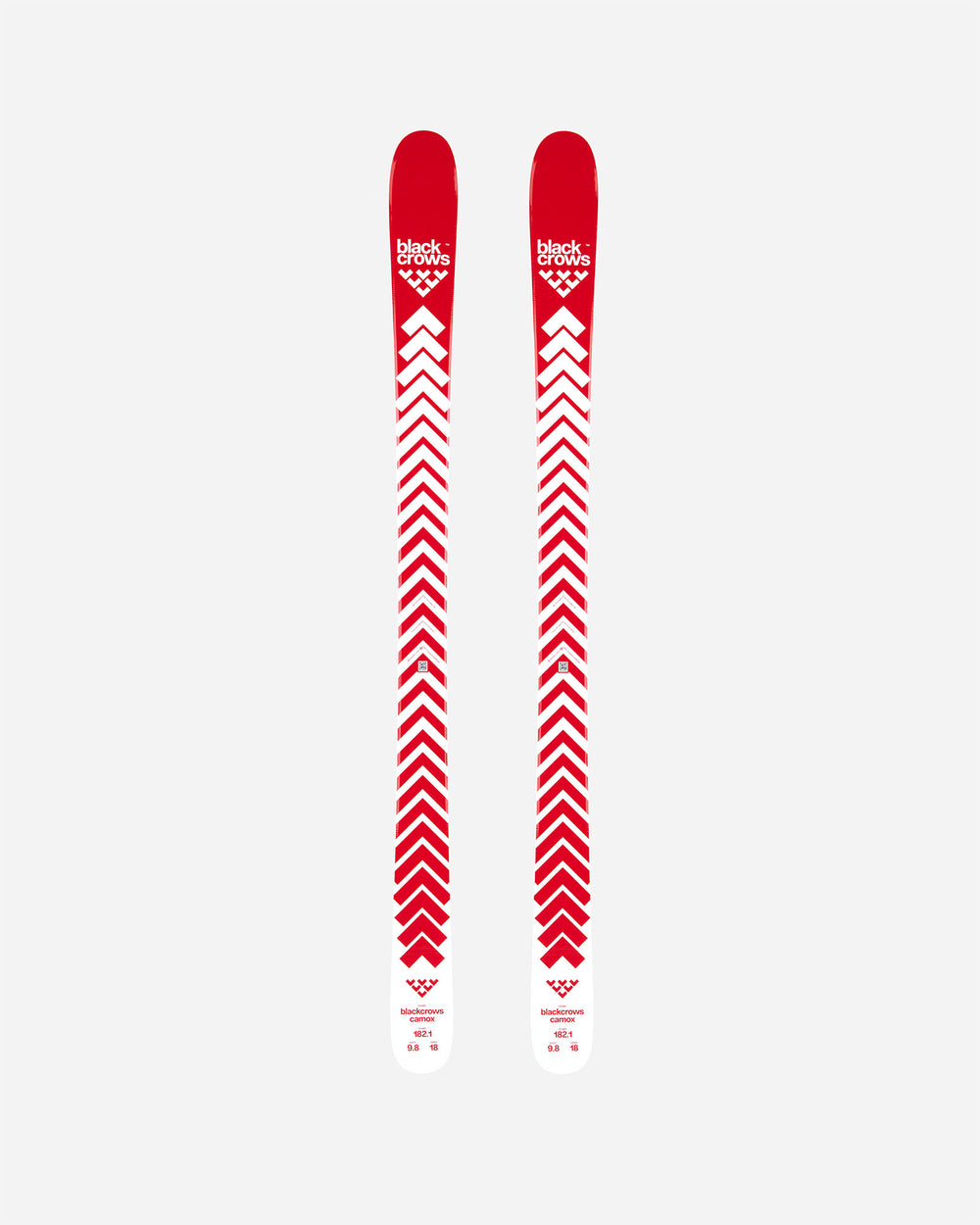
The Camox sits in the middle of the Black Crows all-mountain line. It’s known for a playful feel, moderate width, and a design aimed at handling variable snow. Unlike stiff race-inspired skis or super-wide powder boards, the Camox aims to be a true “daily driver”—something you can take out almost every day, in most conditions.

Today's Exclusive Deals
Limited-time Exclusive Deals. Check current discount on Amazon.
Check Price on Amazon As an Amazon Associate I earn from qualifying purchases.Several features set the Camox apart:
- 97mm waist width: Wide enough for soft snow, but not so wide that it feels clumsy on groomed runs.
- Twin rocker profile: Rocker in tip and tail for easy turn initiation and float in powder, camber underfoot for grip.
- Semi-cap construction: Blends durability and edge hold.
- Poplar wood core: Provides a lively, energetic feel underfoot.
But specs alone don’t tell the full story. How does the Camox actually perform on snow, and is it right for you? Let’s dig deeper.
Performance Breakdown: Where Does The Camox Shine?
All-mountain Versatility
The Camox is designed for skiers who want to explore the whole mountain. On groomed runs, it feels stable at speed and holds an edge well, thanks to the camber section underfoot. It’s not as precise as a dedicated carving ski, but it’s much more playful and forgiving.
Where the Camox truly stands out is off-piste. The rockered tip and tail help the ski float in softer snow and make it less likely to catch an edge in crud or tracked-out powder. The ski feels nimble in trees and bumps, allowing quick turns and easy transitions from one terrain to another.
Powder Performance
With a 97mm waist and a rockered tip, the Camox can handle moderate powder days. It’s not a true powder ski, so in deep snow (over 12 inches), you’ll have to lean back to keep the tips up. But for most in-resort powder days, it’s enough.
The ski’s light feel helps you bounce from turn to turn, making powder runs exciting for intermediate and advanced skiers.
Hardpack And Ice
One question many buyers have: can the Camox grip on icy, hardpack slopes? The answer: better than you’d expect for a ski this playful. The camber underfoot gives decent edge hold, and the sidecut helps you carve confident turns. However, compared to stiff, race-inspired skis, the Camox feels less “locked in” on true ice. For most skiers, it’s more than enough grip, but aggressive, high-speed carvers may want something stiffer.
Park And Freestyle
Thanks to its moderate flex and twin-tip design, the Camox is also suitable for basic park tricks—spins, small jumps, and switch skiing. It’s not as soft or buttery as a dedicated park ski, but it’s playful enough for all-mountain skiers who want to hit the occasional rail or jump.
Construction And Materials: What’s Inside The Camox?
A ski’s feel and durability depend on how it’s built. The Camox uses a mix of traditional and modern construction techniques.
- Poplar wood core: Gives the ski a lively, energetic flex. Poplar is known for being lightweight but strong.
- Fiberglass reinforcement: Adds stability at higher speeds.
- Semi-cap sidewall: The top of the ski is rounded for durability, while the sidewall underfoot is vertical for better edge hold.
- Sintered base: Holds wax well and slides quickly over snow.
This construction means the Camox is light enough for long days on the mountain, but solid enough to handle hard landings and rough snow. However, it’s worth noting that the topsheet can chip if you’re not careful, especially if skis knock together in the lift line.
Who Is The Camox For? Matching Skier Types And Ability
The Camox isn’t for everyone. Understanding who benefits most will help you decide if it’s worth the price.
- Intermediate to advanced skiers: The Camox is forgiving enough for lower-intermediate skiers wanting to improve, but it really shines for confident intermediates and experts who ski a mix of terrain.
- All-mountain explorers: If you like to ski everywhere—groomers, bumps, powder, trees—the Camox’s versatility is its best feature.
- Freestyle-oriented skiers: Those who like to jump, spin, or ski switch will appreciate the twin-tip shape.
- Lightweight or finesse skiers: Heavier, aggressive skiers who like to charge at full speed may “overpower” the Camox and prefer a stiffer ski.

Key Specs And Measurements
Skiers often compare specs when choosing gear. Here’s how the Black Crows Camox stacks up:
| Length (cm) | Sidecut (mm) | Turn Radius (m) | Weight (g/pair) |
|---|---|---|---|
| 168.1 | 127-97-115 | 18 | 3175 |
| 174.1 | 127-97-115 | 19 | 3350 |
| 180.1 | 127-97-115 | 20 | 3575 |
| 186.1 | 127-97-115 | 21 | 3750 |
This shows the Camox offers a medium turn radius, balanced weight, and consistent shape across sizes.
How The Camox Compares To Other All-mountain Skis
It’s smart to see how the Camox lines up against popular competitors. Here’s a comparison with two favorites: the Rossignol Experience 94 Ti and the Salomon QST 98.
| Ski Model | Waist Width (mm) | Profile | Best For | Flex |
|---|---|---|---|---|
| Black Crows Camox | 97 | Rocker-Camber-Rocker | All-mountain, Playful | Medium |
| Rossignol Experience 94 Ti | 94 | Tip Rocker, Camber | Groomers, Stability | Stiff |
| Salomon QST 98 | 98 | Rocker-Camber-Rocker | Soft Snow, Versatile | Medium |
Compared to these, the Camox is less stiff than the Rossignol, making it easier to pivot and more forgiving in bumps. The Salomon QST is a little more “floaty” in powder, but the Camox feels livelier on hardpack. Each has its own personality, so your choice depends on your skiing style.
Price And Value: Is The Camox Worth The Investment?
The Camox usually retails between $699 and $799 (without bindings), putting it in the same league as other premium all-mountain skis. For many skiers, this is a major investment, so value matters.
What You’re Paying For
- Versatility: One ski that covers a wide range of conditions and terrain.
- Build quality: Durable materials, careful construction.
- Brand reputation: Black Crows is known for quality and innovation, and their skis are used by pro skiers and guides worldwide.
- Resale value: Black Crows skis tend to hold value better than some mass-market brands.
What You’re Not Getting
- Specialization: The Camox is a master of many trades, but not the absolute best at any one thing. Powder hounds, racers, or park specialists may want a more focused ski.
- Lowest price: There are more affordable all-mountain skis if you’re on a budget.
Real-world Value
The Camox is worth it if you want one ski to handle most days on the mountain, you value a playful feel, and you like to mix up your skiing style. If you only ski groomed runs, or only ski deep powder, there are better options for less money. But for people who love exploring and want their gear to keep up, the Camox delivers.
What Do Skiers Say? Real User Experiences
Looking at user reviews and talking to Camox owners gives more context than specs alone. Here are some common themes:
- Playful but stable: Many skiers love how easy it is to turn the Camox, yet it still feels solid at moderate speeds.
- Great in mixed conditions: Users mention that the ski “smooths out” choppy snow and feels predictable in all but the iciest conditions.
- Easy to ski all day: Lighter weight and balanced flex mean less fatigue, even after several hours.
- Not for super-aggressive skiing: Some advanced, heavy skiers say the Camox feels “too soft” when charging very hard.
One non-obvious insight from experienced owners: the Camox feels different depending on mount point (where you place the bindings). Mounting closer to center makes it even more playful and switch-friendly, while mounting farther back gives more stability and float in powder. It’s a small adjustment that can change how the ski feels dramatically.
Common Mistakes When Buying The Camox
- Sizing up too much: Because the Camox is playful and not ultra-stiff, many skiers can size down compared to their usual length. Going too long can make the ski feel less nimble.
- Expecting a race ski: The Camox is not built for high-speed carving on ice. If you want a ski to “rail” on hardpack, consider a different model.
- Ignoring binding choice: The right binding affects performance. Lightweight, freeride, or touring bindings will change the feel and flex.
- Not considering local conditions: If your home mountain is mostly icy or has deep powder, you might want a more specialized ski.
Who Should Avoid The Camox?
While the Camox works for many, some skiers may be disappointed:
- Heavily aggressive or expert skiers who want maximum edge hold at high speed may “overpower” the Camox.
- Beginner skiers may find it a bit too lively or expensive for learning.
- Those who only ski one type of terrain, like park rats or powder chasers, can find skis more tuned to their needs.
Tips To Get The Most Out Of Your Camox Skis
- Keep them waxed: The sintered base is fast, but only if you maintain it.
- Try different mount points: A few millimeters forward or back can change the ski’s behavior.
- Pair with appropriate boots: A soft boot can make the ski feel too loose; a medium or stiff boot gives better control.
- Use on mixed terrain: Don’t be afraid to explore—trees, bumps, groomers, soft snow. The Camox is made for variety.
Environmental And Brand Considerations
Black Crows is a French company based in Chamonix. They focus on sustainability, using responsibly sourced materials and packaging. Their skis are not mass-produced, which supports quality control and reduces waste. If you value supporting smaller, environmentally conscious brands, this is a plus.
Alternatives To The Black Crows Camox
If you’re unsure about the Camox, here are a few alternatives to consider:
- Salomon QST 98: Slightly wider, softer tip, better for powder but not as lively on hardpack.
- Volkl Mantra M6: Stiffer, more precise, excels on hardpack and at speed.
- Atomic Bent Chetler 100: More playful, lighter for touring, but less stable at speed.
- Rossignol Experience 94 Ti: Great edge hold, less playful, better for carving.
- Nordica Enforcer 94: Heavier, powerful, good for aggressive skiers.
- Faction Prodigy 2.0: Similar playfulness, more park-focused.
These skis all have their own strengths, so it’s worth demoing if you can.
Pros And Cons Summary
To help you decide, here’s a quick summary:
Pros:
- Versatile in most snow conditions
- Playful and easy to turn
- Works for both on- and off-piste
- Quality construction and materials
- Good for intermediate to advanced skiers
Cons:
- Not the best on pure ice or at top speed
- Topsheet can chip if abused
- Pricey if you’re on a budget
- Not for highly aggressive or heavy skiers

Real-world Example: Camox On A Typical Mountain Day
Imagine a day at a large resort: you start with groomers, find some leftover powder in the trees, then hit some bumps and finish with a few runs through the park. The Camox adapts all day—never feeling out of place. A dedicated powder ski would feel clumsy on groomers, while a stiff carver would sink in the trees. This flexibility is what many skiers pay for.
Another insight: the Camox’s “fun” factor often makes people ski longer and try new terrain. Many owners report that they feel more confident exploring, which leads to better progression and more enjoyment.
Frequently Asked Questions
What Type Of Skier Is The Black Crows Camox Best For?
The Camox is ideal for intermediate to advanced skiers who want to ski a mix of terrain—groomers, powder, bumps, and even some park. It’s especially good for those who value a playful, easy-turning ski and like to explore the mountain.
Does The Camox Work Well In Deep Powder?
The Camox handles up to about 12 inches of powder well, thanks to its rockered tip and 97mm waist. For super deep days, a wider ski will float better, but the Camox is enough for most in-resort powder.
How Does The Camox Compare To The Salomon Qst 98?
The Salomon QST 98 is a bit wider and more focused on soft snow, with a softer tip for float. The Camox feels more playful and energetic, with better edge hold on hardpack. Both are versatile, but the Camox is a little better for all-around skiing.
Is The Camox Good For Park Skiing?
The Camox is playful and has a twin tip, so it’s suitable for basic park features—jumps, spins, and skiing switch. However, it’s not as soft or light as a pure park ski, so dedicated park skiers might prefer something else.
Where Can I Find More Detailed Specs Or Reviews?
For official specifications and more detailed reviews, visit the Black Crows Official Site.
Final Thoughts
The Black Crows Camox is a ski for people who love variety—those who want to chase powder in the morning, carve groomers in the afternoon, and maybe hit a few jumps along the way. It’s not the cheapest or the most specialized, but for many, its lively feel and all-mountain versatility make it worth the price.
If you value fun, creativity, and the freedom to explore the whole mountain, the Camox could be your perfect ski partner.

