
When you’re considering a new pair of running shoes, you want something that feels good, lasts long, and helps you perform at your best. The Adidas Adizero Boston 13 is one of the most talked-about models for runners who want speed and comfort. But is it really worth buying? In this article, you’ll get a clear answer. We’ll break down all 13 key features of the Adizero Boston 13, compare it to similar shoes, and look at real-world feedback. Whether you’re a casual jogger or a race-day runner, you’ll have everything you need to decide if the Boston 13 is the right fit for you.
1. Lightweight Design
One of the first things runners notice is the lightweight build of the Adizero Boston 13. The men’s model weighs about 8.6 oz (243 grams), and the women’s version is slightly lighter. This low weight helps you move faster and reduces fatigue, especially during longer runs.

Today's Exclusive Deals
Limited-time Exclusive Deals. Check current discount on Amazon.
Check Price on Amazon As an Amazon Associate I earn from qualifying purchases.The secret is in the shoe’s materials. Adidas uses a mix of Lightstrike Pro foam and mesh that feels airy but still provides support. For runners who care about every ounce, the Boston 13 stands out against many traditional trainers that can weigh over 10 oz.
Why It Matters
A lighter shoe means your legs work less hard with each step. This can make a big difference over 10K or marathon distances. Beginners often overlook this, but even a 1 oz reduction can add up over hundreds of steps.
2. Energy Return With Lightstrike Pro Foam
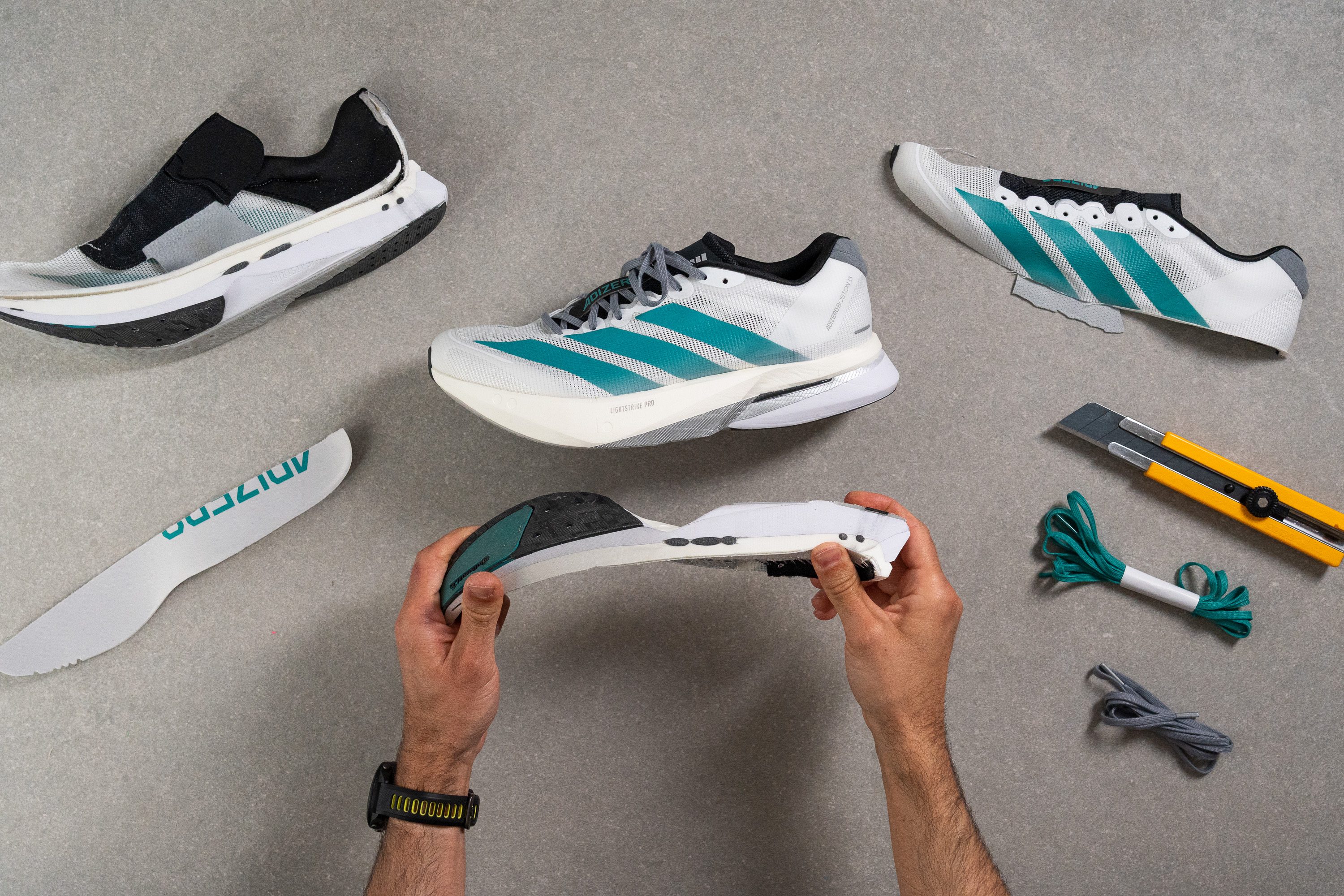
Adidas introduced Lightstrike Pro foam to boost energy return. This foam is softer and bouncier than regular EVA midsoles. When you push down, you get a springy feeling that propels you forward.
Today's Exclusive Deals
Limited-time Exclusive Deals. Check current discount on Amazon.
Check Price on Amazon As an Amazon Associate I earn from qualifying purchases.Many runners report that their legs feel fresher after long runs in the Boston 13 compared to older models or shoes with less advanced foam.
Real-world Example
If you’ve tried shoes like the Nike ZoomX or Saucony’s PWRRUN PB, you’ll know the feeling. The Boston 13’s foam is similar, but some say it’s a bit firmer, which can help with stability.

3. Responsive Ride With Torsion Rods
The ENERGYROD system is a standout feature. These thin rods are built into the midsole to mimic the bones of your foot. They guide your stride and help you push off more efficiently.
This technology can be felt most during fast runs or races. The rods make the shoe feel more lively, so you get a quick response every time your foot hits the ground.
Today's Exclusive Deals
Limited-time Exclusive Deals. Check current discount on Amazon.
Check Price on Amazon As an Amazon Associate I earn from qualifying purchases.Advanced Insight
Unlike carbon plates (found in high-end racing shoes), the ENERGYROD system offers flexibility and doesn’t feel stiff. This is important for runners who want both speed and comfort.
4. Breathable Mesh Upper
Hot feet are a common problem for runners, especially in warm weather. The Boston 13 uses a lightweight mesh upper that allows air to flow in and out.
The mesh is soft and adapts to your foot shape. It also dries quickly if you run in rain or sweat a lot.
Practical Tip
If you have wide feet, the mesh stretches just enough for comfort. But it’s not as roomy as some New Balance models, so try before you buy if you need extra space.
5. Durable Continental Rubber Outsole
The outsole is made with Continental Rubber, the same brand used in car tires. This material is known for its grip and durability.
Even after 300+ miles, many runners report little wear on the sole. You can run on wet roads, light trails, or even gravel without slipping.
Comparison Table: Outsole Durability
| Shoe Model | Outsole Material | Average Lifespan (Miles) |
|---|---|---|
| Adizero Boston 13 | Continental Rubber | 400–500 |
| Nike Air Zoom Pegasus | Regular Rubber | 350–450 |
| Asics Gel Nimbus | AHAR Rubber | 450–550 |
6. Versatile For Training And Racing
Not every shoe can handle both easy training runs and race days. The Boston 13 is designed to bridge that gap.
It’s cushioned enough for daily miles but responsive for tempo runs or even half marathons. This versatility saves money—you don’t need separate shoes for each purpose.
Non-obvious Insight
Some runners use Boston 13 as their only shoe for an entire marathon training cycle. It’s rare for a shoe to fit both slow and fast paces so well.
7. Secure Heel Fit
The heel area has extra padding and a firm counter. This locks your foot in place and prevents slipping, which is important for avoiding blisters and injuries.
Runners often mention that the Boston 13 feels stable, even when turning corners or running downhill.
Common Mistake
Many beginners lace their shoes too loosely, which can cause heel slip. The Boston 13’s design works best with a snug fit.
8. Traditional Drop And Stack Height
The shoe has a drop of 8.5 mm (difference between heel and toe height) and a stack height (thickness of the sole) of about 38 mm at the heel. This is a traditional design that suits most runners.
You get good cushioning without feeling disconnected from the ground. It’s not as high as some max-cushion shoes, so you still feel stable.
Stack Height Data Table
| Shoe Model | Stack Height (Heel) | Drop (mm) |
|---|---|---|
| Adizero Boston 13 | 38 mm | 8.5 |
| Hoka Clifton 9 | 29 mm | 5 |
| Brooks Ghost 15 | 36 mm | 12 |
9. Affordable Price Point For Performance
The retail price for the Boston 13 is about $160 USD. This is cheaper than most elite racing shoes (which can cost $250+), but a bit higher than entry-level trainers.
Given the technology and durability, many runners see it as a good value. If you run 500 miles in the Boston 13, your cost per mile is about $0. 32.
Money-saving Tip
Look for sales around major race seasons or check outlet stores. Adidas often discounts older colorways, so you can get the same shoe for less.
10. Eco-friendly Materials
Adidas uses recycled materials for parts of the Boston 13. The mesh upper and some overlays are made from recycled plastics.
For runners who care about sustainability, this is a nice bonus. Adidas has pledged to make most of their shoes eco-friendly by 2026.
Environmental Impact
Choosing recycled materials reduces waste and lowers the carbon footprint. While not all parts are recycled, every step helps.
11. Wide Range Of Sizes And Fit Options
The Boston 13 comes in US sizes from 6 to 15 for men and 5 to 12 for women. There are regular and wide options.
This makes it easier for runners with unusual foot shapes to find a good fit. The shoe also adapts to orthotics if you need extra support.
Fit Comparison Table
| Shoe Model | Width Options | Orthotic Friendly |
|---|---|---|
| Adizero Boston 13 | Regular, Wide | Yes |
| Nike Air Zoom Pegasus | Regular, Wide, Extra Wide | Yes |
| Asics Gel Nimbus | Regular, Wide | Yes |
12. Attractive Design And Color Choices
The Boston 13 looks modern and sleek. You can choose from several colorways, including bright neon, classic black, and subtle grays.
Runners who care about style appreciate that the Boston 13 doesn’t look bulky or old-fashioned. It’s easy to wear for casual walks or gym sessions.
Real-world Example
Some users report getting compliments on the Boston 13 even when not running. The shoe’s design blends sport and lifestyle well.
13. Positive User Reviews And Expert Ratings
The Boston 13 receives high ratings from both amateur runners and experts. On websites like RunRepeat and Runner’s World, it scores between 4.2 and 4.6 out of 5.
Common praise includes the shoe’s responsiveness, comfort, and durability. Some reviewers note the firmer ride compared to previous Boston models, which is preferred for faster running.
External Link For Reference
For more detailed expert reviews, check Runner’s World.
Comparing Adizero Boston 13 To Other Shoes
When deciding if the Boston 13 is worth it, it helps to see how it stacks up against similar models.
Comparison Table: Boston 13 Vs. Competitors
| Feature | Adizero Boston 13 | Nike Pegasus 40 | Asics Gel Nimbus 25 |
|---|---|---|---|
| Weight (Men’s) | 8.6 oz | 9.1 oz | 10.7 oz |
| Energy Return | Lightstrike Pro | React Foam | FF Blast+ |
| Outsole | Continental Rubber | Regular Rubber | AHAR Rubber |
| Price (USD) | $160 | $130 | $160 |
| Fit Options | Regular, Wide | Regular, Wide | Regular, Wide |
Key Takeaway
The Boston 13 is lighter and more responsive than most daily trainers. While not the cheapest, its performance and durability make it a solid investment for runners who want both speed and comfort.
Who Should Buy The Boston 13?
The Adizero Boston 13 is best for:
- Intermediate and advanced runners who want a shoe for both training and racing
- Marathon and half marathon runners seeking a balance between cushioning and speed
- Runners with normal or slightly wide feet who want a secure fit
It may not suit:
- Beginners who prefer soft, plush shoes
- People with very wide feet (the mesh stretches, but not enough for everyone)
- Those who mainly run on trails (the Boston 13 is for road use)
Common Mistakes When Choosing Running Shoes
Picking the right shoe is more than just liking the look. Here are mistakes beginners often make:
- Buying based on appearance only – Comfort and fit matter more.
- Ignoring foot shape and width – Try different sizes or widths.
- Choosing the wrong shoe for your running style – If you run slow and steady, you might want a softer shoe.
- Not considering durability – A cheap shoe that wears out fast costs more in the long run.
Two Insights Most Beginners Miss
- Energy rods vs. carbon plates: Many think all “plates” are the same. The Boston 13’s ENERGYROD system is more flexible, making it easier for daily training without feeling stiff.
- Cost per mile: Instead of focusing only on price, calculate how much you pay for each mile of use. Durable shoes like the Boston 13 can be a better value over time.
Practical Tips For Getting The Most Out Of Boston 13
- Rotate your shoes: Alternate with another pair to extend their life.
- Keep them dry: After wet runs, remove the insoles and let the shoes air out.
- Check your stride: The Boston 13 rewards runners with a neutral gait. If you overpronate, consider adding insoles or choosing a stability shoe.
Final Thoughts: Is The Adidas Adizero Boston 13 Worth It?
With its lightweight feel, energy return, and durable outsole, the Boston 13 offers a lot for serious runners. It’s versatile enough for both daily training and race days. While the price is higher than basic trainers, the technology and durability justify the cost.
If you’re looking for a shoe that balances speed, comfort, and style, the Boston 13 is a strong choice. It’s not perfect for everyone, but for those who value performance and want a reliable companion for hundreds of miles, it’s well worth considering.
Frequently Asked Questions
What’s The Main Difference Between Boston 13 And Earlier Models?
The Boston 13 uses Lightstrike Pro foam and the ENERGYROD system, which offer more energy return and a faster, more responsive feel. The upper is also lighter and more breathable than older versions.
Is The Boston 13 Good For Marathon Training?
Yes. The Boston 13 is cushioned and durable enough for long runs, but also responsive for race pace workouts. Many marathoners use it as their main shoe throughout their training cycle.
Can I Use Boston 13 For Casual Walking?
You can. The lightweight design and comfortable fit make it suitable for walking or gym sessions. However, the shoe is optimized for running, so you might notice a firmer feel compared to walking shoes.
How Long Does The Boston 13 Last?
Most runners get 400–500 miles from a pair, thanks to the Continental Rubber outsole and sturdy construction. This depends on your running style and surface.
Does The Boston 13 Work For Runners With Flat Feet?
The Boston 13 is a neutral shoe. If you have flat feet or need extra support, you can add orthotics. For severe overpronation, you might need a stability shoe instead.


