Choosing the right inversion table can make a real difference for your back health and comfort. If you are looking at the Yoleo Gravity Inversion Table and the Teclor Inversion Table, you’ve probably noticed that they both promise to help reduce back pain, improve circulation, and increase flexibility. But which one truly suits your needs? Both brands are popular among home fitness users and people seeking pain relief, but they are not identical. Differences in design, safety features, user comfort, and value can affect your experience and long-term satisfaction. This guide will help you compare the Yoleo Gravity and Teclor inversion tables in detail, so you can make a confident, informed decision.
What Is An Inversion Table?
An inversion table is a device that lets you hang upside down or at a set angle, taking pressure off your spine. This position helps decompress the vertebrae, which can relieve back pain caused by gravity, sitting, or poor posture. Many physical therapists and chiropractors recommend inversion therapy for conditions like herniated discs, sciatica, and muscle tension. However, not all inversion tables are the same in stability, comfort, or safety.
Today's Exclusive Deals
Limited-time Exclusive Deals. Check current discount on Amazon.
Check Price on Amazon As an Amazon Associate I earn from qualifying purchases.Yoleo Gravity Inversion Table: Key Features
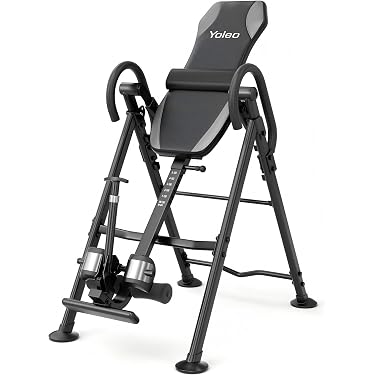
The Yoleo Gravity Inversion Table is designed for home use and aims to balance safety, comfort, and price. Here are its standout features:
- Sturdy steel frame for support and long life
- Adjustable height (usually 4’10” to 6’6”)
- Foam-padded backrest for comfort
- Three inversion angles (20°, 40°, and 60°)
- Ankle locking system with soft padding
- Foldable design for easy storage
- Weight capacity up to 300 lbs (check your model)
Many users praise the Yoleo for its easy setup and stable feel. The adjustment mechanism allows for quick changes between users of different heights. The ankle holders are a common highlight, offering better comfort than some basic models.
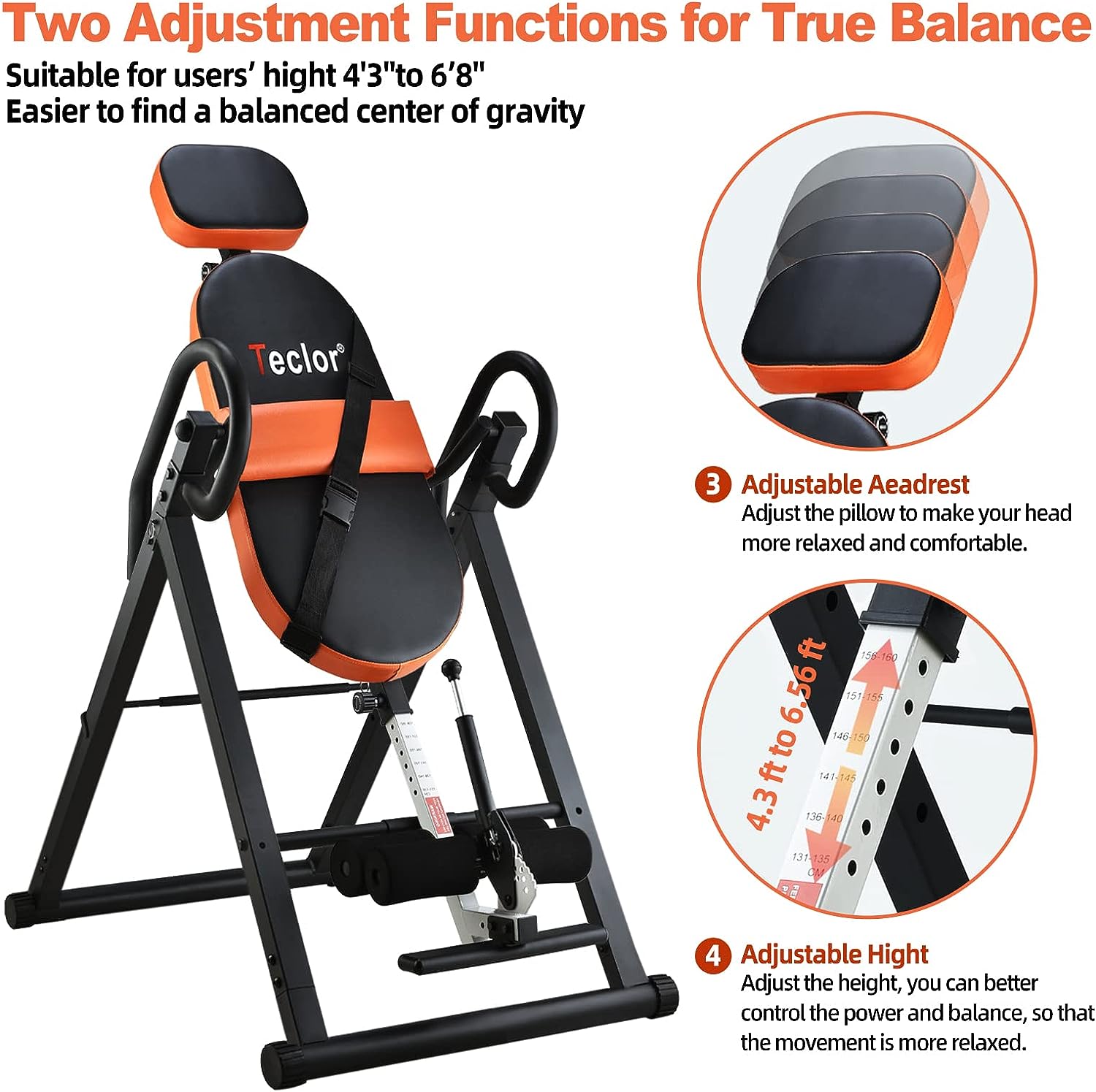
Teclor Inversion Table: Key Features
The Teclor Inversion Table is another popular choice in the home fitness market. Its design focuses on comfort and user safety.
Today's Exclusive Deals
Limited-time Exclusive Deals. Check current discount on Amazon.
Check Price on Amazon As an Amazon Associate I earn from qualifying purchases.- Heavy-duty steel frame for extra stability
- Extra-thick backrest (sometimes memory foam)
- Adjustable height range (usually 4’8” to 6’6”)
- Precision rotation control for smooth inversion
- Ergonomic ankle locking and support system
- Foldable and compact for storage
- Weight capacity up to 330 lbs (check your model)
Teclor tables often stand out for their thick padding and smooth operation. Users with back pain or sensitive joints appreciate the extra comfort. The rotation control is a unique selling point for people who want to adjust their angle smoothly and safely.
Comparing Yoleo Gravity Vs. Teclor: Side-by-side
Let’s look at both inversion tables side by side in a clear format for quick reference.
| Feature | Yoleo Gravity | Teclor |
|---|---|---|
| Frame Material | Sturdy steel | Heavy-duty steel |
| Backrest Padding | Foam | Extra-thick / Memory foam |
| Height Range | 4’10” – 6’6” | 4’8” – 6’6” |
| Weight Capacity | Up to 300 lbs | Up to 330 lbs |
| Inversion Angles | 3 preset (20°, 40°, 60°) | Variable with precision control |
| Ankle Support | Padded locking system | Ergonomic, extra padded |
| Foldable | Yes | Yes |
| Warranty | Usually 1 year | Usually 1 year |
Design And Build Quality
Frame Strength
Both tables use steel frames, but Teclor tables are often marketed as “heavy-duty.” This means the frame might be slightly thicker or reinforced, leading to a higher weight capacity (330 lbs vs. 300 lbs for Yoleo). For most users, both are strong enough, but if you are near the weight limit, Teclor’s extra margin may provide peace of mind.
Stability And Balance
A stable inversion table is crucial for safety, especially when you are upside down. Both Yoleo and Teclor use wide, anti-skid bases to prevent movement. However, Teclor’s heavier frame can feel steadier for larger users or those who want to invert to a full 60 degrees. On the other hand, Yoleo’s frame is lighter, which makes moving and folding a bit easier.
Today's Exclusive Deals
Limited-time Exclusive Deals. Check current discount on Amazon.
Check Price on Amazon As an Amazon Associate I earn from qualifying purchases.Foldability And Storage
If you need to store your table after each use, both brands fold. The Yoleo Gravity is slightly lighter and less bulky when folded, making it easier for small spaces. Teclor tables, due to their thicker padding and heavier frame, take up a bit more room but still fit behind a door or under a bed.
Comfort And User Experience
Backrest And Padding
Comfort is key, especially if you use your inversion table daily. Yoleo uses a foam-padded backrest that is comfortable for short sessions. Teclor steps it up with extra-thick or memory foam padding, which is noticeable during longer uses or for users with sensitive backs. If you have a history of discomfort with harder surfaces, Teclor’s backrest can make a real difference.
Ankle Lock System
Both tables offer a padded ankle locking system. Yoleo’s system is simple but effective, with soft foam rollers that hold your ankles securely. Teclor’s system is more ergonomic and often uses a spring-loaded mechanism. This means less pressure on the top of your feet and a more comfortable hang, especially at steeper angles. This feature is important for people with weak ankles or those who find ankle pain a common problem in inversion therapy.
Adjustability
Yoleo provides three preset inversion angles, which is enough for most beginners and intermediate users. Teclor, however, allows for precision rotation control. You can adjust the angle to your exact preference. This helps users who want gradual progress or need special therapy positions.
Assembly Experience
Both brands come with clear instructions and tools. Yoleo tables are often praised for being quicker to assemble, usually taking 30–45 minutes. Teclor’s extra features and padding can add 10–20 minutes to the process. A practical tip: Lay out all parts and double-check the hardware before starting assembly to avoid frustration.

Safety Features
Safety Straps And Pins
Both models include safety straps or locking pins to control the maximum inversion angle. For beginners, this prevents accidental full inversion, which can feel overwhelming or unsafe. Teclor’s system is usually more adjustable, letting you fine-tune the angle.
Non-slip Feet
Each table uses rubberized or anti-skid feet. This is essential for safety on hard floors. While both are effective, Teclor’s heavier weight means it is less likely to shift even if you move slightly while inverted.
User Weight And Height Limits
Always check your weight and height against the manufacturer’s guidelines. Using a table beyond its limits can lead to equipment failure or injury. Teclor offers a higher weight capacity and a slightly wider height range, which may be important if several family members will share the table.
Ease Of Use
Switching Angles
Yoleo’s three preset angles are easy to use, especially for those who just want quick, simple adjustments. Teclor’s variable control is better for users who want gradual change or who are following a physical therapist’s advice.
Getting On And Off
Both tables are designed so you can step in, lock your ankles, and tilt back using arm motion. Teclor’s ergonomic handle placement can make it a bit easier to return upright, especially for seniors or people with limited upper body strength.
Storage And Portability
If you have a small living space, the lighter Yoleo table is easier to fold and move. However, if you plan to leave your table out for regular use, Teclor’s heavier frame and extra padding may be worth the extra bulk.
Price And Value
Cost Differences
Yoleo Gravity tables are usually more affordable, often priced $120–$180, depending on features and sales. Teclor tables typically cost $160–$230, reflecting the thicker padding and higher weight capacity.
What You Get For The Price
With Yoleo, you pay less but get all the basics: sturdy frame, good comfort, and reliable performance for most users. Teclor’s higher price brings more comfort, better ankle support, and a steadier frame. If you need these features, the extra cost is justified.
Warranty And Support
Both brands offer a one-year warranty on most models. Customer support is generally good, with replacement parts available for common wear items like ankle pads or safety straps. Always check the seller’s return policy before buying.
Real-world User Experiences
Many users share their thoughts online, revealing key insights:
- Yoleo Gravity: Owners often mention quick assembly, stable use, and good value for money. Some taller or heavier users feel the ankle support is less comfortable at steep angles.
- Teclor: Users highlight comfort, smooth angle adjustment, and sturdy feel. A few say the extra-thick padding makes the table bulkier to move or store.
One non-obvious insight: users who share their table with family members of different sizes usually prefer Teclor, as the adjustments and comfort are more flexible. On the other hand, single users who value space-saving and low price lean toward Yoleo.
Who Should Choose Yoleo Gravity?
Yoleo is a great choice if:
- You want an affordable, reliable inversion table
- You have limited storage space
- You need simple, preset inversion angles
- You are under 300 lbs and between 4’10” and 6’6” tall
- You want a table for occasional or moderate use
If you are a beginner or budget-conscious, Yoleo offers all the basics in a solid package.
Who Should Choose Teclor?
Teclor is better if:
- You want extra comfort and thick padding
- You need a higher weight capacity (up to 330 lbs)
- You want smooth, precise angle control
- You plan to use your table daily or for longer sessions
- You share the table with family members of different sizes
Teclor is ideal for those with sensitive backs, people who want the best ankle comfort, or anyone planning frequent use.
Noteworthy Differences: The Small Details
Some differences are easy to miss but matter in daily use:
- Assembly hardware: Teclor tables sometimes include extra bolts or washers for added frame strength.
- Backrest width: Teclor models often have a wider backrest, which helps larger users feel more supported.
- Handle design: Teclor’s longer handles make returning upright easier, especially for people with limited mobility.
- Footprint: Yoleo’s smaller folded size makes it a better choice for apartments.
Common Buyer Mistakes
- Ignoring weight limits: Always check your weight against the table’s max rating. Exceeding it can damage the table and void your warranty.
- Overlooking ankle comfort: If you have sensitive ankles, a table with better ankle padding or ergonomic design (like Teclor) is worth the extra cost.
- Buying for price alone: Cheaper tables may lack the comfort or safety features that matter during daily use.
- Not measuring your space: Make sure you have enough room for the table both in use and when folded.
- Skipping assembly instructions: Rushing assembly can lead to missing safety steps. Take your time for safe use.
Quick Feature Comparison
For a snapshot of the main pros and cons:
| Feature | Yoleo Gravity | Teclor |
|---|---|---|
| Price | Lower | Higher |
| Padding | Standard foam | Extra-thick/memory foam |
| Angle Control | 3 preset | Precision variable |
| Weight Capacity | Up to 300 lbs | Up to 330 lbs |
| Best For | Budget, small space | Comfort, larger users, daily use |
Tips For Safe And Effective Use
- Start slow: Begin with the smallest angle and short sessions (2–3 minutes).
- Check all connections before each use.
- Wear athletic shoes to protect your ankles.
- Stay hydrated, as inversion increases circulation.
- Listen to your body: If you feel dizzy, stop immediately.
Research And Medical Advice
Inversion therapy is generally safe for most healthy adults but is not for everyone. People with high blood pressure, glaucoma, or heart conditions should consult a doctor before use. A recent study in the journal *Disability and Rehabilitation* shows that regular inversion can help with lower back pain, but the benefits depend on correct and consistent use. For more on the science behind inversion therapy, see this Wikipedia article.
Frequently Asked Questions
What Is The Main Difference Between Yoleo Gravity And Teclor Inversion Tables?
The biggest difference is comfort and adjustability. Teclor tables have extra-thick padding and let you control the inversion angle more precisely. Yoleo tables are simpler and more affordable but have less padding and only three preset angles.
Which Inversion Table Is Best For Beginners?
Yoleo Gravity is better for beginners because of its simple controls, quick setup, and lower price. It covers all the basics without overwhelming features.
Is Inversion Therapy Safe For Everyone?
No, inversion therapy is not safe for everyone. People with high blood pressure, glaucoma, heart problems, or who are pregnant should not use an inversion table without consulting a doctor.
How Much Space Do I Need For An Inversion Table?
You should have a clear space of at least 7 ft by 4 ft for safe use. Both tables fold, but Teclor is bulkier when stored.
Can I Assemble These Tables By Myself?
Yes, most people can assemble either table alone in about 30–60 minutes. Having a second person helps with heavy lifting or aligning the frame.
Finding the right inversion table is about more than just price or looks. Consider your comfort needs, how often you’ll use the table, and your available space. Both Yoleo Gravity and Teclor are good choices—but your priorities will help you decide which is best for you.
With the right table, you can enjoy better back health and more flexibility in your daily life.