If you suffer from back pain or want to improve your posture, you may have heard about inversion tables. These devices let you hang upside down, taking pressure off your spine and helping stretch your back muscles. Two popular models stand out: the Yoleo Gravity Inversion Table and the Teeter EP-560. Both promise relief, but they are different in many ways. Choosing the right one is not easy, especially if you are new to inversion therapy. This article will guide you through their features, strengths, weaknesses, and what really matters for buyers. You’ll learn how each table performs, what users say, and which may suit your needs best.
What Are Inversion Tables?
Inversion tables are devices designed to help people with back problems, poor posture, or stress. They allow users to recline at various angles, even fully upside down, letting gravity stretch the spine gently. This action can reduce pressure on discs, improve blood flow, and help relax muscles. People use them for relief from lower back pain, muscle tension, or just to decompress after a long day.
Today's Exclusive Deals
Limited-time Exclusive Deals. Check current discount on Amazon.
Check Price on Amazon As an Amazon Associate I earn from qualifying purchases.Inversion tables are not new. They have been used for decades, and research suggests they can help some people with certain back issues. However, not all tables are the same. Quality, comfort, safety, and ease of use matter a lot.
Key Features: Yoleo Gravity Inversion Table
The Yoleo Gravity Inversion Table is a budget-friendly option designed for home use. Here’s what makes it stand out:
- Maximum User Weight: 300 lbs
- Height Range: 4’10” to 6’6”
- Frame Material: Heavy-duty steel
- Safety Features: Adjustable ankle locking system, safety straps, non-slip feet
- Inversion Angles: Multiple preset angles (up to 180°)
- Foldable Design: Yes, for storage
- Padding: High-density foam backrest
This table is made for people who want basic inversion benefits without spending a lot. It is sturdy, with a steel frame and thick padding for comfort. The adjustable ankle locks help prevent slipping, which is a common issue with cheaper tables.
Today's Exclusive Deals
Limited-time Exclusive Deals. Check current discount on Amazon.
Check Price on Amazon As an Amazon Associate I earn from qualifying purchases.Yoleo Pros
- Affordable Price: The Yoleo is often less than half the price of premium brands.
- Easy Storage: It folds quickly, so you can store it under a bed or in a closet.
- Simple Assembly: Most users can set it up in less than an hour.
- Good Range: It fits most heights and weights.
Yoleo Cons
- Limited Comfort: The ankle locking system is not as comfortable for extended sessions.
- Basic Adjustments: It offers fewer fine-tuning options.
- Not FDA Registered: Unlike some premium models, it lacks medical certification.
- Short Warranty: Typically 1 year.
Key Features: Teeter Ep-560
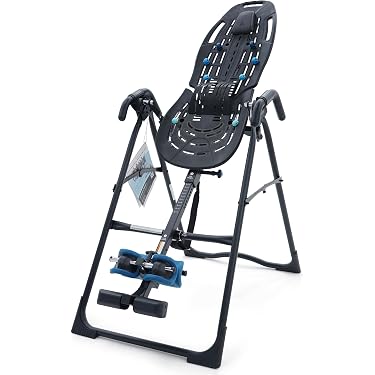
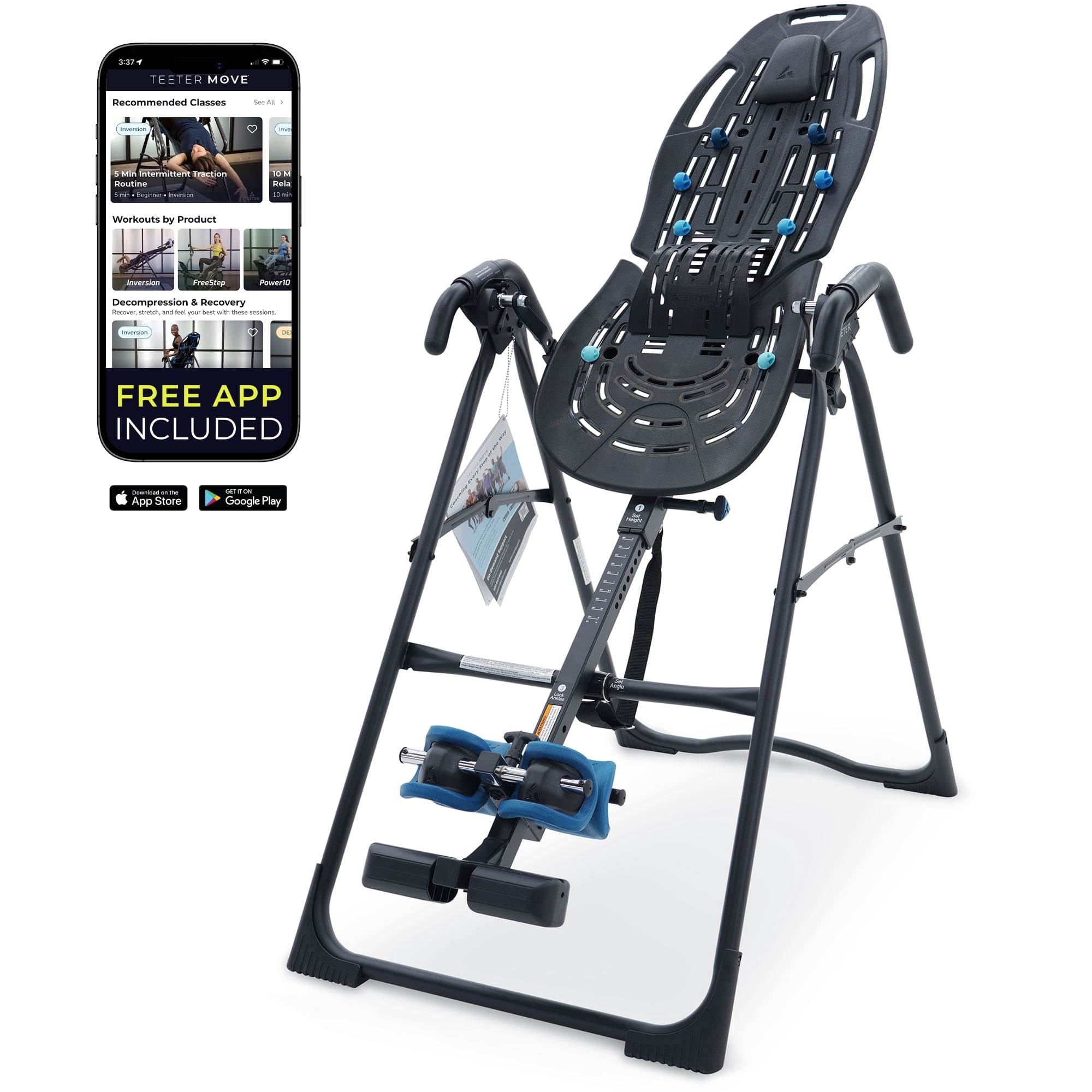
The Teeter EP-560 is a premium inversion table with advanced features. It’s recognized for its safety and comfort. Here’s what you get:
- Maximum User Weight: 300 lbs
- Height Range: 4’8” to 6’6”
- Frame Material: Heat-treated steel
- Safety Features: Patented ankle locking, auto-locking hinges, stretch handles
- Inversion Angles: Adjustable up to full inversion (180°)
- Foldable Design: Yes, but larger than Yoleo
- Padding: FlexTech bed (flexible, non-slip surface)
- FDA Registration: Yes, as a Class 1 medical device
- Warranty: 5 years
The Teeter EP-560 is built for people who want maximum comfort and safety. Its design reduces pressure on ankles and makes inversion smoother. It is the only inversion table with FDA registration for back pain and related conditions.
Teeter Pros
- Superior Comfort: The FlexTech bed and ankle system are more comfortable.
- Safety Certifications: FDA registered, UL certified.
- Long Warranty: 5 years, showing confidence in durability.
- Easy Adjustment: User-friendly controls for angle and fit.
- Extra Stretch Features: Handles and attachments for enhanced stretching.
Teeter Cons
- Higher Price: It costs two to three times more than Yoleo.
- Bulky Storage: Larger and heavier, harder to store in small spaces.
- Longer Assembly: Takes more time to set up.
Side-by-side Comparison: Yoleo Vs Teeter
Looking at both tables, here’s a direct comparison of their specifications:
Today's Exclusive Deals
Limited-time Exclusive Deals. Check current discount on Amazon.
Check Price on Amazon As an Amazon Associate I earn from qualifying purchases.| Feature | Yoleo Gravity | Teeter EP-560 |
|---|---|---|
| Max User Weight | 300 lbs | 300 lbs |
| Height Range | 4’10”–6’6” | 4’8”–6’6” |
| Frame Material | Steel | Heat-treated steel |
| Safety Certifications | No | FDA, UL |
| Ankle System | Basic locking | Patented comfort system |
| Warranty | 1 year | 5 years |
| Foldable | Yes | Yes (larger) |
| Backrest | Foam padding | FlexTech, non-slip |
| Price Range | $120–$180 | $350–$450 |
Ease Of Use
Both inversion tables are made for home users, but their usability differs.
- The Yoleo Gravity table is lighter and easier to move. Its controls are simple, and most users find it easy to adjust.
- The Teeter EP-560 offers more adjustment options, but it’s heavier and takes longer to assemble. However, once set up, its controls are intuitive. The Teeter has extra stretch handles, which help users get deeper stretches.
A common mistake beginners make is not adjusting the height setting correctly. If you set your height too low or high, the table will not balance well, making inversion hard or unsafe. Always follow the instructions and test the balance before fully inverting.
Comfort And Safety
Safety and comfort are the main reasons people pay more for the Teeter EP-560. It uses a patented ankle system that spreads the pressure and prevents pinching. The FlexTech bed is flexible and non-slip, which helps users stay stable during inversion.
The Yoleo Gravity table, while sturdy, uses a basic ankle locking system. Some users report discomfort after a few minutes, especially during full inversion. Its foam backrest is soft but less flexible.
Both tables have safety straps to limit inversion angle. The Teeter’s auto-locking hinges and certifications give more peace of mind. If you have sensitive ankles or plan to invert for longer sessions, comfort matters a lot.
Assembly And Storage
Setting up an inversion table can be a challenge, especially if you have limited space. The Yoleo is smaller and folds up easily. You can tuck it away after use. Most users can assemble it in less than an hour.
The Teeter EP-560 is larger, with more parts. It takes longer to assemble, often 1–2 hours. Its folding mechanism is smooth, but it takes up more space even when folded. If you live in a small apartment, consider where you will store it before buying.
Here’s a quick look at assembly and storage:
| Table | Assembly Time | Folded Size |
|---|---|---|
| Yoleo Gravity | 45–60 minutes | Compact, fits under bed |
| Teeter EP-560 | 90–120 minutes | Bulky, needs closet space |
Durability And Build Quality
Durability is often overlooked, but it’s crucial. An inversion table must hold your weight safely and last for years.
- The Yoleo Gravity uses standard steel and basic welds. It is sturdy, but not designed for heavy daily use. Some users report squeaking or loose bolts after months of use.
- The Teeter EP-560 uses heat-treated steel and advanced locking mechanisms. It is built for frequent use and has a 5-year warranty. The FlexTech bed resists wear and tear.
If you plan to use the table often, or multiple family members will share it, the Teeter’s build quality is a big advantage.
Health Benefits: What Does The Research Say?
Inversion therapy can help with lower back pain, sciatica, and muscle tension. Hanging upside down lets your spine decompress, stretches muscles, and increases blood flow. Some studies show it can reduce pain and improve flexibility.
The Teeter EP-560 is FDA registered for:
- Back pain
- Sciatica
- Muscle tension
- Spinal degenerative joint disease
The Yoleo Gravity does not have medical certification. This means it is sold as a fitness device, not a medical one. If you want a table for medical use, or your doctor recommends inversion therapy, choose a certified model.
A non-obvious insight: most users find the best relief by starting with short sessions (2–3 minutes), gradually increasing over weeks. Overdoing it can cause dizziness or ankle pain. Listen to your body and progress slowly.
Another tip: Inversion tables work best when combined with other exercises. Stretching, strengthening your core, and regular walking can improve results.
User Reviews And Real Experiences
User reviews are a good way to see how these tables perform in real life.
Yoleo Gravity
- Positive: Affordable, easy to use, fits most people, good for beginners.
- Negative: Ankle discomfort, basic features, some quality concerns.
Example: A 35-year-old office worker bought the Yoleo to relieve lower back pain after long hours sitting. He found relief after a week of daily use but needed extra padding for his ankles.
Teeter Ep-560
- Positive: Very comfortable, smooth inversion, reliable, strong warranty.
- Negative: Expensive, takes up space, longer assembly.
Example: A 50-year-old with chronic sciatica uses the Teeter daily. She says the ankle system is comfortable, and the stretch handles help her get deeper relief. The higher price was worth it for her.
Price And Value
Price is a major factor for most buyers. The Yoleo Gravity costs around $120–$180. It is a good entry-level option. The Teeter EP-560 costs $350–$450, reflecting its advanced features and certifications.
Is the higher price justified? If you want comfort, safety, and medical approval, the Teeter is a better investment. If you just want basic inversion for occasional use, Yoleo is enough.
Many buyers make the mistake of choosing only by price. Remember, comfort and safety matter more in the long run. Saving money upfront can lead to discomfort or even injury.
Choosing The Right Inversion Table
How do you decide between Yoleo and Teeter? Consider these factors:
- Budget: If you have a limited budget, Yoleo offers good basic features.
- Comfort Needs: If you have sensitive ankles or plan long sessions, Teeter is superior.
- Medical Approval: If you want FDA registration or doctor’s recommendation, choose Teeter.
- Space: If storage space is tight, Yoleo is easier to fold and store.
- Warranty: Teeter’s longer warranty means less risk.
- Usage Frequency: For heavy or daily use, Teeter’s build quality is better.
A practical tip: Try to test an inversion table before buying. Many gyms or physical therapy centers have Teeter models. Testing helps you see which ankle system feels best.
Common Mistakes When Buying
- Ignoring ankle comfort: Many users focus on backrest and frame, but ankle comfort is vital.
- Not measuring space: Some tables are larger than expected.
- Skipping safety checks: Look for certifications and solid locking mechanisms.
- Rushing assembly: Improper setup can cause wobbling or injury.
Expert Advice For Beginners
If you are new to inversion therapy, start slow. Begin with low angles (15–30°) and short sessions. Use socks for extra ankle comfort. Make sure your table is stable and adjusted to your height. Never invert after eating or if you feel dizzy.
Consult a doctor before starting, especially if you have heart conditions, high blood pressure, or eye problems.
Advanced Features And Accessories
The Teeter EP-560 offers several extra features:
- Stretch handles: For deeper stretching.
- Lumbar bridge: Support for lower back.
- Acupressure nodes: For targeted muscle relief.
The Yoleo Gravity is simpler, with fewer accessories. You can buy extra padding or ankle supports, but these are not included.
Here’s a look at extra features:
| Accessory | Yoleo Gravity | Teeter EP-560 |
|---|---|---|
| Stretch Handles | No | Yes |
| Lumbar Bridge | No | Optional |
| Acupressure Nodes | No | Optional |
| Ankle Comfort Pads | Optional | Built-in |
Maintenance And Care
Inversion tables need regular care to last. Here’s how:
- Check bolts: Tighten every few months.
- Clean surfaces: Wipe down after each use.
- Lubricate hinges: Keep movement smooth.
- Inspect straps: Look for wear or fraying.
A small mistake, like ignoring loose bolts, can cause the table to wobble. Regular checks prevent accidents.
Real Authority: Fda Registration
The Teeter EP-560’s FDA registration is not just a marketing claim. It means the table passed safety and effectiveness tests. If you want a device for medical use, or your doctor recommends inversion therapy, choose an FDA registered table. You can learn more about FDA device regulations at FDA Medical Devices.
Frequently Asked Questions
What Is The Main Difference Between Yoleo Gravity And Teeter Ep-560?
The main difference is that the Teeter EP-560 offers more comfort, safety features, and is FDA registered as a medical device. The Yoleo Gravity is more affordable and basic, with fewer advanced features.
Is Inversion Therapy Safe For Everyone?
No. People with heart disease, high blood pressure, glaucoma, or pregnancy should avoid inversion therapy. Always check with your doctor before starting.
How Long Should I Invert Each Session?
Start with 2–3 minutes at low angles. Increase slowly as your body adapts. Never rush; longer sessions can cause dizziness or ankle discomfort.
Can Inversion Tables Help With Sciatica?
Yes, many users find relief from sciatica using inversion tables. The Teeter EP-560 is FDA registered for sciatica treatment, but results vary. Always combine with other exercises for best results.
What Should I Look For When Buying An Inversion Table?
Check for comfort, safety certifications, adjustable settings, build quality, and warranty. Don’t choose only by price; comfort and safety matter most.
Choosing between the Yoleo Gravity Inversion Table and Teeter EP-560 is about balancing cost, comfort, and safety. Both offer inversion benefits, but the Teeter stands out for medical use and long-term reliability. If you’re just starting, the Yoleo is a good entry point.
For deeper relief and peace of mind, the Teeter EP-560 is worth the investment. Always listen to your body, progress slowly, and enjoy the benefits of gravity therapy.