Yes — massage devices can help with plantar fasciitis when used correctly alongside other treatments.
I treat and write about foot pain regularly, and I’ve seen massage tools ease pain and speed recovery for many people with plantar fasciitis. This article explains how massage devices work, which types help most, what the research says, and practical, safe ways to use them so you can decide if a massage device fits your recovery plan. Read on for clear, evidence-aware guidance and real-world tips from clinical experience.
Today's Exclusive Deals
Limited-time Exclusive Deals. Check current discount on Amazon.
Check Price on Amazon As an Amazon Associate I earn from qualifying purchases.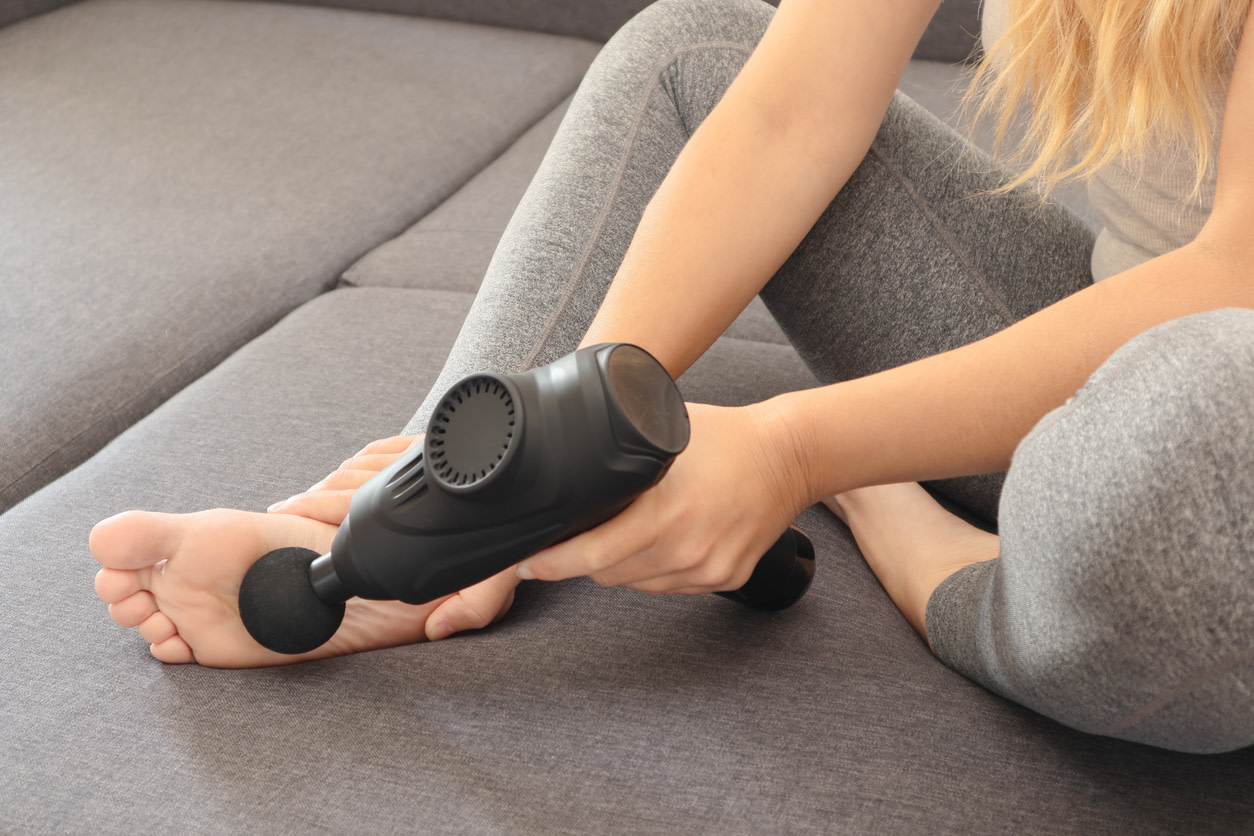
What is plantar fasciitis and why it hurts
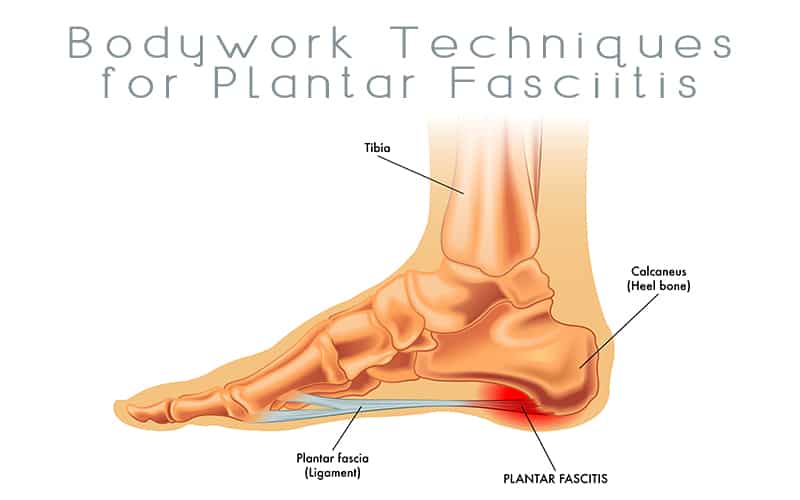
Plantar fasciitis is inflammation or degeneration of the thick band of tissue that runs from your heel to the base of your toes. Pain is usually worst with the first steps in the morning or after long rest. Causes include tight calf muscles, sudden increases in activity, poor shoe support, and excess body weight. Symptoms commonly include sharp heel pain and stiffness that improves slightly with movement but returns with prolonged standing.
Why this matters: heel pain limits work, walks, and daily life. Understanding the condition helps you choose treatments that target the root causes, not just the symptoms. Can massage devices help with plantar fasciitis? They can reduce pain, improve tissue mobility, and speed return to activity when used correctly and combined with stretching, strengthening, and footwear changes.

How massage devices work for plantar fasciitis
Massage devices help by reducing muscle tightness, improving blood flow, and breaking up adhesions or scar-like tissue along the fascia. They stimulate the nervous system to reduce pain signals and can relax the calves and plantar muscles that pull on the fascia. Devices vary in intensity and method, but the overall goals are the same: reduce pain, restore mobility, and allow healing.
Key mechanisms
- Pain modulation: Devices stimulate nerves to reduce pain perception for short periods.
- Improved circulation: Increased blood flow brings nutrients and clears inflammatory byproducts.
- Tissue mobility: Mechanical pressure helps loosen tight tissue and scar tissue.
- Muscle relaxation: Less tightness in calf and foot muscles reduces stress on the fascia.
Can massage devices help with plantar fasciitis? Yes, especially when they are part of a broader plan that includes stretching, strengthening, and proper footwear.
Types of massage devices and which are best
Different tools work in different ways. Some are handheld; others are foot-specific. Here’s a quick guide to common options and how they help plantar fasciitis.
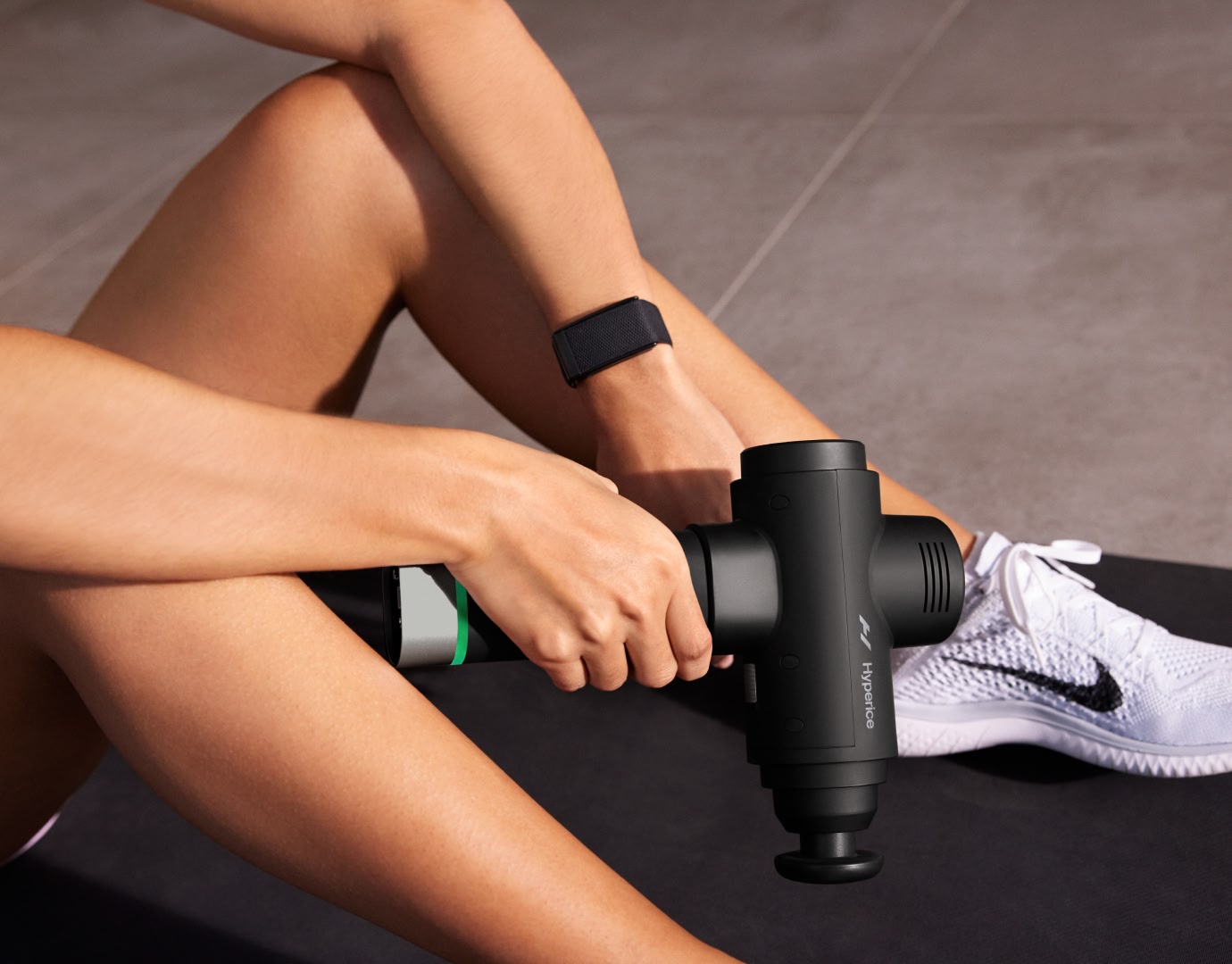
Percussion and vibration massagers
- How they work: Rapid taps or vibrations over the calf, arch, and heel.
- Best for: Soothing pain and relaxing tight muscles quickly.
- Notes: Use lower settings to start. Avoid direct force on the heel bone.
Foot rollers and textured rollers
- How they work: Manual pressure rolled under the arch.
- Best for: Gentle myofascial release and targeted pressure to the fascia.
- Notes: Easy to control intensity with body weight.
Electric foot massagers and shiatsu units
- How they work: Combine heat, kneading, and compression on the sole.
- Best for: Comfort, relaxation, and circulation improvement.
- Notes: Great for daily use but may not replace targeted therapy.
Compression/massage boots
- How they work: Intermittent pneumatic compression with massage sequences.
- Best for: Reducing swelling and improving circulation after heavy activity.
- Notes: More costly, often used by athletes.
Ball massage (lacrosse or tennis)
- How they work: Localized pressure using a ball under the arch.
- Best for: Precise trigger point release and breaking adhesions.
- Notes: Easy, low-cost, portable.
Choosing a device depends on pain level, budget, and preference. Can massage devices help with plantar fasciitis? Yes, and selecting the right type improves results.
Benefits and limitations of massage devices
Massage devices offer clear benefits but also have limits. Knowing both helps you set realistic expectations.
Benefits
- Fast symptom relief after sessions.
- Improved flexibility of calf and plantar tissues.
- Better circulation to speed recovery.
- Easy home-use option to complement therapy.
Limitations
- Not a cure by itself for chronic cases.
- Temporary relief if underlying issues are not fixed.
- Risk of irritation if used too aggressively.
- Mixed research quality on long-term outcomes.
In short, massage devices are useful tools. Can massage devices help with plantar fasciitis long-term? They help most when paired with stretching, strengthening, shoe changes, and load management.

How to use massage devices safely and effectively
Use devices with intention. Follow these practical steps to get the most benefit without harm.
Daily routine example
- Warm-up: Walk 3–5 minutes or soak feet briefly in warm water.
- Calf massage: Use a percussion or roller on the calf for 1–2 minutes each side.
- Plantar massage: Roll a textured roller or ball under the arch for 2–4 minutes.
- Stretch: Do a standing calf stretch and plantar fascia stretch for 30–60 seconds each, 2–3 times.
- Strengthening: Perform toe curls or towel scrunches for 1–2 sets.
Safety tips
- Start with low intensity and short duration.
- Avoid direct deep pressure on the heel bone.
- Stop if sharp pain or tingling occurs.
- Consult a clinician for severe or worsening symptoms.
Can massage devices help with plantar fasciitis if used daily? Yes, regular, gentle use combined with stretches and strengthening is most effective.

What the research says
Clinical studies show that manual massage and myofascial release can reduce pain and improve function in plantar fasciitis. Research on mechanical devices is smaller but promising, showing short-term pain relief and improved mobility. Randomized studies often combine massage with stretching or orthotics, making it hard to isolate the device effect. Overall, evidence supports massage tools as a helpful adjunct, not a standalone cure.
Practical takeaway from studies
- Massage reduces pain scores in short-term follow-up.
- Combining massage with stretching, night splints, or orthotics gives better outcomes.
- More high-quality trials are needed to confirm long-term benefits of specific devices.
Can massage devices help with plantar fasciitis according to science? The science supports their use as part of a combined treatment plan.

Personal experience and real-world tips
I’ve worked with runners and office workers who used home massage devices to manage plantar fasciitis. One runner cut morning pain nearly in half by adding 5 minutes of ball rolling and a week of low-intensity percussion on the calf. A retail worker found that nightly electrical foot massager sessions plus new supportive shoes let them stand without pain.
Lessons learned
- Consistency beats intensity; small daily sessions work well.
- Combine tools with stretching and shoe changes for real improvement.
- Don’t chase pain relief with aggressive use; gentler progress is safer.
- Track pain and activity to notice patterns and adjust treatment.
Can massage devices help with plantar fasciitis in daily life? From my experience, yes—when used regularly and alongside sensible rehab.

Practical buying guide and recommendations
If you decide to buy a massage device, consider these factors.
What to look for
- Adjustable intensity and attachments for different areas.
- Portability if you travel or commute.
- Easy-to-clean surface and strong safety ratings.
- A model that targets both the calf and the plantar surface.
Budget options
- Ball or roll-on tools: low cost, high value.
- Mid-range percussion devices: versatile and effective.
- High-end compression boots: for athletes or severe swelling.
Can massage devices help with plantar fasciitis for most budgets? Yes—useful options exist at all price points.

Frequently Asked Questions of Can massage devices help with plantar fasciitis
Will a foot roller cure plantar fasciitis?
A foot roller can reduce pain and improve mobility but rarely cures plantar fasciitis alone. It should be paired with stretching, strengthening, and appropriate footwear.
How often should I use a massage device for plantar fasciitis?
Start with short sessions daily, about 5–10 minutes focused on the calf and plantar surface, and adjust based on comfort. Consistency is more important than long sessions.
Can massage devices make plantar fasciitis worse?
Yes, if used too aggressively or directly on the heel bone, devices can irritate the tissue. Stop if pain increases or if you notice swelling.
Is percussion therapy better than rolling for plantar fasciitis?
Both have benefits. Percussion can relax muscles quickly, while rolling offers precise pressure under the arch. Use a mix based on pain and tolerance.
Should I use heat or cold with massage devices?
Use heat before massage to warm tissue and cold after intense sessions to reduce inflammation. Adjust based on how your foot responds.
Conclusion
Massage devices can help with plantar fasciitis by reducing pain, improving circulation, and restoring mobility when used correctly and with other treatments. They are best seen as part of a bigger plan that includes stretching, strengthening, footwear changes, and load management. Start gently, be consistent, and track changes to find what works for you. Try a simple routine today—five minutes of calf and arch work plus targeted stretches—and see if your morning steps get easier. If pain persists, seek guidance from a healthcare professional and share your trial results.