Look for adjustable intensity, multiple massage modes, ergonomic design, and safety features.
I have spent years testing massage devices and advising friends and clients on the best picks. I know what features matter and why they matter. This guide will show you exactly what features should I look for in a massage device, how they affect results, and how to choose the right model for your needs. Read on to make a smart, confident choice that fits your body, budget, and goals.
Today's Exclusive Deals
Limited-time Exclusive Deals. Check current discount on Amazon.
Check Price on Amazon As an Amazon Associate I earn from qualifying purchases.
Why the right features matter
Choosing the right features changes how well a device works. The right features target the right muscle groups. They also prevent discomfort and injury.
If you ask "What features should I look for in a massage device," think about performance, comfort, and safety. A device with good features saves time and pain. It also gives better recovery and relaxation.

Core features to look for
These are the must-have features when you ask "What features should I look for in a massage device."
Adjustable intensity and speed
Short sessions at low power and longer deep sessions both have benefits. Adjustable intensity lets you match the device to pain level and muscle sensitivity.Multiple massage modes and patterns
Modes like percussion, kneading, rolling, and vibration suit different needs. Look for distinct, named modes and easy switching.Ergonomic shape and targeted attachments
A device should fit the area you treat. Swappable heads help you target neck, shoulders, back, feet, and joints.Heat function with safe temperature control
Heat can relax tissues and improve circulation. Ensure there are clear settings and automatic shutoff to avoid burns.Battery life and charging type
Good battery life means fewer interruptions. Fast charging and replaceable batteries are pluses.Noise level
Quiet motors are better for home use. Check decibel claims and real-world reviews for noise.Build quality and materials
Durable housing and comfortable grips extend lifespan. Water-resistant or washable covers improve hygiene.Safety features and certifications
Look for automatic shutoff, overheat protection, and safety certifications. These reduce risk during long sessions.Portability and weight
Travel-friendly devices should be light and compact. Consider a carrying case and foldable design.User controls and feedback
Clear buttons, remote control, or an app make operation simple. Some devices show battery and mode info.Warranty and customer support
A solid warranty shows confidence from the maker. Reliable support helps with repairs or replacements.

Types of massage devices and how features vary
Knowing types helps answer "What features should I look for in a massage device" based on device class.
Handheld percussion devices
These give fast, deep pulses. Look for variable speed, multiple heads, and battery life.Shiatsu and kneading massagers
These units mimic hands with rotating nodes. Check node size, rotation direction control, and heat options.Massage chairs and recliners
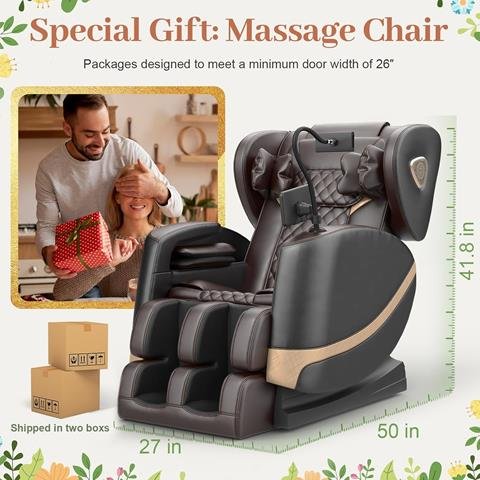
Chairs cover larger areas and often include airbags and track systems. Seek body scanning, track length, and program variety.Foot and calf massagers
These focus on compression and rolling. Look for adjustable intensity, heat, and removable liners.Neck and shoulder wraps
These are compact and focused. Look for fit, targeted pressure, and safe heat levels.Wearable and portable massagers
Small, low-power options for travel. Prioritize battery life, comfort, and targeted relief.
When evaluating a type, ask the question "What features should I look for in a massage device" for that category. Different types emphasize different features.

Matching features to your needs
Match features to how you plan to use the device. This helps answer "What features should I look for in a massage device" in a practical way.
For athletes and deep recovery
Choose strong percussion, long battery life, and robust build. Look for multiple heads and high RPM ranges.For chronic pain or therapy
Prioritize adjustable intensity, heat, and gentle modes. Check safety and talk to a clinician if needed.For stress relief and sleep
Quiet motors, gentle vibration, and soothing heat work best. Soft materials and easy controls help at bedtime.For office workers and posture pain
Compact neck and shoulder massagers with targeted pressure and heat are ideal. Portability matters.For travel and on-the-go use
Lightweight, compact devices with charging options work best. Look for calming modes and durable cases.
I tested models for each of these needs. The match between features and use changed results more than brand or price. Spend time matching your use case to features before buying.

Safety, contraindications, and medical considerations
Safety answers are part of "What features should I look for in a massage device."
Check for automatic shutoff and overheat protection.
These stop the device if it runs too long or too hot.Ask your doctor if you have medical conditions.
People with blood clots, active infections, or implanted devices should consult a clinician.Avoid excessive intensity on inflamed or injured tissues.
High power can worsen acute injury. Start low and increase slowly.Look for clear warnings and user manuals.
Good documentation reduces misuse and helps you understand limits.
I once used a powerful unit on a sore shoulder without warming up. It made the pain worse for two days. That taught me to start low and respect safety features.

Maintenance, warranty, and long-term value
Long-term value depends on care and support. This is a key part of "What features should I look for in a massage device."
Cleanable parts and replaceable covers
Removable, washable covers reduce odor and skin irritation.Battery care and replaceability
Batteries age. Devices with replaceable batteries last longer.Warranty length and service options
A two-year warranty or better shows confidence. Check for repair centers.Spare parts availability
Replaceable heads and cords extend life. Verify parts are sold separately.Ease of repair
Simple fasteners and modular parts make servicing easier. Avoid glued or sealed pieces when possible.
Regular maintenance keeps a device working and safe. I keep a small toolkit and a cleaning schedule for my devices. It saves money over time.

Buying tips, mistakes to avoid, and testing advice
These practical tips help answer "What features should I look for in a massage device" while avoiding common pitfalls.
Test before you buy when possible
Try intensity, heads, and heat. In-store demos reveal real noise and fit.Read real user reviews for long-term feedback
Short reviews miss battery and durability issues. Look for patterns in complaints.Avoid buying purely on power claims
High power is not always better. Control and ergonomics matter more.Consider total cost of ownership
Factor in parts, service, and battery replacements. A cheap unit can be expensive long term.Prioritize features you will actually use
Fancy modes are fun but rarely used. Choose features that match daily needs.
From experience, the best devices combine usable power with simple controls. Many users regret buying heavy, loud devices that felt great once but were hard to use daily.

Frequently Asked Questions of What features should I look for in a massage device
What intensity level should I choose for a massage device?
Start with low to medium intensity and increase slowly. Comfort and lack of pain guide the right level.
Are heat features necessary in a massage device?
Heat adds muscle relaxation and can speed relief. It is helpful but not essential for all users.
How long should a massage session last with a device?
Most sessions run 10 to 20 minutes per area. Longer sessions require automatic shutoff and caution.
Can I use a massage device for injury recovery?
Use caution and consult a healthcare provider for acute injuries. Gentle modes and low intensity are safer for recovery.
How do I know if a massage device is safe for me?
Check safety features, certifications, and user manual warnings. If you have medical implants or serious conditions, ask a clinician.
Is battery life more important than power?
Both matter. For on-the-go use, battery life is key. For heavy recovery, power and sustained performance matter more.
Conclusion
Choosing the right features ensures your massage device helps, not harms. Focus on adjustable intensity, multiple modes, ergonomic design, safety features, and good warranty. Match features to your lifestyle and health needs, test before buying, and maintain the device for long life. Take one step today: list your top three needs and use that list to compare models. If you found this helpful, leave a comment with your needs or subscribe for hands-on reviews and buying guides.